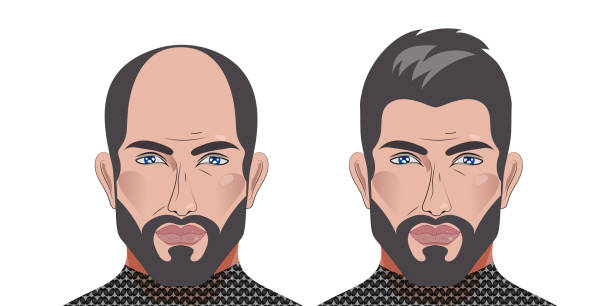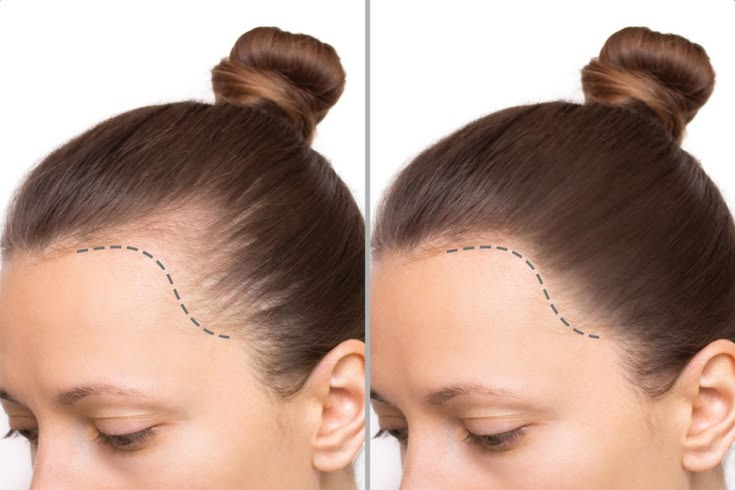

Can I use finasteride after hair transplant is one of the most common questions after FUE, DHI and Sapphire FUE.
The short answer is simple: finasteride may be useful for some patients, but only start, stop or change it with medical guidance.
Finasteride does not replace surgery. It may help slow further thinning in native, non-transplanted hair.
At Turkus Hair Transplant Clinic in Spain, patients receive personalized treatment and long-term planning guidance.
Quick Insights
- Finasteride may help protect native hair after transplant.
- It does not replace surgery or create new grafts.
- Do not start, stop or change without medical guidance.
- Usually used for male pattern hair loss.
- Transplanted grafts are often more DHT-resistant.
- Surrounding native hair may still thin over time.
- Side effects should be discussed with a doctor.
What Is Finasteride?
Finasteride is a prescription medication that reduces DHT, a hormone linked to androgenetic alopecia.
Can You Use Finasteride After Hair Transplant?
Yes, some patients can use finasteride if medically suitable. It may help protect existing hair and slow future thinning.
Does Finasteride Help After Hair Transplant?
It may help maintain non-transplanted hair and support long-term balance of the overall result.
Does Finasteride Protect Transplanted Hair?
Transplanted hairs are usually more DHT-resistant. Finasteride mainly protects native hair around the transplant.
Finasteride After FUE Hair Transplant
After FUE, finasteride may be considered as part of long-term hair loss management for suitable patients.
Finasteride After DHI Hair Transplant
After DHI, finasteride may also be recommended when native hair remains at risk of thinning.
When Should I Start Finasteride After Hair Transplant?
Timing depends on your doctor or clinic. Do not start by yourself without consultation.
Can I Stop Finasteride After Hair Transplant?
Do not stop without medical guidance. Native hair loss may continue again if treatment is stopped abruptly.
Finasteride Side Effects
- Reduced libido
- Erectile dysfunction
- Mood changes
- Breast tenderness
- Reduced semen volume
- Other individual reactions
Finasteride vs Minoxidil After Hair Transplant
Finasteride works hormonally by reducing DHT. Minoxidil is topical and may support visible density. Some patients use one, both, or neither.
Finasteride Mistakes After Hair Transplant
- Starting without medical advice
- Stopping suddenly without guidance
- Expecting instant results
- Thinking it replaces surgery
- Ignoring side effects
- Using unknown online products
- Combining treatments without approval
- Assuming every patient needs it
What Else Supports Long-Term Hair Transplant Results?
- Good surgical planning
- Natural hairline design
- Donor area management
- Proper graft handling
- Aftercare discipline
- Healthy scalp
- Realistic density goals
- Medical maintenance if suitable
Frequently Asked Questions About Finasteride After Hair Transplant
Can I use finasteride after hair transplant?
Yes, if medically suitable.
Do I need finasteride after hair transplant?
Not always. It depends on hair loss pattern and future risk.
Can I stop finasteride after hair transplant?
Do not stop without medical guidance.
Can I use finasteride with minoxidil?
Some patients use both, but only with medical planning.
Does finasteride prevent shock loss?
It may support native hair in some patients but cannot guarantee prevention.
Final Thoughts
Finasteride can be useful for some patients with ongoing male pattern hair loss.
It may help protect native hair and support long-term results, but it is not necessary for everyone.
For realistic crown timelines, topical versus oral options, and what does finasteride regrow hair usually means before surgery, read our dedicated regrowth guide.
If you are planning FUE, DHI or Sapphire FUE in Spain, book a free consultation at Turkus Hair Transplant Clinic.