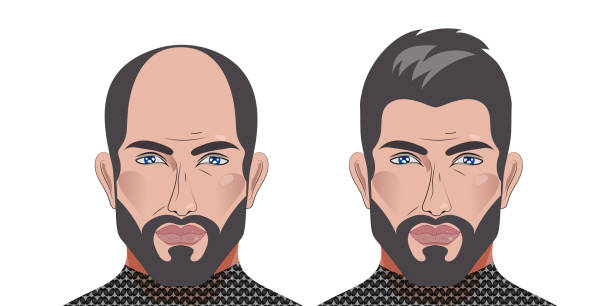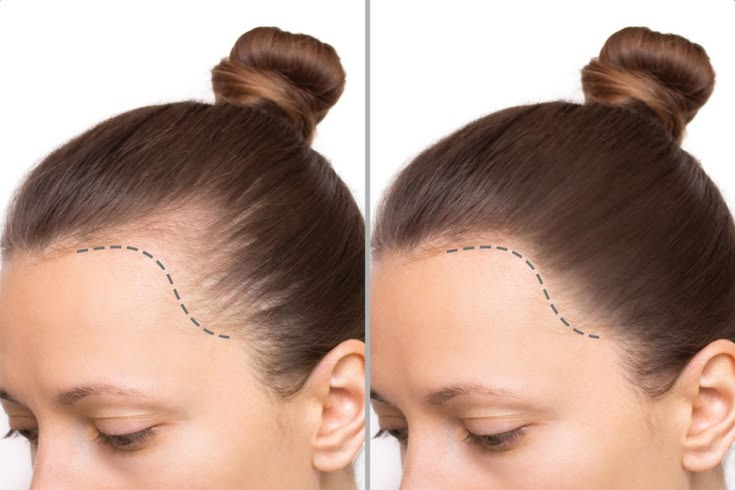
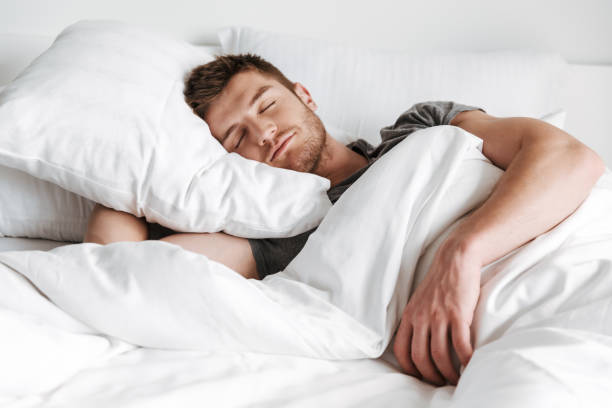
When can I sleep normally after hair transplant is one of the most common questions patients ask after FUE, DHI or Sapphire FUE hair restoration.
Sleeping position matters during early recovery because newly implanted grafts need protection from pressure, rubbing and accidental contact.
The short answer is simple: you should not sleep normally immediately after hair transplant. Sleep with your head elevated and avoid pressure on the transplanted area until your clinic confirms it is safe.
This does not mean you need to sleep uncomfortably for a long time. But the first nights are important for graft protection and swelling control.
At Turkus Hair Transplant Clinic in Spain, patients receive personalized aftercare instructions before and after treatment. Always follow your clinic's guidance instead of guessing online.
This guide explains when you can sleep normally, best positions after FUE and DHI, why head elevation matters, and common mistakes to avoid.
Quick Insights
- Do not sleep normally immediately after hair transplant.
- Sleep on your back with your head elevated during early recovery.
- Avoid sleeping face down.
- Avoid rubbing the transplanted area on the pillow.
- Head elevation may help reduce swelling.
- A clean travel neck pillow may help keep the head stable.
- Side sleeping should be avoided until your clinic approves it.
- Normal sleeping should return only when grafts and scalp are stable.
Why Sleeping Position Matters After Hair Transplant
After hair transplant, the scalp is healing and grafts are settling into place.
Sleeping normally too early may increase the risk of:
- Rubbing grafts
- Pressure on the hairline
- Pressure on the crown
- Swelling
- Bleeding
- Scab irritation
- Accidental scratching
- Discomfort
When Can You Sleep Normally After Hair Transplant?
The exact timing depends on your clinic's protocol and your healing progress.
Many patients need to sleep elevated during the first recovery period. Normal sleeping usually returns later, after grafts are more stable and the scalp is less sensitive.
The safest answer is: sleep normally only when your clinic confirms it is safe.
Best Sleeping Position After Hair Transplant
The safest sleeping position is usually on your back with your head elevated.
This position helps reduce pressure on grafts, friction against the pillow, forehead swelling, accidental rubbing and recipient area contact.
Use clean pillows and avoid rough pillowcases.
Why Head Elevation Helps After Hair Transplant
Head elevation may help reduce swelling after hair transplant.
Swelling can move toward the forehead and around the eyes in some patients. Sleeping flat too early may make swelling more noticeable.
Keeping the head elevated supports a calmer recovery.
Sleeping After FUE Hair Transplant
FUE hair transplant involves extracting individual follicles from the donor area and implanting them into thinning or bald areas.
After FUE, both the donor and recipient areas need protection. The donor area may touch the pillow, but the transplanted area should not be rubbed or pressed.
Sleeping After DHI Hair Transplant
DHI hair transplant uses an implanter pen to place grafts directly into the recipient area.
Because DHI often focuses on precise hairline work or density improvement, early graft protection is very important. Avoid sleeping positions that touch or rub the implanted area.
Can I Sleep on My Side After Hair Transplant?
Side sleeping should usually be avoided during early recovery.
- Temple rubbing
- Hairline contact
- Uneven swelling
- Pillow friction
- Accidental turning
If you naturally turn during sleep, use pillows on both sides to help keep your position stable.
Can I Sleep Face Down After Hair Transplant?
No. Sleeping face down should be avoided after hair transplant. Face-down sleeping can press the transplanted area into the pillow and may disturb grafts during early recovery.
Can I Sleep Flat After Hair Transplant?
Sleeping flat is usually not recommended during the first nights. Flat sleeping may increase swelling and make it easier to rub the scalp against the pillow. Head elevation is usually safer until your clinic approves normal sleeping.
Can I Sleep on the Donor Area?
Some pressure on the donor area may be difficult to avoid when sleeping on your back. Use soft, clean support and avoid rubbing. If the donor area feels painful, irritated or bleeds, contact your clinic.
Can I Use a Travel Pillow After Hair Transplant?
Yes, a clean travel neck pillow can be helpful. It may help keep your head stable and reduce turning during sleep. It can also reduce the chance of the transplanted area touching the pillow.
How Many Nights Should I Sleep Elevated?
The exact number of nights depends on your clinic's instructions.
Many patients sleep elevated during the first several nights after surgery. Some may need longer depending on swelling, graft placement and comfort.
The safest answer is: continue elevated sleeping until your clinic confirms you can sleep normally.
What If I Accidentally Sleep on My Side?
If you wake up on your side, do not panic. Return to the recommended position gently. One accidental movement does not automatically ruin a hair transplant.
Contact your clinic if you notice bleeding, graft movement, pain, strong redness, swelling, discharge or unusual discomfort.
What If I Rubbed My Grafts While Sleeping?
If you accidentally rubbed your grafts while sleeping, check the area gently without touching too much.
Do not scratch, scrub or try to remove scabs. Contact your clinic if you see bleeding, graft displacement or unusual symptoms.
Can Poor Sleep Affect Hair Transplant Recovery?
Poor sleep does not automatically ruin results, but it can make recovery harder. Poor sleep may increase stress, fatigue, aftercare mistakes, touching the scalp and slower comfort recovery. Good rest supports better recovery discipline.
Can I Take Sleeping Pills After Hair Transplant?
Do not take sleeping pills unless your clinic or doctor approves them. Some medication may cause deep sleep, unusual movement or interaction with post-operative medication. Always ask before taking anything new.
Can I Sleep With a Hat After Hair Transplant?
Sleeping with a hat is not recommended during early recovery unless your clinic specifically approves it. A hat may rub grafts, increase sweating or create pressure while you sleep.
Can I Sleep With a Bandage After Hair Transplant?
If your clinic gives you a bandage or dressing, follow their instructions exactly. Do not remove, adjust or replace bandages unless instructed.
Can I Use Normal Pillowcases After Hair Transplant?
Use clean pillowcases after hair transplant. Avoid rough fabrics and dirty bedding. A clean, soft pillowcase can reduce irritation and hygiene concerns.
Sleeping Mistakes After Hair Transplant
- Sleeping face down
- Sleeping flat too early
- Rubbing grafts on the pillow
- Using dirty pillowcases
- Sleeping with a tight hat
- Taking sleeping pills without approval
- Scratching while half asleep
- Turning aggressively
- Ignoring swelling
- Panicking after one small movement
Careful sleeping is temporary but important.
What Else Should You Avoid After Hair Transplant?
- Touching or scratching grafts
- Heavy exercise
- Sweating
- Swimming
- Sauna
- Direct sun exposure
- Tight hats
- Alcohol
- Smoking
- Vaping
- Recreational drugs
- Dusty environments
- Sleeping face down
- Using unapproved hair products
The clinic's aftercare plan should always be followed.
When Can I Return to Normal Lifestyle?
Most patients gradually return to normal daily life after the first recovery period. However, full hair growth takes much longer.
- First 3 days: protect grafts carefully
- Days 7 to 10: early healing and scab clearing
- Weeks 2 to 8: temporary shedding may happen
- Months 3 to 4: early growth may begin
- Month 6: visible improvement usually becomes clearer
- Months 12 to 18: final results usually develop
Normal sleeping should return only when your clinic confirms it is safe.
Frequently Asked Questions About Sleeping Normally After Hair Transplant
When can I sleep normally after hair transplant?
You can sleep normally when your clinic confirms that the grafts and scalp are stable.
Can I sleep normally right after hair transplant?
No. You should sleep carefully with your head elevated during early recovery.
What is the best sleeping position after hair transplant?
The best position is usually on your back with your head elevated.
Can I sleep on my side after hair transplant?
Side sleeping should be avoided early because it may rub the grafts or temples.
Can I sleep face down after hair transplant?
No. Face-down sleeping should be avoided because it can press the transplanted area into the pillow.
Can I sleep flat after hair transplant?
Sleeping flat is usually not recommended during the first nights because it may increase swelling.
Can I use a travel pillow after hair transplant?
Yes, a clean travel neck pillow may help keep your head stable.
What if I accidentally slept on my side?
Do not panic. Return to the recommended position and contact your clinic if you notice bleeding or graft movement.
Can poor sleep ruin hair transplant results?
Poor sleep does not automatically ruin results, but it can make recovery harder and increase aftercare mistakes.
How long should I sleep elevated?
The timing depends on your clinic's protocol. Continue until your clinic says normal sleeping is safe.
Final Thoughts
Sleeping normally after hair transplant should not happen immediately.
During early recovery, sleeping on your back with your head elevated is usually the safest option. This helps protect grafts, reduce swelling and avoid accidental rubbing.
A hair transplant is a long-term investment. Careful sleeping for a short time can support smoother healing and better long-term results.
If you are planning FUE, DHI or Sapphire FUE hair transplant in Spain, book a free consultation at Turkus Hair Transplant Clinic. The team can explain when normal sleeping is safe, how to protect grafts at night and how to support your final result.