Hair transplant after 1 month is one of the most confusing stages after FUE, DHI or Sapphire FUE hair restoration.
Many patients expect to see strong growth by this point, but the 1-month stage is usually not about final results. It is often the beginning of the shedding and waiting phase.
The short answer is simple: after 1 month hair transplant results may look thinner than expected, and this can be normal. Transplanted hairs may shed, redness may still be visible in some patients and new growth usually has not fully started yet.
At Turkus Hair Transplant Clinic in Spain, patients receive personalized follow-up guidance after surgery. Always follow your clinic's instructions instead of judging results too early.
This guide explains what happens after 1 month, shedding, when new growth starts, what is normal after FUE and DHI, what to avoid, and when to contact your clinic.
Quick Insights
- 1 month after hair transplant is still very early.
- Shedding may happen around this stage.
- Hair may look thinner before it looks better.
- Redness or sensitivity may still remain in some patients.
- New growth usually has not fully developed yet.
- Do not judge final results after 1 month.
- Follow-up photos can help track progress.
- Contact your clinic if you notice infection signs, severe pain or poor healing.
What Happens 1 Month After Hair Transplant?
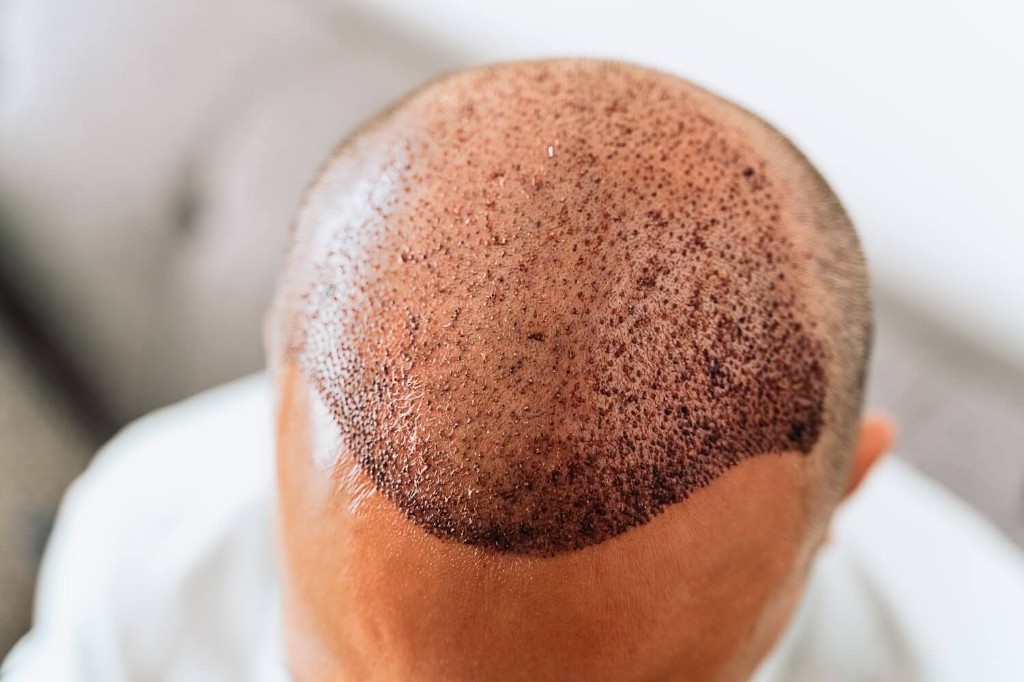
At 1 month after hair transplant, the scalp has usually passed the early scab stage. Many patients no longer have visible scabs, and the donor area may look much calmer. However, the transplanted area may not look dense yet.
You may notice shedding, thin appearance, mild redness, dryness, itching, small pimples, uneven look, short transplanted hairs falling, donor area improvement and temporary shock loss. This stage can feel disappointing, but it is often part of normal recovery.
Hair Transplant After 1 Month: Is It Too Early to Judge?
Yes. One month is far too early to judge hair transplant results.
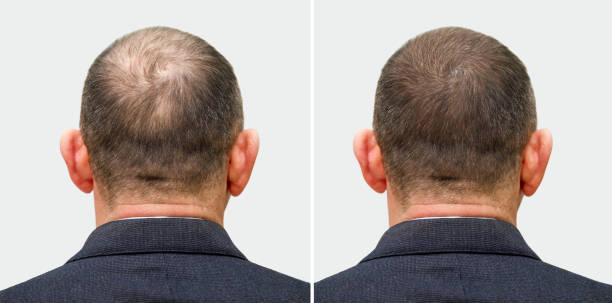
At this stage, many transplanted hairs may shed. The follicles may enter a resting phase before producing new hair later. The final result takes many months, not weeks.
Hair Transplant After 1 Month After FUE
After FUE hair transplant, the donor area usually looks much better after 1 month.
However, the recipient area may look thinner because of shedding. Some redness or sensitivity may still remain. This does not automatically mean the FUE failed.
Hair Transplant After 1 Month After DHI
After DHI hair transplant, the 1-month stage is similar.
Even if the hairline looked fuller right after surgery, shedding may make it look weaker temporarily. DHI results also require time, patience and follow-up.
Is Shedding Normal 1 Month After Hair Transplant?
Yes. Shedding is common around this stage.
The visible transplanted hairs may fall out, but the follicles can remain under the skin. Later, they may begin producing new hair. This is why shedding should not automatically be seen as failure.
Why Does Hair Look Worse After 1 Month?
Hair may look worse after 1 month because of shedding, shock loss, redness, uneven early healing, short hairs falling, native hair thinning, temporary scalp visibility and expecting results too early. This phase is often called the ugly duckling phase by patients.
When Does Hair Start Growing After 1 Month?
New growth usually starts gradually later. At 1 month, many follicles are still resting. Early growth may appear in the following months, but it often begins thin, soft and uneven. Density improves slowly over time.
Can Shock Loss Happen After 1 Month?
Yes. Shock loss can happen after hair transplant. Shock loss means temporary shedding of transplanted or nearby native hairs due to surgical stress. In many cases, it improves over time, but your clinic should monitor it.
Are Pimples Normal 1 Month After Hair Transplant?
Small pimples may appear as new hairs begin developing under the skin or due to blocked follicles. Mild pimples can be common, but do not squeeze them. Contact your clinic if pimples are painful, spreading, filled with pus or combined with redness and fever.
Is Redness Normal After 1 Month?
Mild redness can still be normal in some patients after 1 month. Skin type, procedure size and healing speed affect how long redness lasts. However, spreading redness, heat, pain, discharge or fever should be checked.
Is Itching Normal After 1 Month?
Mild itching can still happen. Do not scratch aggressively. Itching may come from healing, dryness or new hair activity. Ask your clinic before using any product.
Can I Wash Normally After 1 Month?
Many patients can wash more normally after 1 month, but this depends on clinic approval. If the scalp is still red, irritated or sensitive, continue gentle care. Use only approved shampoos or products.
Can I Exercise After 1 Month?
Many patients may return to more activity by 1 month if the clinic approves it. However, return gradually. Avoid intense sweating or contact sports if the scalp still feels sensitive. Ask before returning to heavy lifting, football, boxing, sauna or swimming.
Can I Wear a Hat After 1 Month?
Many patients may wear hats after 1 month if the scalp is healed and the clinic approves it. Choose loose, clean and breathable hats. Avoid tight pressure or friction.
Can I Get a Haircut After 1 Month?
A haircut may be possible after 1 month depending on healing and clinic instructions. Avoid aggressive clippers on sensitive areas unless approved. Do not shave the transplanted area too early without guidance.
Can I Use Hair Products After 1 Month?
Some patients may be allowed to use gentle products after 1 month, but ask your clinic first. Avoid harsh chemicals, hair dye, strong styling products and fibers if the scalp is still sensitive.
Can I Dye My Hair After 1 Month?
Hair dye should usually wait until the scalp is fully healed and your clinic approves it. Dye contains chemicals that may irritate healing skin.
Can I Use Minoxidil After 1 Month?
Minoxidil may be recommended for some patients, but timing matters. Do not start or restart minoxidil without clinic approval because it can irritate the scalp if used too early.
Can I Take Finasteride After 1 Month?
Finasteride may be part of long-term hair loss management for some male patients. Use only with medical guidance. Do not change medication without consulting your doctor or clinic.
What Should I Avoid 1 Month After Hair Transplant?
- Scratching
- Harsh hair products
- Hair dye
- Sunburn
- Sauna
- Strong chemical treatments
- Tight hats
- Contact sports
- Unapproved medication
- Squeezing pimples
- Judging results too early
Your clinic's instructions should always come first.
When Should I Contact the Clinic After 1 Month?
Contact your clinic if you notice pus, bad smell, severe pain, fever, spreading redness, heavy bleeding, open wounds, painful pimples, black skin patches, no healing progress or unusual swelling. For growth concerns, ask for a follow-up rather than panicking.
Hair Transplant After 1 Month Mistakes
- Judging the final result
- Panicking during shedding
- Scratching the scalp
- Squeezing pimples
- Using minoxidil without approval
- Using hair dye too early
- Returning to harsh products
- Training too intensely
- Wearing tight hats
- Skipping follow-up photos
- Comparing daily in the mirror
One month is still early.
Frequently Asked Questions About Hair Transplant After 1 Month
Is 1 month after hair transplant too early to judge?
Yes. One month is far too early to judge final results.
Is shedding normal after 1 month?
Yes. Shedding is common and does not always mean graft failure.
Why does my hair look thinner after 1 month?
Shedding, shock loss and the resting phase can make hair look thinner temporarily.
When does new hair start growing?
New growth usually begins gradually in the following months.
Is redness normal after 1 month?
Mild redness can still be normal in some patients, but spreading redness or pain should be checked.
Are pimples normal after 1 month?
Small pimples may occur, but painful or infected pimples should be checked.
Can I exercise after 1 month?
Possibly, but return gradually and follow your clinic's advice.
Can I wear a hat after 1 month?
Usually possible if the scalp is healed and your clinic approves it.
Can I use hair products after 1 month?
Only if your clinic approves them, especially if the scalp is still sensitive.
Can I judge density after 1 month?
No. Density has not developed yet.
Final Thoughts
Hair transplant after 1 month is usually a waiting stage, not a result stage.
Shedding, thin appearance, mild redness, itching or small pimples can happen. This does not automatically mean the transplant failed. New growth usually develops gradually later.
A hair transplant is a long-term investment. The best thing you can do after 1 month is follow aftercare, attend follow-ups and avoid judging the result too early.
If you are planning FUE, DHI or Sapphire FUE hair transplant in Spain, book a free consultation at Turkus Hair Transplant Clinic. The team can explain what to expect after 1 month, how shedding works and when real growth usually begins.