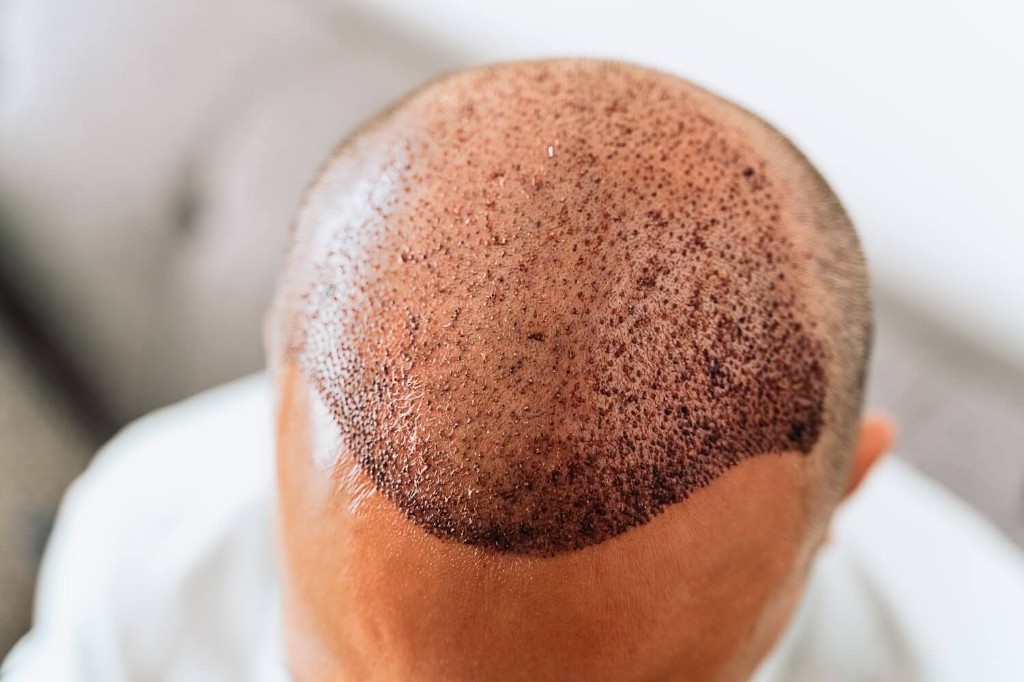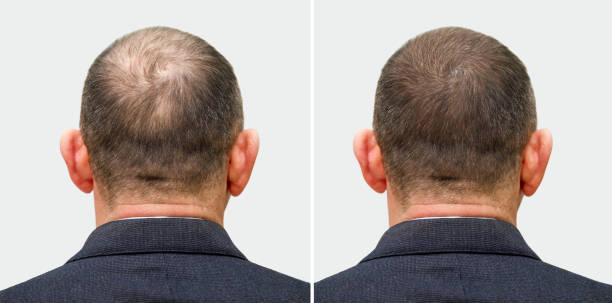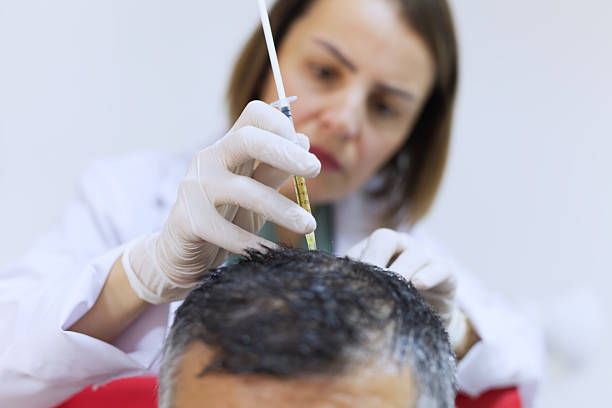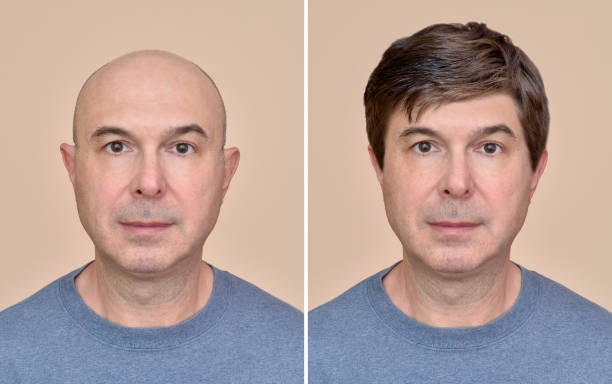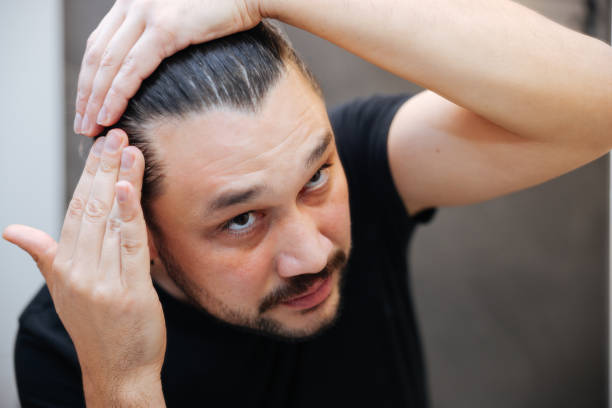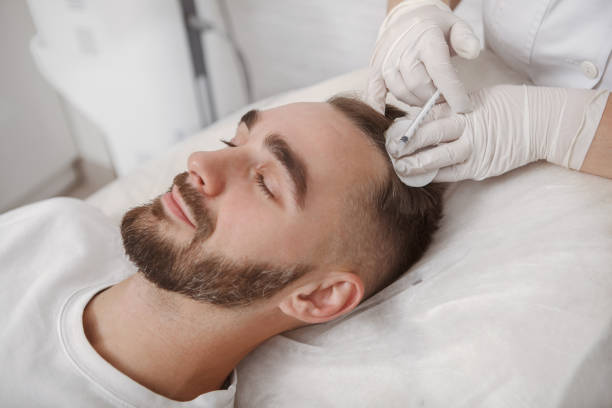

Hair transplant after 3 months is one of the most important stages in the growth timeline after FUE, DHI or Sapphire FUE hair restoration.
Many patients expect strong visible results by month 3, but this stage is usually still early.
The short answer is simple: after 3 months, some early new hair growth may begin, but density is not final. Hair can still look thin, uneven, soft or patchy at this stage.
At Turkus Hair Transplant Clinic in Spain, patients receive personalized follow-up guidance after surgery. Always follow your clinic's instructions and avoid judging the final result too early.
This guide explains what happens after 3 months, early growth, why hair may look thin, what is normal after FUE and DHI, what to avoid, and when to contact your clinic.
Quick Insights
- 3 months after hair transplant is still early.
- Some patients begin seeing early growth.
- New hairs may look thin, soft, weak or uneven.
- Density is not final at 3 months.
- Some patients grow slower than others.
- The crown may take longer than the hairline.
- Do not compare your result daily.
- Follow-up photos are useful for tracking progress.
What Happens 3 Months After Hair Transplant?
At 3 months after hair transplant, many patients are moving out of the shedding and resting phase. Some new hairs may begin to appear, but they are usually not thick or dense yet. The scalp may look better than month 1, but the result is still developing.
You may notice early new hairs, thin growth, uneven growth, soft hair texture, patchy areas, mild redness in some patients, small pimples, improving donor area and slow density development. This stage requires patience.
Hair Transplant After 3 Months: Is It Too Early to Judge?
Yes. Three months is still too early to judge the final result.
Some patients see early growth at this stage, while others see very little. Both can be normal depending on individual healing and growth speed. Final density takes much longer.
Hair Transplant After 3 Months After FUE
After FUE hair transplant, the donor area is usually much calmer by month 3.
The recipient area may begin showing early growth, but density may still be weak. This does not mean the FUE failed.
Hair Transplant After 3 Months After DHI
After DHI hair transplant, month 3 may show early signs of growth, especially in the hairline or density zones.
However, DHI results also take time. The final outcome should not be judged at month 3.
Is Hair Growth Normal After 3 Months?
Yes, early hair growth can begin around this stage. However, growth may be thin, soft, uneven, slow, patchy, lighter in color and different from final texture. This is normal because new hairs need time to mature.
Why Is My Hair Still Thin After 3 Months?
Hair may still look thin after 3 months because growth has just started, not all follicles grow at once, hair shafts are still fine, density has not matured, shock loss may still be recovering, native hair may be thin and the crown may grow slower. Month 3 is not a density stage for many patients.
What If I See No Growth After 3 Months?
If you see little or no growth at 3 months, do not panic. Some patients are slower growers. Early growth may become more visible later. Contact your clinic for follow-up if you are worried, but avoid assuming failure too early.
Is Uneven Growth Normal After 3 Months?
Yes. Uneven growth is common. One side may grow faster than the other. The hairline may grow before the crown. Some areas may look patchy. This usually improves as more follicles enter the growth phase.
Are Pimples Normal After 3 Months?
Small pimples can appear when new hairs start pushing through the skin or when follicles become blocked. Do not squeeze them. Contact your clinic if pimples are painful, spreading, filled with pus or combined with redness and fever.
Is Redness Normal After 3 Months?
Most redness improves earlier, but some patients may still have mild redness at 3 months depending on skin type and healing. If redness is spreading, painful, hot or associated with discharge, contact your clinic.
Can Shock Loss Still Be Present After 3 Months?
Shock loss may still be recovering in some patients. Temporary shedding of native or transplanted hairs can make the area look thinner before it improves. Your clinic can assess whether it looks normal.
Can I Exercise After 3 Months?
Most patients can return to exercise by 3 months if the clinic has approved it. However, if you still have scalp sensitivity, redness or pimples, avoid anything that irritates the area.
Can I Wear a Hat After 3 Months?
Many patients can wear hats after 3 months. Choose clean, comfortable hats and avoid anything that causes irritation or friction.
Can I Get a Haircut After 3 Months?
A haircut is usually possible by 3 months if the scalp has healed and your clinic approves it. Avoid aggressive shaving if the scalp is still sensitive.
Can I Dye My Hair After 3 Months?
Hair dye may be possible for some patients after 3 months, but ask your clinic first. Chemical products can irritate sensitive skin.
Can I Use Hair Gel, Spray or Fibers After 3 Months?
Some patients may be allowed to use styling products after 3 months if the scalp is fully healed. Avoid heavy products if you have pimples, redness or irritation.
Can I Use Minoxidil After 3 Months?
Minoxidil may be recommended for some patients, but only use it if your clinic approves it. It may help support native hair in selected cases, but it can irritate the scalp in some patients.
Can I Use Finasteride After 3 Months?
Finasteride may be part of long-term hair loss management for some male patients. Use only with medical guidance. Do not start, stop or change medication without consulting your doctor or clinic.
What Should I Avoid After 3 Months?
- Scratching irritated areas
- Squeezing pimples
- Harsh chemical products
- Unapproved medication changes
- Aggressive shaving
- Sunburn
- Judging results too early
- Comparing daily photos
- Panic decisions
- Booking repair surgery too soon
Month 3 is still early.
When Should I Contact the Clinic After 3 Months?
Contact your clinic if you notice painful pimples, pus or discharge, spreading redness, fever, severe itching, open wounds, unusual swelling, no healing progress, strong scalp irritation or major concern about growth. For growth concerns, a follow-up photo review can help.
Hair Transplant After 3 Months Mistakes
- Expecting final density
- Panicking about slow growth
- Comparing yourself to other patients
- Squeezing pimples
- Using harsh products
- Starting treatments without approval
- Judging the crown too early
- Checking the mirror every day
- Assuming failure
- Booking repair surgery too soon
Patience is essential at month 3.
Frequently Asked Questions About Hair Transplant After 3 Months
Is 3 months after hair transplant too early to judge?
Yes. Three months is still too early to judge final results.
Should I see growth after 3 months?
Some patients see early growth, while others grow slower. Both can be normal.
Why is my hair still thin after 3 months?
Density has not fully developed yet. New hairs may still be thin, soft and uneven.
Is uneven growth normal after 3 months?
Yes. Uneven growth is common during early growth.
What if I see no growth after 3 months?
Do not panic. Some patients start visible growth later. Ask your clinic for follow-up.
Are pimples normal after 3 months?
Small pimples can happen, but painful or infected pimples should be checked.
Can I exercise after 3 months?
Usually yes if your clinic approves it and the scalp is healed.
Can I dye my hair after 3 months?
Possibly, but ask your clinic before using chemical dye.
Can I use minoxidil after 3 months?
Only if your clinic approves it.
Is the crown slower after 3 months?
The crown may appear slower because of its growth pattern and density needs.
Final Thoughts
Hair transplant after 3 months is usually the beginning of visible growth, not the final result.
Some patients see new hairs, while others are still waiting. Early growth may look thin, uneven or patchy, and this can be normal. Density improves gradually over the following months.
A hair transplant is a long-term investment. Month 3 requires patience, follow-up and realistic expectations.
If you are planning FUE, DHI or Sapphire FUE hair transplant in Spain, book a free consultation at Turkus Hair Transplant Clinic. The team can explain what to expect after 3 months, how early growth develops and when density usually becomes more visible.