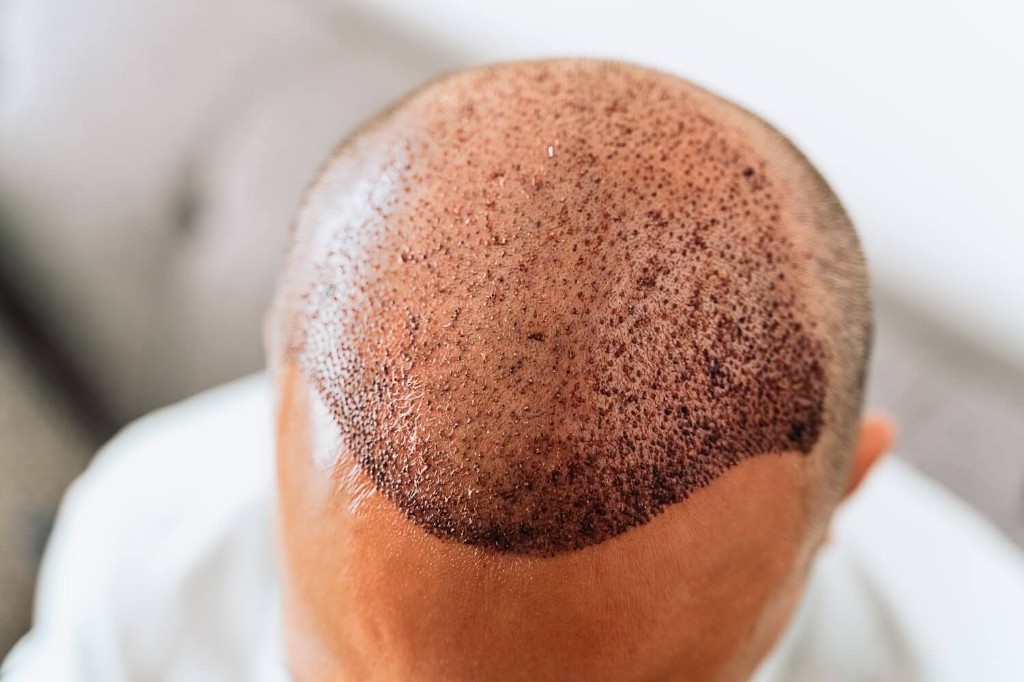
Hair transplant after 12 months is one of the most important stages after FUE, DHI or Sapphire FUE hair restoration.
Many patients want to know whether the result is final, whether density can still improve and whether they should consider a second session.
The short answer is simple: after 12 months, many patients are close to their final hair transplant result, but some hair may still continue to mature depending on the patient, treatment area and healing process.
At Turkus Hair Transplant Clinic in Spain, patients receive follow-up guidance to evaluate growth, density, donor area and long-term hair loss planning. Always speak with your clinic before judging the final result or planning another procedure.
This guide explains what happens after 12 months, whether it is final, density expectations, FUE and DHI norms, crown timing, second sessions, and when to contact your clinic.
Quick Insights
- 12 months after hair transplant is usually close to the final result.
- Hair should look more mature, thicker and easier to style.
- Some patients may still improve after 12 months.
- Crown results can take longer than hairline results.
- Final density depends on graft number, donor quality and hair type.
- A second session should only be considered after proper evaluation.
- Ongoing native hair loss may affect the overall look.
- Long-term maintenance is important.
What Happens 12 Months After Hair Transplant?
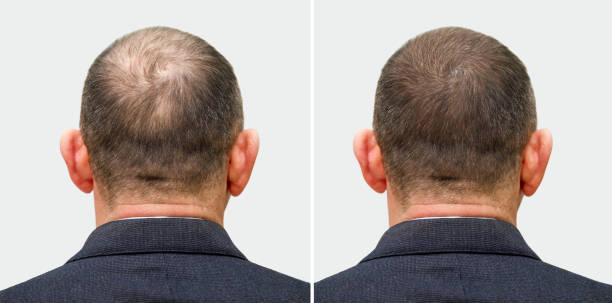
At 12 months after hair transplant, most patients can clearly see the outcome of their procedure. The transplanted hairs are usually longer, stronger and more mature than earlier stages. The hairline may look more natural, and density should be much easier to evaluate.
You may notice stronger hair growth, better density, more natural texture, improved styling options, clearer hairline shape, better coverage, mature donor area healing and more realistic final evaluation. This is usually the stage where results can be assessed more seriously.
Hair Transplant After 12 Months: Is It Final?
For many patients, 12 months is close to the final result.
However, some patients may still see small improvements after 12 months, especially in crown areas or slower-growing cases.
The safest answer is: 12 months is a major final evaluation point, but your clinic should confirm whether your result has fully matured.
Hair Transplant After 12 Months After FUE
After FUE hair transplant, the 12-month stage usually shows the main result.
The donor area should be healed, and the transplanted area should show mature growth. If density is lower than expected, the clinic can evaluate possible reasons.
Hair Transplant After 12 Months After DHI
After DHI hair transplant, 12 months is also a key result stage.
Hairline design, density and blending can be evaluated more accurately. If the result is still improving, the clinic may advise waiting longer before making decisions.
How Much Density Should I Have After 12 Months?
Density depends on many factors. A natural hair transplant result is not only about graft number. It depends on donor quality, hair thickness, hair color, skin contrast, graft survival, recipient area size, hairline design, native hair condition, future hair loss and realistic planning.
Some patients need more than one session for higher density, especially if the bald area was large.
Why Is My Hair Still Thin After 12 Months?
Hair may still look thin after 12 months if the bald area was large, graft number was limited, hair shafts are naturally fine, donor area was weak, native hair continued thinning, crown area needs more density, expectations were unrealistic, growth was below average or a repair plan is needed. A clinic evaluation is necessary before deciding what to do next.
Is Crown Growth Slower After 12 Months?
Crown growth can take longer than hairline growth for some patients. The crown has a circular growth pattern and often requires more density to look full. Some patients may still see improvement after 12 months. Ask your clinic before judging crown results too early.
Can Hair Improve After 12 Months?
Yes, some patients may still notice improvement after 12 months. Hair may continue to thicken, soften, blend better, become easier to style, look more natural and improve in texture. However, major growth should usually be visible by this stage.
Can I Judge My Hairline After 12 Months?
Yes, the hairline can usually be judged more accurately after 12 months. At this stage, the clinic can assess hairline height, density, natural irregularity, temple blending, graft direction and overall facial balance. If something looks unnatural, a repair or refinement plan may be discussed.
Can I Judge My Donor Area After 12 Months?
Yes. The donor area should usually be mature enough to evaluate after 12 months. The clinic can check donor density, extraction pattern, scarring visibility, overharvesting signs, future graft capacity and need for repair planning. Good donor management is important for long-term results.
What If One Side Is Thinner After 12 Months?
Mild asymmetry can happen because hair growth and native hair loss are not always perfectly equal. However, if one side is clearly thinner, your clinic should evaluate graft growth, implantation density, hair direction, native hair loss, shock loss recovery, need for touch-up and lighting effects. Do not decide based only on one photo.
Should I Get a Second Hair Transplant After 12 Months?
A second session may be considered if the first result has matured, the donor area is strong enough, density goals are realistic, native hair loss is stable, the clinic confirms it is safe and the patient understands long-term planning. Do not rush into a second procedure without proper evaluation.
When Is a Second Session Needed?
A second session may be useful for more density, crown coverage, temple refinement, hairline correction, repair work, large bald areas or progressive hair loss. But not every patient needs one.
Can a Failed Hair Transplant Be Diagnosed After 12 Months?
By 12 months, poor growth may be easier to evaluate. However, the clinic should assess the full situation before calling it failed. Possible reasons include poor graft survival, weak donor area, bad surgical planning, infection or healing problems, overharvesting, unrealistic expectations, continued native hair loss and medical factors.
Can I Use Minoxidil After 12 Months?
Minoxidil may be recommended for some patients to support native hair or long-term density. Use only with clinic or doctor guidance.
Can I Use Finasteride After 12 Months?
Finasteride may help some male patients protect native hair from future thinning. It should be used only with medical guidance and proper discussion of benefits and risks.
Can I Style, Dye or Cut Hair Normally After 12 Months?
Most patients can style, cut and manage their hair normally after 12 months if the scalp is healthy. If you still have irritation, sensitivity or scalp problems, ask your clinic before using chemical products.
Long-Term Hair Transplant Maintenance
A hair transplant does not stop future hair loss in native hair. Long-term planning may include follow-up checks, medical therapy if suitable, healthy scalp care, protecting donor area, avoiding smoking, good nutrition, managing stress, monitoring crown and mid-scalp and planning future sessions carefully. Hair transplant is a long-term strategy, not only one surgery.
When Should I Contact the Clinic After 12 Months?
Contact your clinic if you have poor density concerns, uneven growth, donor area concerns, hairline concerns, continued scalp irritation, painful pimples, redness or inflammation, questions about second session or concerns about future hair loss. A 12-month review is useful for long-term planning.
Hair Transplant After 12 Months Mistakes
- Expecting unlimited density
- Ignoring donor limitations
- Comparing yourself to celebrities
- Rushing into repair surgery
- Choosing a cheap second clinic
- Ignoring future hair loss
- Stopping medication without advice
- Judging only under harsh lighting
- Forgetting maintenance
- Expecting one session to solve every area
Realistic planning gives better long-term results.
Frequently Asked Questions About Hair Transplant After 12 Months
Is hair transplant final after 12 months?
For many patients, 12 months is close to final, but some may still improve slightly after this stage.
Can hair still thicken after 12 months?
Yes, some hair may continue to mature and thicken depending on the patient.
Why is my hair still thin after 12 months?
Thin results may be due to limited grafts, large bald area, fine hair, weak donor area, ongoing hair loss or poor growth.
Is crown growth slower after 12 months?
Crown growth may take longer and may need more density to look full.
Can I get a second hair transplant after 12 months?
Possibly, but only after clinic evaluation and donor area assessment.
Can a failed hair transplant be diagnosed after 12 months?
Poor growth is easier to evaluate after 12 months, but a professional assessment is needed.
Can I dye my hair after 12 months?
Usually yes if the scalp is healthy, but ask your clinic if you have irritation or sensitivity.
Can I cut my hair normally after 12 months?
Most patients can cut and style hair normally after 12 months.
Does hair transplant stop future hair loss?
No. It restores transplanted areas but does not stop native hair loss.
Should I have a 12-month follow-up?
Yes. A 12-month follow-up helps evaluate density, donor area and long-term planning.
Final Thoughts
Hair transplant after 12 months is a major result stage.
For many patients, the result is close to final. Hair should look stronger, thicker and more natural than earlier months. However, some patients may still improve slightly, especially in the crown.
A hair transplant is a long-term investment. The 12-month stage is the right time to evaluate density, donor area, hairline design and future maintenance.
If you are planning FUE, DHI or Sapphire FUE hair transplant in Spain, book a free consultation at Turkus Hair Transplant Clinic. The team can explain what to expect after 12 months, whether your result is mature and whether a second session may be useful.