Hair graft calculator is a useful starting point for patients who want to understand how many grafts they may need before booking a hair transplant.
However, a graft calculator can only give an estimate. Your real graft number depends on your donor area, hair loss pattern, hair thickness, hairline design and long-term goals.
At Turkus Hair Transplant Clinic in Spain, the team can evaluate your donor area and create a personal graft plan based on your actual case.
If you want an accurate graft estimate, the best first step is to book a free consultation at Turkus Hair Transplant Clinic.
This guide explains what a hair graft calculator is, how graft estimates work, why every patient needs personal planning, how many grafts different areas may need, why donor area protection matters, and how to get your real graft number.
Quick Insights
- A hair graft calculator gives only an estimate.
- Your real graft number depends on your donor area and hair loss level.
- Hairline, temples, frontal area and crown need different planning.
- More grafts do not always mean better results.
- Donor area protection is essential.
- FUE, DHI or Sapphire FUE may be suitable depending on your case.
- A consultation gives the most accurate graft number.
- Turkus Hair Transplant Clinic can create a personal treatment plan for natural-looking results.
What Is a Hair Graft Calculator?
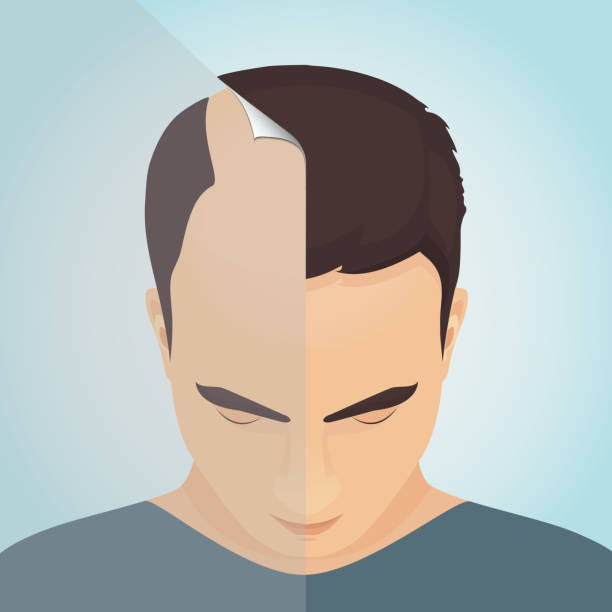
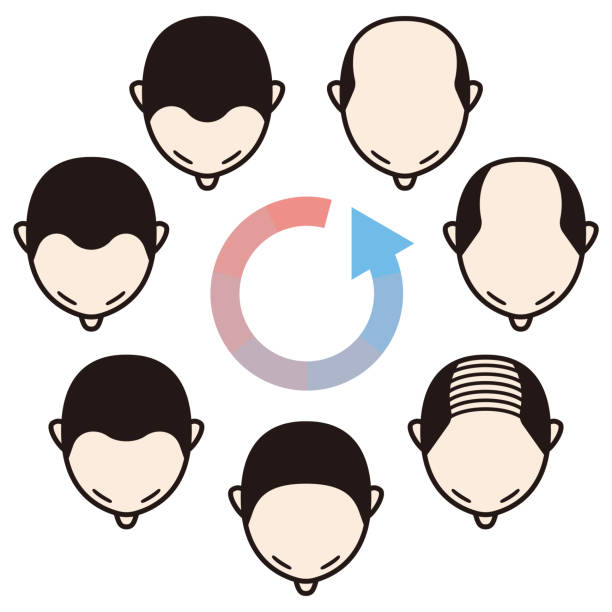
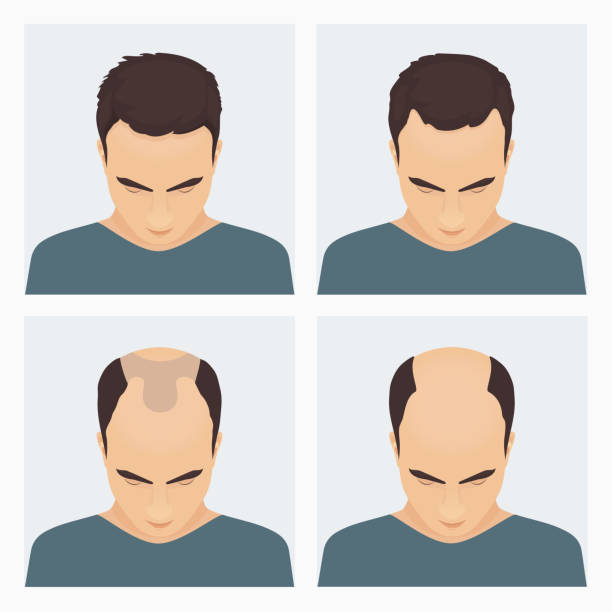
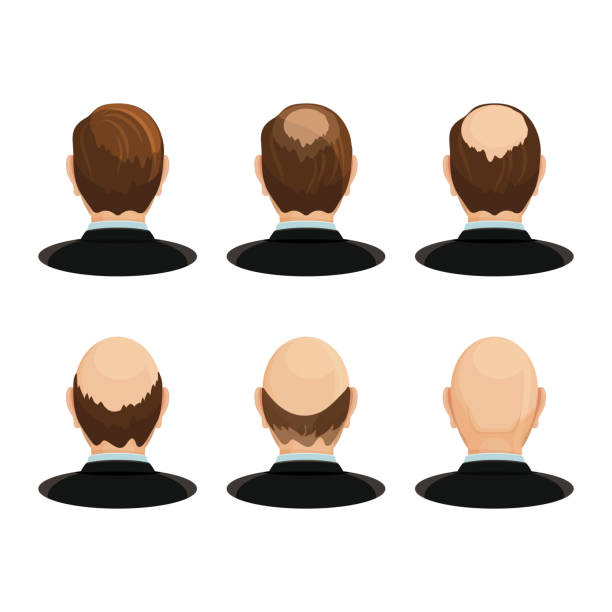
A hair graft calculator helps estimate how many grafts may be needed for a hair transplant. It usually considers hair loss area, hairline recession, frontal thinning, crown thinning, desired density, hair type and treatment goal. But it cannot fully replace a real consultation because it cannot properly evaluate donor area strength, scalp condition or future hair loss risk.
What Is a Hair Graft?
A graft is a natural group of hair follicles. One graft may contain one, two, three or sometimes more hairs. This means 3000 grafts does not mean 3000 hairs. It usually means more hairs than grafts, depending on your natural follicle structure.
Why Online Graft Calculators Are Only Estimates
Online calculators can be helpful, but they are limited. They usually cannot check donor area density, hair thickness, hair direction, scalp condition, future hair loss risk, safe extraction capacity, natural hairline design or whether FUE, DHI or Sapphire FUE is best. That is why a personal consultation gives a more accurate answer.
Estimated Grafts by Area
Small hairline correction may need around 1000 grafts. Hairline and temple restoration may need around 1500 to 2500 grafts. Frontal density improvement may need around 2000 to 3000 grafts. Front and mid-scalp coverage may need around 3000 to 4000 grafts. Larger thinning areas may need 4000 grafts or more, depending on donor area strength. These are only general estimates. Your real number may be different.
Hairline Graft Estimate
The hairline is one of the most important areas because it frames the face. A natural hairline should match face shape, age, forehead proportions, temple shape, hair type, future hair loss risk and donor capacity. A good clinic does not simply lower the hairline aggressively. It designs a natural and balanced result.
Crown Graft Estimate
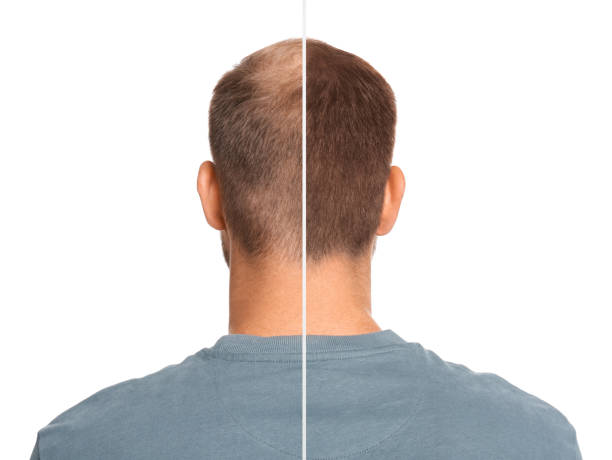
The crown can require many grafts because of its circular growth pattern. A crown graft estimate depends on crown size, hair thickness, donor area strength, desired coverage, future hair loss risk and priority of frontal area. At Turkus Hair Transplant Clinic, the team can explain whether crown treatment is realistic for your case.
Why Donor Area Protection Matters
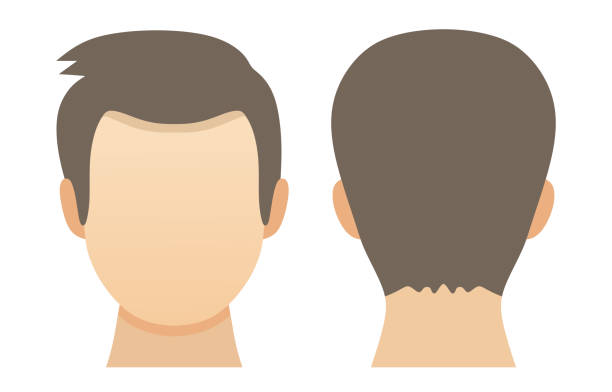
Your donor area is limited. A good graft plan should protect the donor area while improving the most important visible areas. Before recommending a graft number, the clinic should check donor density, hair thickness, safe extraction capacity, future hair loss risk, whether future sessions may be needed and natural donor appearance. This is why the highest graft number is not always the best plan.
FUE, DHI or Sapphire FUE: Does Method Change the Graft Estimate?
The method can affect planning, but the main factors are your donor area and hair loss pattern. FUE may be suitable for many patients. DHI may be useful for selected cases requiring precise placement. Sapphire FUE may be recommended for selected cases with precise channel planning. Turkus Hair Transplant Clinic can explain which method is best for your case during consultation.
How to Get Your Real Graft Number
The easiest way to get your real graft estimate is to book a free consultation at Turkus Hair Transplant Clinic in Spain. During consultation, the team can check your donor area, your hairline, your hair loss stage, your graft needs, your suitable method, your expected density, your total treatment cost and your long-term plan. This gives you a clear personal recommendation.
Frequently Asked Questions
Is a hair graft calculator accurate?
It can give a rough estimate, but the most accurate number comes from consultation.
How many grafts do I need?
It depends on your hair loss level, donor area, hair thickness and treatment goals.
How many grafts for hairline?
Small corrections may need fewer grafts, while larger hairline restoration may need more.
How many grafts for crown?
Crown graft needs depend on crown size and donor capacity.
Is 3000 grafts enough?
For many moderate cases, 3000 grafts can create a strong improvement.
Is 5000 grafts too much?
Not always, but it must be planned carefully and only if the donor area is suitable.
Can I get a graft estimate online?
You may get an initial idea, but a consultation gives the most accurate estimate.
Where can I get my graft number checked?
You can book a free consultation at Turkus Hair Transplant Clinic in Spain.
Final Thoughts
A hair graft calculator can help you understand the possible number of grafts you may need, but it should only be used as a starting point.
The real graft number depends on your donor area, hair loss pattern, hairline design and long-term goals.
If you want an accurate graft estimate, book a free consultation at Turkus Hair Transplant Clinic in Spain. The team can evaluate your donor area, explain whether FUE, DHI or Sapphire FUE is suitable, and create a clear treatment plan for natural-looking results.