Grafts vs hair follicles is one of the most common questions patients ask before a hair transplant. Many people think one graft means one hair, but this is not correct.
The simple answer is: a graft is a natural group of hair follicles. One graft can contain one, two, three or sometimes more hairs.
At Turkus Hair Transplant Clinic in Spain, the team explains graft numbers clearly during consultation so patients understand how many grafts they may need, what coverage is realistic and which method may be suitable.
If you want to understand your real graft number and expected coverage, the best first step is to book a free consultation at Turkus Hair Transplant Clinic.
This guide explains what a graft is, what a hair follicle is, why grafts and hairs are not the same, how graft numbers affect results, why donor area planning matters, and how to get a personal graft estimate.
Quick Insights
- One graft does not always mean one hair.
- A graft can contain multiple hair follicles.
- Hair transplant planning is usually based on grafts.
- Coverage depends on graft number, hair thickness and donor area.
- More grafts do not always mean better results.
- Donor area protection is essential.
- A consultation gives the most accurate graft estimate.
- Turkus Hair Transplant Clinic can explain your graft needs clearly.
What Is a Hair Follicle?
A hair follicle is the structure in the skin that produces hair. Each follicle grows one hair shaft. In hair transplant, follicles are moved from the donor area to thinning or bald areas.
What Is a Graft?
A graft is a natural group of hair follicles taken from the donor area. One graft may contain one hair, two hairs, three hairs or sometimes more hairs. This means 3000 grafts may contain more than 3000 hairs.
Why Grafts and Hairs Are Not the Same
Patients often ask whether 3000 grafts means 3000 hairs. No. For example, if many grafts contain two or three hairs, the total number of hairs can be much higher than the graft number. This is why graft quality and planning matter, not only the number.
Why Hair Transplants Are Measured in Grafts
Clinics usually plan hair transplant by grafts because grafts are the units moved during the procedure. The number of grafts helps estimate coverage, density, procedure size, donor area use, treatment cost and expected result. At Turkus Hair Transplant Clinic, graft planning is personalized for each patient.
Why Graft Quality Matters
Not all grafts are the same. A good result depends on graft survival, hair thickness, number of hairs per graft, correct placement, natural angle, proper direction, donor area quality and aftercare. This is why the treatment plan should be based on your real donor area.
Single-Hair Grafts for Hairline
Single-hair grafts are often used in the front hairline because they create a softer and more natural look. A natural hairline should not look thick or pluggy. It should match face shape, age, forehead proportions, temple shape, hair type and future hair loss risk.
Multi-Hair Grafts for Density
Grafts with two or more hairs may be used behind the hairline to create stronger density. This helps the result look fuller while keeping the front soft and natural.
Why Donor Area Planning Matters
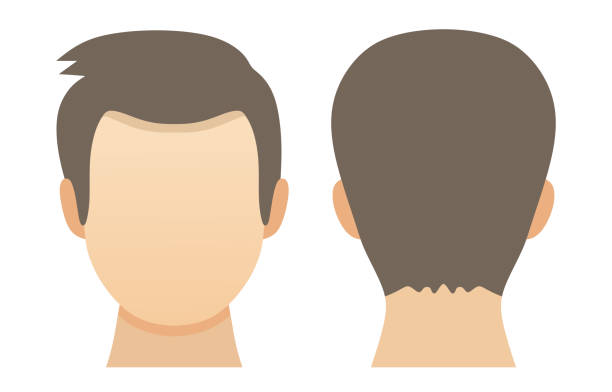
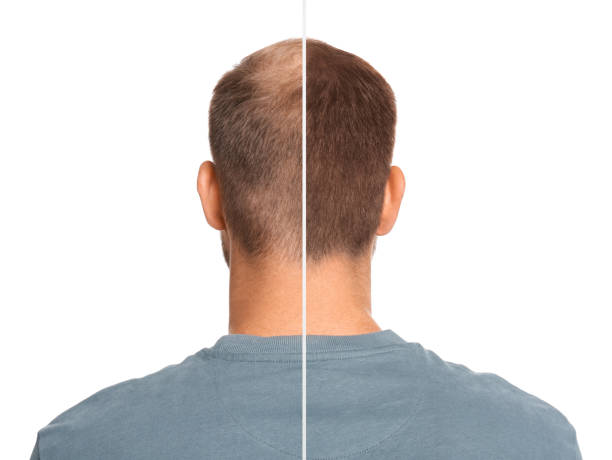
The donor area is limited. A good clinic should check donor density, hair thickness, safe extraction capacity, future hair loss risk, natural donor appearance and long-term options. The goal is to use grafts wisely and protect future possibilities.
How Many Grafts Do You Need?
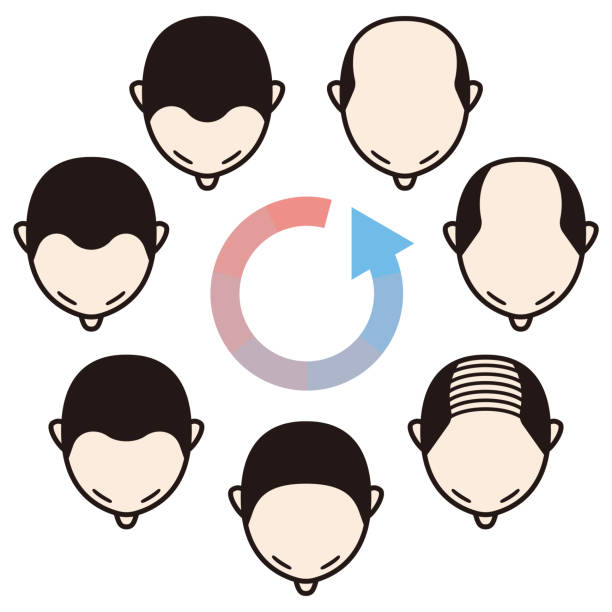
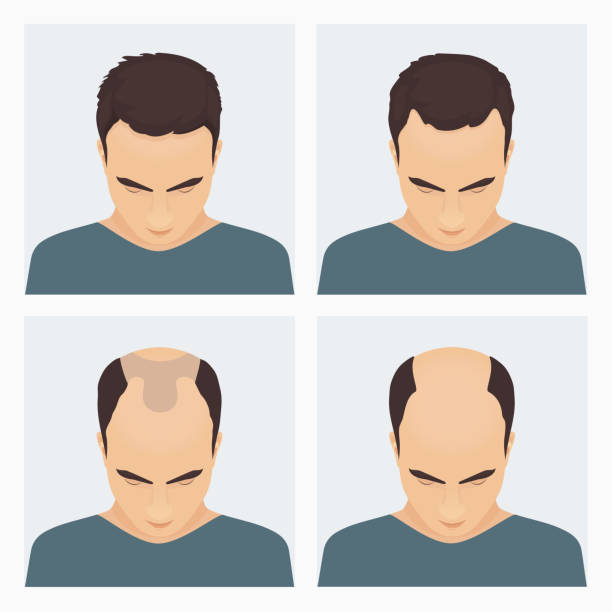
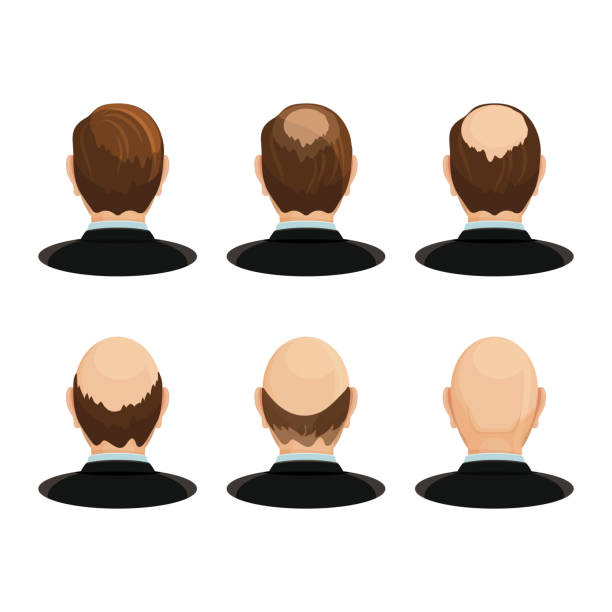
The number of grafts depends on hair loss level, hairline design, frontal thinning, crown size, donor area strength, hair thickness, desired density and future hair loss risk. The most accurate way to know is through consultation.
How Turkus Hair Transplant Clinic Can Help
At Turkus Hair Transplant Clinic in Spain, the team can evaluate your donor area, your hair loss stage, your graft needs, your hairline design, your suitable method, your expected density, your treatment cost and your aftercare plan. This helps create a clear and realistic treatment plan.
Frequently Asked Questions
Is one graft the same as one hair?
No. One graft can contain one, two, three or more hairs.
Does 3000 grafts mean 3000 hairs?
No. 3000 grafts usually means more than 3000 hairs, depending on your follicle structure.
Why do clinics count grafts?
Because grafts are the units moved during hair transplant.
Are more grafts always better?
No. The right graft number and donor area protection matter more.
How do I know how many grafts I need?
You need a consultation to evaluate your donor area and hair loss pattern.
Can Turkus Hair Transplant Clinic estimate my graft number?
Yes. You can book a free consultation for a personal graft estimate.
Final Thoughts
Grafts and hair follicles are related, but they are not the same.
A graft is a natural group of follicles, and one graft can contain more than one hair. This is why hair transplant planning should be based on careful donor area evaluation, not simple guessing.
If you want to know how many grafts you need, book a free consultation at Turkus Hair Transplant Clinic in Spain. The team can evaluate your donor area, explain your graft needs and create a personalized plan for natural-looking results.