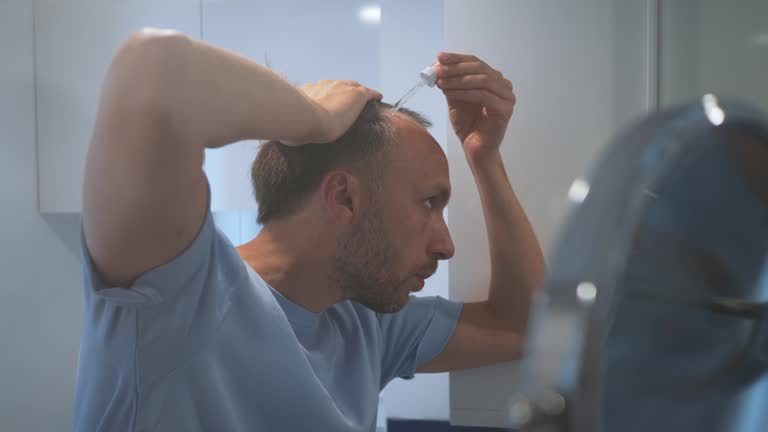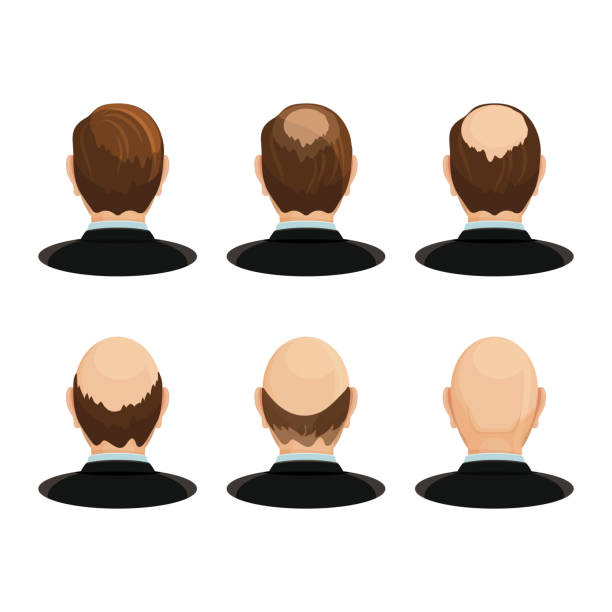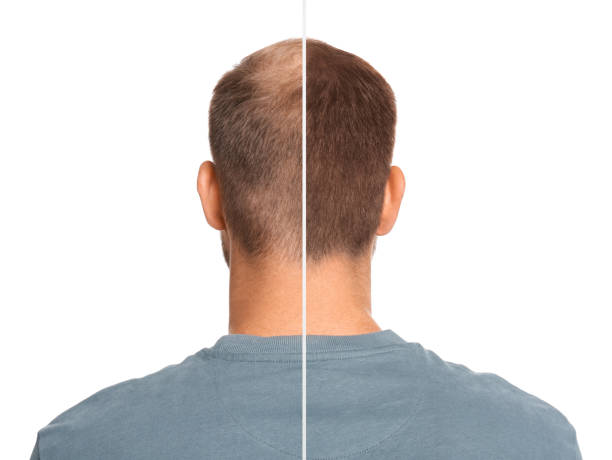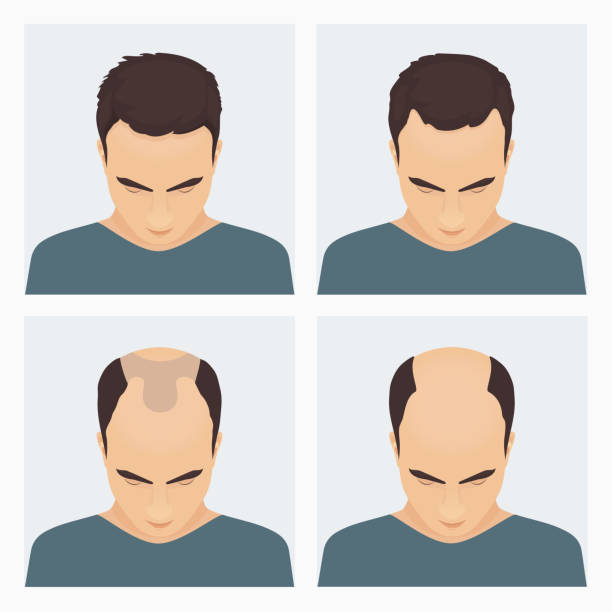
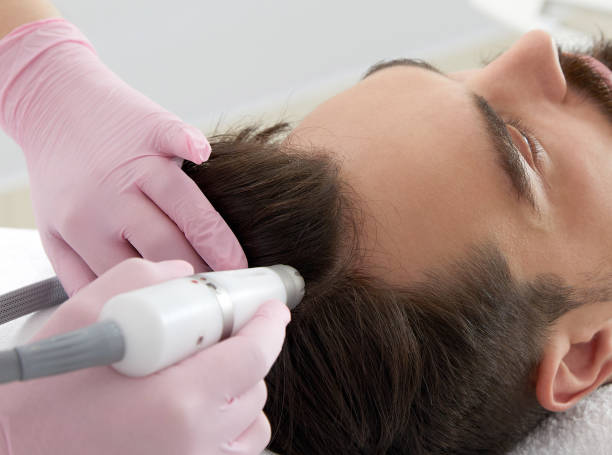
DHI hair transplant in Spain is a popular option for patients who want natural-looking hair restoration with precise graft placement. DHI may be suitable for hairline refinement, frontal density, temple correction and selected cases where careful implantation is important.
At Turkus Hair Transplant Clinic in Spain, DHI hair transplant is planned individually based on the patient's donor area, hair loss pattern, hairline design and long-term goals. The goal is not only to implant hair. The goal is to create a natural result that fits your face, hair type and future hair loss plan.
This guide explains what DHI hair transplant is, who may be suitable for DHI, how DHI is different from FUE, why donor area planning matters, how natural hairline design works, what to expect before and after DHI, and why patients choose Turkus Hair Transplant Clinic in Spain.
Quick Insights
- DHI is a precise hair transplant technique.
- It uses an implanter pen to place grafts.
- DHI may be suitable for hairline, temples and density work.
- It is not automatically better than FUE for every patient.
- The best method depends on donor area, hair loss pattern and goals.
- Natural results depend on planning, angle and direction.
- Aftercare and follow-up are important.
- Turkus Hair Transplant Clinic offers personalized DHI planning in Spain.
What Is DHI Hair Transplant?
DHI stands for Direct Hair Implantation. In DHI hair transplant, grafts are placed into the recipient area using an implanter pen. This allows controlled placement of grafts in terms of angle, direction and depth. DHI may be used for hairline restoration, frontal density, temple correction, small correction areas, implanting between existing hairs and selected density improvement.
Why Choose DHI Hair Transplant in Spain?
Many patients choose DHI hair transplant in Spain because they want treatment close to home with easier consultation, communication and follow-up. Benefits may include face-to-face consultation, local treatment, clear communication, easier aftercare, recovery at home, direct clinic support, no flight stress, personalized planning and long-term follow-up.
Who Is a Good Candidate for DHI?
A good DHI candidate may have sufficient donor hair, realistic expectations, suitable hair loss pattern, healthy scalp condition, need for precise implantation, good donor density, clear treatment goals and understanding of the growth timeline. The best way to know if DHI is suitable is through a consultation.
Is DHI Better Than FUE?
DHI is not automatically better than FUE. Both methods can create natural results when planned correctly. The best choice depends on donor area strength, hair loss pattern, recipient area size, desired density, hairline design, existing hair, graft number needed and patient goals. At Turkus Hair Transplant Clinic, the method is recommended based on your case, not only the technique name.
DHI for Hairline Design
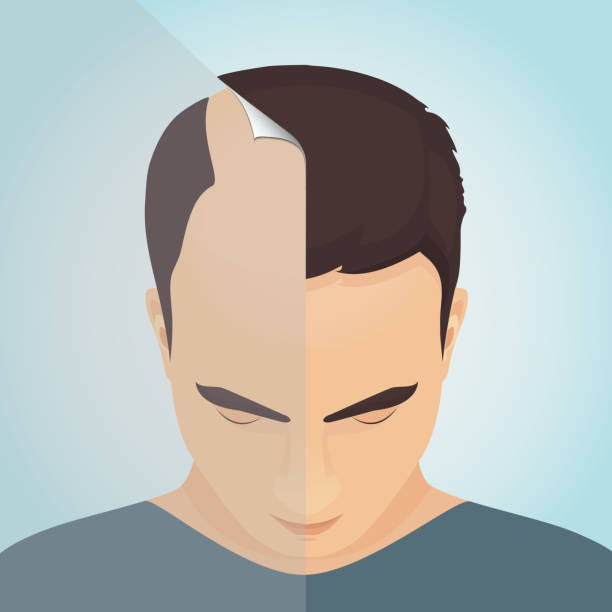
DHI may be useful for selected hairline cases where precise placement is important. A natural hairline should consider face shape, age, forehead proportions, temple shape, hair type, growth direction, future hair loss risk and donor capacity. A good hairline should not look too straight, too low or artificial.
DHI for Frontal Density
DHI may help improve frontal density in suitable patients. This can be useful when the patient wants a stronger front area without creating an unnatural look. The clinic should plan density carefully to protect the donor area and create a balanced result.
DHI for Temple Correction
Temple correction requires careful design. DHI may be suitable for selected temple cases because angle and direction are very important in this area. Temple work should be conservative, soft and natural.
DHI Between Existing Hair
DHI may be considered when grafts need to be placed between existing hairs. This requires careful planning to avoid damaging native hair and to create a natural blend. Not every patient is suitable, so consultation is important.
Donor Area Planning in DHI
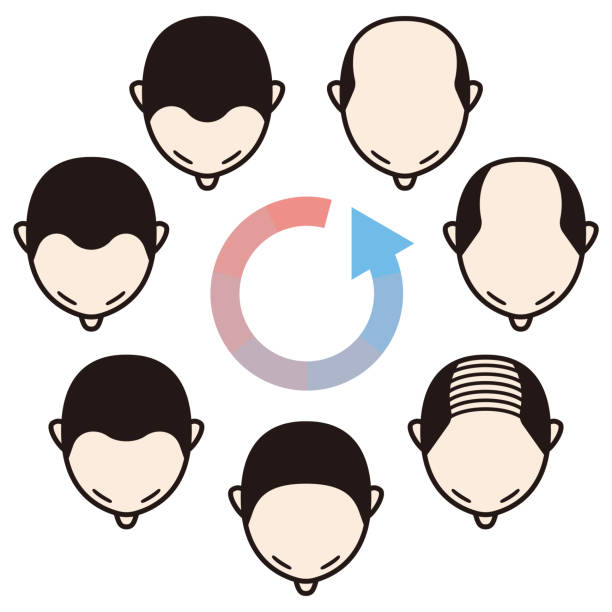
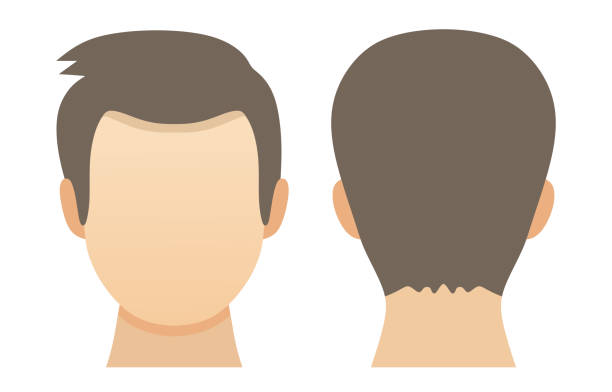
Even with DHI, the donor area is still limited. A good clinic should evaluate how many grafts can be safely taken, whether future sessions may be needed, how to avoid overharvesting, how to keep donor area natural, which areas should be prioritized and what density is realistic. Donor area protection is essential for long-term results.
How Many Grafts Are Needed for DHI?
The number of grafts depends on hair loss level, recipient area size, donor density, hair thickness, hair color, skin contrast, desired coverage and future hair loss risk. A consultation is needed for an accurate graft estimate. More grafts does not always mean a better result. Safe planning matters more.
Is DHI Painful?
DHI is usually performed under local anesthesia. Patients may feel some discomfort during anesthesia, but the treatment area is numbed during the procedure. After surgery, mild soreness, tightness or sensitivity can happen and usually improves with recovery.
What Happens Before DHI Hair Transplant?
Before DHI, the clinic usually evaluates hair loss pattern, donor area, medical history, hairline design, graft needs, suitable method, aftercare instructions and patient expectations. This helps create a personalized treatment plan.
What Happens After DHI Hair Transplant?
After DHI, patients go through a recovery and growth timeline. This may include early healing, mild redness, mild swelling, itching, scab formation, shedding phase, new growth, density improvement and final result maturation. Patients should follow aftercare instructions carefully.
When Do DHI Results Appear?
DHI results develop gradually over time. Shedding can happen before new growth starts. This is a normal part of the process for many patients. Final results require patience because transplanted hair grows and matures over months.
DHI Aftercare
Aftercare is important for healthy recovery. Patients should follow clinic instructions about washing, sleeping, scab care, exercise, sun exposure, hats, hair products, medication, follow-up and when to contact the clinic.
DHI vs Sapphire FUE
DHI and Sapphire FUE are different approaches. DHI uses an implanter pen for graft placement. Sapphire FUE uses sapphire blades for recipient site creation. Both may be useful in selected cases. The best option depends on your hair loss pattern, donor area and goals.
Why Choose Turkus Hair Transplant Clinic for DHI in Spain?
Patients may choose Turkus Hair Transplant Clinic because the clinic focuses on personalized planning and natural-looking results. Turkus Hair Transplant Clinic offers DHI hair transplant in Spain, donor area evaluation, natural hairline design, realistic graft planning, FUE, DHI and Sapphire FUE options, clear aftercare instructions, follow-up support, Spanish and English communication, treatment close to home and patient-focused care.
Questions to Ask Before DHI
Before choosing DHI, ask whether you are a good candidate, how strong your donor area is, how many grafts you need, whether DHI is better for your case than FUE, what hairline design suits you, what density is realistic, how your donor area will be protected, what aftercare is included, when you will see results and whether you can contact the clinic after surgery.
Frequently Asked Questions
Is DHI hair transplant available in Spain?
Yes. DHI hair transplant is available in Spain at Turkus Hair Transplant Clinic.
Is DHI good for hairline restoration?
Yes, DHI may be suitable for selected hairline cases where precise placement is important.
Is DHI better than FUE?
Not always. The best method depends on the patient's donor area, hair loss pattern and goals.
Can DHI improve frontal density?
Yes, DHI may help improve frontal density in suitable patients.
Can DHI be used between existing hair?
Yes, in selected cases. A consultation is needed to decide suitability.
How many grafts do I need for DHI?
The number depends on hair loss level, donor area and desired coverage.
Is DHI painful?
DHI is usually performed under local anesthesia, and discomfort is usually manageable.
When do DHI results appear?
Results develop gradually over months. Final results require patience.
Is DHI suitable for everyone?
No. Suitability depends on donor area, hair loss pattern and treatment goals.
Where can I book DHI consultation in Spain?
You can book a free consultation at Turkus Hair Transplant Clinic in Spain.
Final Thoughts
DHI hair transplant in Spain can be a strong option for patients who want precise graft placement, natural planning and local aftercare.
The most important parts of a successful DHI result are donor area protection, realistic graft planning, natural hairline design and proper follow-up.
If you are considering DHI hair transplant in Spain, book a free consultation at Turkus Hair Transplant Clinic. The team can evaluate your donor area, explain whether DHI, FUE or Sapphire FUE is suitable for you, and create a personalized treatment plan for natural-looking results.