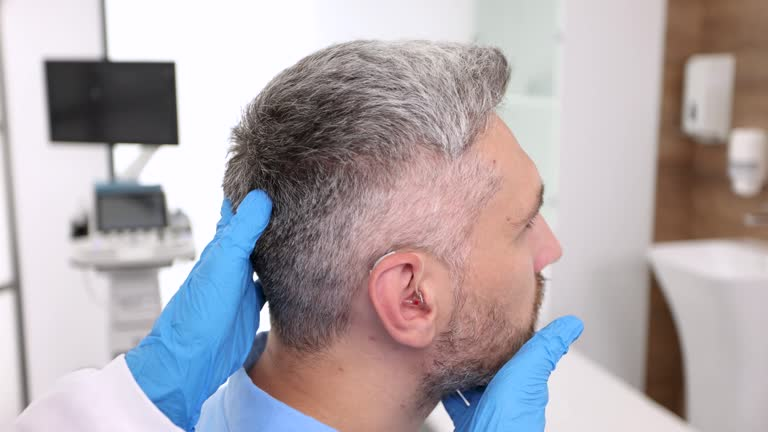
Hair loss reversal is one of the most searched topics for people who notice thinning hair, receding hairline or crown density loss.
The simple answer is: some types of hair loss may improve, but not every type of hair loss can be fully reversed naturally.
The right solution depends on the cause of hair loss, how advanced it is, your donor area, scalp condition and long-term goals.
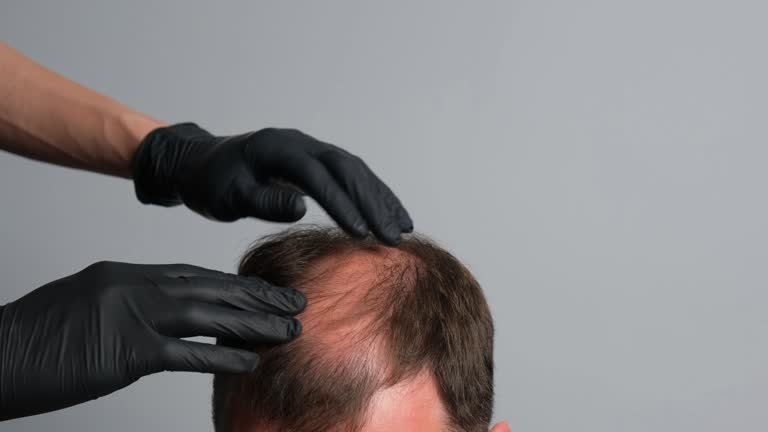
At Turkus Hair Transplant Clinic in Spain, patients can receive a personal consultation to understand whether hair loss treatment, monitoring or hair transplant may be suitable.
If you want to know what is realistic for your hair, the best first step is to book a free consultation at Turkus Hair Transplant Clinic.
This guide explains:
- what hair loss reversal means
- when hair loss may improve
- when hair transplant may be needed
- why diagnosis matters
- which treatment options may help
- how to get a personal plan
Quick Insights
- Some temporary hair loss can improve.
- Genetic hair loss usually needs long-term planning.
- Natural methods may support hair health but may not regrow lost hairline.
- Early evaluation gives better options.
- Hair transplant may be suitable for stable hair loss.
- FUE, DHI or Sapphire FUE may be options depending on the case.
- Turkus Hair Transplant Clinic can help you understand what is realistic.
What Does Hair Loss Reversal Mean?
Hair loss reversal usually means stopping hair fall and improving hair density.
For some patients, this may mean reducing shedding.
For others, it may mean restoring areas where hair has already been lost.
These are different goals, so the treatment plan should be personal.
Can Hair Loss Be Reversed?
Sometimes, yes.
Hair loss may improve if it is related to:
- stress
- poor sleep
- nutrition problems
- temporary shedding
- scalp irritation
- seasonal shedding
- certain lifestyle factors
In these cases, improving the cause may help the hair recover.
When Hair Loss May Not Fully Reverse
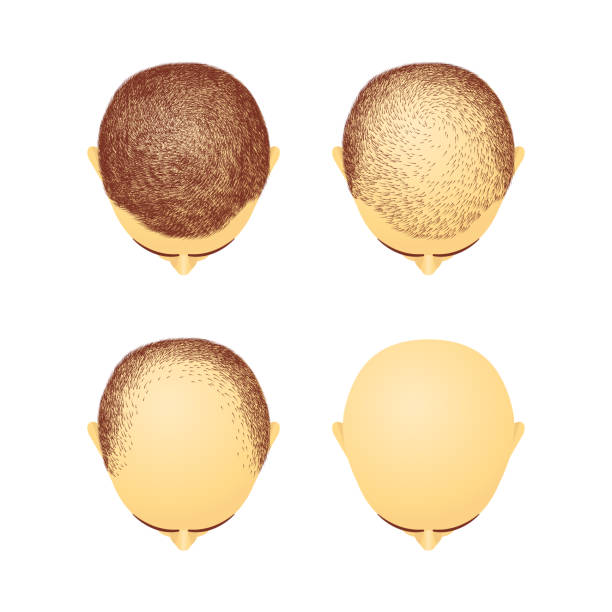
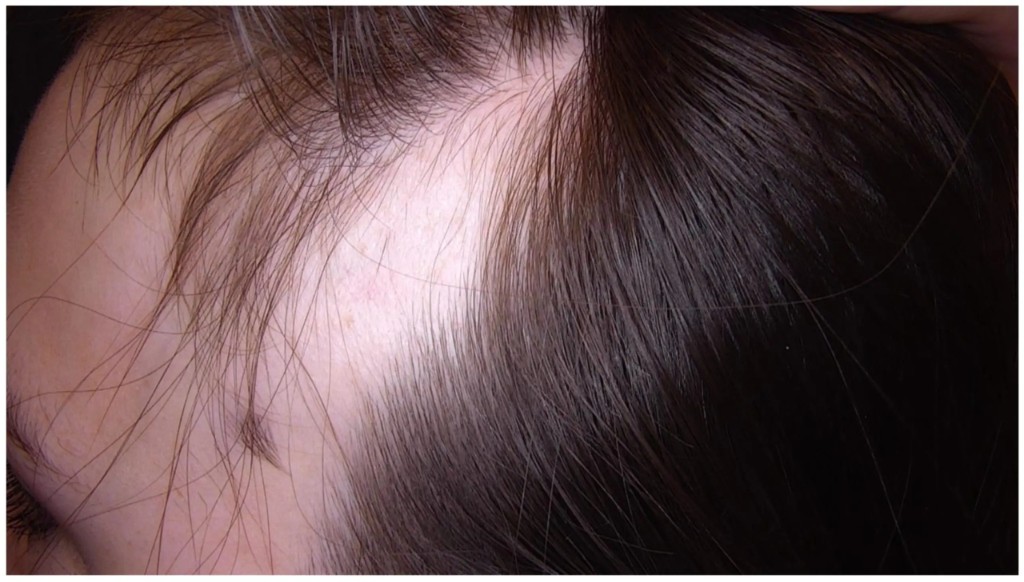
Hair loss may not fully reverse if follicles are no longer active or if the hairline has already receded significantly.
This is common with genetic hair loss.
In these cases, natural methods may support existing hair, but they may not bring back lost hairline density.
A consultation can help you understand whether treatment or hair transplant is more suitable.
Natural Ways to Support Hair Growth
Natural support may include:
- balanced nutrition
- better sleep
- stress management
- gentle hair care
- avoiding harsh styling
- scalp care
- hydration
- checking vitamin and mineral levels
These steps can support healthier hair, especially if shedding is temporary.
When to Consider Professional Treatment
You should consider professional evaluation if you notice:
- receding hairline
- temple thinning
- crown thinning
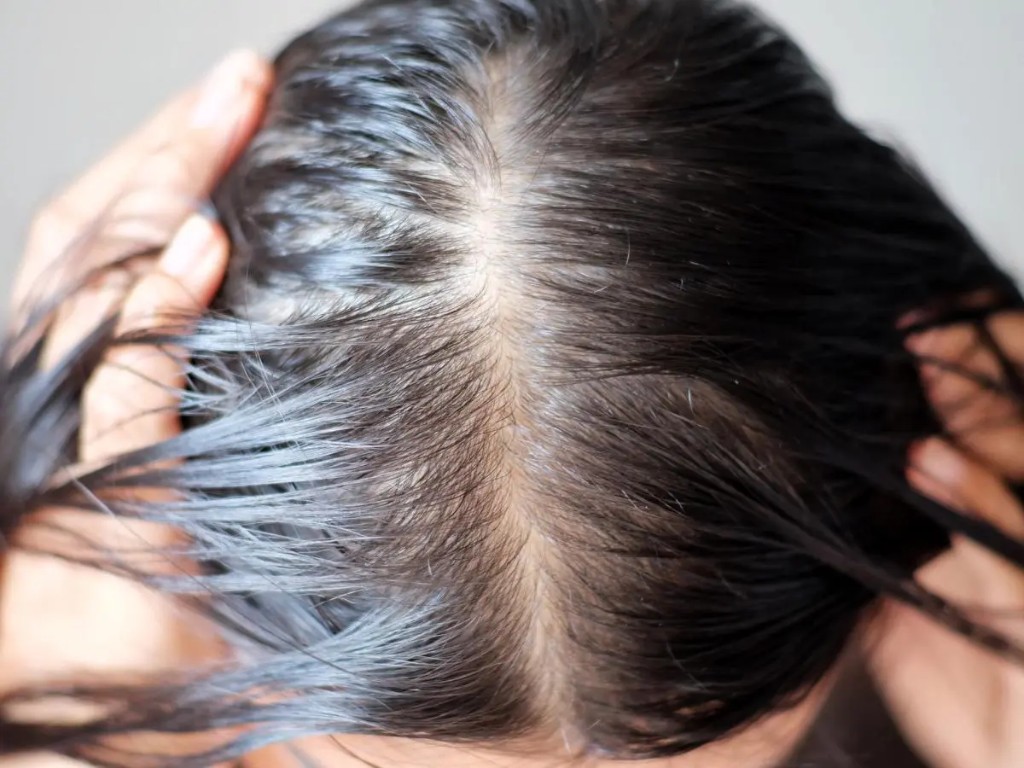
- widening part
- ongoing shedding
- visible density loss
- family history of hair loss
Early planning can help protect existing hair and create a better long-term strategy.
Can Hair Transplant Reverse Hair Loss?
Hair transplant does not stop future hair loss, but it can restore density in areas where hair has been lost.
It may be suitable for patients with:
- stable hair loss
- good donor area
- receding hairline
- frontal thinning
- temple recession
- crown thinning
- realistic expectations
At Turkus Hair Transplant Clinic, the team can check whether FUE, DHI or Sapphire FUE is suitable for your case.
Why Diagnosis Matters
Hair loss should not be treated by guessing.
A personal evaluation helps understand:
- hair loss type
- scalp condition
- donor area strength
- future hair loss risk
- possible treatment options
- whether transplant is needed
- what result is realistic
This helps create a clear plan instead of trying random solutions.
How Turkus Hair Transplant Clinic Can Help
At Turkus Hair Transplant Clinic in Spain, the team can evaluate:
- your hair loss pattern
- your hairline
- your crown area
- your donor area
- your scalp condition
- your graft needs
- your suitable method
- your expected result
This gives you a personal recommendation based on your real situation.
Frequently Asked Questions
Can hair loss be reversed naturally?
Some temporary hair loss may improve naturally, especially if the cause is stress, nutrition or lifestyle related.
Can genetic hair loss be reversed?
Genetic hair loss usually needs long-term planning. Lost hairline density may not fully return naturally.
Can hair transplant reverse baldness?
Hair transplant can restore hair in selected areas, but it does not stop future hair loss.
When should I get checked?
If hair loss continues, the hairline recedes or crown thinning becomes visible, it is better to get evaluated early.
Which method is best?
FUE, DHI or Sapphire FUE may be suitable depending on your donor area and hair loss pattern.
Can Turkus Hair Transplant Clinic help?
Yes. Turkus Hair Transplant Clinic can evaluate your hair loss and create a personal treatment plan.
Final Thoughts
Hair loss reversal can be fact or fiction depending on the cause.
Temporary shedding may improve with the right support, but advanced or genetic hair loss often needs professional planning.
If you want to know what is realistic for your hair, book a free consultation at Turkus Hair Transplant Clinic in Spain. The team can evaluate your hair loss pattern, explain your options and create a personalized plan for natural-looking results.