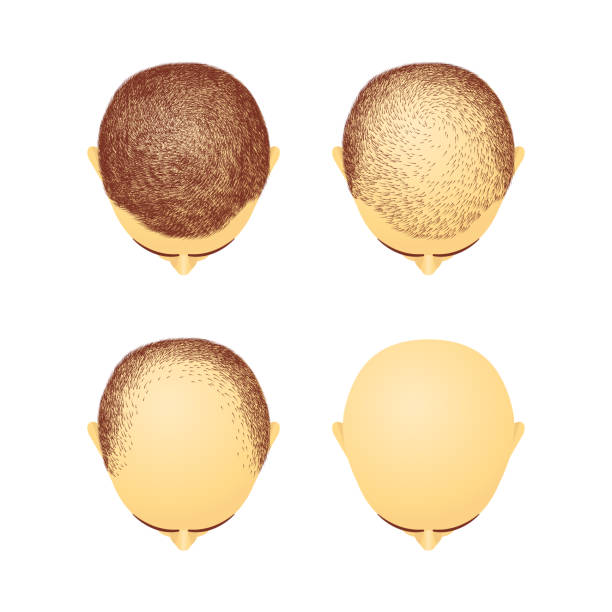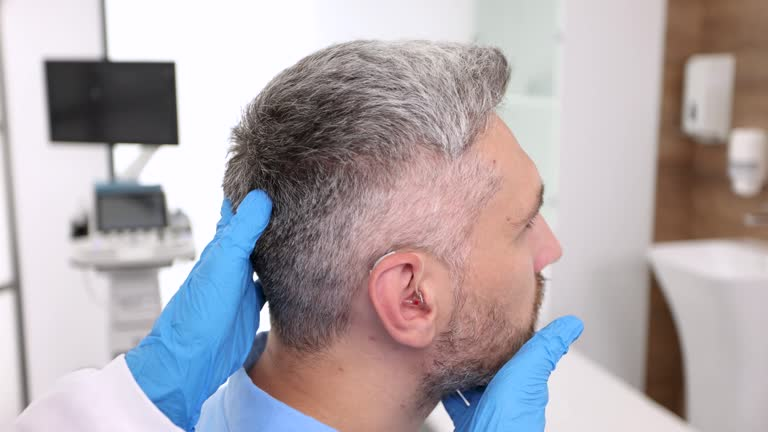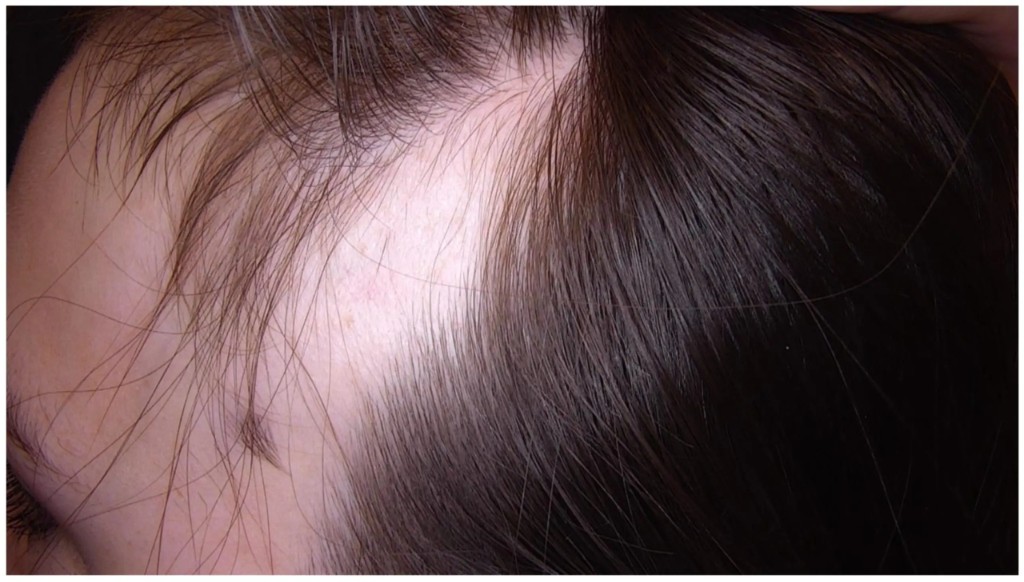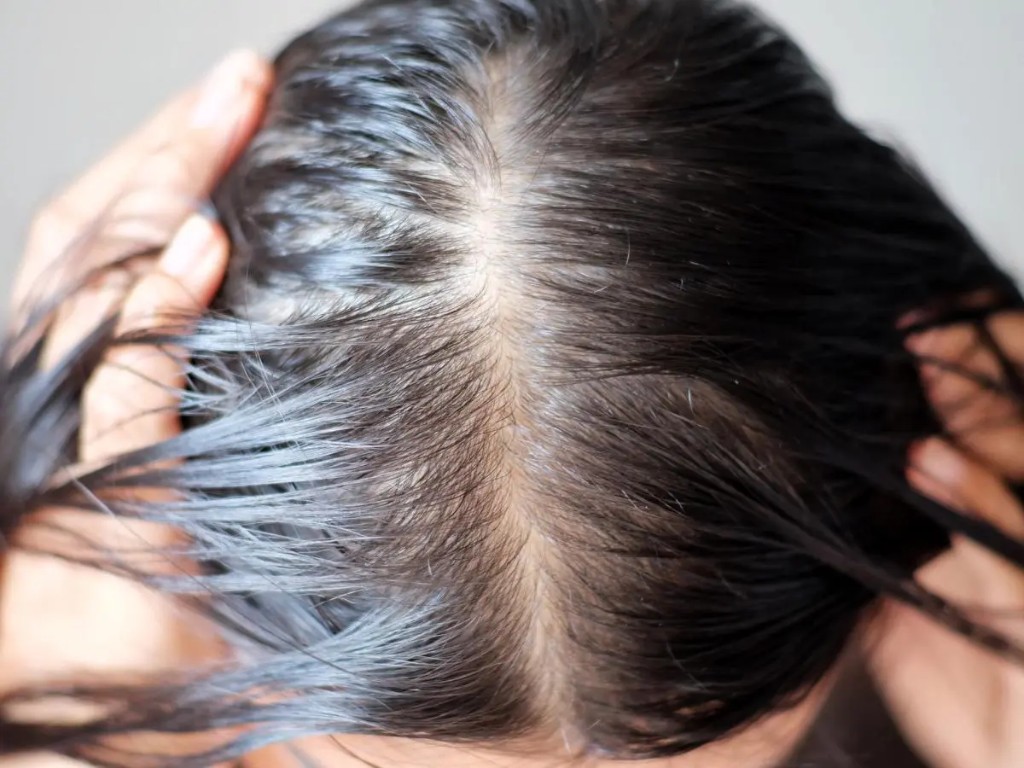
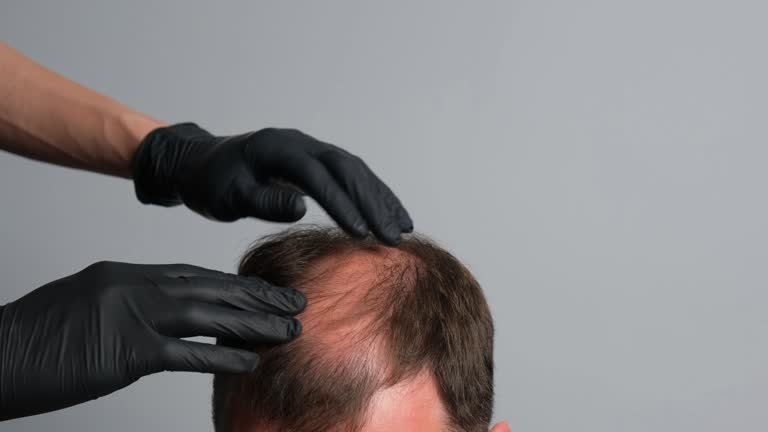
Preventing hair loss starts with understanding why shedding happens and what you can do every day to protect your hair and scalp.
Not all hair loss can be stopped, but many people can slow shedding, support existing density and plan earlier when they know the warning signs.
The important thing is simple: prevention depends on the cause of hair loss, your scalp condition, lifestyle, family history and long-term goals.
At Turkus Hair Transplant Clinic in Spain, patients can receive a personal consultation to learn which daily habits, treatments or transplant planning may be suitable.
If you want to protect your hair before thinning gets worse, the best first step is to book a free consultation at Turkus Hair Transplant Clinic.
This guide explains common causes, daily care habits, lifestyle support, early warning signs, treatment options that may help prevent progression, and when to seek professional advice.
Quick Insights
- Hair loss prevention is not the same for everyone.
- Genetics, stress, hormones, nutrition and scalp health all matter.
- Gentle daily care can protect fragile hair and scalp comfort.
- Early evaluation gives more options than waiting too long.
- Some shedding is temporary and may improve with better habits.
- Medical or clinic-supported treatment may help selected cases.
- Hair transplant may be suitable when loss is stable and donor area is strong.
- Turkus Hair Transplant Clinic can help you build a personal prevention plan.
Can Hair Loss Be Prevented?
Sometimes, yes. Temporary shedding linked to stress, poor sleep, illness or nutrition may improve when the cause is corrected.
Genetic hair loss usually cannot be fully prevented, but it can often be managed with long-term planning, scalp care and suitable treatment.
The goal of prevention is to protect existing hair, reduce unnecessary damage and act early when thinning starts.
Common Causes of Hair Loss
Hair loss may be linked to:
- genetics
- hormonal changes
- stress
- poor sleep
- low iron or vitamin levels
- thyroid problems
- scalp inflammation
- tight hairstyles or traction
- harsh chemicals or heat styling
- certain medications
- aging
Because causes differ, the best prevention plan should be personal, not copied from generic advice online.
Daily Hair Care Routine
A gentle daily routine may help protect hair and scalp health:
- wash with a mild shampoo suited to your scalp
- avoid very hot water on the scalp
- massage gently, do not scratch
- pat hair dry instead of rubbing aggressively
- use a wide-tooth comb on wet hair
- avoid tight ponytails or constant tension
- limit heat styling when possible
- choose products that do not irritate your scalp
Consistency matters more than using many different products at once.
Scalp Health and Washing Habits
Healthy scalp skin supports healthier hair growth.
If your scalp feels oily, dry, itchy or irritated, choose care that matches your skin type.
Helpful habits may include:
- washing often enough for your scalp type, not too rarely or too often
- rinsing products fully from the scalp
- avoiding heavy buildup from waxes or oils if they irritate you
- protecting the scalp from strong sun when needed
- not picking or scratching flaky areas
If scalp symptoms continue, a professional evaluation is better than guessing.
Nutrition and Lifestyle
Lifestyle support may include:
- balanced meals with enough protein
- iron-rich foods if levels are low
- good hydration
- regular sleep
- stress management
- moderate exercise
- avoiding smoking where possible
- checking vitamin levels if shedding is unexplained
Nutrition alone may not stop genetic hair loss, but poor lifestyle habits can make shedding worse.
Early Warning Signs
You should consider professional advice if you notice:
- more hair on the pillow or in the shower
- receding hairline
- temple thinning
- crown thinning
- widening part
- visible scalp where density used to be stronger
- ongoing shedding for months
- family history of progressive hair loss
Earlier planning often means better long-term options.
Treatments That May Help Prevent Progression
Depending on the diagnosis, helpful options may include:
- lifestyle and nutrition support
- scalp care guidance
- medical treatment advice when suitable
- PRP support in selected cases
- density monitoring over time
- hair transplant planning for stable loss
- aftercare and follow-up
The best option is the one that matches your cause, not the trendiest product online.
When Is Hair Transplant Part of the Plan?
Hair transplant may be suitable if you have:
- stable hair loss
- good donor area
- clear thinning areas
- realistic expectations
- a long-term plan for future hair loss
A consultation is needed to decide whether FUE, DHI or Sapphire FUE is appropriate.
What to Avoid
These habits may worsen hair loss or scalp irritation:
- tight hairstyles every day
- aggressive brushing on wet hair
- frequent bleaching or harsh chemical treatments
- using random products without understanding your scalp
- ignoring ongoing shedding for months
- pulling or picking at the scalp
- very high heat on weak hair
Gentle care and early evaluation are usually smarter than extreme home experiments.
How Turkus Hair Transplant Clinic Can Help
At Turkus Hair Transplant Clinic in Spain, the team can evaluate:
- your hair loss pattern
- your scalp condition
- your donor area
- your lifestyle and history
- possible preventive options
- whether monitoring is enough
- whether transplant planning is suitable
- your expected result
This helps you build a clear plan instead of trying random solutions.
Frequently Asked Questions
Can hair loss be prevented naturally?
Some temporary shedding may improve with better sleep, nutrition, stress control and gentle scalp care.
What is the best daily routine for hair loss prevention?
A mild washing routine, gentle handling, scalp-friendly products and consistent lifestyle habits are a good base.
Do vitamins prevent hair loss?
Vitamins may help if there is a deficiency, but they usually do not stop genetic hair loss on their own.
When should I see a clinic?
If shedding continues, your hairline changes or crown thinning becomes visible, early evaluation is worthwhile.
Can hair transplant prevent future hair loss?
Hair transplant restores density in selected areas but does not stop future hair loss. Long-term planning still matters.
Which method is best?
FUE, DHI or Sapphire FUE may be suitable depending on your donor area and goals.
Can Turkus Hair Transplant Clinic help with prevention?
Yes. Turkus Hair Transplant Clinic can evaluate your hair, explain realistic options and create a personal plan.
Final Thoughts
Preventing hair loss is about understanding the cause, protecting scalp health and acting before thinning becomes advanced.
Daily care and lifestyle habits can support many people, but genetic or progressive hair loss often needs professional planning too.
If you want a personal prevention plan, book a free consultation at Turkus Hair Transplant Clinic in Spain. The team can evaluate your hair loss pattern, explain your options and guide you toward natural-looking long-term results.