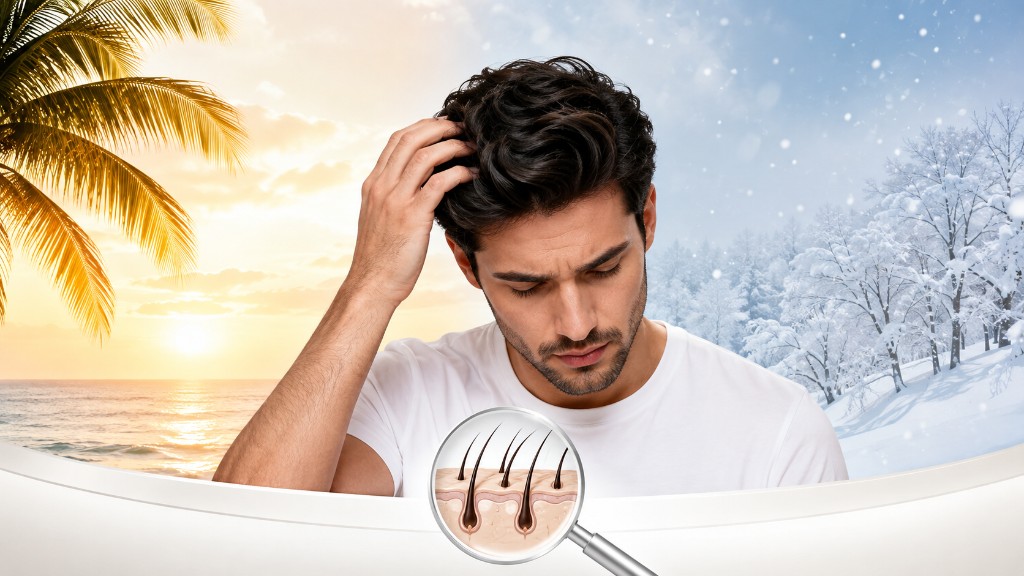
If you have ever noticed more hair in your shower drain during autumn, you are not alone. Many people experience an increase in seasonal hair loss during certain times of the year, particularly in late summer and fall. This often leads to understandable concern. Is the shedding normal? Is it temporary? Or could it be the beginning of something more serious?
The reassuring news is that increased seasonal hair shedding is a real phenomenon observed in scientific studies. Researchers have documented seasonal fluctuations in the hair growth cycle, with some studies finding higher numbers of hairs entering the resting phase during summer before shedding increases in autumn.
That said, not every case of increased shedding is truly seasonal. This distinction matters.
Many people assume they are experiencing autumn hair loss when the real cause may be androgenetic alopecia, iron deficiency, thyroid disease, or chronic telogen effluvium. Understanding the difference can help prevent delayed diagnosis and unnecessary anxiety.
According to research published in PubMed, seasonal changes in hair growth and shedding appear to occur naturally in humans, although scientists continue investigating the exact biological reasons. Sunlight exposure, hormonal rhythms, and evolutionary adaptations may all play a role.
Specialists at Turkus Hair Transplant Clinic, Spain note: "One of the most common mistakes we see is assuming every increase in shedding is either completely normal or automatically a sign of permanent hair loss. The truth is usually somewhere in between."
At Turkus Hair Transplant Clinic in Spain, many patients seek consultations after noticing sudden increases in hair fall during autumn. Some are experiencing temporary seasonal hair thinning. Others discover an underlying condition that requires treatment.
This guide explains what current research says about seasonal hair loss, why shedding often increases during certain months, how long it typically lasts, how to distinguish it from pattern baldness, and when it may be time to seek professional evaluation.
Quick Insights
- Seasonal hair loss is a real phenomenon supported by scientific research.
- Increased shedding most commonly occurs during late summer and autumn.
- Most cases are temporary and improve within several weeks or months.
- Seasonal shedding differs from androgenetic alopecia, which causes progressive follicle miniaturization and long-term thinning.
- Persistent shedding, hairline recession, or worsening density should be evaluated by a qualified hair restoration specialist.
What Is Seasonal Hair Loss?
Many people become alarmed when they notice increased shedding during certain months of the year. Temporary fluctuations in hair shedding can be completely normal.
This phenomenon is commonly called seasonal hair loss or seasonal hair shedding. It describes a temporary increase in hair fall that tends to occur during specific times of the year, most often in late summer and autumn.
Unlike permanent hair loss conditions, seasonal shedding is usually short-lived and does not typically lead to lasting baldness.
Understanding seasonal shedding
Hair does not grow continuously. Every follicle follows a repeating cycle of growth, transition, rest, and shedding. At any moment, thousands of follicles are in different stages.
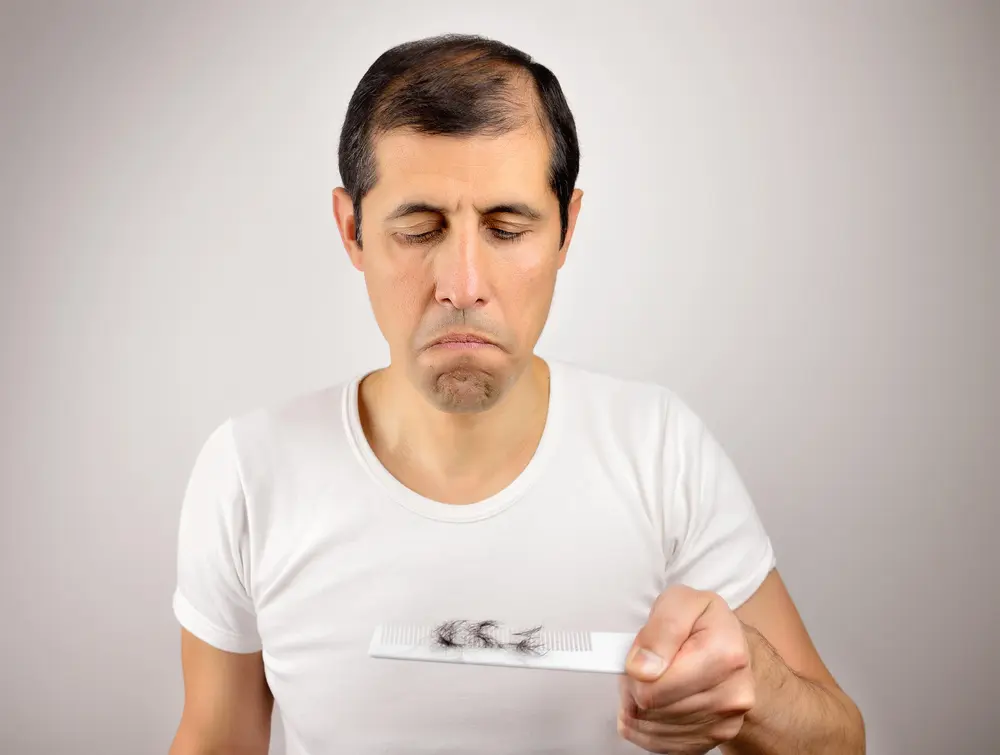
Most healthy individuals lose approximately 50 to 100 hairs per day. During periods of seasonal hair shedding, that number may temporarily increase.
- More hairs in the shower
- Increased shedding while brushing
- Hair on pillows or clothing
- Slightly reduced overall density
The Hair Growth Cycle
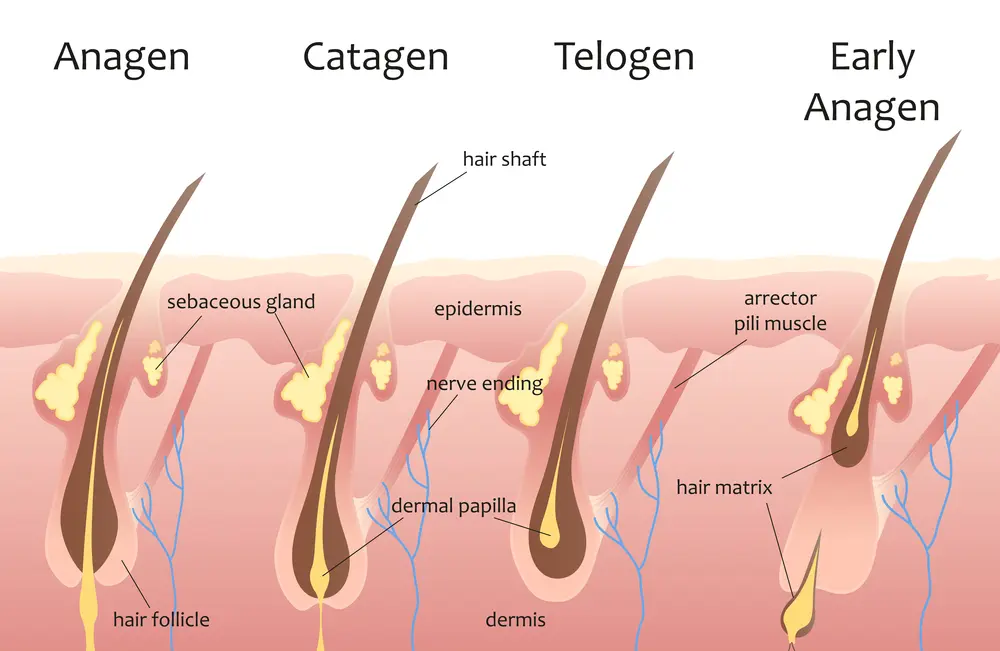
The four main phases include anagen (growth), catagen (transition), telogen (resting), and exogen (shedding). Most scalp hairs remain in the growth phase for several years before entering the resting and shedding stages.
Research published in PubMed has demonstrated seasonal variations in these phases, particularly involving the proportion of hairs entering the telogen stage.
Why shedding increases during certain months
Scientists believe seasonal shedding may occur when larger numbers of hairs enter the resting phase simultaneously. Several studies observed increased telogen activity during summer, followed by increased shedding during autumn.
This pattern helps explain why many people experience hair loss in autumn even though the biological changes may have started months earlier.
Specialists at Turkus Hair Transplant Clinic, Spain note: "Seasonal shedding is usually a reflection of the natural hair cycle rather than damage to the follicles themselves. The key question is whether the shedding eventually slows and normal growth resumes."
Is Seasonal Hair Loss Real?

Several PubMed studies identified fluctuations in the percentage of hairs entering different growth stages throughout the year. One frequently cited study observed higher numbers of hairs entering the telogen phase during summer, with increased shedding following weeks later in autumn.
Another study examining healthy women found elevated telogen percentages during summer and greater shedding in early fall. These findings support the idea that autumn hair loss is not simply a myth.
Why autumn shedding is most common
- Daylight exposure
- Hormonal fluctuations
- Environmental changes
- Circadian rhythm adjustments
The exact mechanism remains unclear. What appears more consistent is the timing: many studies report shedding peaks between late summer and autumn across different populations.
Not every autumn shed is seasonal
Many patients assume all fall shedding is normal. That assumption can be risky. Increased shedding may sometimes reflect androgenetic alopecia, iron deficiency, thyroid disease, chronic telogen effluvium, or hormonal changes.
A seasonal pattern does not automatically rule out an underlying condition.
Why Does Hair Shedding Increase in Autumn?
Although scientists do not yet have all the answers, several theories help explain why hair loss in autumn occurs more frequently than during other seasons.
Summer telogen accumulation theory
This is currently one of the most widely accepted explanations. Research suggests a greater percentage of scalp hairs may enter the telogen phase during summer. Follicles typically remain resting for several weeks before the hair is released, so many of those hairs are shed during late summer and autumn.
Sunlight, evolution and lifestyle
Changing daylight may influence follicle cycling. Some scientists also propose that humans may retain remnants of seasonal hair-growth patterns. Environmental factors such as UV exposure, diet changes, travel stress, and dehydration may amplify temporary shedding.
Specialists at Turkus Hair Transplant Clinic, Spain note: "Many patients focus only on the season itself. In reality, summer sun exposure, stress levels, nutrition, and overall health may all contribute to the shedding pattern we see in autumn."
What Does Seasonal Hair Loss Look Like?
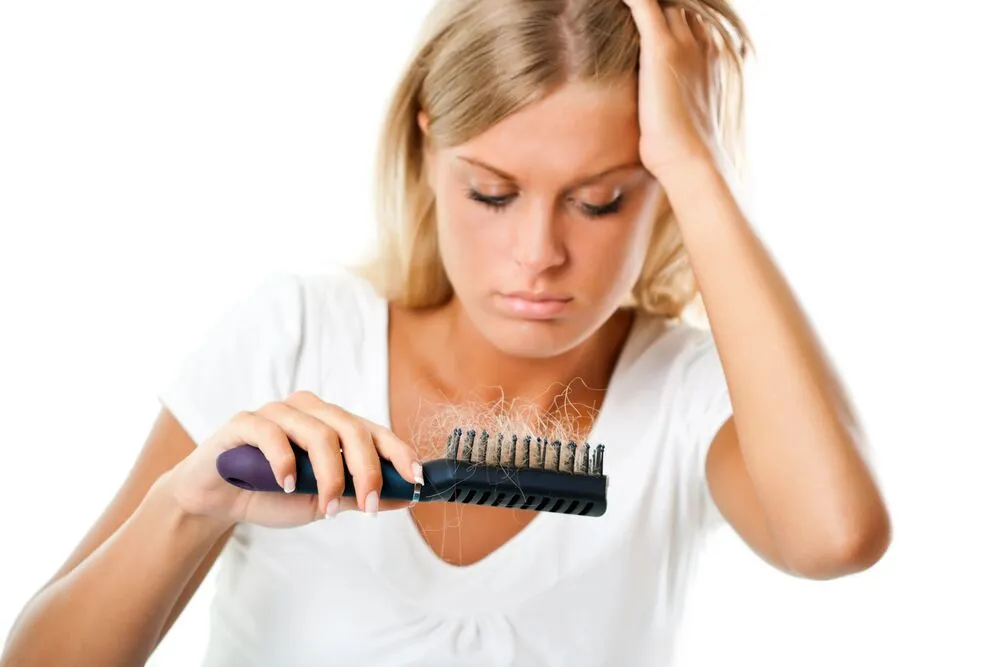
One of the defining characteristics of seasonal shedding is that it tends to occur evenly across the scalp rather than in one specific area. You may notice shedding from the top, sides, back, and crown.
This pattern differs from many forms of androgenetic alopecia, where thinning often concentrates around the temples or crown.
- Hair accumulating in the shower drain
- Increased shedding while brushing
- More strands on pillows
- Hair appearing on clothing
- Mild temporary reduction in density
Why the hairline usually stays intact
With seasonal hair thinning, the frontal hairline generally remains stable. You typically do not see progressive temple recession, new bald patches, significant crown expansion, or rapid pattern changes. Those findings may suggest another diagnosis.
Specialists at Turkus Hair Transplant Clinic, Spain note: "The pattern matters as much as the amount. Diffuse shedding with a stable hairline often points toward temporary shedding, whereas progressive recession raises different questions."
How Long Does Seasonal Hair Loss Last?
True seasonal hair shedding is usually temporary. Most episodes last several weeks rather than several months. Many individuals notice increased shedding for approximately six to eight weeks, occasionally up to twelve weeks.
New hairs often begin developing before older hairs are completely released. Visible regrowth may take months and can appear as fine new hairs, improved density, reduced scalp visibility, and less daily shedding.
When symptoms become concerning
- Shedding continues beyond three months
- Density continues decreasing
- Hairline recession develops
- Crown thinning becomes noticeable
- Bald patches appear
These findings may suggest androgenetic alopecia, chronic telogen effluvium, thyroid disorders, or nutritional deficiencies rather than temporary seasonal changes.
Specialists at Turkus Hair Transplant Clinic, Spain note: "The key difference is recovery. Seasonal shedding typically improves on its own. Persistent progression deserves further investigation."
Seasonal Hair Loss vs Androgenetic Alopecia
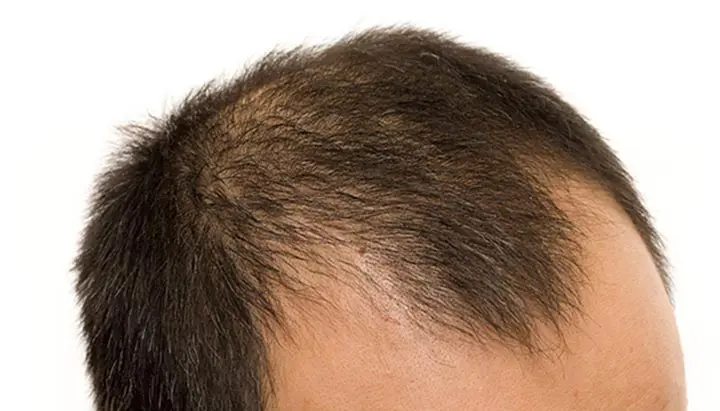
Seasonal shedding is typically temporary. Androgenetic alopecia is progressive. With seasonal shedding, follicles continue functioning normally. With pattern hair loss, follicles gradually shrink through miniaturization.
Hairline changes and miniaturization
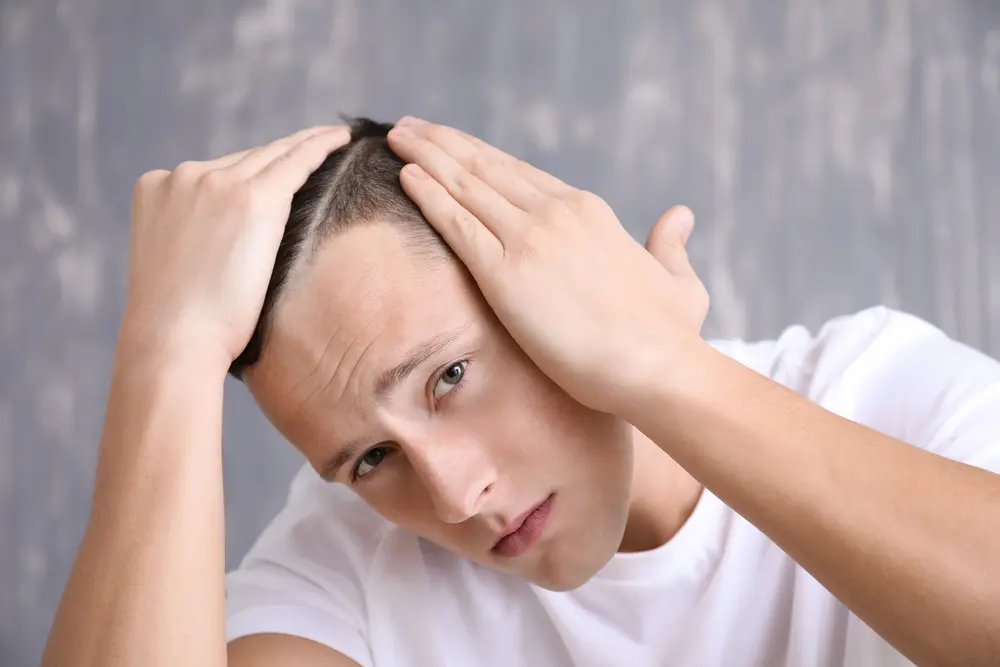
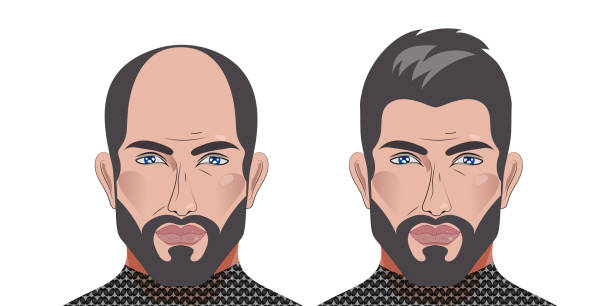
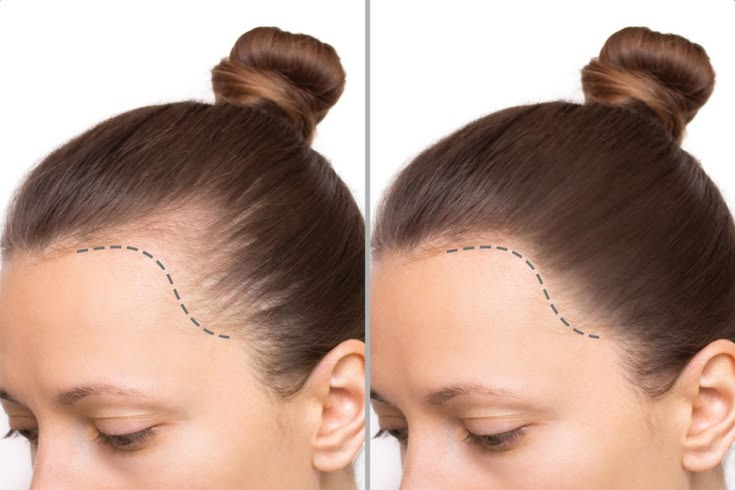
In most seasonal cases the hairline remains stable. Male pattern baldness often produces receding temples, an M-shaped hairline, and crown thinning. Female pattern hair loss often appears as a widening part line.
Miniaturization, thinner and shorter hairs over time, is a hallmark of androgenetic alopecia and is not typical of seasonal shedding. A person can experience both conditions at once, which is why relying solely on the season can be misleading.
Seasonal Hair Loss vs Telogen Effluvium
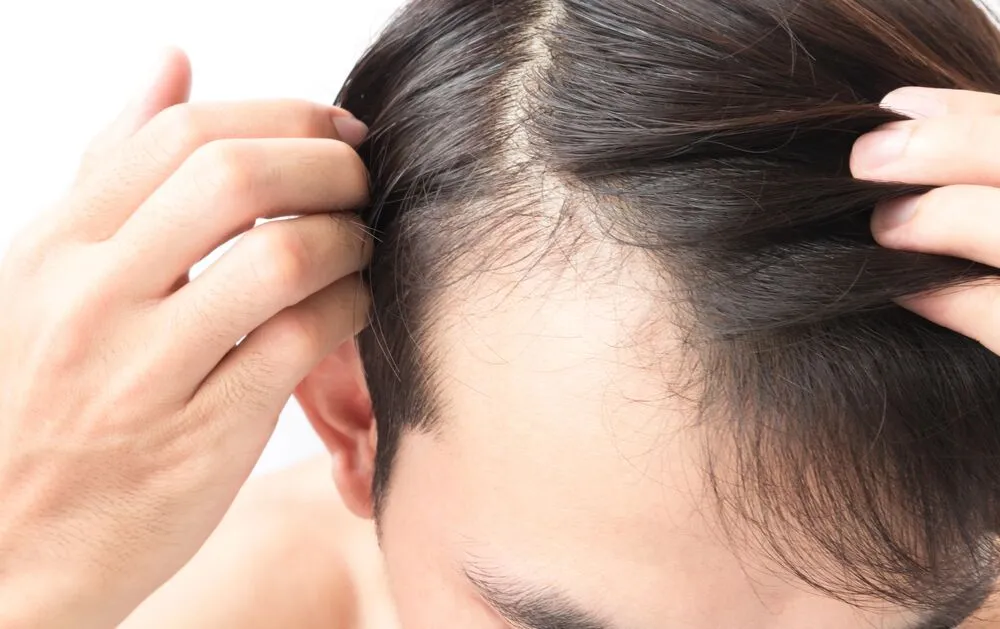
Both involve increased shedding and can appear suddenly as diffuse hair loss. With seasonal shedding, the trigger appears linked to natural fluctuations in the hair cycle. With telogen effluvium, the trigger is usually a significant event such as illness, surgery, rapid weight loss, high fever, childbirth, severe stress, or nutritional deficiencies.
Telogen effluvium often begins two to three months after the triggering event. Recovery depends on addressing that trigger. Diagnosis matters because a temporary seasonal shed may require patience, while chronic telogen effluvium may require investigation.
Specialists at Turkus Hair Transplant Clinic, Spain note: "Whenever a patient reports increased shedding, we look beyond the calendar. The timing is important, but recent health events often provide the most valuable clues."
Can Seasonal Hair Loss Affect Women and Men Differently?
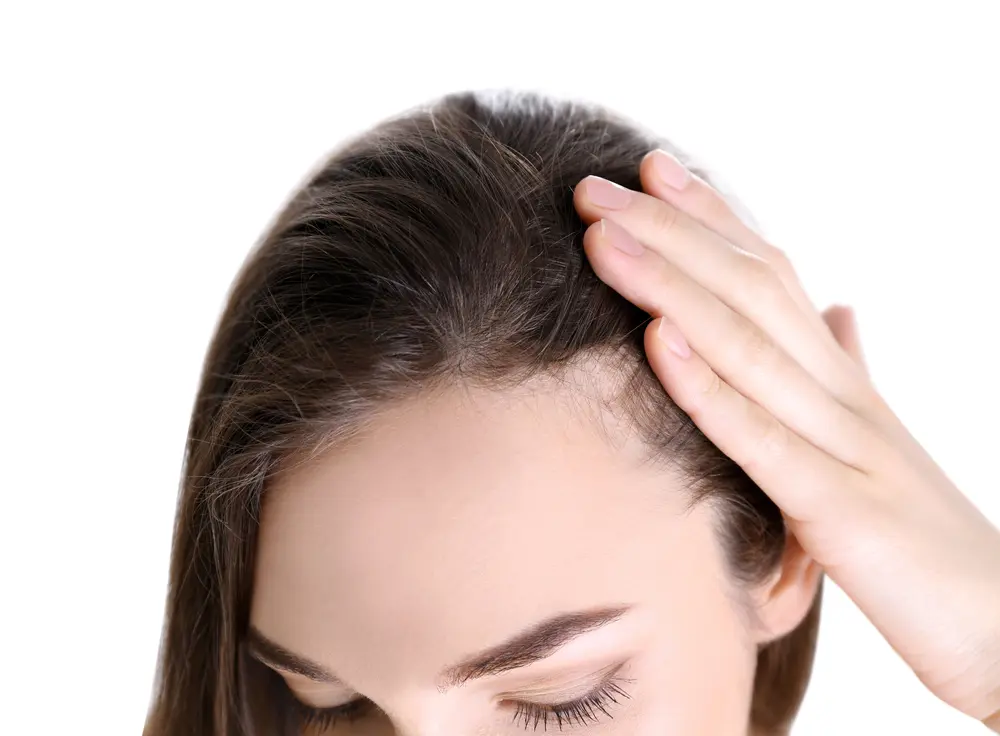
Both men and women can experience seasonal hair loss, but perception and overlapping conditions differ. Women commonly report more hair in the shower, smaller ponytail volume, and greater scalp visibility. Female pattern hair loss can be mistaken for seasonal shedding when the part line widens or shedding continues beyond several months.
Men experience seasonal fluctuations too, but many already have some androgenetic alopecia. Seasonal shedding alongside progressive male pattern baldness can look dramatic and often leads men to seek evaluation.
Can Seasonal Hair Loss Affect Hair Transplant Patients?
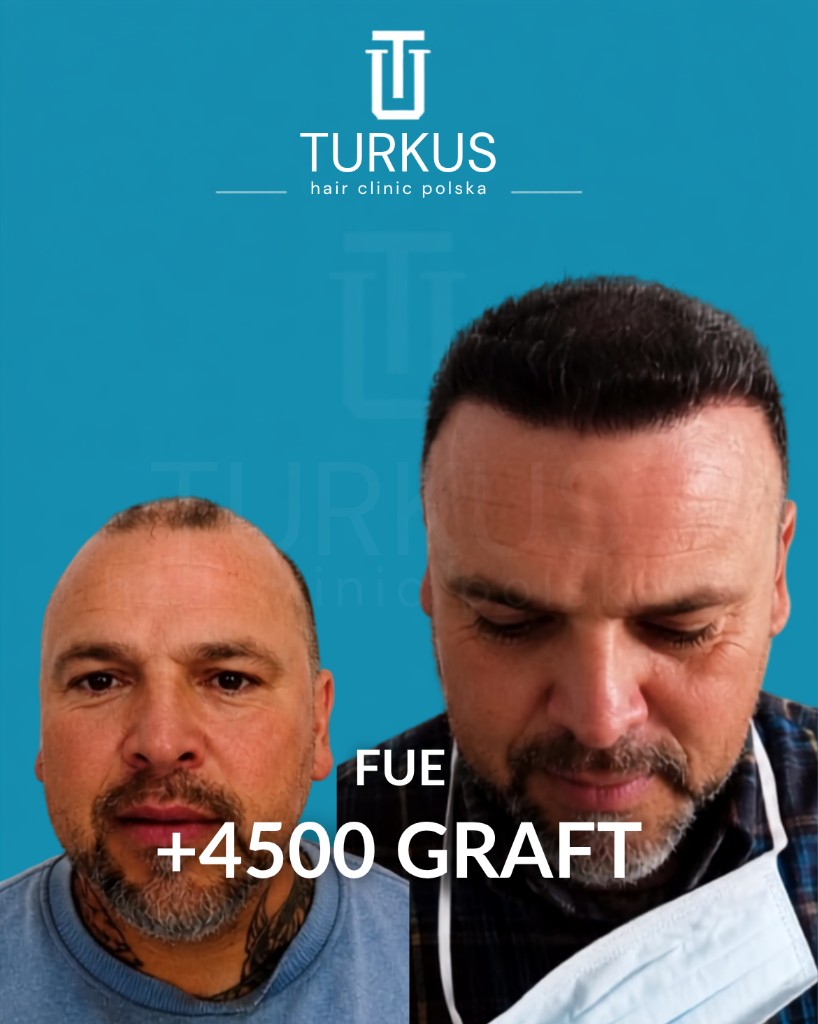
Many transplant patients worry that autumn shedding means grafts are failing. In most cases those fears are unnecessary. Transplanted follicles from the donor area generally retain resistance to DHT once established. Native hairs surrounding the grafts continue following their own biology and can still experience seasonal shedding, androgenetic alopecia, or telogen effluvium.
In established transplants, seasonal shedding does not typically harm healthy grafts. A shed hair shaft is not the same as a failed follicle.
Specialists at Turkus Hair Transplant Clinic, Spain note: "Patients are often reassured when they understand that shedding and follicle loss are not the same thing. A shed hair does not automatically mean a failed graft."
At Turkus Hair Transplant Clinic, post-transplant follow-up includes educating patients about normal hair cycling, shedding patterns, native hair stability, scalp health, and long-term density goals.
How to Reduce Seasonal Hair Shedding
You cannot completely stop seasonal hair loss if it is part of a normal biological cycle. The goal is supporting healthy follicles and minimizing unnecessary contributors.
- Adequate protein, iron, zinc, vitamin D and B12 when deficiencies exist
- Stress management, sleep and regular exercise
- Gentle scalp care and less excessive heat styling
- Sun protection for the scalp in summer
- Avoid panic buying supplements without a clear deficiency
Specialists at Turkus Hair Transplant Clinic, Spain note: "Patients often look for a miracle supplement during periods of shedding. In reality, identifying the cause is usually more valuable than adding another product."
When Seasonal Hair Loss Is Not Seasonal
Not every case of increased shedding is caused by the seasons. Iron deficiency, thyroid disease, androgenetic alopecia, and chronic telogen effluvium can all mimic autumn shedding.
- Shedding exceeds three months
- Density continues declining
- Bald patches appear
- Hairline recession develops
- Regrowth never seems to occur
Self-diagnosis can be risky because many conditions produce similar symptoms. Early identification usually means more options for preserving and restoring hair.
When to See a Hair Restoration Specialist
Most seasonal cases improve without medical intervention. Seek assessment for persistent shedding beyond three months, visible thinning, progressive hairline recession, or crown expansion.
Early evaluation can clarify current status, future progression risk, donor area quality, and long-term preservation strategies. Even if surgery is not needed, understanding your situation provides clarity.
Specialists at Turkus Hair Transplant Clinic, Spain note: "One of the greatest advantages of early evaluation is having more options. Once follicles are permanently lost, restoring density becomes more challenging."
At Turkus Hair Transplant Clinic in Spain, assessment typically includes hair loss history, scalp examination, hairline analysis, donor area evaluation, and review of possible medical causes. This helps distinguish seasonal hair thinning from other forms of hair loss and whether FUE, DHI or Sapphire FUE may be suitable later.
Why Choose Turkus Hair Transplant Clinic?
Turkus is a Turkish-led hair transplant clinic in Spain. Turkish surgical expertise is part of our team; your consultation, procedure planning, and aftercare stay local in Spain.
We focus on natural-looking results, clear communication, and personalized follow-up in Spain. We do not recommend traveling to Turkey instead of local care.
Options such as FUE, DHI, and Sapphire FUE may be suitable after evaluation. Results vary between patients; graft estimates require a consultation, not online guesses.
Specialists at Turkus Hair Transplant Clinic, Spain note: "The goal is an honest plan based on your pattern and goals, not promises that apply to every patient."
FAQs About Seasonal Hair Loss
Is seasonal hair loss real?
Yes. Multiple scientific studies have identified seasonal variations in human hair growth and shedding. Research published in PubMed found that more hairs may enter the resting phase during summer, with increased shedding often occurring during autumn.
Why do I lose more hair in autumn?
The most accepted explanation is that larger numbers of follicles enter the telogen phase during summer and those hairs are shed several weeks later, creating autumn hair loss.
How long does seasonal hair loss last?
Most episodes last between six and twelve weeks. If shedding continues beyond three months, professional evaluation may be worthwhile.
Does seasonal hair loss grow back?
In most cases, yes. Seasonal shedding generally affects hair shafts rather than permanently damaging follicles. Regrowth often becomes visible over the following months.
Can seasonal hair loss cause bald spots?
Typically no. Seasonal thinning usually appears as diffuse shedding. Circular bald areas or rapidly expanding patches should be assessed by a specialist.
Is seasonal shedding the same as telogen effluvium?
Not exactly. Both involve resting-phase shedding. Telogen effluvium is usually triggered by illness, surgery, stress, childbirth, medications, or deficiencies, while seasonal shedding reflects natural cycle fluctuations.
Can seasonal hair loss affect women and men?
Yes. Women often notice it more because of longer hair. Men can experience it too, sometimes alongside male pattern baldness, which can make autumn shedding look more severe.
Can seasonal shedding affect hair transplant results?
In most cases, no. Established transplanted follicles are generally not harmed. Native hairs around the grafts may still participate in normal seasonal cycles.
When should I worry about seasonal hair loss?
Consider evaluation if shedding lasts longer than three months, hairline recession develops, crown thinning progresses, bald patches appear, or density continues decreasing year after year.
Ready to Understand What Is Really Causing Your Hair Loss?
Not all shedding is the same. Some cases reflect a normal seasonal cycle. Others may signal androgenetic alopecia, chronic telogen effluvium, nutritional deficiencies, or other underlying conditions.
At Turkus Hair Transplant Clinic in Spain, the team performs detailed scalp and hair assessments to identify the likely cause of shedding and develop a personalized strategy for preserving and restoring hair.
Specialists at Turkus Hair Transplant Clinic, Spain note: "The most important step is obtaining an accurate diagnosis. Once we understand why the hair loss is occurring, we can build the right plan for the future."
Book a free consultation at Turkus Hair Transplant Clinic and discover whether your shedding is simply seasonal or part of a larger hair loss pattern that deserves attention. You can also review our FAQ on hair transplant and hair loss for more answers.