If you have ever wondered why some products make your hair feel heavy while others seem to vanish without effect, hair porosity may be the missing piece. Porosity describes how easily your hair shaft absorbs and retains moisture. It influences shine, frizz, drying time, product buildup, and how resilient your strands feel day to day.
Many people discover porosity only after years of trial and error. Low porosity hair often resists deep conditioning. High porosity hair may drink in oils yet still look dry by afternoon. Neither type is automatically unhealthy. Both simply need different care strategies.
At Turkus Hair Transplant Clinic in Spain, porosity comes up during consultations when patients worry about breakage, thinning, or whether their hair can support restoration planning. Understanding your shaft structure helps separate cosmetic frustration from medical concerns that deserve evaluation.
Specialists at Turkus Hair Transplant Clinic, Spain note: "Porosity is not a diagnosis of hair loss. It is a practical framework for choosing products, protecting the shaft, and knowing when shedding deserves a closer look."
This guide explains low porosity hair vs high porosity hair, how cuticles behave, how to test porosity at home, the best routines for each type, whether porosity can change, and how porosity relates to breakage, thinning, and options such as FUE or DHI after proper assessment.
Quick Insights
- Hair porosity describes how open or closed the cuticle layer is and how well strands hold moisture.
- Low porosity hair resists absorption and may feel product-heavy; high porosity hair absorbs quickly but loses moisture fast.
- You can have mixed porosity on the same head, especially on older or heat-damaged lengths.
- The float test is a rough clue, not a laboratory result. Daily drying time, frizz, and elasticity often tell a clearer story.
- Porosity does not directly cause genetic hair loss, but high porosity from damage can increase breakage that mimics thinning.
- When true follicle loss is suspected, a trichologist or hair loss evaluation in Spain should come before product experiments or surgery decisions.
What Is Hair Porosity?
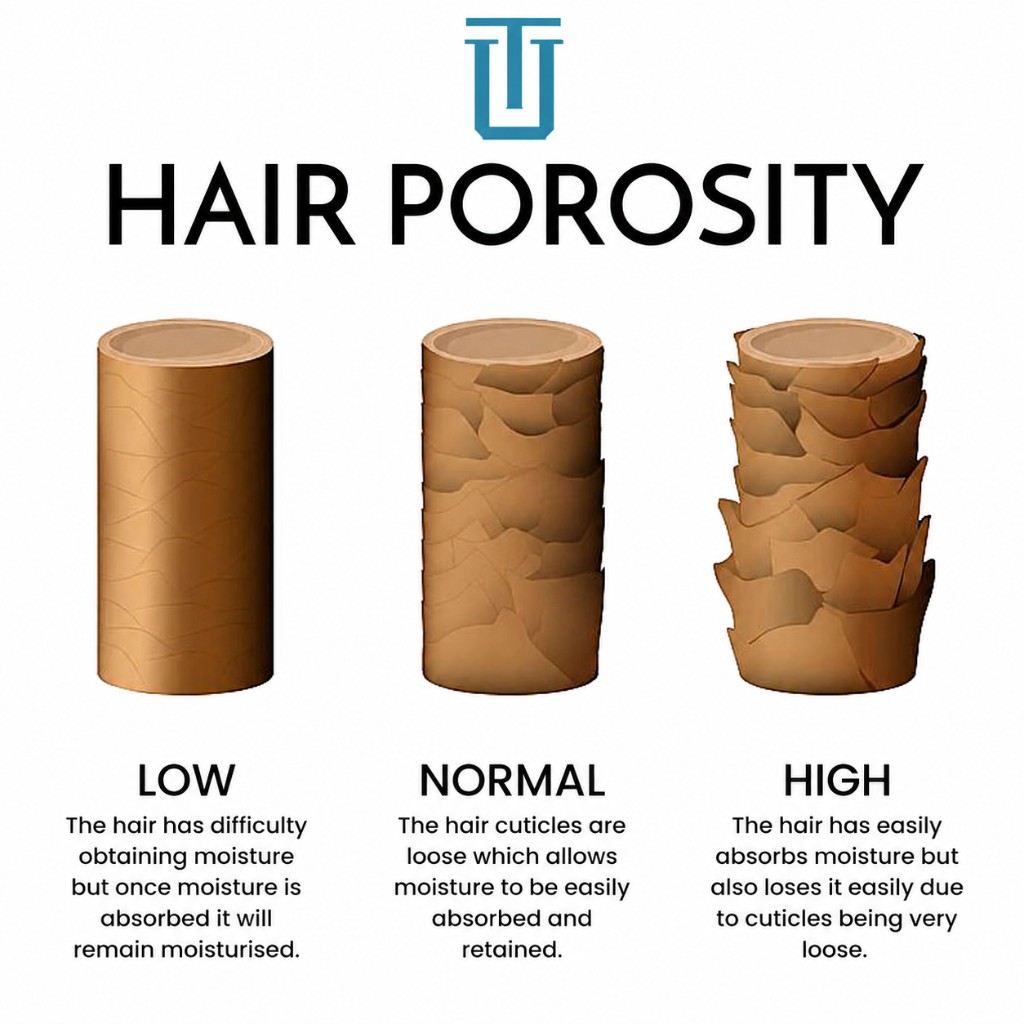
Hair porosity is a measure of how porous the hair shaft is. The outer layer of each strand, the cuticle, looks like overlapping scales. When those scales lie flat and tight, moisture has a harder time entering. That is low porosity. When scales are lifted or damaged, moisture enters quickly and escapes just as fast. That is high porosity.
Normal porosity sits between the two. Hair with normal porosity generally absorbs conditioning products at a balanced rate, holds moisture reasonably well, and responds predictably to heat styling when protected.
Cuticle structure and moisture movement
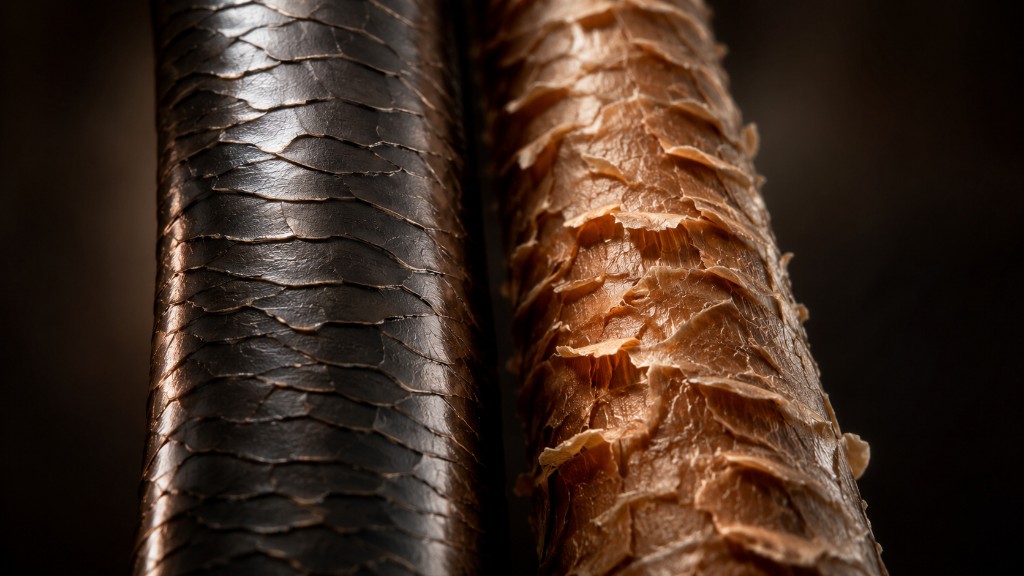
Think of the cuticle as a protective roof. A tight roof keeps rain out but also makes it harder to add water intentionally. A damaged roof lets water in during a storm and dries out fast afterward.
Conditioners, oils, and leave-in products work by smoothing the cuticle or filling gaps in the shaft. If the cuticle is nearly closed, products may sit on the surface. If the cuticle is widely lifted, products penetrate fast but may not stay long enough to soften the strand.
Normal porosity in everyday terms
Normal porosity hair usually air-dries in a moderate time, feels manageable with basic conditioning, and does not frizz excessively in mild humidity. It can still react to bleach, heat, or harsh brushing, but it starts from a balanced baseline.
Many people assume they must be low or high porosity. In reality, normal porosity is common, especially in hair that has not been heavily processed.
Mixed porosity on the same head
Roots often reflect your natural genetics. Mid-lengths and ends may behave differently after years of color, heat, sun, or mechanical friction. You might have low porosity roots with high porosity ends. That is normal, not a sign that your hair type is broken.
Mixed porosity means your routine should vary by zone. Lighter products near the scalp and richer repair on ends often work better than one product applied everywhere.
Why porosity matters for hair care and hair loss questions
Porosity guides product choice, heat protection, and realistic expectations about shine and frizz. It also helps when patients ask whether increased shedding is true hair loss or breakage from fragile shafts.
If you notice diffuse thinning at the scalp, widening part lines, or recession, porosity alone will not explain it. See our guide to hair loss causes and consider whether stress and hair loss, hormonal hair loss, or seasonal hair loss could be involved.
Specialists at Turkus Hair Transplant Clinic, Spain note: "We often start by asking whether hair is breaking mid-shaft or falling from the root. Porosity helps explain breakage. It does not replace scalp diagnosis."
Low Porosity Hair Explained
Low porosity hair has a tightly bound cuticle. Strands may look shiny because the surface reflects light well. Products can feel like they sit on top rather than soak in. Heat and steam often help low porosity hair accept conditioning because they temporarily lift the cuticle.
Common signs of low porosity
- Water beads on strands before absorbing
- Long air-drying time
- Product buildup or a coated feeling
- Resistant to deep conditioners without heat
- Shiny surface but occasional dryness at the ends
Why low porosity hair takes longer to dry
Because moisture enters slowly, water also leaves slowly once it is inside. That can feel confusing. Hair may seem dry on the surface while still holding water internally, which extends drying time.
Heavy oils and butters can make low porosity hair feel greasy without improving flexibility. Lighter humectants and heat-assisted conditioning often work better.
Low porosity is not the same as healthy hair
Low porosity describes structure, not health status. You can have low porosity hair that is strong and elastic, or low porosity hair that breaks because of tight styling or protein overload.
Do not assume low porosity means you will never experience shedding. Scalp conditions, nutrition, and genetics still matter.
Genetics and low porosity
Porosity type is largely inherited. If your family members mention product buildup or slow drying, you may share similar cuticle patterns. External damage can still change behavior at the ends over time.
High Porosity Hair Explained

High porosity hair absorbs water and products quickly. That can sound ideal until you notice frizz, tangles, and dryness returning within hours. The cuticle is more open, so the shaft loses moisture fast and is more vulnerable to environmental stress.
Common causes of high porosity
- Repeated bleaching or permanent color
- Frequent heat styling without protection
- Mechanical damage from brushing or tight styles
- Sun, chlorine, or hard water exposure
- Natural curl pattern with naturally lifted cuticles
Frizz, tangling, and rough texture
Lifted cuticles catch on each other. That creates friction, knots, and the halo of frizz common in humid weather. High porosity hair may look voluminous while feeling rough to the touch.
Anti-frizz products temporarily smooth the surface. Lasting improvement usually requires moisture balance plus ingredients that help the cuticle lie flatter.
Damage, elasticity, and breakage risk
High porosity from damage often stretches more before breaking when wet. Excessive stretch suggests protein-moisture imbalance. Breakage can mimic thinning because shorter broken hairs collect on the brush.
If broken hairs are mostly different lengths and you see split ends, porosity and mechanical stress are likely contributors. If full-length hairs fall with a white bulb at the root, scalp evaluation is more appropriate.
Protein and moisture balance
Damaged high porosity hair often benefits from alternating moisture-focused treatments with occasional protein support. Too much protein can make hair stiff. Too little can leave it mushy and stretchy.
Start conservatively. One protein treatment every few weeks may be enough unless a specialist recommends otherwise.
Low vs High Porosity: Key Differences
Moisture absorption
- Low porosity: slow intake, products may sit on the surface
- High porosity: fast intake, often feels immediately softer then dry again
Moisture retention
- Low porosity: holds moisture well once inside
- High porosity: loses moisture quickly in dry or humid air
Drying time
- Low porosity: often slow to dry
- High porosity: usually dries faster, especially when damaged
Product response
- Low porosity: prefers lighter formulas and heat-assisted conditioning
- High porosity: may need richer leave-ins and sealants on damaged sections
Shine and frizz
- Low porosity: natural surface shine, less humidity frizz
- High porosity: duller when dry, frizzes easily in humidity
Common misconceptions
- Low porosity does not guarantee thick hair
- High porosity is not always permanent if damage is reduced
- Porosity type does not predict graft candidacy on its own
How to Test Hair Porosity
The float test and its limits
The classic float test places clean shed hairs in a glass of water. Hair that floats quickly is often labeled low porosity. Hair that sinks fast is labeled high porosity. This test is popular online but unreliable as a sole diagnostic tool.
Product residue, oil, water temperature, and hair thickness affect buoyancy. Use the float test as a rough clue, not a final answer.
Better everyday signs to observe
- How long hair takes to become fully wet in the shower
- Drying time without heat
- How quickly conditioner seems to absorb
- Frizz response in humidity
- Frequency of product buildup
Elasticity check
Take a shed strand, stretch it gently when wet. Healthy elasticity shows slight stretch then return. Excessive stretch or snap suggests damage or imbalance regardless of porosity label.
When to involve the scalp, not just the strand
Porosity tests describe the shaft. Hair loss evaluation focuses on follicles, density patterns, and scalp health. If you notice temple recession, crown thinning, or patchy loss, book a consultation rather than relying on home porosity experiments alone.
A trichologist can combine trichoscopy with history to separate breakage from follicle miniaturization. That step matters before discussing FUE, Sapphire FUE, or DHI.
Specialists at Turkus Hair Transplant Clinic, Spain note: "Patients sometimes arrive convinced they need a transplant when the main issue is breakage and scalp inflammation. Porosity helps us explain the shaft side. Scalp mapping answers the medical question."
Best Care for Low Porosity Hair
Cleansing and buildup control
Use clarifying washes occasionally if products coat the hair. Avoid heavy silicones and thick butters on the scalp area unless ends need repair.
Conditioning with heat assistance
Apply conditioner after gentle heat from a warm towel or steamer. This helps the cuticle accept moisture. Rinse with cool water to encourage the cuticle to lie flat.
Oils and leave-ins
- Light oils such as argan or grapeseed in small amounts
- Humectants like glycerin in moderate humidity
- Avoid layering many heavy products
Styling habits that protect low porosity hair
Detangle gently when conditioned. Limit high heat. If you color hair, expect ends to behave differently over time even if roots stay low porosity.
Best Care for High Porosity Hair
Moisture-first routine
Layer moisture then seal. Leave-in conditioner, cream, and a light oil on damaged lengths can slow water loss. Focus on ends first.
Protein support without overload
Use protein treatments periodically if hair feels mushy or overly stretchy. Pause protein if hair becomes brittle or rough.
Heat protection and mechanical gentleness
- Heat protectant before drying or ironing
- Wide-tooth comb on wet hair
- Satin pillowcase to reduce friction
- Reduce bleach frequency and overlapping color
Hard water and environmental stress
Mineral buildup and sun exposure worsen high porosity behavior. Occasional clarifying washes and UV-aware protection help. If shedding spikes after illness or stress, read about stress and hair loss and rule out telogen effluvium.
Can Hair Porosity Change Over Time?
Your genetic porosity baseline stays relatively stable at the root. What changes is damage level. Chemical services, heat, illness, hormonal shifts, and aggressive styling can make hair behave more like high porosity even if it started low.
With trimming, reduced heat, and consistent repair, damaged high porosity hair can feel smoother and break less. The cuticle rarely returns to untouched factory condition, but cosmetic behavior can improve significantly.
Hormones, health, and seasonal shifts
Hormonal hair loss and seasonal hair loss affect follicle cycling, not cuticle genetics directly. However, when regrowth is finer or drier, hair may feel more fragile. Address scalp health first, then adjust porosity routines for new growth.
Porosity and Hair Loss: What Is the Connection?
Porosity does not cause androgenetic alopecia. It does influence how hair looks and feels when follicles are stressed or when shafts are damaged.
Breakage shortens hair without emptying follicles. True hair loss reduces density because follicles produce thinner hairs or stop producing visible hairs. The distinction guides whether you need repair, medical therapy, PRP, or surgical restoration.
Breakage vs true loss
- Breakage: varied hair lengths, split ends, snaps on brush
- True loss: full-length hairs with bulb, widening part, visible scalp
- Both can coexist, especially after long-term damage plus genetic thinning
When to worry and seek evaluation
See a specialist if shedding lasts more than a few months, patchy areas appear, scalp burning or redness occurs, or family history suggests progressive thinning. Early evaluation protects donor planning if FUE or DHI may be suitable later.
FUE, DHI, and porosity-aware planning
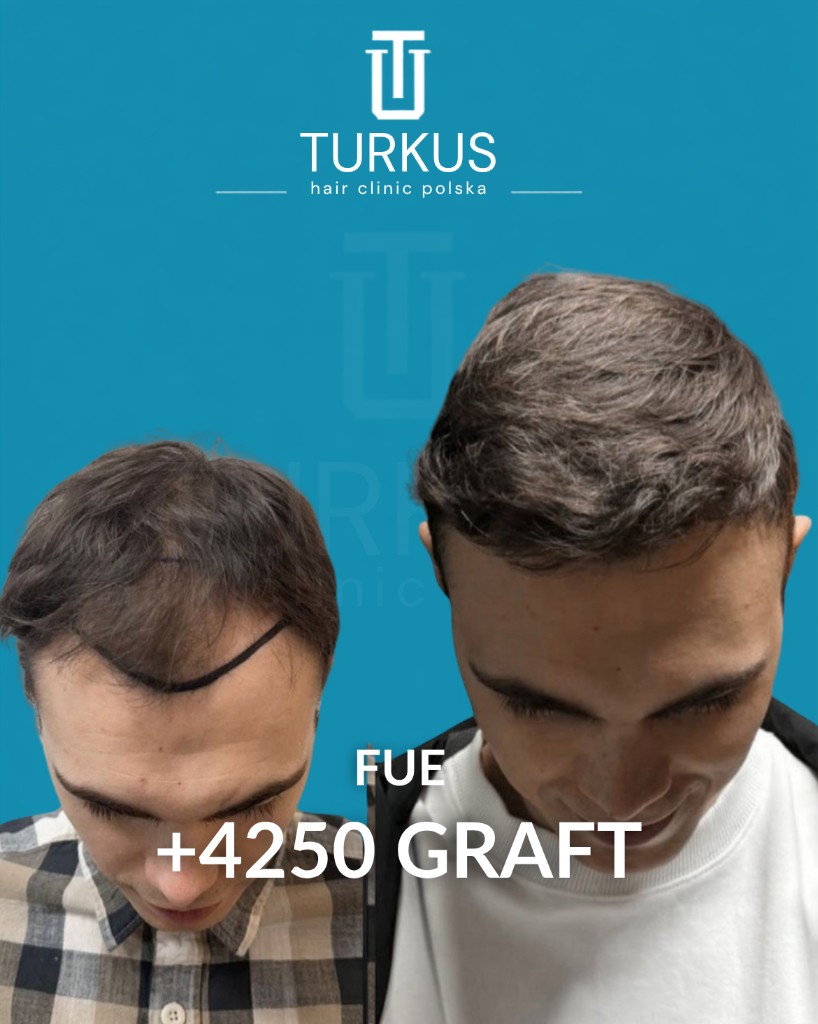
Transplant surgery moves healthy follicles. It does not change shaft porosity of existing hair. Still, realistic expectations about native hair texture, curl, and frizz help design a natural result.
Patients with fragile high porosity native hair may need gentle post-procedure washing and slower heat reintroduction. Graft survival depends on surgical technique and aftercare, not porosity category alone.
Explore our hair transplant FAQ and PRP treatment guide when medical thinning is confirmed. Options vary between patients and require consultation.
Specialists at Turkus Hair Transplant Clinic, Spain note: "Surgery can restore density where follicles are gone. It does not replace good shaft care for the hair you still have. We plan both when needed."
The Turkus Perspective on Shaft and Scalp Health
At Turkus Hair Transplant Clinic in Spain, we treat porosity as part of the whole picture. Scalp health, follicle density, medical history, and patient goals matter as much as conditioner choice.
Turkish surgical expertise supports our team, but consultation, procedure planning, and follow-up stay local in Spain. We do not recommend traveling abroad instead of structured aftercare at home.
When breakage dominates, we focus on repair and habits first. When follicle loss is confirmed, we discuss whether medical support, PRP, FUE, Sapphire FUE, or DHI fits the pattern. Results vary between patients; graft estimates require in-person evaluation.
Specialists at Turkus Hair Transplant Clinic, Spain note: "Healthy hair strategy starts with honest diagnosis. Porosity helps you care for strands. Scalp mapping tells us whether restoration is appropriate."
Why Choose Turkus Hair Transplant Clinic?
Turkus is a Turkish-led hair transplant clinic in Spain. Turkish surgical expertise is part of our team; your consultation, procedure planning, and aftercare stay local in Spain.
We focus on natural-looking results, clear communication, and personalized follow-up in Spain. We do not recommend traveling to Turkey instead of local care.
Options such as FUE, DHI, and Sapphire FUE may be suitable after evaluation. Results vary between patients; graft estimates require a consultation, not online guesses.
Specialists at Turkus Hair Transplant Clinic, Spain note: "The goal is an honest plan based on your pattern and goals, not promises that apply to every patient."
FAQs About Hair Porosity
What is hair porosity?
Hair porosity describes how easily the cuticle layer absorbs and retains moisture. Low porosity resists intake. High porosity absorbs quickly but loses moisture fast. Normal porosity balances both.
How do I know if I have low or high porosity hair?
Observe drying time, product buildup, frizz in humidity, and how quickly hair gets wet. The float test is optional and imperfect. Professional trichoscopy evaluates scalp and shaft when shedding is concerning.
Can hair porosity change over time?
Genetic porosity at the root stays relatively stable. Damage from color, heat, and environment can make hair behave like high porosity. Improved care can reduce breakage and improve feel even if past damage remains.
Does low porosity mean my hair is unhealthy?
No. Low porosity is a structural trait, not a health grade. Low porosity hair can be strong and shiny. Problems arise when products buildup or when scalp conditions cause shedding unrelated to porosity.
Why does high porosity hair frizz so much?
Lifted cuticles allow moisture to enter and exit rapidly. In humid air, strands swell unevenly, creating frizz. Smoothing products and sealants help temporarily; reducing damage helps long term.
Is the float test accurate?
Only roughly. Residue, oil, and hair thickness affect floating. Use it alongside daily observations, not as a standalone diagnosis.
Does hair porosity cause hair loss?
Porosity does not cause genetic hair loss. High porosity from damage increases breakage, which can mimic thinning. True follicle loss needs medical evaluation separate from porosity testing.
Can I have a hair transplant if I have high porosity hair?
Often yes, if follicle loss is confirmed and donor quality is adequate. Porosity affects native hair care after surgery, not necessarily graft candidacy. A consultation determines suitability for FUE or DHI.
What products work best for low porosity hair?
Light conditioners, occasional clarifying washes, and heat-assisted deep conditioning usually work better than heavy butters. Avoid product layering that causes buildup.
What products work best for high porosity hair?
Moisturizing leave-ins, gentle protein when needed, heat protectant, and sealants on ends. Reduce chemical and heat damage for lasting improvement.
Ready to Understand Your Hair and Your Options?
Hair porosity explains why products behave differently on your strands. It does not replace scalp diagnosis when you worry about thinning or recession.
At Turkus Hair Transplant Clinic in Spain, consultations review breakage patterns, scalp health, medical history, and restoration goals. Whether you need better shaft care, medical options such as PRP, or evaluation for FUE, Sapphire FUE, or DHI, recommendations follow personalized assessment.
Specialists at Turkus Hair Transplant Clinic, Spain note: "The best plan matches your scalp, your shaft, and your timeline. We help you see which part of the story porosity explains and which part needs clinical attention."
Book a free consultation at Turkus Hair Transplant Clinic and get clear guidance on hair health and restoration options in Spain. Results vary between patients; a personalized evaluation is recommended.