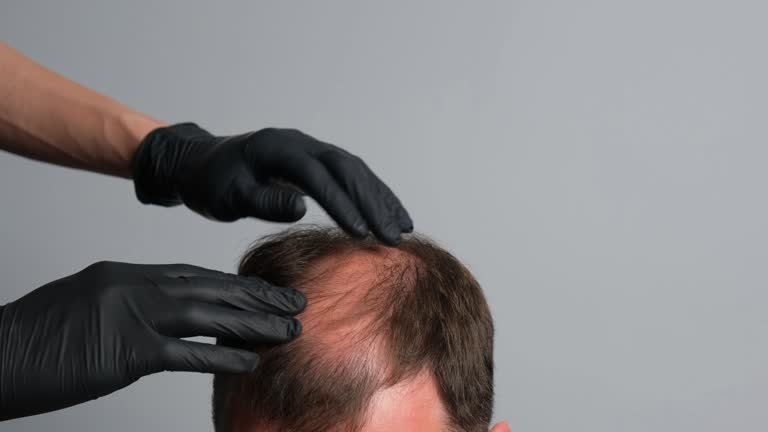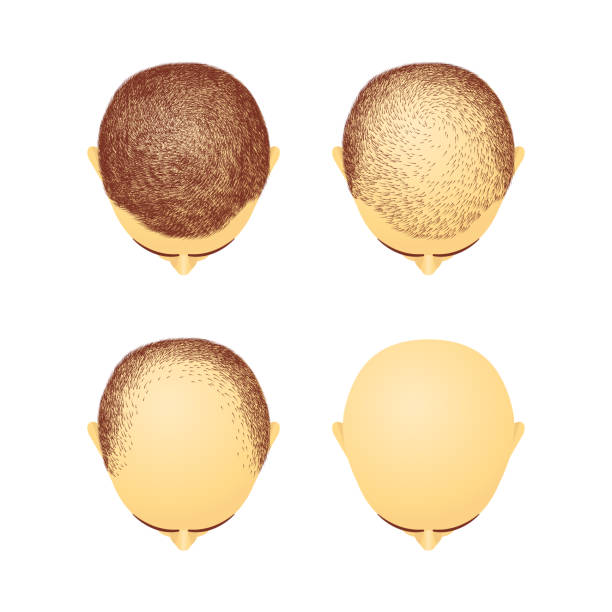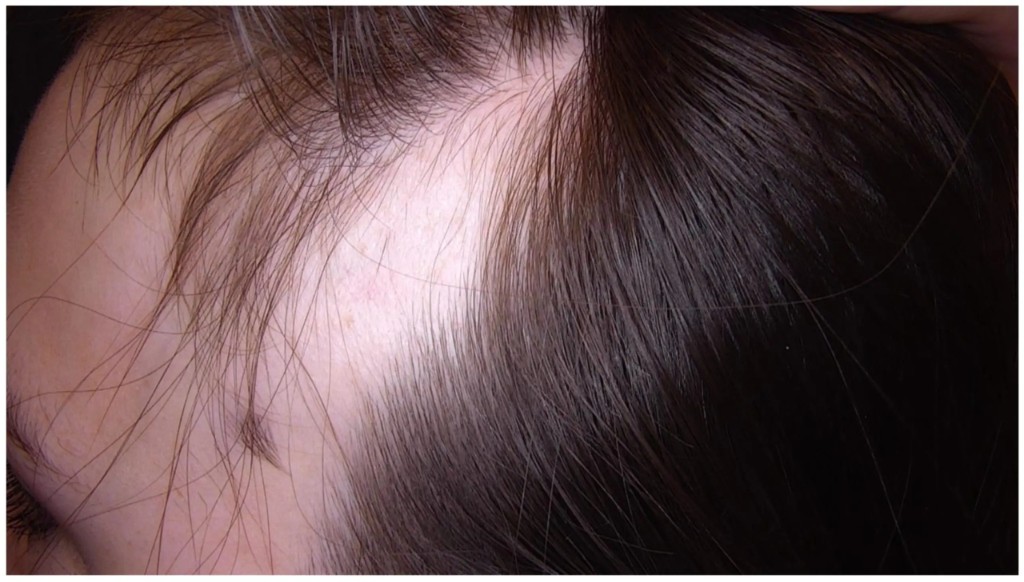
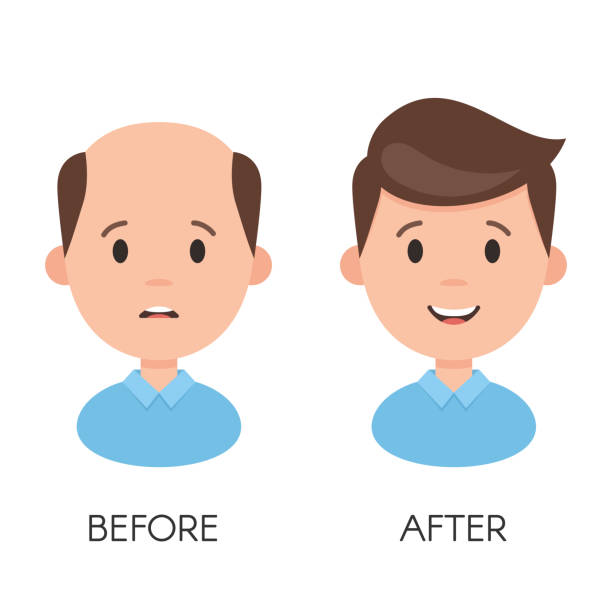
PRP treatment is a supportive hair loss treatment that may help improve hair quality, strengthen existing hair and support scalp health in selected patients.
PRP is not the same as a hair transplant. It does not create new hair follicles in bald areas, but it may be useful as part of a wider hair restoration plan.
At Turkus Hair Transplant Clinic in Spain, PRP can be discussed during consultation to see whether it is suitable for your hair loss pattern, scalp condition and goals.
If you want to know whether PRP or hair transplant is better for your case, the best first step is to book a free consultation at Turkus Hair Transplant Clinic.
This guide explains:
- what PRP treatment is
- how PRP works
- who may be suitable
- what benefits it may offer
- how the procedure works
- what affects cost
- how effective PRP can be
Quick Insights
- PRP may support existing hair quality.
- It may help selected patients with early thinning.
- PRP does not replace hair transplant in bald areas.
- Results vary from patient to patient.
- Several sessions may be recommended.
- Cost depends on the treatment plan.
- Turkus Hair Transplant Clinic can advise whether PRP fits your case.
What Is PRP Treatment?
PRP stands for platelet-rich plasma.
It uses a small sample of your own blood, which is processed to separate platelet-rich plasma. This plasma is then applied or injected into the scalp area.
The goal is to support the scalp environment and existing hair follicles.
How PRP May Help Hair Loss
PRP may help by supporting:
- hair quality
- hair thickness
- scalp condition
- existing weak follicles
- post-transplant recovery in selected cases
- overall hair restoration planning
It is usually considered for patients who still have active hair follicles in thinning areas.
Who May Be Suitable for PRP?
PRP may be suitable for selected patients with:
- early hair thinning
- weak hair quality
- diffuse density loss
- existing miniaturized hairs
- post-transplant support needs
- realistic expectations
A consultation is needed to decide if PRP is useful for your case.
Who May Need Hair Transplant Instead?
If an area is already bald or has very low density, PRP may not be enough.
Hair transplant may be more suitable for:
- receding hairline
- temple recession
- frontal bald areas
- crown thinning with visible gaps
- stable hair loss
- good donor area
At Turkus Hair Transplant Clinic, the team can explain whether PRP, hair transplant or a combined plan is better.
PRP Procedure Step by Step
A typical PRP session may include:
- consultation
- blood sample collection
- processing the blood
- preparing platelet-rich plasma
- applying or injecting PRP into selected scalp areas
- aftercare guidance
The procedure is usually planned based on the patient's needs.
PRP Benefits
PRP may offer benefits such as:
- supporting existing hair
- improving hair quality
- helping weak follicles
- supporting scalp health
- being a non-surgical option
- being used with other treatments in selected cases
The benefits depend on the cause and stage of hair loss.
How Many PRP Sessions Are Needed?
The number of sessions depends on the patient.
Some patients may need a series of sessions, followed by maintenance sessions.
The clinic can recommend a plan after evaluating your hair and scalp.
PRP Cost
PRP cost depends on:
- number of sessions
- treatment area
- clinic protocol
- whether it is combined with hair transplant
- aftercare plan
- follow-up needs
The most accurate way to know the cost is to book a consultation at Turkus Hair Transplant Clinic.
Is PRP Effective?
PRP may be effective for selected patients, especially when hair follicles are still active.
However, results vary.
PRP is usually not the best option for completely bald areas. In those cases, hair transplant may be more suitable.
This is why proper evaluation is important.
PRP After Hair Transplant
PRP may be discussed after hair transplant as supportive care in selected cases.
It may help support scalp condition and overall recovery planning.
Turkus Hair Transplant Clinic can advise whether PRP should be included in your personal plan.
Frequently Asked Questions
Does PRP regrow hair?
PRP may support existing weak hair, but it may not regrow hair in completely bald areas.
Is PRP better than hair transplant?
No. They are different. PRP supports existing hair, while hair transplant restores hair to selected areas.
How many PRP sessions do I need?
It depends on your hair loss stage and treatment goals.
Is PRP suitable for everyone?
No. Suitability depends on hair loss type, scalp condition and expectations.
Can PRP be combined with hair transplant?
Yes, in selected cases, PRP may be part of a wider hair restoration plan.
Does Turkus Hair Transplant Clinic offer PRP consultation?
Yes. Turkus Hair Transplant Clinic can evaluate whether PRP is suitable for your case.
Final Thoughts
PRP treatment may be a useful supportive option for selected patients with early thinning or weak hair quality.
However, it is not a replacement for hair transplant when hairline recession, bald areas or advanced density loss are present.
If you want to know whether PRP, FUE, DHI, Sapphire FUE or a combined plan is best for you, book a free consultation at Turkus Hair Transplant Clinic in Spain. The team can evaluate your hair loss pattern and create a personalized treatment plan.