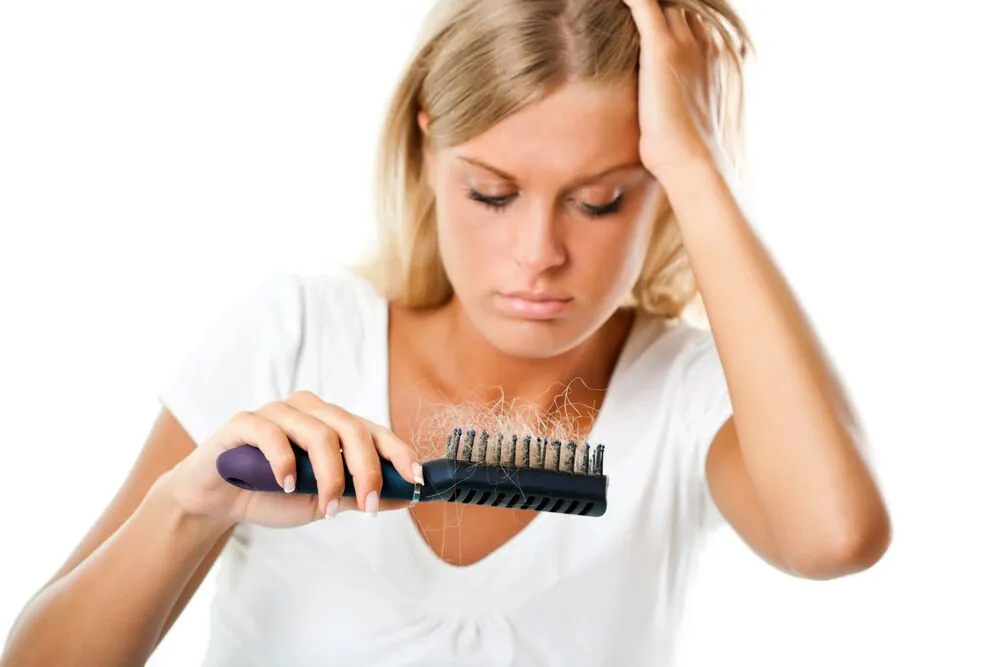
Hair loss is rarely caused by a single factor. For many patients, hormones play a central role. Hormonal hair loss can affect men and women at different life stages, from puberty and pregnancy to menopause and thyroid disease.
Some people notice gradual thinning at the temples or crown. Others experience sudden diffuse shedding after childbirth, illness, or major stress. The pattern, timing, and associated symptoms often point toward a hormonal trigger.
The challenge is that not every type of thinning is hormonal. Androgenetic alopecia, telogen effluvium, nutritional deficiencies, and scalp conditions can overlap. Accurate diagnosis matters because treatment depends on the underlying cause.
Many patients search online hoping for a simple answer. In reality, hormonal hair loss may involve DHT sensitivity, estrogen shifts, thyroid dysfunction, cortisol from chronic stress, PCOS-related androgen excess, or prolactin abnormalities. Blood tests sometimes look normal even when hair changes are clearly present.
Understanding how hormones influence the hair growth cycle helps explain why some shedding is temporary while other patterns become progressive.
Specialists at Turkus Hair Transplant Clinic, Spain note: "Hormonal hair loss is one of the most common reasons patients seek evaluation, but it is also one of the most misunderstood. The first step is determining whether hormones are truly driving the problem or simply one piece of a larger picture."
At Turkus Hair Transplant Clinic in Spain, many consultations involve patients wondering whether their shedding is hormonal, genetic, stress-related, or a combination of factors. Some need medical treatment. Others benefit from supportive therapies or, when appropriate, surgical restoration.
This guide explains what hormonal hair loss is, which hormones are involved, common symptoms in men and women, how doctors diagnose it, whether regrowth is possible, and which treatment options may be suitable after evaluation.
Quick Insights
- Hormonal hair loss occurs when hormone levels or sensitivity disrupt the normal hair growth cycle.
- Common triggers include androgenetic alopecia, thyroid disease, PCOS, menopause, postpartum changes, birth control, and chronic stress.
- Symptoms differ between men and women and may include temple recession, crown thinning, diffuse shedding, or texture changes.
- Blood tests and trichoscopy help identify underlying causes, though results may appear normal in some cases.
- Many forms of hormonal shedding are reversible with proper treatment, while progressive pattern loss may require long-term management.
- FUE, Sapphire FUE, and DHI may be suitable for stable pattern loss after medical evaluation and consultation.
What Is Hormonal Hair Loss?
Hormonal hair loss refers to hair shedding or thinning linked to changes in hormone levels, hormone sensitivity, or endocrine disorders. It is not a single diagnosis. Instead, it describes a category of conditions where hormones influence follicle activity.
Hair follicles respond to signals from the body. When those signals shift, more hairs may enter the resting phase, miniaturize, or shed prematurely.
Shedding vs follicle miniaturization
Two different mechanisms often get confused. Shedding describes increased hair fall, often seen in telogen effluvium, postpartum hair loss, or thyroid-related changes. Miniaturization describes gradual shrinkage of follicles, producing thinner and shorter hairs over time, as in androgenetic alopecia.
Shedding may improve once the trigger resolves. Miniaturization tends to be progressive unless treated early.
Why normal blood tests do not always rule it out
Patients are sometimes told their labs are normal, yet hair loss continues. Hormonal influence can occur through receptor sensitivity rather than extreme blood levels. DHT sensitivity in androgenetic alopecia is a classic example: testosterone and DHT may fall within standard ranges while follicles still miniaturize.
Timing also matters. A single blood draw may miss cyclical hormonal fluctuations. Clinical context, scalp examination, and pattern analysis remain essential.
Specialists at Turkus Hair Transplant Clinic, Spain note: "Normal laboratory results do not automatically mean hormones are irrelevant. Pattern, family history, and scalp findings often tell us more than one blood panel alone."
For broader context on non-hormonal triggers, see our guide to hair loss causes.
Which Hormones Affect Hair Growth?
Several hormones interact with the hair follicle cycle. Understanding each helps explain why treatment must be tailored to the individual patient.
DHT and androgen sensitivity
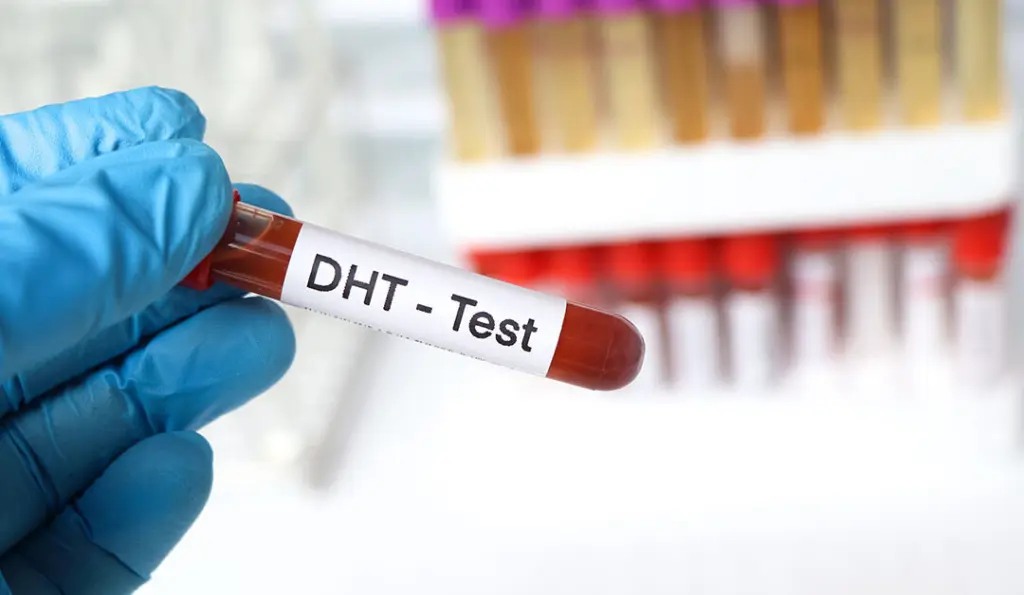
Dihydrotestosterone (DHT) is a potent androgen derived from testosterone. In androgenetic alopecia, follicles in certain scalp areas become sensitive to DHT. Over time, affected follicles produce progressively finer hairs until some stop producing visible hair.
This process explains temple recession and crown thinning in men and diffuse or central thinning in many women with female pattern hair loss.
Estrogen and female pattern changes
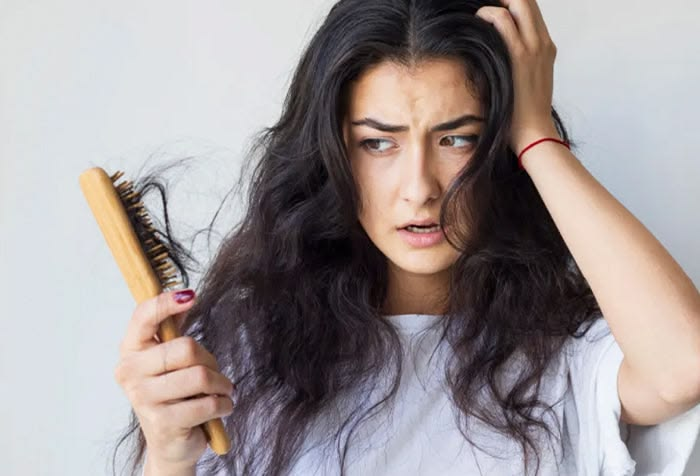
Estrogen generally supports hair retention. During pregnancy, elevated estrogen often prolongs the growth phase, which can make hair appear fuller. After delivery, estrogen drops and many hairs enter the resting phase simultaneously, causing postpartum shedding.
Menopause involves declining estrogen and relative androgen influence, which may worsen thinning along the part line and crown in susceptible women.
Thyroid hormones
Both hypothyroidism and hyperthyroidism can cause diffuse hair shedding. Thyroid hormones regulate metabolism and influence follicle cycling. Patients may also notice brittle hair, texture changes, or eyebrow thinning.
Thyroid dysfunction is a common and treatable cause of hair loss that should be evaluated before assuming progressive baldness.
Cortisol and chronic stress
Chronic stress elevates cortisol and can push follicles into telogen effluvium. While not always classified as endocrine hair loss in the strictest sense, stress-related shedding frequently overlaps with hormonal evaluation.
Learn more in our guide to stress and hair loss.
PCOS, insulin resistance and androgen excess
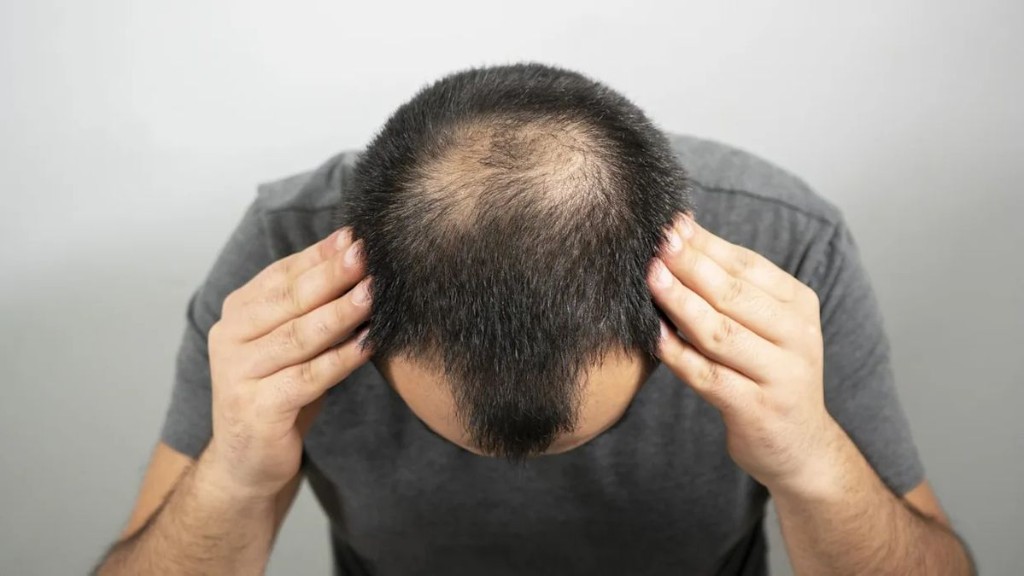
Polycystic ovary syndrome (PCOS) involves elevated androgens, irregular cycles, and often insulin resistance. Hair loss in PCOS may resemble female pattern thinning, while excess hair growth can appear on the face or body.
Treatment often targets the underlying metabolic and hormonal imbalance rather than the hair symptom alone.
Prolactin and other endocrine factors
Elevated prolactin from pituitary disorders, certain medications, or breastfeeding can disrupt the menstrual cycle and contribute to shedding. Less common endocrine causes include adrenal disorders and significant weight changes.
A thorough history helps determine which tests are appropriate.
Specialists at Turkus Hair Transplant Clinic, Spain note: "Hair loss evaluation is rarely about checking one hormone in isolation. We look at the full clinical picture: pattern, timing, associated symptoms, and family history."
Symptoms of Hormonal Hair Loss
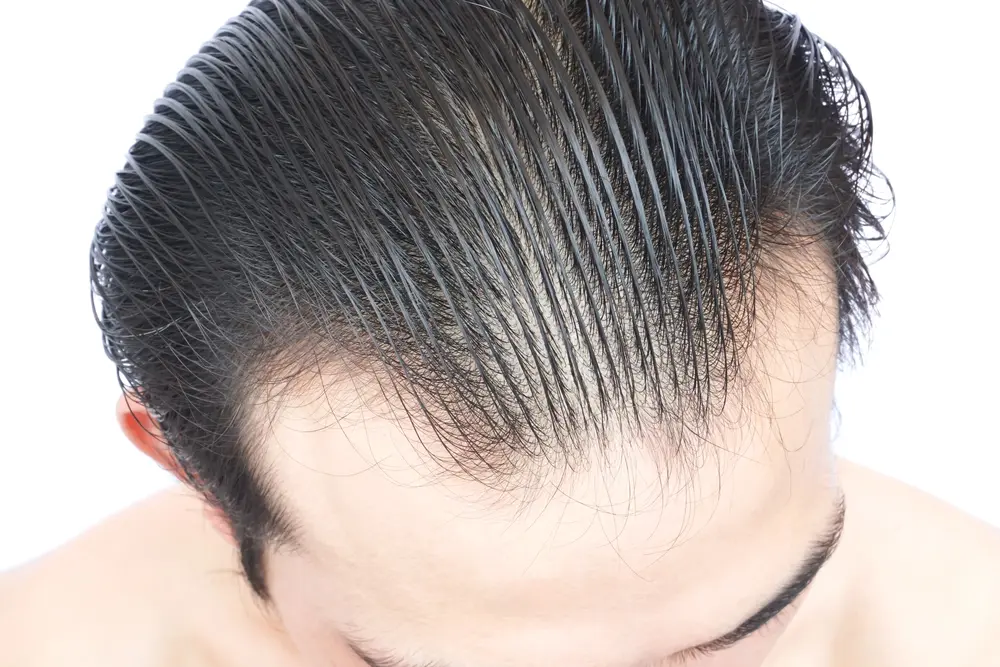
Symptoms in men
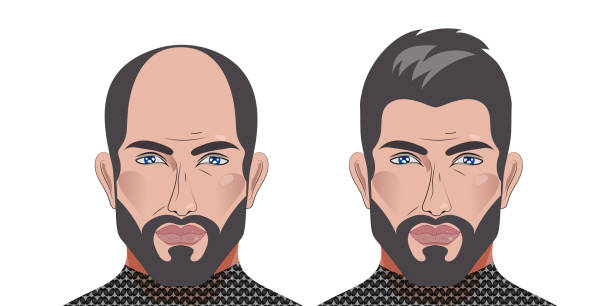
- Receding temples and frontal hairline changes
- Crown and vertex thinning
- Gradual reduction in hair caliber
- Increased scalp visibility over time
- Family history of male pattern baldness
Male hormonal hair loss most often presents as androgenetic alopecia. Progression varies. Some men stabilize in their thirties. Others continue thinning for decades.
Symptoms in women
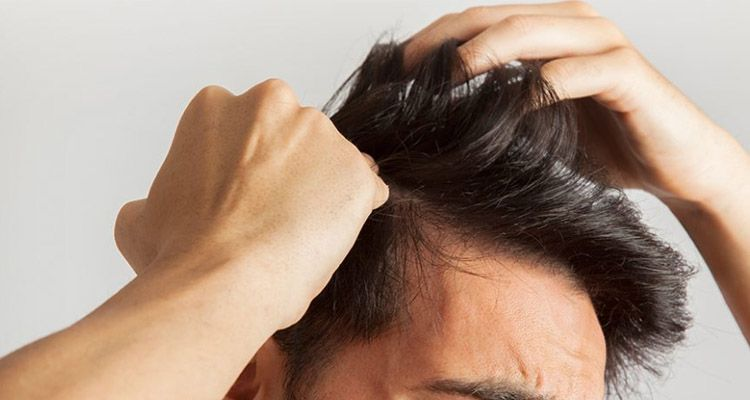
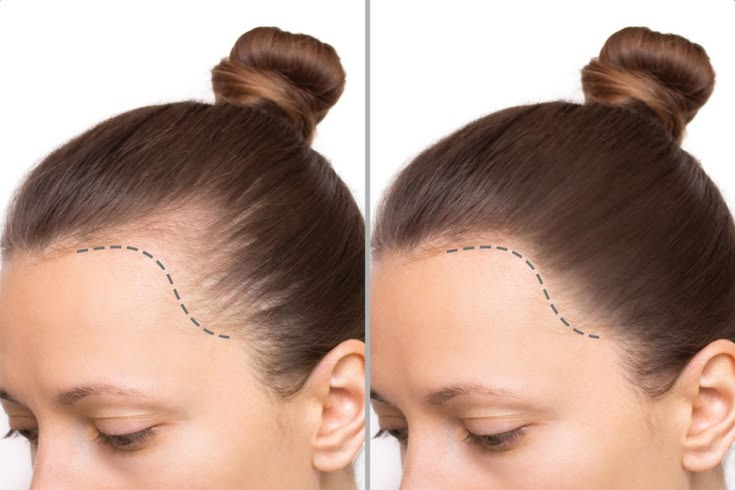
- Widening central part line
- Diffuse thinning over the crown
- Reduced ponytail diameter
- Increased shedding after brushing or washing
- Changes linked to pregnancy, PCOS, or menopause
Women rarely develop complete baldness in the male pattern, but progressive thinning can significantly affect density and confidence. Female hair transplant may be discussed when medical therapy and stability criteria are met.
Sudden shedding vs gradual thinning
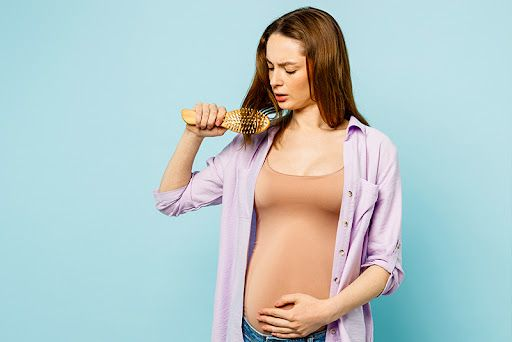
Sudden shedding usually suggests telogen effluvium from childbirth, illness, medication, thyroid shifts, or severe stress. Gradual thinning over months or years more often indicates androgenetic alopecia or chronic hormonal imbalance.
Seasonal increases in shedding can also occur and may overlap with other triggers. See our seasonal hair loss guide for comparison.
Texture and quality changes
Hormonal shifts may alter hair texture, making strands finer, drier, or more brittle. Eyebrow thinning can accompany thyroid disease. These associated signs help narrow the diagnosis.
Common Causes of Hormonal Hair Loss
Androgenetic alopecia
Androgenetic alopecia is the most common cause of progressive hair loss worldwide. It is driven by genetic sensitivity to DHT rather than necessarily abnormal hormone levels. It affects millions of men and a substantial number of women.
PCOS
PCOS remains a leading hormonal cause of hair thinning in women of reproductive age. Diagnosis may involve ultrasound, androgen panels, and metabolic assessment.
Menopause and perimenopause
Declining estrogen during menopause can unmask androgen influence on scalp follicles. Thinning often accelerates during perimenopause and may stabilize later, though progression varies.
Postpartum hair loss
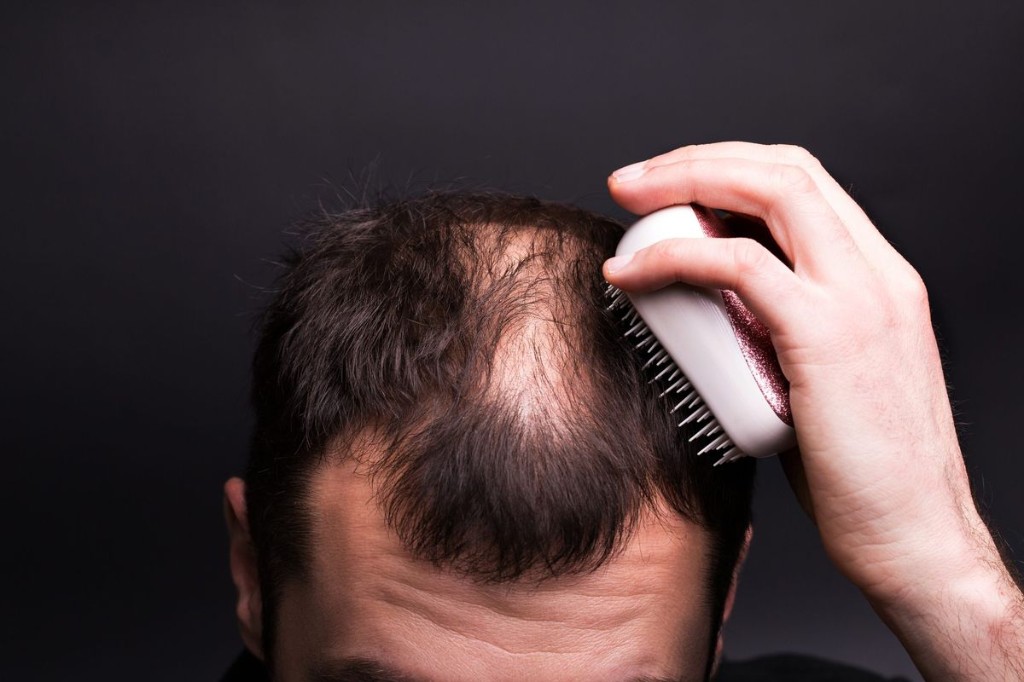
Postpartum telogen effluvium is common and usually temporary. Most women notice peak shedding around three to six months after delivery. Regrowth typically follows, though persistent thinning warrants evaluation for other causes.
Birth control and hormone therapy
Starting, stopping, or changing hormonal contraception can trigger shedding in susceptible individuals. Some progestins have higher androgenic activity than others. Hormone replacement therapy may also influence hair density depending on formulation and patient sensitivity.
Thyroid disorders
Untreated hypothyroidism or hyperthyroidism commonly causes diffuse shedding. Treatment of thyroid dysfunction often improves hair cycling over several months.
Telogen effluvium from hormonal triggers
Any significant hormonal shift can push follicles into telogen effluvium. This includes rapid weight loss, major surgery, severe illness, and acute stress. The condition is often reversible once the trigger resolves.
Specialists at Turkus Hair Transplant Clinic, Spain note: "Many patients have more than one contributing factor. Postpartum shedding on top of early androgenetic alopecia is a common example. That is why we evaluate the whole timeline, not just the most recent event."
How Hormonal Hair Loss Is Diagnosed
Diagnosis combines medical history, scalp examination, and targeted testing. Self-diagnosis based on symptoms alone often leads to delayed or inappropriate treatment.
Trichoscopy and scalp examination
Trichoscopy uses magnification to assess follicle density, miniaturization, inflammation, and pattern distribution. It helps distinguish androgenetic alopecia from diffuse telogen effluvium and other scalp conditions.
Blood tests your doctor may order
- Thyroid function (TSH, free T4, sometimes free T3)
- Iron and ferritin
- Vitamin D and B12
- Complete blood count
- Androgen panel in women (testosterone, DHT, DHEA-S when indicated)
- Prolactin, LH, FSH, and metabolic markers when PCOS is suspected
When results look normal
Normal labs do not exclude androgenetic alopecia or mild hormonal imbalance. Clinical pattern and family history may still support a hormonal diagnosis. Repeat testing or specialist referral may be appropriate if symptoms persist.
Scalp biopsy when needed
Biopsy is rarely the first step but may help when the diagnosis is unclear, when scarring is suspected, or when inflammatory alopecia is possible. It is not required for typical androgenetic alopecia.
Specialists at Turkus Hair Transplant Clinic, Spain note: "A thorough consultation saves time and prevents unnecessary treatments. Identifying the correct cause is what makes therapy effective."
Can Hormonal Hair Loss Grow Back?
Regrowth depends on the cause, duration, and whether follicles remain viable. Temporary telogen effluvium often improves once the hormonal trigger resolves. Thyroid-related shedding frequently recovers with proper treatment.
Androgenetic alopecia is different. Miniaturized follicles may produce thinner hair with medical therapy, but lost density is not always fully restored without intervention. Early treatment generally offers the best chance of preserving existing hair.
Realistic expectations
Hair regrowth takes time. Visible improvement may require three to six months or longer. Results vary between patients, and consultation is recommended before starting any treatment plan.
No therapy guarantees full restoration for every individual.
Specialists at Turkus Hair Transplant Clinic, Spain note: "Patients often ask whether their hair will return to exactly how it was before. The honest answer depends on diagnosis, timing, and how long thinning has been progressing."
Treatment Options for Hormonal Hair Loss
Treat the underlying hormonal cause
When thyroid disease, PCOS, or another endocrine disorder is identified, treating the root condition is the priority. Hair improvement often follows, though not always immediately.
Minoxidil
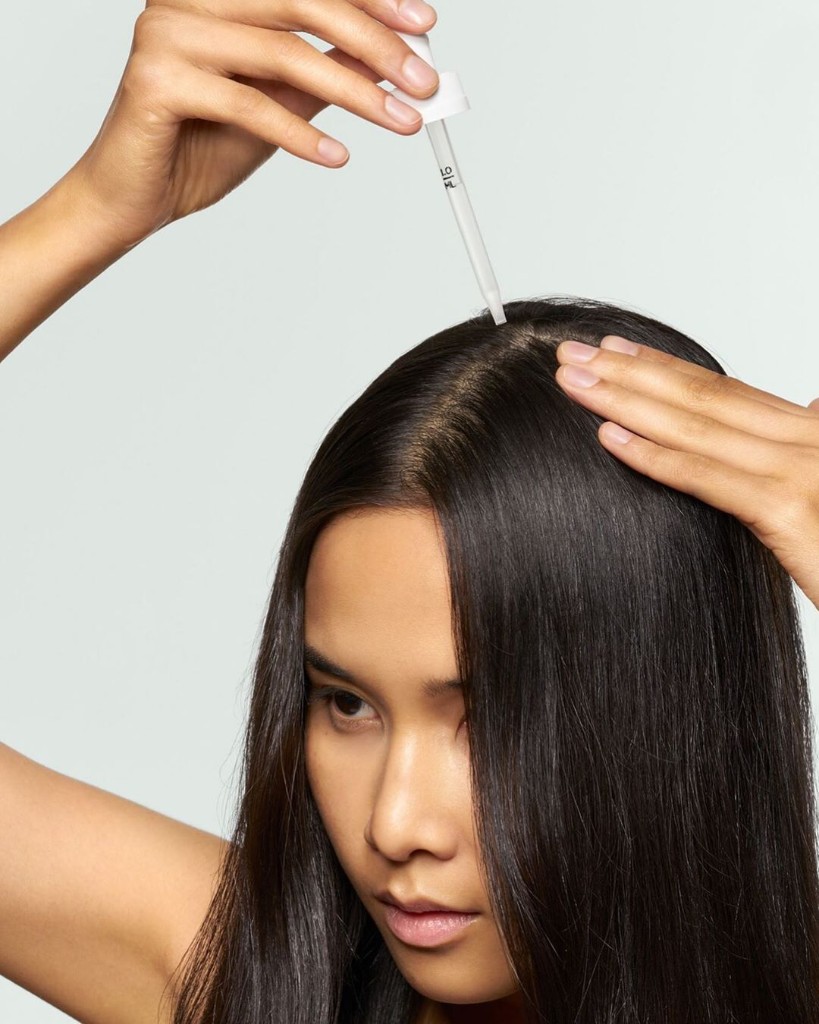
Minoxidil is a widely used topical treatment that extends the growth phase and may increase hair diameter. It does not correct hormonal imbalance directly but can support follicle function in androgenetic alopecia. Consistent use is typically required. Discuss suitability with your physician.
Finasteride for men
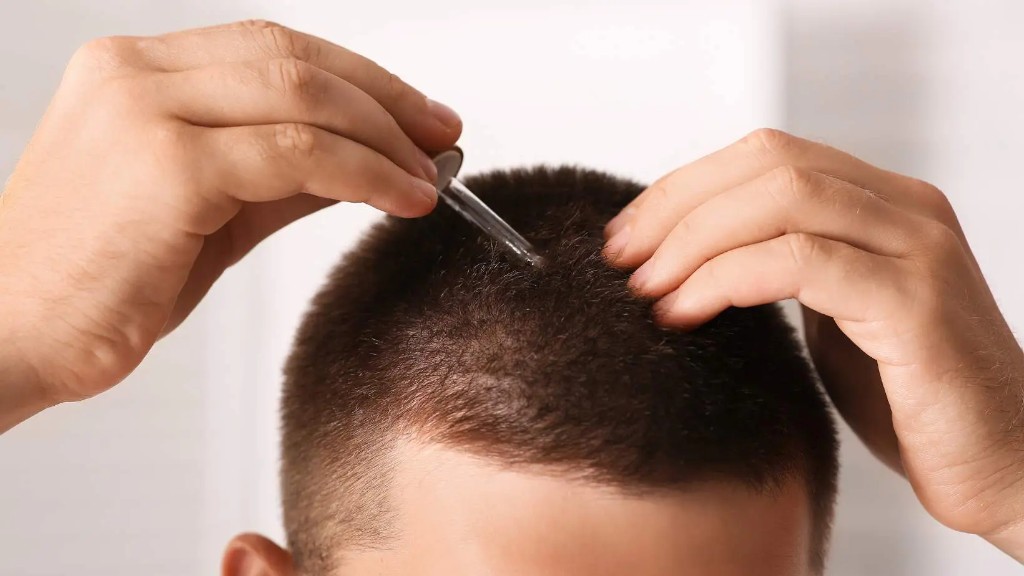
Oral finasteride lowers DHT and may slow progression in men with androgenetic alopecia. It is not suitable for everyone and requires medical supervision. Topical formulations exist but long-term data vary. Treatment decisions should always involve a qualified physician.
Spironolactone and anti-androgens for women
Spironolactone and certain anti-androgen therapies may help women with androgen-driven thinning or PCOS-related hair loss. These medications require monitoring and are not appropriate during pregnancy. A gynecologist or dermatologist typically guides therapy.
PRP therapy
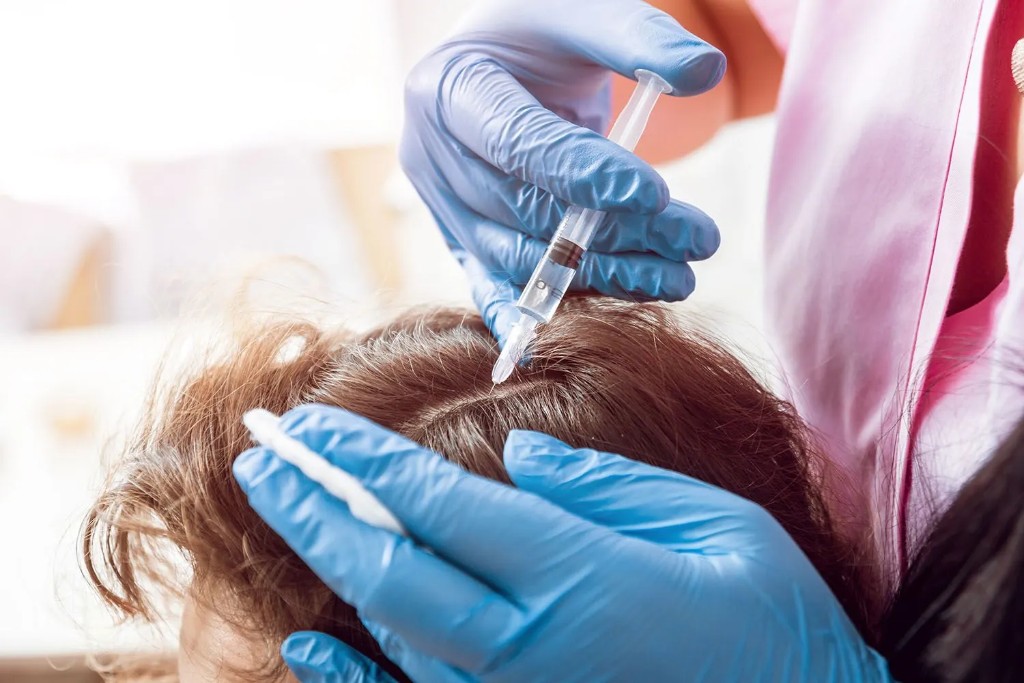
Platelet-rich plasma involves concentrating growth factors from the patient's blood and injecting them into the scalp. PRP may be considered for early-stage thinning, supportive care, or post-transplant maintenance. Learn more in our PRP treatment guide. Results vary and require personalized evaluation.
Supplements and nutrition

Iron, vitamin D, zinc, and protein adequacy matter for hair cycling. Supplements help when deficiency is confirmed. They do not replace treatment for androgenetic alopecia or thyroid disease. Avoid mega-doses without medical guidance.
When Is a Hair Transplant Suitable?
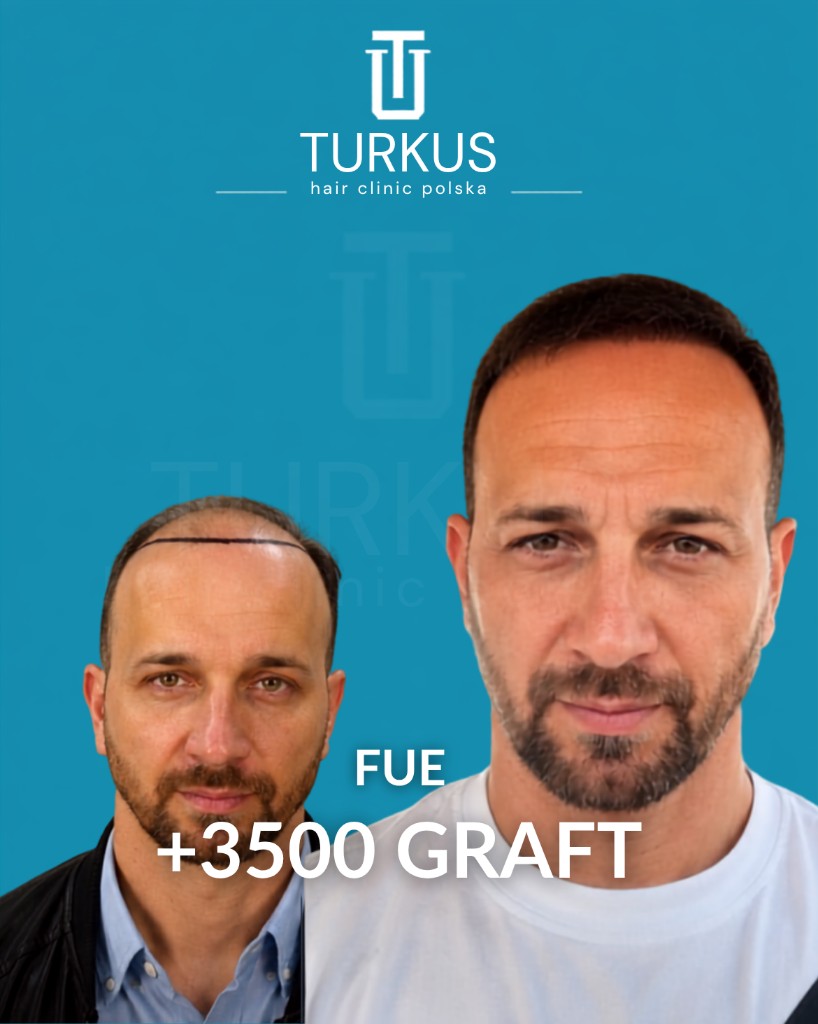
Hair transplantation may be suitable when hair loss has stabilized, follicles in the recipient area are no longer viable, and donor supply is adequate. It does not stop future hormonal or genetic progression in untreated areas.
At Turkus Hair Transplant Clinic in Spain, surgical candidacy is assessed individually. Active telogen effluvium, uncontrolled thyroid disease, or rapidly progressing shedding usually requires waiting until the pattern stabilizes.
FUE, Sapphire FUE and DHI
Modern techniques such as FUE, Sapphire FUE, and DHI transplant healthy follicles from the donor area to thinning regions. Sapphire blades may allow finer incisions. DHI uses an implanter pen for direct placement. The best method depends on pattern, density goals, and donor characteristics after consultation.
When to wait
- Active postpartum shedding within the first year
- Uncontrolled thyroid or PCOS
- Rapidly progressing telogen effluvium
- Insufficient donor density for long-term planning
Rushing into surgery during active shedding can produce misleading assessments and suboptimal planning. Medical stabilization first often leads to better long-term outcomes.
Donor area and long-term planning
Donor management is critical, especially in younger patients with ongoing androgenetic alopecia. Conservative hairline design, realistic density targets, and future loss forecasting help maintain a natural appearance over time.
Specialists at Turkus Hair Transplant Clinic, Spain note: "Surgery can restore what medical therapy cannot replace, but timing matters. We want patients to operate from a stable diagnosis, not a temporary shed."
What Not to Do
- Do not assume every shed is hormonal without evaluation
- Do not start high-dose hormones or supplements without medical supervision
- Do not stop prescribed thyroid or PCOS medication abruptly
- Do not rely on social media cures or unverified topical mixes
- Do not compare your timeline to others; regrowth rates vary
- Do not pursue surgery while shedding is still actively worsening
Misdiagnosis leads to wasted time and unnecessary anxiety. A structured evaluation is faster and safer than experimenting with multiple unproven products.
When to See a Doctor
- Sudden diffuse shedding lasting more than three months
- Visible widening of the part line or temple recession
- Hair loss accompanied by irregular cycles, acne, or excess body hair
- Symptoms of thyroid disease: fatigue, weight change, cold intolerance
- Shedding after starting or stopping birth control
- No improvement despite months of over-the-counter treatment
Early evaluation improves outcomes. Waiting until advanced thinning occurs may limit non-surgical options.
Specialists at Turkus Hair Transplant Clinic, Spain note: "If you are unsure whether your hair loss is hormonal, genetic, or stress-related, a professional assessment removes guesswork and creates a clear path forward."
Why Choose Turkus Hair Transplant Clinic?
Turkus is a Turkish-led hair transplant clinic in Spain. Turkish surgical expertise is part of our team; your consultation, procedure planning, and aftercare stay local in Spain.
We focus on natural-looking results, clear communication, and personalized follow-up in Spain. We do not recommend traveling to Turkey instead of local care.
Options such as FUE, DHI, and Sapphire FUE may be suitable after evaluation. Results vary between patients; graft estimates require a consultation, not online guesses.
Specialists at Turkus Hair Transplant Clinic, Spain note: "The goal is an honest plan based on your pattern and goals, not promises that apply to every patient."
FAQs About Hormonal Hair Loss
What is hormonal hair loss?
Hormonal hair loss refers to shedding or thinning linked to hormone levels, hormone sensitivity, or endocrine disorders such as androgenetic alopecia, thyroid disease, PCOS, menopause, or postpartum changes. It is a category of causes rather than one single condition.
Can hormonal hair loss grow back?
Often yes, when the underlying trigger is temporary, such as postpartum telogen effluvium or treated thyroid disease. Androgenetic alopecia may improve with medical therapy but full restoration is not guaranteed. Results vary between patients.
Which hormones cause hair loss?
DHT and androgen sensitivity drive androgenetic alopecia. Thyroid hormones, estrogen shifts, cortisol from chronic stress, PCOS-related androgens, and elevated prolactin can also contribute depending on the individual case.
How do I know if my hair loss is hormonal?
Pattern, timing, associated symptoms, and medical history provide clues. Blood tests, trichoscopy, and scalp examination help confirm the diagnosis. Normal labs do not always exclude hormonal influence.
Does PCOS cause hair loss?
Yes, PCOS can cause scalp thinning related to androgen excess and insulin resistance. Treatment typically addresses the underlying hormonal and metabolic imbalance.
Is postpartum hair loss normal?
Yes, postpartum telogen effluvium is common and usually temporary. Peak shedding often occurs several months after delivery. Persistent thinning beyond twelve months warrants further evaluation.
Can birth control cause hair loss?
Starting, stopping, or changing hormonal contraception can trigger shedding in susceptible individuals. The risk depends on formulation, personal sensitivity, and underlying hair loss tendency.
What blood tests check for hormonal hair loss?
Common tests include thyroid function, ferritin, vitamin D, and androgen panels in women when indicated. PCOS evaluation may include metabolic markers. Your physician selects tests based on symptoms and examination findings.
What treatments work for hormonal hair loss?
Treatment depends on the cause. Options may include treating thyroid or PCOS, minoxidil, finasteride for men, spironolactone for women, PRP, and lifestyle support. A personalized plan after consultation is recommended.
When is a hair transplant suitable for hormonal hair loss?
Surgery may be suitable when loss has stabilized, medical causes are addressed, and donor supply is adequate. FUE, Sapphire FUE, and DHI may be options after evaluation at Turkus Hair Transplant Clinic in Spain.
Ready to Understand Your Hair Loss Pattern?
Hormonal hair loss can feel confusing, especially when multiple factors overlap. The most important step is identifying what is driving your shedding or thinning and building a plan that matches your goals and medical history.
At Turkus Hair Transplant Clinic in Spain, consultations include scalp analysis, pattern assessment, and discussion of medical and surgical options. Whether you need thyroid evaluation guidance, medical therapy, PRP, or information about FUE, Sapphire FUE, or DHI, recommendations are tailored to your situation.
Specialists at Turkus Hair Transplant Clinic, Spain note: "The best outcome comes from an honest diagnosis and a realistic plan. We focus on what may be suitable for you, not one-size-fits-all promises."
Book a free consultation at Turkus Hair Transplant Clinic and take the first step toward clarity about your hair loss. You can also review our FAQ on hair transplant and hair loss for more answers. Results vary between patients, and a personalized evaluation is recommended.