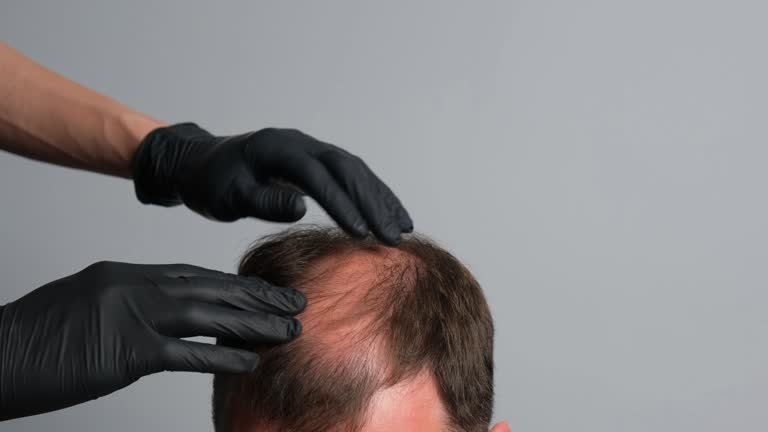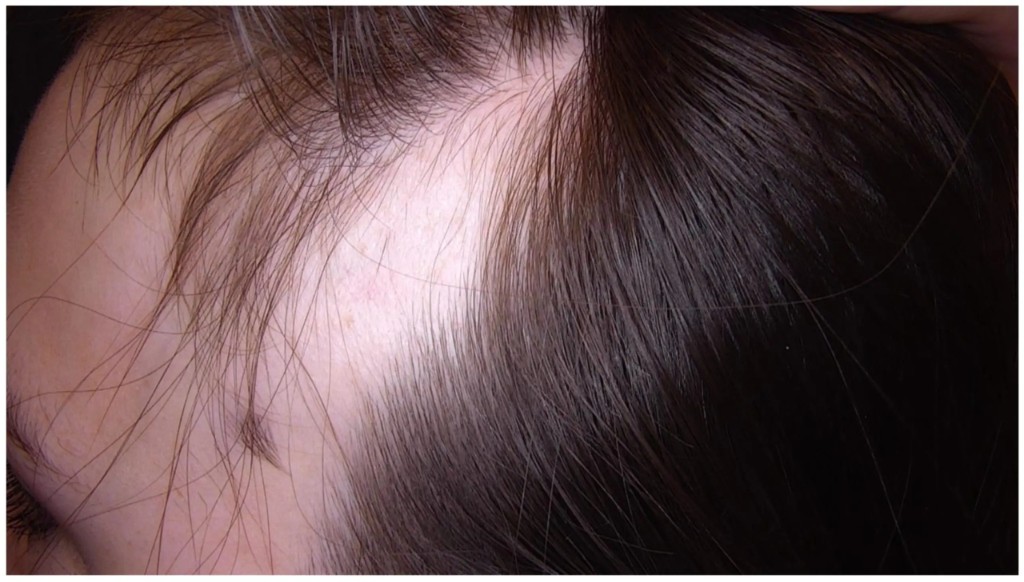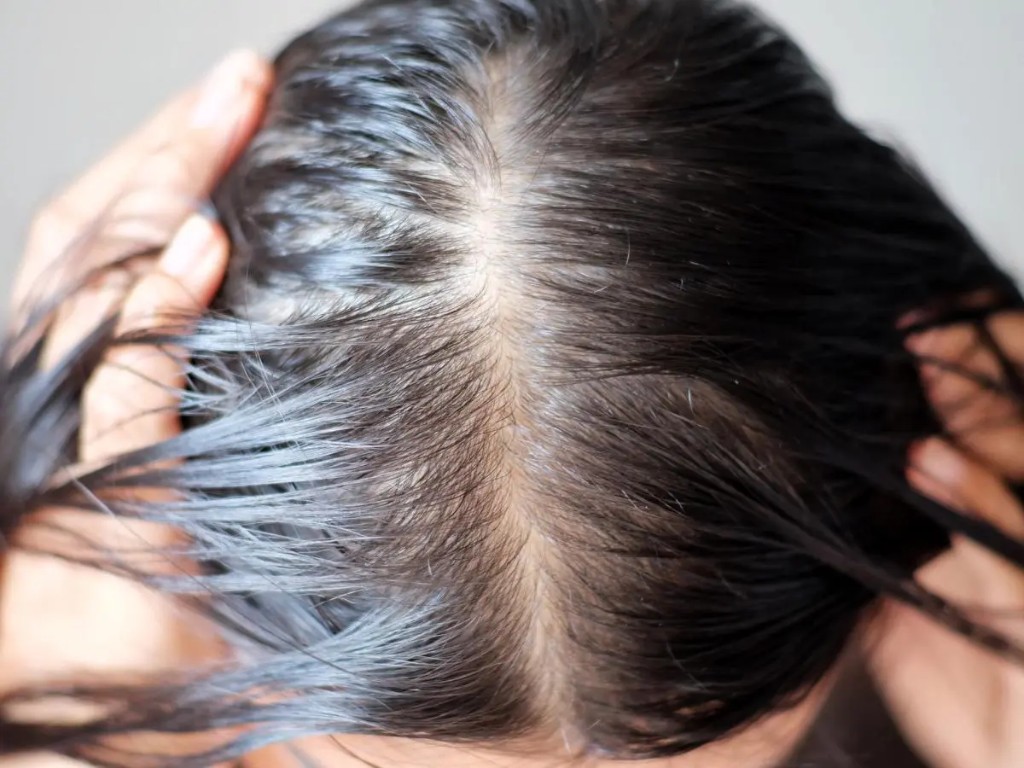
Hair loss myths spread quickly online. Washing, hats, stress, supplements and age limits are discussed every day, but not every popular claim is true.
Believing the wrong myth can delay useful treatment, waste money on products that do not match your diagnosis, or create unnecessary fear about normal daily habits.
The facts are usually simpler: hair loss has many causes, genetics and hormones matter for many people, and the right plan depends on your pattern, scalp health and goals.
At Turkus Hair Transplant Clinic, Spain, patients receive a personal evaluation to separate myths from facts and learn which habits, medical support or transplant options may fit.
If you are unsure what is true and what is fiction, a free consultation at Turkus Hair Transplant Clinic is a practical first step.
This guide busts common hair loss myths, explains what is actually supported by evidence, and shows when to seek professional advice in Spain.
Quick Insights
- Frequent gentle washing does not cause permanent baldness by itself.
- Normal hat use does not stop hair growth in healthy follicles.
- Stress can trigger shedding, but it does not explain every pattern of loss.
- Supplements may help deficiencies, but they do not cure genetic hair loss alone.
- PRP may support selected cases, but it does not replace transplant for advanced thinning.
- Young adults can sometimes be candidates when loss is stable and donor area is suitable.
- Women can qualify for hair transplant when the diagnosis supports it.
- FUE, DHI and Sapphire FUE remain proven options when transplant is indicated.
- Turkus Hair Transplant Clinic, Spain helps you build a plan based on facts, not myths.
Myth: Washing Your Hair Causes Baldness
This is one of the most common fears. Many people reduce washing because they think shampoo or water weakens roots and speeds up baldness.
In reality, washing removes oil, sweat and product buildup. A clean scalp is usually healthier than a scalp left oily for too long.
What is true:
- gentle washing with a suitable shampoo is normal and healthy for most people
- shedding in the shower often includes hairs that were already in the resting phase
- very harsh products or aggressive scrubbing can irritate the scalp, but that is not the same as genetic baldness
- the number of hairs you see after washing does not always equal new permanent loss
If shedding is increasing for months, the cause is usually deeper than washing frequency. A professional assessment is more useful than washing less out of fear.
Myth: Wearing Hats Makes You Go Bald
Normal hat use does not suffocate healthy follicles or stop growth permanently.
Hair does not need constant exposure to air in the way many online posts suggest.
Problems appear mainly when:
- hats are extremely tight every day and create constant traction
- the scalp stays sweaty and irritated for long periods without hygiene
- dirty caps rub an inflamed scalp repeatedly
- tight hairstyles under the hat pull the hairline backward over time
A loose or comfortable hat for sun protection or cold weather is not a common cause of pattern baldness. Traction and scalp irritation are the real concerns.
Myth: Stress Alone Causes Permanent Baldness
Stress matters, but it is not the full story for every patient.
Major stress, illness, surgery or poor sleep can trigger telogen effluvium, a temporary shedding phase that may improve when the trigger passes.
What people often confuse:
- temporary stress-related shedding
- genetic pattern loss at the temples or crown
- hormonal changes
- thyroid or nutritional problems
- scalp inflammation
If your hairline or crown keeps thinning over years, stress alone is unlikely to be the only explanation. A clinic review can identify the real pattern.
Myth: Supplements Cure Genetic Hair Loss
Supplements are popular because they are easy to buy and promise fast results. Some can help when a real deficiency exists, such as low iron or low vitamin D.
They do not rewrite genetics. Androgenetic hair loss usually needs a broader plan, not a random multivitamin alone.
Supplements may be useful when:
- blood tests show a deficiency
- shedding started after poor nutrition or rapid weight loss
- your doctor confirms a medical reason for supplementation
They are not a guaranteed cure for progressive thinning at the hairline or crown. Evidence-based medical options and transplant planning may still be needed.
Myth: PRP Replaces Hair Transplant
PRP can support selected patients by improving scalp condition and supporting weaker follicles in some cases.
It is not a universal substitute for transplant when follicles are already miniaturized or lost in large areas.
PRP may be discussed when:
- thinning is early
- the goal is maintenance rather than full restoration of a bald zone
- the clinic recommends it as part of a broader plan
- donor area and native hair still need protection long term
When density is gone in a visible zone, FUE, DHI or Sapphire FUE transplant may be the realistic option to restore coverage. Turkus Hair Transplant Clinic explains which path fits after examination.
Myth: You Are Too Young for a Hair Transplant
Age alone does not decide everything. Some patients in their twenties are poor candidates because loss is still unstable. Others may be suitable when the pattern is clear and expectations are realistic.
Doctors usually consider:
- how fast hair loss is progressing
- family history
- donor density
- future loss risk
- medical history
- whether medical treatment should come first
The goal is not to operate too early and use donor grafts unwisely. The goal is to time transplant when the plan is sustainable.
Myth: Women Cannot Have a Hair Transplant
Women lose hair too, and transplant is possible for many female patients when the diagnosis is correct.
Female pattern loss can look different from male pattern loss. Diffuse thinning, part widening and temple changes need careful evaluation.
Women may be candidates when:
- there is a stable area suitable for transplant
- donor hair is strong enough
- blood tests rule out major treatable causes first
- expectations match what grafts can realistically restore
The myth that transplant is only for men blocks many women from asking early. A consultation can clarify whether medical care, PRP support or FUE, DHI or Sapphire FUE fits.
Myth: Brushing or Combing Causes Permanent Baldness
Normal brushing does not cause pattern baldness. Hair that falls during combing is often hair that was already ready to shed.
Damage appears when brushing is rough, hair is wet and stretched, or styles create constant pull.
Safer habits include:
- wide-tooth comb on wet hair
- gentle detangling from ends upward
- avoiding aggressive backcombing every day
- reducing tight styles that stress the hairline
Myth: Shaving Makes Hair Grow Back Thicker
Shaving changes how hair feels at the surface because the tip is blunt for a while. It does not change the follicle depth or create permanently thicker strands.
This myth persists because regrowth can look darker or coarser for a short time. It is not a treatment for baldness.
Myth: Hair Loss Only Happens to Men
Men are more likely to show obvious temple and crown changes, but women commonly experience shedding, widening part lines and reduced density.
Ignoring female hair loss as normal aging can delay useful treatment.
Myth: One Product or Home Remedy Works for Everyone
Hair loss is not one disease. Genetic thinning, postpartum shedding, thyroid problems, scalp inflammation and traction damage all need different approaches.
A product that helped one person online may do nothing for another diagnosis.
That is why personalized planning matters more than viral recommendations.
Facts About Hair Loss Worth Knowing
Useful facts include:
- daily shedding of some hairs is normal
- pattern loss often runs in families
- early evaluation gives more options
- scalp health affects hair quality
- medical treatment may slow progression in selected cases
- transplant restores hair in chosen zones but does not stop future loss everywhere
- long-term planning protects donor area and native hair
- realistic expectations improve satisfaction
Facts do not mean every case needs surgery. They mean the right step depends on cause, not on the loudest myth online.
When to Visit a Clinic
Book a consultation if you notice:
- progressive temple recession
- crown thinning over months
- widening part line
- visible scalp where density used to be stronger
- shedding that continues after lifestyle changes
- scalp pain, burning or heavy flaking
- patchy loss or sudden bald spots
- uncertainty after trying many products without results
At Turkus Hair Transplant Clinic, Spain, the team reviews your pattern, scalp, donor area and goals before recommending medical care, PRP support or FUE, DHI or Sapphire FUE transplant.
How Turkus Hair Transplant Clinic Can Help
A fact-based consultation may include:
- pattern analysis
- scalp and donor evaluation
- discussion of medical options when suitable
- clarity on whether PRP may help
- transplant planning if indicated
- method comparison between FUE, DHI and Sapphire FUE
- long-term density strategy
- aftercare guidance
You leave with a clearer plan instead of guessing based on social media myths.
Frequently Asked Questions
Does washing hair every day cause baldness?
Daily gentle washing is usually safe for most people. Persistent increased shedding over months needs diagnosis, not just less washing.
Can hats cause hair loss?
Normal hat use is not a typical cause of pattern baldness. Very tight daily traction or poor scalp hygiene are different issues.
Can stress make your hair fall out?
Yes, major stress can trigger temporary shedding. Long-term temple or crown thinning usually needs a broader evaluation.
Do supplements stop genetic hair loss?
They may help when a deficiency exists, but they do not replace a full plan for progressive genetic thinning.
Is PRP better than hair transplant?
They solve different problems. PRP may support maintenance in selected cases. Transplant restores visible bald or very thin zones.
Am I too young for FUE or DHI?
Not always. Stability, donor quality and future loss risk matter more than age alone.
Can women have FUE or Sapphire FUE?
Yes, when examination confirms a suitable pattern and donor area.
Which method is best at Turkus Hair Transplant Clinic?
FUE, DHI and Sapphire FUE each have strengths. The best choice depends on your zone priorities, donor hair and desired hairline design.
Final Thoughts
Hair loss myths are common, but they should not control your decisions. Washing, hats and stress are often misunderstood, while supplements and PRP are sometimes overpromised.
The reliable path is simple: identify the cause, protect existing hair, and choose treatment or transplant only when it matches your diagnosis.
If you want clear answers instead of internet fiction, book a free consultation at Turkus Hair Transplant Clinic, Spain. The team will explain your options, including FUE, DHI and Sapphire FUE when transplant is appropriate.