
If you are searching stress and hair loss, you are probably already worried. Hair in the shower drain. A wider part. A ponytail that feels thinner than last month. You are not imagining it, and you are not alone.
Stress-related hair shedding is real and commonly misunderstood. Many people assume sudden shedding means permanent loss. In reality, stress induced alopecia often follows a predictable pattern and is reversible in many cases.
Medical sources like the American Academy of Dermatology and Cleveland Clinic explain that intense physical or emotional stress can push hair follicles into a resting phase, leading to increased shedding weeks or months later. This is telogen effluvium.
What makes this confusing is timing. Hair does not fall out the moment stress happens. Shedding usually starts two to three months later. Panic follows. Hair checking increases. Stress increases again. The cycle feeds itself.
Specialists at Turkus Hair Transplant Clinic note: "Stress-related hair loss is often temporary, but anxiety around it can prolong the problem. The first goal is to understand what is happening, not to rush into treatment."
This guide explains why stress causes hair loss, how to recognize stress-related shedding, how to tell if something else is happening, and how to stop stress hair loss without false promises. We also answer: does hair loss from stress grow back.
Is this stress hair loss or something else?

Before trying to fix stress and hair loss, you need to know what you are dealing with. Not all shedding is stress-related, and treating the wrong problem wastes time and increases anxiety.
The 3-minute self-check most people skip
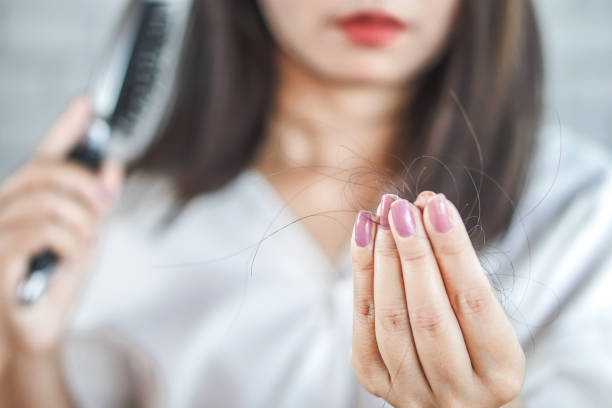
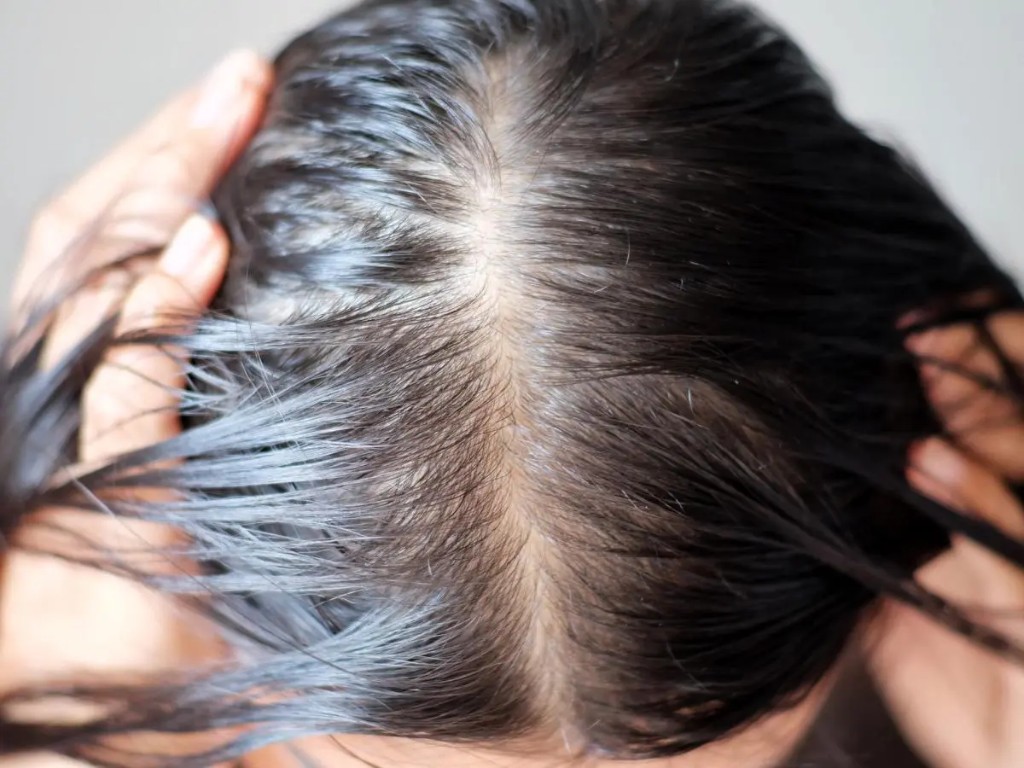
Stress-related shedding usually looks diffuse. Hair comes out from all over the scalp, not one specific spot. You may notice more hair on your pillow, in the shower, or on your brush. The scalp usually looks healthy with no redness or scarring.
- Sudden increase in daily shedding
- Thinner ponytail or wider part
- No visible bald patches
- Normal-looking scalp
Stress shedding vs genetic hair loss
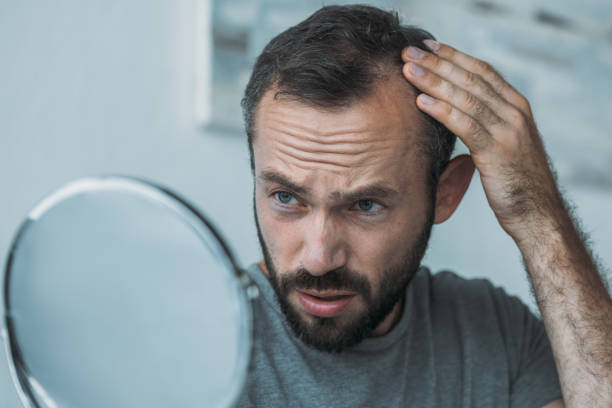
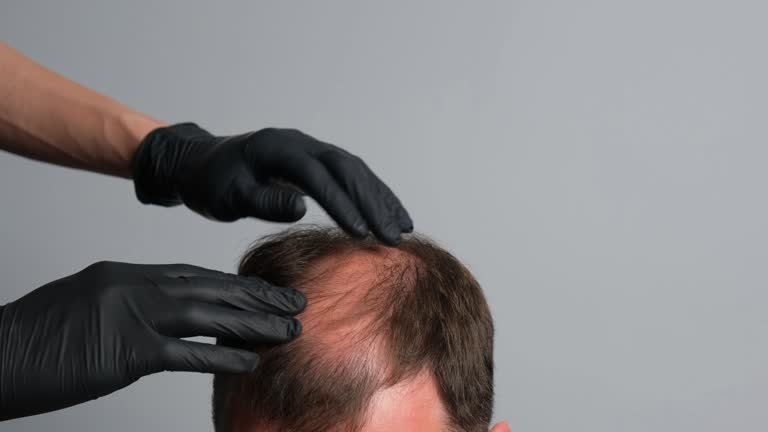
Genetic hair loss progresses slowly and affects specific areas: temples in men, crown or part line in women. Stress male hair loss and stress female hair loss usually show up everywhere at once. If density changed quickly over weeks, stress is more likely than genetics.
When stress is not the full story
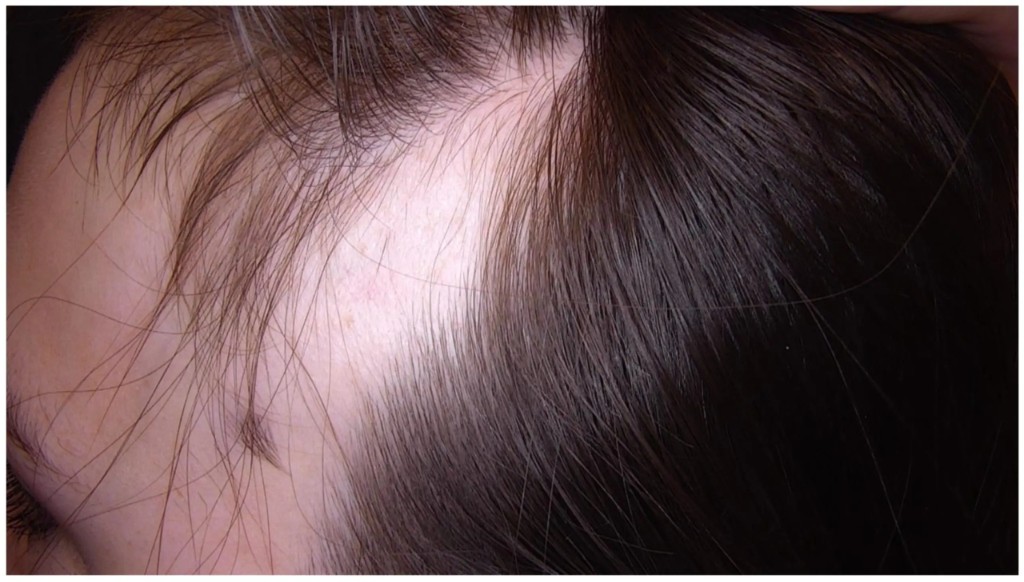
Patchy hair loss, sudden eyebrow loss, or scalp pain are not typical for stress shedding. Alopecia areata or medical deficiencies can flare during stressful periods.
Specialists at Turkus Hair Transplant Clinic note: "Stress can reveal other problems that were already there. That is why diagnosis matters more than assumptions."
Red flags that need medical evaluation
- Round or oval bald patches
- Burning, itching, or pain on the scalp
- Hair loss continuing longer than six months
- Nail changes or fatigue alongside shedding
Why stress causes hair loss (and why it starts later)
The hair growth cycle, explained simply
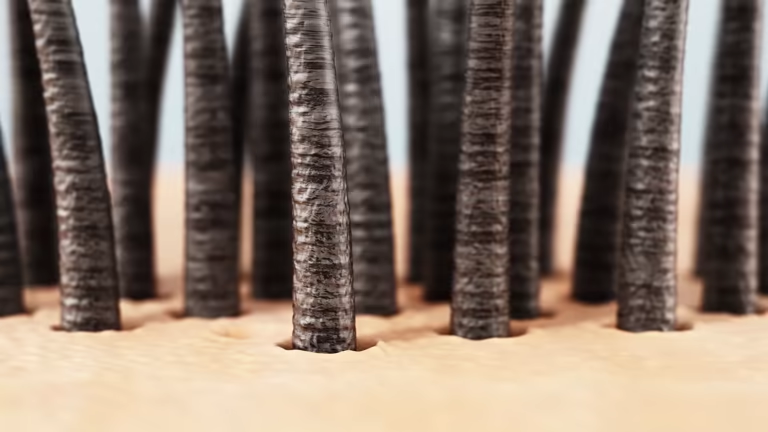
Hair grows in cycles. Most strands stay in the growth phase for years. A smaller portion rests, then sheds naturally. Under significant stress, the body shifts priorities and pushes more follicles into the resting phase earlier. This does not damage the follicle. It pauses it.
Why shedding starts 2 to 3 months later
Hair does not fall out immediately after stress. Once a follicle enters the resting phase, it stays there for weeks. Shedding begins when new growth tries to restart. Triggers include severe emotional stress, illness, surgery, or rapid weight loss.
Acute stress vs ongoing stress
Short-term stress usually causes a temporary shed. Ongoing stress or chronic anxiety can keep follicles in the resting phase longer and slow recovery.
Specialists at Turkus Hair Transplant Clinic note: "The follicle is resilient. What delays recovery is repeated stress signals, not one bad week."
What this means for recovery
Stress-related shedding does not mean follicles are dying. It means timing is off. Once the body stabilizes, hair growth often resumes.
Stress-related hair loss types people often confuse
Telogen effluvium: the most common stress response

Telogen effluvium is the classic pattern behind stress induced alopecia. Hair sheds evenly across the scalp with no bald patches. The scalp looks healthy. Medical guidance describes it as reversible once the trigger resolves.
Specialists at Turkus Hair Transplant Clinic note: "In telogen effluvium, the follicle is alive. It is waiting. Our job is to remove obstacles, not attack the scalp."
Alopecia areata: patchy loss that can flare with stress
Alopecia areata is different. Hair falls out in round or oval patches. Stress does not cause this condition, but it can trigger flare-ups. If you see clear patches, stress is not the whole story.
Trichotillomania: stress expressed through pulling

Trichotillomania involves repetitive hair pulling during anxiety. Hair loss appears uneven or localized to reachable areas. The scalp itself is usually healthy.
Why correct identification matters
Telogen effluvium improves with stabilization. Alopecia areata needs medical support. Trichotillomania requires behavioral care. Treating all stress-related hair loss the same delays recovery.
What usually triggers stress hair loss (and how to find your trigger)

Why triggers matter more than symptoms
Stress-related shedding is usually a delayed reaction. The key is not guessing. It is mapping.
The 2 to 3 month trigger window
- Illness with fever
- Surgery or injury
- Major emotional shock
- Sudden lifestyle disruption
- Rapid weight loss or restrictive dieting
Common triggers people underestimate
- Chronic anxiety without a clear event
- Long-term sleep disruption
- Overtraining or sudden exercise extremes
- Skipping meals while under pressure
Specialists at Turkus Hair Transplant Clinic note: "Most patients focus on shedding. The real work is finding what pushed the follicles off schedule."
Starting or changing mood medication can also overlap with shedding. If you suspect antidepressant hair loss, keep taking prescribed treatment unless your doctor advises otherwise, and use blood tests plus a scalp review to separate stress from medication-related telogen effluvium.
Build a simple trigger timeline
Write down the three months before shedding began. Note illnesses, emotional stress, diet changes, or travel. Patterns usually appear quickly.
How to stop stress hair loss (what to do this week)
First, stop the panic behaviors
Shedding improves faster when you reduce constant checking. Pulling hair to test it, counting strands, or mirror staring increases anxiety and can prolong shedding.
Specialists at Turkus Hair Transplant Clinic note: "The follicle does not need aggression. It needs stability. Overchecking delays both."
The simple routine that actually helps
- Wash regularly with gentle handling
- No aggressive brushing on wet hair
- Avoid tight styles that add traction
Nutrition without extremes

Crash diets are a common trigger for stress female hair loss and stress male hair loss. Aim for regular meals with enough protein. Hydration and sleep matter more than most vitamins unless a deficiency is confirmed.
What about products and treatments?
Topical treatments like minoxidil can help in some cases but are not mandatory for telogen effluvium recovery. Starting too many products at once often increases anxiety.
What not to do
- Hair growth detoxes
- Aggressive scalp treatments
- Supplement overload
Does hair loss from stress grow back? What recovery really looks like
With stress-related shedding, especially telogen effluvium, the hair follicle is not damaged. It is paused. Once the trigger resolves and stress signals settle, follicles gradually return to the growth phase.
Specialists at Turkus Hair Transplant Clinic note: "If the follicle is intact, regrowth is expected. The challenge is patience, not potential."
What the regrowth timeline usually looks like
- First 1 to 2 months: shedding slows, hair still feels thin
- Around 3 months: early regrowth as fine baby hairs
- 6 to 9 months: density improves
- 12 months: often close to baseline
When regrowth feels delayed
If shedding continues beyond six months, stress may no longer be the only factor. Ongoing anxiety, nutritional deficiencies, hormonal issues, or genetic hair loss can overlap.
Signs you are recovering, even if it feels slow
- Less hair in the drain
- Short, upright regrowth near the hairline
- Reduced daily shedding consistency
When to seek help
If regrowth does not begin after several months, or if patterns change, medical evaluation is appropriate.
When to see a doctor and what to do next

When waiting is reasonable
If shedding started after a clear stressor, is diffuse not patchy, has been present less than six months, and is slowly improving, observation is often appropriate.
Specialists at Turkus Hair Transplant Clinic note: "The biggest mistake is chasing treatment too early. Stress hair loss improves when the body feels safe again."
When it is time for evaluation
- Shedding continues beyond six months
- Bald patches or eyebrow loss appear
- Scalp pain, burning, or redness develops
- Hair loss accelerates instead of slowing
- You suspect overlap with genetic hair loss
What a proper evaluation usually includes
- Reviewing your trigger timeline
- Examining scalp and hair density
- Simple tests if needed, such as iron or thyroid levels
FAQs about stress and hair loss
Does stress cause hair loss in everyone?
No. Individual sensitivity, genetics, and overall health matter. The same stressor can affect two people differently.
Does anxiety cause hair loss even without a major event?
Yes, it can. Chronic anxiety keeps stress hormones elevated and can prolong the resting phase.
Can stress cause hair thinning without visible shedding?
Yes. Reduced volume or a thinner ponytail may appear before obvious shedding.
Is stress male hair loss different from stress female hair loss?
The mechanism is the same. Patterns differ: men may overlap with temple or crown thinning; women often see diffuse thinning or a wider part.
How long does stress induced alopecia last?
Usually three to six months of noticeable shedding. Full density recovery can take up to a year.
Does hair loss from stress grow back fully?
In most cases, yes, as long as follicles remain healthy and triggers are addressed.
What makes stress hair loss worse?
Constant checking, crash dieting, poor sleep, and aggressive treatments. Stability matters more than stimulation.
Can stress trigger permanent hair loss?
Stress alone rarely causes permanent loss but can uncover genetic hair loss that was already developing.
Why Turkus takes a different approach to stress-related hair loss
At Turkus Hair Transplant Clinic, Spain, we do not treat stress and hair loss as a rush to procedures. Most stress-related shedding does not require surgery, and pushing patients too early often causes more harm than benefit.
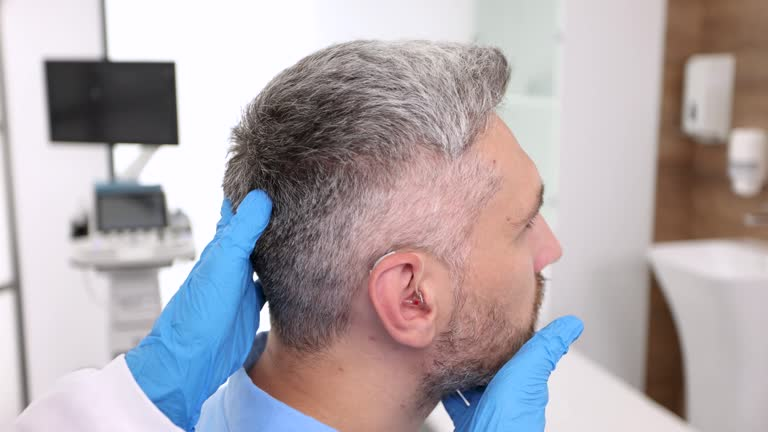
Our first step is diagnosis: shedding patterns, trigger timelines, scalp examination, and simple labs when needed. We distinguish temporary telogen effluvium from genetic hair loss or mixed patterns before recommending any intervention.
Specialists at Turkus Hair Transplant Clinic note: "When stress is the trigger, surgery is not the solution. Precision diagnosis protects the patient from unnecessary procedures."
If you want to know whether your hair loss is stress-related, overlapping with another condition, or part of normal recovery, book a free hair analysis and speak with a specialist for a plan based on evidence, not fear.