Noticing more hair on your brush, a widening part line, or an itchy scalp can be frustrating. You search online and quickly find conflicting advice: see a dermatologist, visit a trichologist, book a hair transplant consultation, or try a new shampoo.
A trichologist is a specialist focused on hair and scalp health. The title sounds medical, but qualifications vary widely between countries. In some regions trichologists are certified through dedicated training programs. In others the term is used more loosely.
Many patients at Turkus Hair Transplant Clinic in Spain arrive unsure who they should see first. Some have already spent months on products that did not address the real cause. Others worry they are being pushed toward surgery too early.
Understanding what a trichologist does, what they cannot do, and how they work with dermatologists and transplant teams helps you choose the right next step.
This guide explains trichology in plain language: training backgrounds, typical consultations, conditions they evaluate, limits on prescribing, and when medical referral is necessary.
Specialists at Turkus Hair Transplant Clinic, Spain note: "Patients often ask whether they need a trichologist, a dermatologist, or a surgeon. The honest answer depends on symptoms, duration, and whether a medical diagnosis is required before any treatment plan."
Whether you are dealing with early thinning, sudden shedding, scalp flaking, or planning long-term restoration, the goal is the same: identify the cause before committing to therapy or surgery.
Below we walk through what trichologists study, how consultations work in practice, and how Turkus approaches hair loss evaluation locally in Spain.
Quick Insights
- A trichologist specializes in hair and scalp health but is not always a medical doctor.
- Trichologists often perform detailed history taking, scalp examination, and trichoscopy.
- They may help with thinning, telogen effluvium patterns, dandruff, breakage, and care planning.
- Medical diagnosis and prescription treatment usually require a physician such as a dermatologist.
- Collaboration between trichologists, dermatologists, and transplant teams often produces the clearest plan.
- At Turkus Hair Transplant Clinic in Spain, evaluation focuses on cause first, then medical or surgical options when appropriate.
What Is a Trichologist?
Trichology is the study of hair and scalp science. A trichologist applies that knowledge to evaluate shedding, thinning, scalp irritation, breakage, and hair quality concerns.
Training paths differ. Some trichologists complete formal certification through recognized trichology institutes. Others combine cosmetology, nursing, or allied health backgrounds with specialized courses. Always check credentials rather than assuming the title alone guarantees expertise.
What trichologists study
- Hair growth cycle and follicle biology
- Scalp skin conditions that affect hair
- Nutrition and lifestyle factors linked to shedding
- Cosmetic and topical care for hair and scalp
- Trichoscopy and visual pattern assessment
- When to refer patients for medical testing
Good trichology training emphasizes pattern recognition: distinguishing diffuse shedding from progressive miniaturization, identifying breakage from true follicle loss, and spotting signs that require physician referral.
Conditions trichologists commonly see
Trichologists frequently evaluate androgenetic thinning, telogen effluvium after stress or illness, seborrheic scalp issues, traction-related breakage, and product-related irritation. They also support patients preparing for or recovering from procedures such as PRP or hair transplantation.
They do not replace medical specialists for autoimmune alopecia, scarring alopecia, severe infection, or complex systemic disease.
Why trichology matters in hair loss care
Hair loss is visible and emotional. A structured scalp and hair assessment can prevent months of guessing. Trichologists often spend more consultation time on history and imaging than a brief general appointment allows.
That depth helps when multiple factors overlap, such as seasonal shedding on top of early pattern thinning or stress-related telogen effluvium alongside hormonal changes.
Specialists at Turkus Hair Transplant Clinic, Spain note: "Trichology is most valuable when it connects observation to action: clear documentation of the pattern, honest limits of non-medical care, and timely referral when labs or prescriptions are needed."
For background on broader triggers, see our guide to hair loss causes.
Is a Trichologist a Medical Doctor?
In most countries, a trichologist is not automatically a physician. Some trichologists are also doctors or dermatologists who added trichology training. Many are certified specialists without prescribing rights.
This distinction matters because patients sometimes assume any hair specialist can diagnose disease and prescribe medication. That is not always true.
Trichologist vs dermatologist credentials
A dermatologist is a medical doctor specializing in skin, hair, and nail disease. Dermatologists can order blood tests, perform biopsies, prescribe medications, and treat autoimmune or scarring alopecia.
A trichologist may excel at scalp examination, trichoscopy, lifestyle review, and supportive care plans but typically cannot replace that medical authority.
International variation in the title
Regulation varies. In the United Kingdom and parts of Europe, trichology certifications exist through professional bodies. In Spain and elsewhere, patients should verify training, continuing education, and whether the specialist works with medical partners.
Do not choose based on marketing language alone. Ask what examinations are performed, what tools are used, and who handles medical referrals.
When to see a dermatologist first
- Rapid patchy hair loss suggesting alopecia areata
- Scarring, burning, or painful scalp changes
- Pustules, heavy crusting, or suspected infection
- Hair loss with systemic symptoms such as fatigue or weight change
- Failed improvement after months of non-medical treatment
Dermatology is often the right first step when medical disease is suspected. Trichology can still add value afterward for maintenance planning and cosmetic support.
Collaboration between specialists
The best patient experience often combines skills. A dermatologist may diagnose thyroid-related shedding or prescribe therapy. A trichologist may monitor response, adjust scalp care, and document trichoscopy over time. A transplant team evaluates surgical candidacy once the pattern stabilizes.
Specialists at Turkus Hair Transplant Clinic, Spain note: "We see the strongest outcomes when diagnosis, supportive care, and surgical planning are connected rather than treated as separate conversations."
What Does a Trichologist Do?
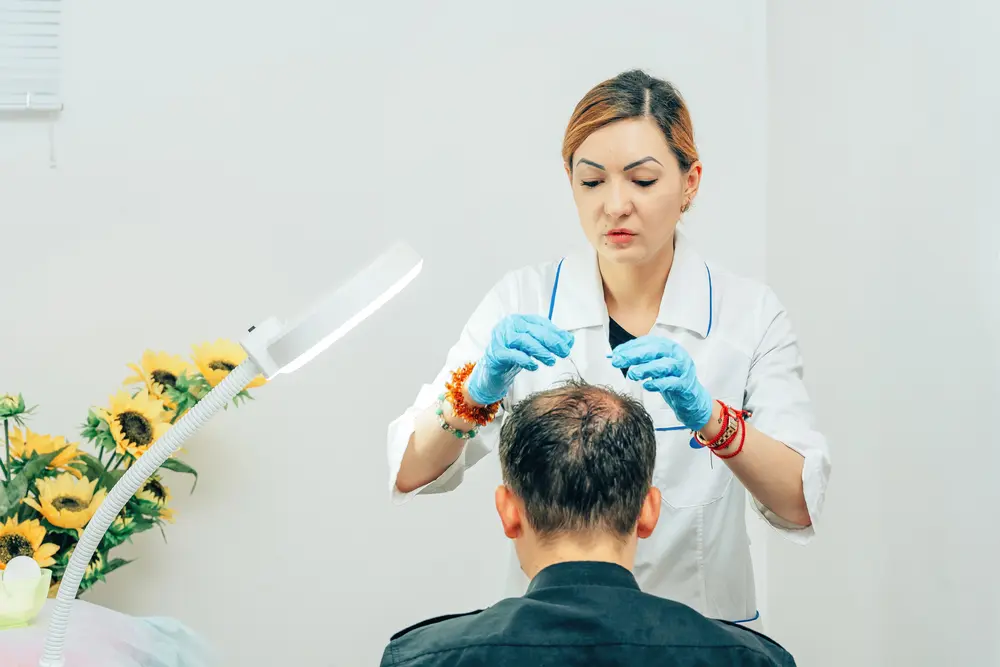
Initial evaluation and history
A trichologist usually begins with a detailed history: when shedding started, whether it is diffuse or patterned, medications, stress, diet, hair styling habits, recent illness, and family history. Timeline questions help separate telogen effluvium from progressive thinning.
Trichoscopy and scalp imaging
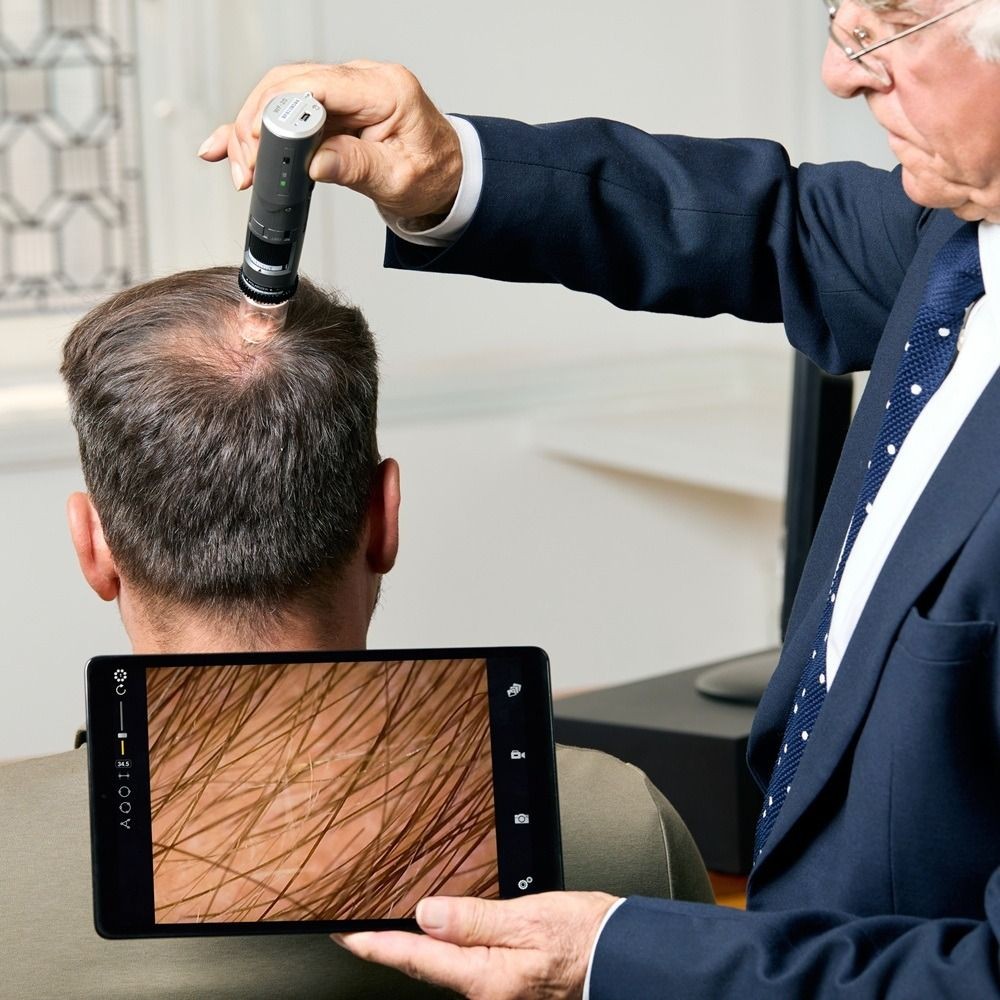
Trichoscopy uses magnification to view follicle openings, hair shaft diameter variation, yellow dots, empty follicles, and scalp scaling. It supports differentiation between miniaturization and breakage and can guide whether medical referral is urgent.
Lifestyle, nutrition and hair care review
Trichologists often review washing frequency, heat styling, tight hairstyles, salon chemical treatments, and supplement use. They may suggest changes that reduce breakage or scalp irritation while medical causes are investigated.
Stress and hair loss frequently overlap. A trichologist may discuss recovery timelines and refer you to resources on stress-related shedding while medical evaluation continues.
Limits of non-medical diagnosis
Trichologists can identify patterns and red flags but cannot always confirm systemic disease without physician-led testing. Responsible practice includes saying when blood work, biopsy, or dermatology referral is required rather than selling a single product line.
No specialist can guarantee regrowth for every patient. Language should stay realistic: may be suitable, requires evaluation, results vary.
What Conditions Can a Trichologist Help With?
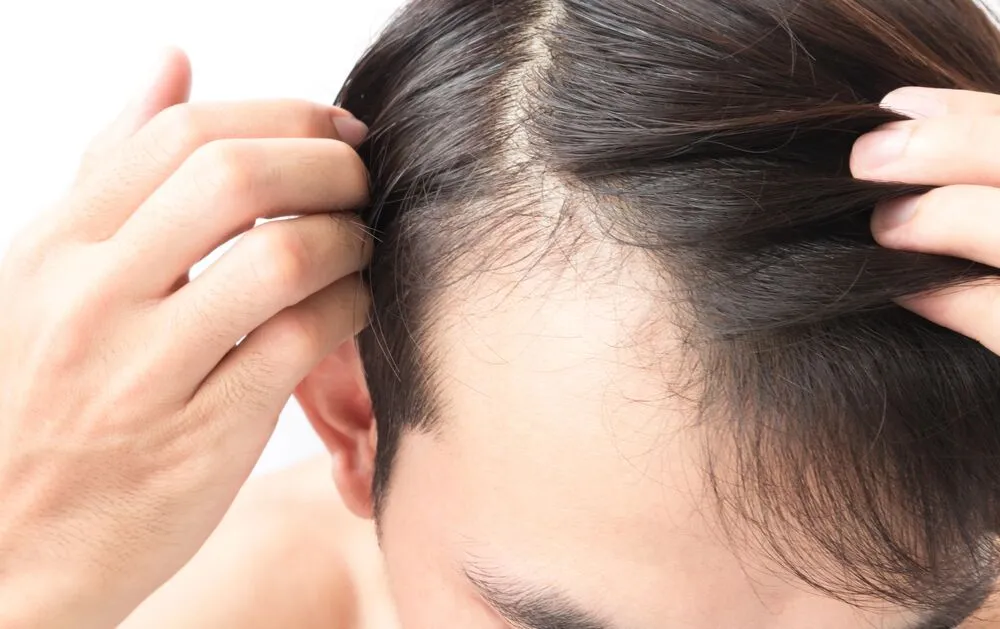
Thinning and pattern hair loss
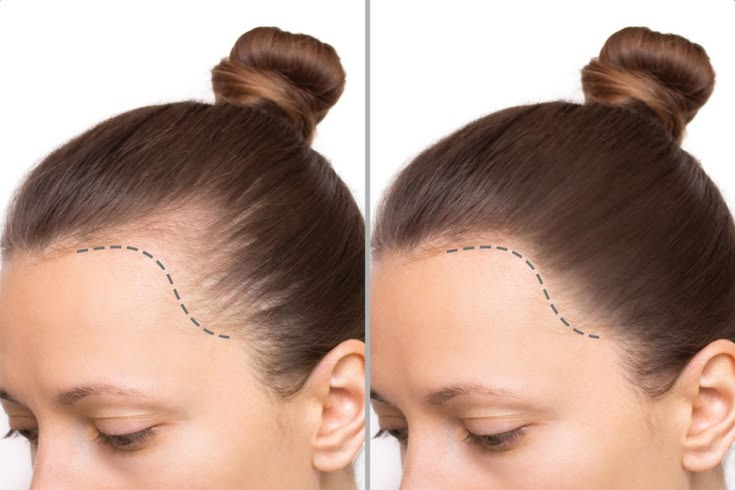
Early androgenetic thinning, widening part lines, and reduced ponytail volume are common presentations. Trichoscopy helps document miniaturization and monitor change over follow-up visits.
Hormonal hair loss may overlap with genetic pattern loss. Trichologists often recommend medical evaluation when hormonal symptoms are present.
Telogen effluvium and diffuse shedding
After illness, surgery, stress, or medication changes, many hairs can enter the resting phase at once. Trichologists help patients understand expected recovery timelines and distinguish temporary shedding from underlying pattern loss.
Seasonal hair loss can add another layer. Comparison with seasonal patterns may prevent unnecessary alarm.
Dandruff and scalp irritation
Flaking, itching, and seborrheic symptoms can accompany shedding. Trichologists may recommend scalp care routines and refer to dermatology when inflammation is severe or persistent.
Breakage vs true hair loss
Not every shorter hair in the brush represents follicle loss. Breakage from chemical damage, heat, or tension creates frayed ends and uneven length without miniaturization on trichoscopy. Correct identification prevents wrong treatment.
When medical referral is necessary
- Patchy bald spots or exclamation-mark hairs
- Scarring or smooth shiny patches
- Significant pain, bleeding, or pus
- Shedding with fever, joint pain, or rapid weight change
- Suspected medication-induced or endocrine-related loss
Timely referral protects patients from delayed treatment of treatable medical conditions.
What Happens During a Trichologist Consultation?
Before the appointment
Note when shedding increased, list medications and supplements, avoid heavy styling products on the day of examination if asked, and bring prior lab results if available. Photos from earlier months can help establish timeline.
During the visit
- Detailed medical and lifestyle history
- Visual scalp examination under good lighting
- Trichoscopy of representative areas
- Discussion of shampoos, treatments already tried
- Preliminary impression and next-step plan
Duration varies. Initial visits often last forty-five to ninety minutes when history and imaging are thorough. Follow-ups may be shorter and focus on comparison.
After the analysis
You should leave with a written or verbal summary: likely category of hair loss, whether medical referral is advised, suggested scalp care, and realistic timeline for reassessment. Vague promises without documentation are a warning sign.
Specialists at Turkus Hair Transplant Clinic, Spain note: "A useful consultation ends with clarity: what we think is happening, what we still need to test, and what you can do while waiting for results."
Trichologist vs Dermatologist: Which Do You Need?
Both professionals can play a role. The right choice depends on whether you need medical diagnosis, detailed scalp imaging, cosmetic support, or surgical planning.
When a trichologist may be enough
- Early thinning with stable general health
- Breakage linked to styling or care habits
- Mild scalp flaking responsive to routine changes
- Need for trichoscopy documentation and follow-up photos
- Supportive care while waiting for dermatology appointment
When a dermatologist is needed
- Suspected autoimmune or inflammatory alopecia
- Scarring or rapidly expanding bald patches
- Severe scalp disease requiring prescription therapy
- Blood tests, biopsy, or systemic treatment planning
- Hair loss with unexplained systemic symptoms
When collaboration helps most
- Pattern loss requiring both medical therapy and long-term monitoring
- Post-treatment scalp care after dermatology prescriptions
- Planning PRP or transplant after medical stabilization
- Female patients needing natural density planning and medical review
- Complex cases with stress, hormones, and genetic thinning combined
Female hair transplant planning especially benefits from coordinated assessment so expectations stay natural and medically appropriate.
Can a Trichologist Prescribe Medication?
In most settings, trichologists who are not licensed physicians cannot prescribe prescription-only medications such as oral finasteride, spironolactone, or topical steroids.
Exceptions exist when the trichologist is also a doctor or when local law allows specific allied health roles. Always confirm licensing before assuming prescription access.
What trichologists typically recommend
- Scalp care routines and gentle washing guidance
- Non-prescription topical options when appropriate
- Nutrition and lifestyle adjustments
- Referral to dermatology for medical therapy
- Supportive clinic treatments such as PRP when medically cleared
Learn more about PRP in our PRP treatment guide. PRP may support follicle health in selected cases but requires personalized evaluation.
Medical diagnosis remains a physician role
Confirming thyroid disease, iron deficiency, PCOS, or autoimmune alopecia requires medical workup. A responsible trichologist identifies suspicion and refers rather than treating serious disease cosmetically.
How to Choose a Qualified Trichologist
Check credentials and training
Ask where certification was obtained, whether continuing education is current, and whether the practice collaborates with dermatologists or physicians. Transparent specialists welcome questions.
Red flags to avoid
- Guaranteed full regrowth for every patient
- Pressure to buy large product packages immediately
- Dismissal of medical referral when symptoms are serious
- No trichoscopy or documented scalp imaging
- Surgery recommended without stability assessment
Evidence-based approach
Look for professionals who cite examination findings, explain limits of non-medical care, and adjust plans based on follow-up. Evidence-based trichology changes recommendations when new information appears.
Realistic expectations
Hair regrowth takes months. Some shedding improves with care changes. Progressive pattern loss may require long-term medical management or, when stable, surgical options. Consultation is recommended before committing to costly plans.
Specialists at Turkus Hair Transplant Clinic, Spain note: "If someone promises the same result to every patient without examining your scalp, that is a signal to pause and seek a second opinion."
How Turkus Approaches Hair Loss Evaluation
At Turkus Hair Transplant Clinic in Spain, consultations begin with cause, not procedure. Turkish surgical expertise supports our team, but your assessment, communication, and follow-up stay local in Spain.
We document pattern and density, use scalp imaging where appropriate, and distinguish breakage from miniaturization before discussing FUE, DHI, or Sapphire FUE.
Cause-first planning
Active telogen effluvium, uncontrolled medical triggers, or rapidly changing shedding usually requires stabilization before surgery. Rushing to graft numbers without diagnosis creates poor long-term planning.
Our team may recommend medical referral, supportive therapies, or monitoring intervals when surgery is not yet appropriate.
Scalp imaging and pattern documentation
Visual records help compare progress over time. Whether thinning is frontal, diffuse, or crown-focused changes the conversation about medical therapy versus transplant timing.
Long-term restoration planning
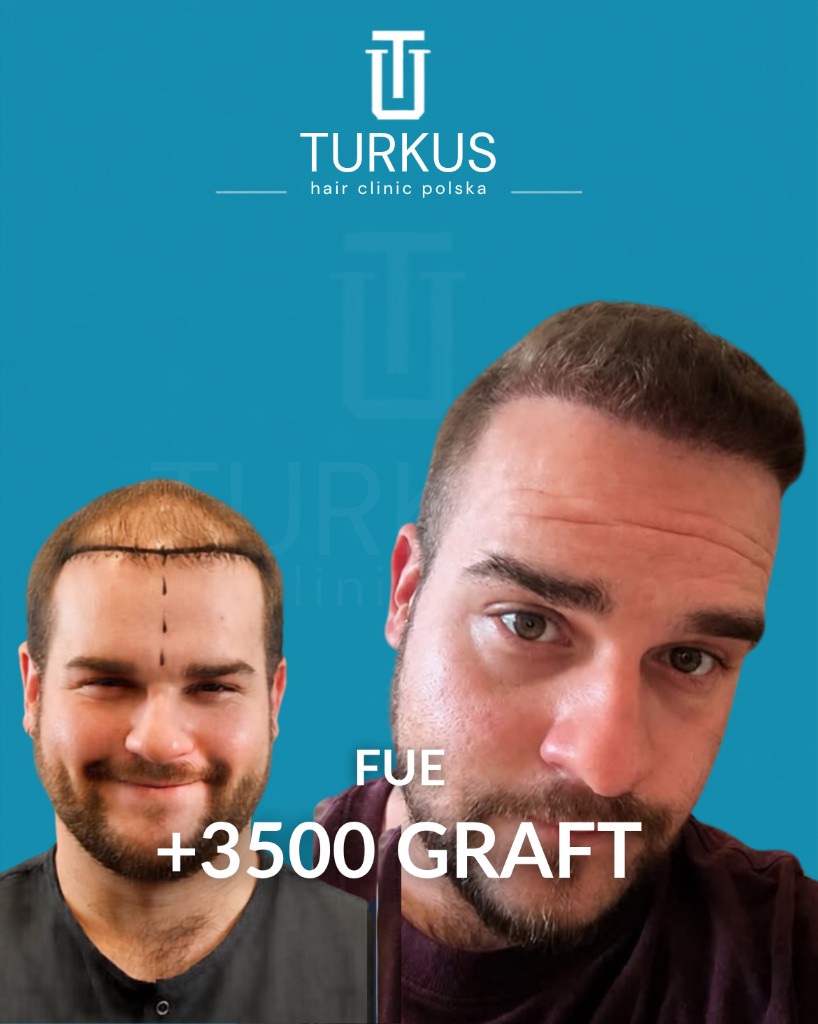
When transplantation may be suitable, we discuss donor management, realistic density, and future loss forecasting. Graft estimates require in-person consultation; online figures are not substitutes.
Options such as FUE, DHI, and Sapphire FUE are explained after individual assessment. Results vary between patients.
Supportive clinic care
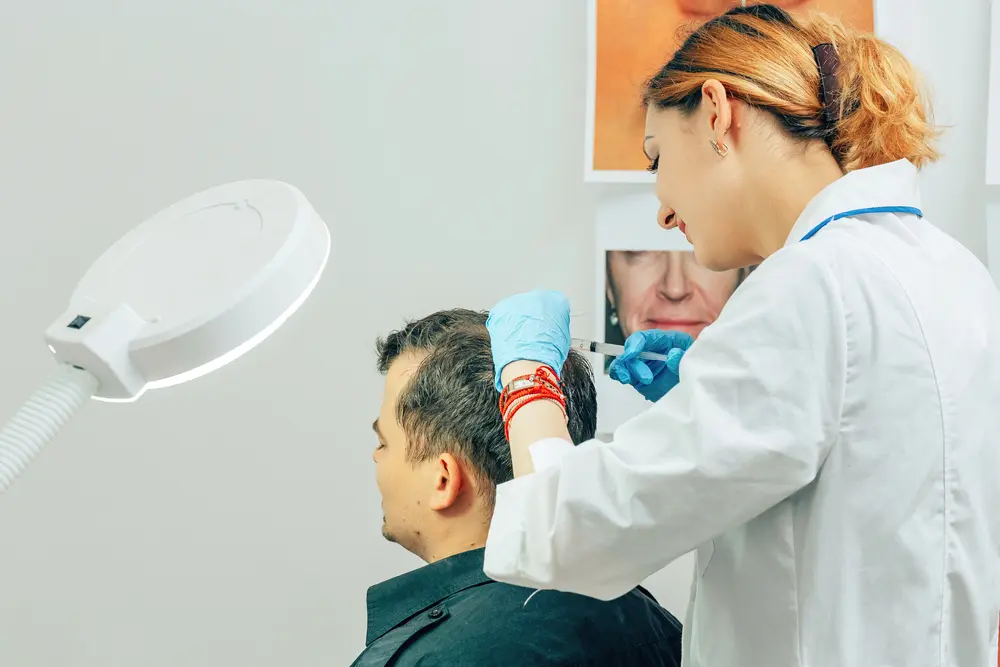
Supportive treatments including PRP may be considered for selected patients when medically cleared and aligned with goals. They do not replace diagnosis or physician-led therapy when those are needed.
Specialists at Turkus Hair Transplant Clinic, Spain note: "Our role is to give you a clear picture: what is happening now, what may help medically, what supportive options exist, and whether surgery belongs on the timeline at all."
Why Choose Turkus Hair Transplant Clinic?
Turkus is a Turkish-led hair transplant clinic in Spain. Turkish surgical expertise is part of our team; your consultation, procedure planning, and aftercare stay local in Spain.
We focus on natural-looking results, clear communication, and personalized follow-up in Spain. We do not recommend traveling to Turkey instead of local care.
Options such as FUE, DHI, and Sapphire FUE may be suitable after evaluation. Results vary between patients; graft estimates require a consultation, not online guesses.
Specialists at Turkus Hair Transplant Clinic, Spain note: "The goal is an honest plan based on your pattern and goals, not promises that apply to every patient."
FAQs About Trichologists
What is a trichologist?
A trichologist is a specialist focused on hair and scalp health. Training varies by country but typically includes study of hair biology, scalp conditions, trichoscopy, and care planning. Trichologists are not always medical doctors.
Is a trichologist a doctor?
Not necessarily. Some trichologists are also physicians or dermatologists, but many are certified hair and scalp specialists without medical licensing. Always verify credentials and prescribing authority.
What does a trichologist do during a consultation?
They take detailed history, examine the scalp, often perform trichoscopy, review hair care habits, and suggest next steps. They may recommend medical referral, scalp care changes, or supportive treatments when appropriate.
When should I see a trichologist?
Consider a trichologist for early thinning, persistent shedding, scalp flaking, breakage concerns, or structured monitoring before and after treatments. See a dermatologist first if you have patchy loss, scarring, severe inflammation, or systemic symptoms.
Can a trichologist diagnose hair loss?
Trichologists can identify patterns and contributing factors but may not confirm medical diseases without physician-led testing. Diagnosis of thyroid disorders, autoimmune alopecia, or other systemic causes usually requires a doctor.
Can a trichologist prescribe medication?
Usually not, unless they are also a licensed physician. Prescription treatments such as finasteride or spironolactone require medical supervision. Trichologists often refer patients to dermatologists for medication.
What is the difference between a trichologist and a dermatologist?
Dermatologists are medical doctors who diagnose and treat skin and hair disease, order tests, and prescribe medication. Trichologists focus on detailed hair and scalp assessment, trichoscopy, and supportive care, often collaborating with physicians.
Can a trichologist help with hair transplant planning?
Yes, when working with a transplant clinic they can document pattern, discuss stability, and help set expectations. Surgery should follow medical evaluation and candidacy assessment. Turkus provides integrated consultation in Spain.
How long does a trichologist appointment take?
Initial consultations often last forty-five to ninety minutes depending on history complexity and imaging. Follow-up visits are usually shorter and focus on comparison and plan adjustments.
Do I need a referral to see a trichologist?
In most private settings no referral is required. Medical insurance coverage varies. If autoimmune disease or severe scalp symptoms are present, dermatology referral may be advisable regardless of trichology visits.
Ready to Clarify Your Hair and Scalp Concerns?
Choosing the right specialist saves time and reduces anxiety. Whether you need detailed scalp assessment, medical referral guidance, or information about restoration options, start with an honest evaluation of your pattern and goals.
At Turkus Hair Transplant Clinic in Spain, you can book a free consultation for hair analysis and personalized discussion of medical, supportive, and surgical pathways when appropriate.
Specialists at Turkus Hair Transplant Clinic, Spain note: "Clarity comes before commitment. We help you understand what is happening on your scalp and which steps may be suitable for you."
Book a free consultation at Turkus Hair Transplant Clinic and explore options including FUE, DHI, and Sapphire FUE after evaluation. Review our hair transplant FAQ for additional answers, and read about hair loss causes when you want broader context. Results vary between patients; personalized assessment is recommended.