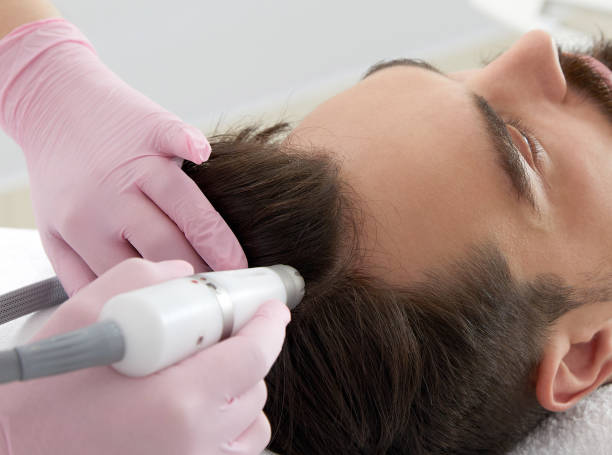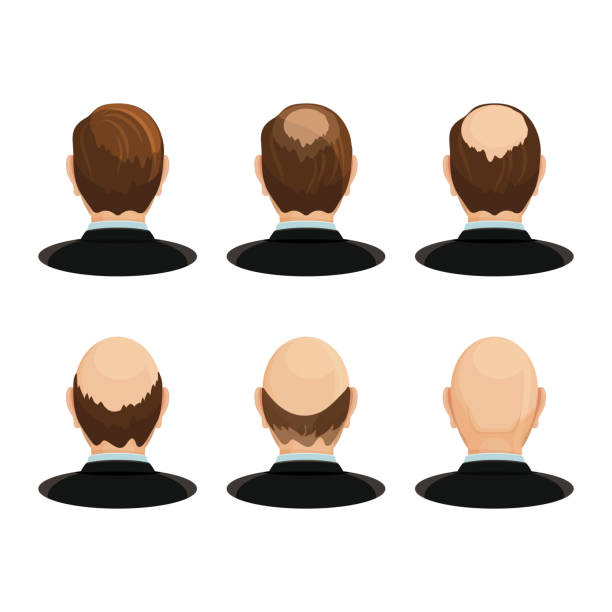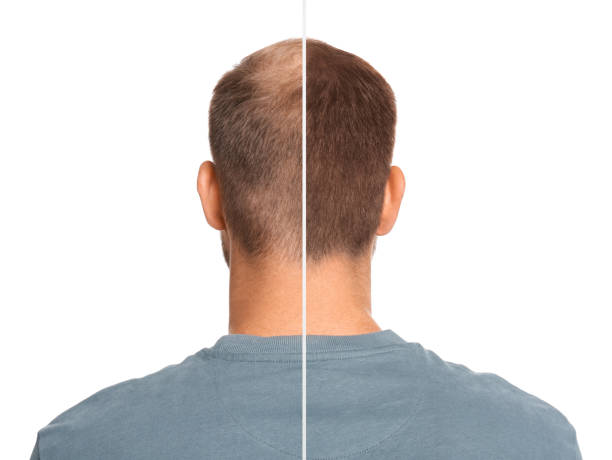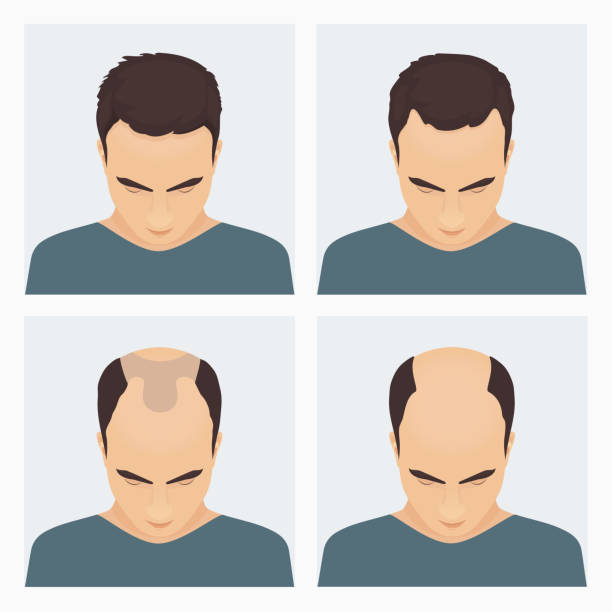
FUE hair transplant in Spain is one of the most popular options for patients who want natural-looking hair restoration without traveling abroad. FUE can help restore the hairline, improve frontal density, fill temple recession and support crown coverage in suitable patients.
At Turkus Hair Transplant Clinic in Spain, FUE hair transplant is planned around each patient's donor area, hair loss pattern, face shape and long-term goals. The goal is not only to add hair. The goal is to create a natural result that fits you.
This guide explains what FUE hair transplant is, who may be suitable, why donor area planning matters, how natural hairline design works, what to expect before and after FUE, why aftercare is important, and why patients choose Turkus Hair Transplant Clinic in Spain.
Quick Insights
- FUE is a modern hair transplant method.
- It uses individual follicular units from the donor area.
- FUE can be used for hairline, temples, frontal density and crown areas.
- Natural results depend on planning, angle, direction and hairline design.
- Donor area protection is essential.
- FUE is not one-size-fits-all.
- A consultation is needed to decide graft number and suitability.
- Turkus Hair Transplant Clinic offers personalized FUE planning in Spain.
What Is FUE Hair Transplant?
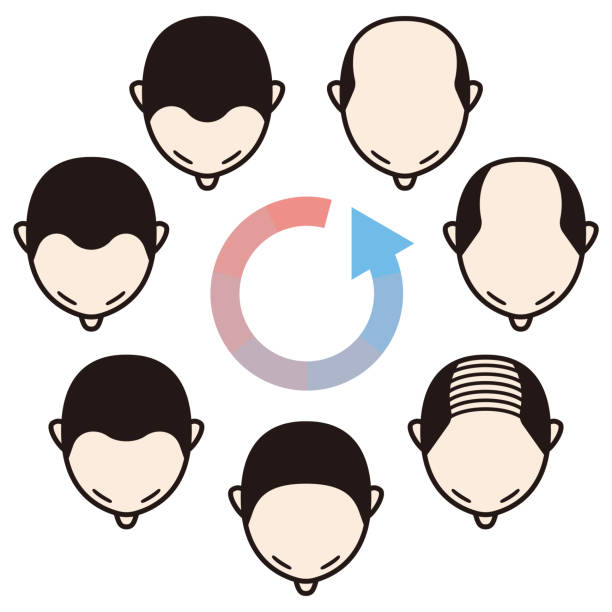
FUE stands for Follicular Unit Extraction. In FUE hair transplant, individual follicular units are taken from the donor area and implanted into thinning or bald areas. The donor area is usually the back and sides of the scalp, where hair is often more resistant to hair loss. FUE may be used to improve receding hairline, temple recession, frontal thinning, mid-scalp thinning, crown thinning and overall hair density.
Why Choose FUE Hair Transplant in Spain?
Many patients choose FUE hair transplant in Spain because they want treatment close to home with easier consultation, communication and follow-up. Benefits may include face-to-face consultation, local treatment, clear communication, easier aftercare, recovery at home, direct clinic support, no flight stress, personalized planning and long-term follow-up.
Who Is a Good Candidate for FUE?
A good FUE candidate usually has sufficient donor hair, realistic expectations, stable or manageable hair loss, healthy scalp condition, clear treatment goals, suitable hair thickness, good general health and understanding of the growth timeline. The best way to know if you are suitable is through a consultation.
Who May Not Be Suitable for FUE?
FUE may not be suitable if donor area is too weak, hair loss is too advanced for available grafts, expectations are unrealistic, scalp condition needs treatment first, medical factors affect healing or future hair loss risk is not planned. In these cases, the clinic may recommend a different plan or long-term strategy.
Donor Area Planning in FUE
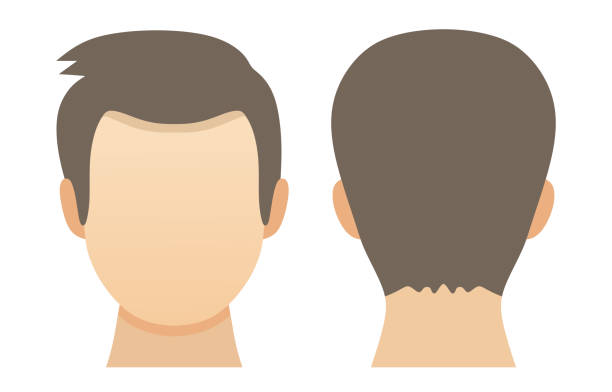
The donor area is limited, so it must be protected carefully. A good FUE plan should consider how many grafts can be safely taken, how to avoid overharvesting, how to keep donor area looking natural, whether future sessions may be needed, how to balance coverage and density and which areas should be prioritized. At Turkus Hair Transplant Clinic, donor area evaluation is an important part of treatment planning.
Natural Hairline Design with FUE
A natural hairline is one of the most important parts of FUE hair transplant. A good hairline should match face shape, age, forehead proportions, temple shape, hair type, donor capacity, future hair loss risk and natural growth direction. The hairline should not look too straight, too low or artificial.
FUE for Hairline Restoration
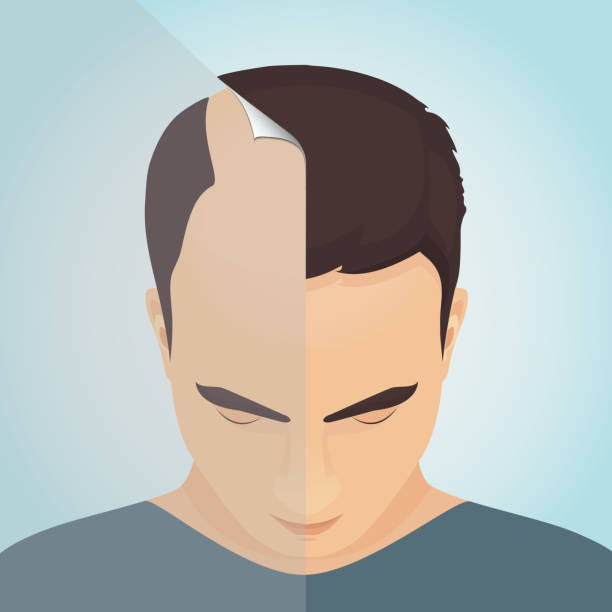
FUE can be used to restore a receding hairline. Hairline restoration should focus on soft irregularity, natural density, correct angle, single grafts in the front, age-appropriate placement and balanced temple connection.
FUE for Temple Recession
Temple recession is common in male pattern hair loss. FUE may help improve temple areas if the patient has enough donor hair and a suitable hair loss pattern. Temple work should be conservative and natural.
FUE for Crown Thinning
FUE may also be used for crown thinning. The crown often needs careful planning because it can require many grafts to create visible density. The clinic should decide whether crown coverage is realistic based on donor area strength.
FUE for Frontal Density
Some patients do not need a lower hairline but want stronger frontal density. FUE can help improve the front area by placing grafts where density is weaker. This can make styling easier and improve overall appearance.
How Many Grafts Are Needed for FUE?
The number of grafts depends on hair loss level, recipient area size, donor density, hair thickness, hair color, skin contrast, desired density and future hair loss risk. A consultation is needed for an accurate estimate. More grafts are not always better. Safe planning matters more.
Is FUE Painful?
FUE is usually performed under local anesthesia. Patients may feel some discomfort during anesthesia, but the procedure area is numbed for the treatment. After surgery, mild soreness, tightness or sensitivity can happen and usually improves with recovery.
What Happens Before FUE Hair Transplant?
Before FUE, the clinic usually evaluates hair loss pattern, donor area, medical history, hairline design, graft needs, suitable method, aftercare instructions and patient expectations. This helps create a personalized plan.
What Happens After FUE Hair Transplant?
After FUE, patients go through a recovery and growth timeline. This may include early healing, scab formation, mild redness, mild swelling, itching, shedding phase, new growth, density improvement and final result maturation. Patients should follow aftercare instructions carefully.
When Do FUE Results Appear?
FUE results develop gradually. Early changes happen during healing, but real growth takes time. Shedding can happen before new hair starts growing. Final results usually require patience because hair grows and matures over months.
FUE Aftercare
Aftercare is important for healthy recovery. Patients should follow clinic instructions about washing, sleeping, scab care, exercise, sun exposure, hats, hair products, medication, follow-up and when to contact the clinic.
FUE vs DHI
FUE and DHI are both hair transplant methods, but they are not the same. FUE usually refers to graft extraction and traditional implantation planning. DHI uses an implanter pen for placement. DHI may be useful for selected cases, but it is not automatically better than FUE.
FUE vs Sapphire FUE
Sapphire FUE uses sapphire blades for recipient site creation. It may help with precise channel opening and natural angle planning in suitable cases. The clinic should recommend the best option based on your hair loss, donor area and goals.
Why Choose Turkus Hair Transplant Clinic for FUE in Spain?
Patients may choose Turkus Hair Transplant Clinic because the clinic focuses on personalized planning and natural-looking results. Turkus Hair Transplant Clinic offers FUE hair transplant in Spain, donor area evaluation, natural hairline design, realistic graft planning, FUE, DHI and Sapphire FUE options, clear aftercare instructions, follow-up support, Spanish and English communication, treatment close to home and patient-focused care.
Questions to Ask Before FUE
Before choosing FUE, ask whether you are a good candidate, how strong your donor area is, how many grafts you need, which areas should be treated first, what hairline design suits you, what density is realistic, how your donor area will be protected, what aftercare is included, when you will see results and whether you can contact the clinic after surgery.
Frequently Asked Questions
Is FUE hair transplant available in Spain?
Yes. FUE hair transplant is available in Spain at Turkus Hair Transplant Clinic.
Is FUE good for hairline restoration?
Yes. FUE can be suitable for hairline restoration in the right candidate.
Can FUE improve temple recession?
Yes, if donor area and hair loss pattern are suitable.
Can FUE be used for crown thinning?
Yes, but crown planning requires careful graft management.
How many grafts do I need?
The number depends on hair loss level, donor area and desired coverage.
Is FUE painful?
FUE is usually performed under local anesthesia, and discomfort is usually manageable.
When do FUE results appear?
Results develop gradually over months. Final results require patience.
Is FUE better than DHI?
Not always. The best method depends on the patient's case.
Is Sapphire FUE better than regular FUE?
It may be useful in selected cases, but suitability depends on the treatment plan.
Where can I book FUE consultation in Spain?
You can book a free consultation at Turkus Hair Transplant Clinic in Spain.
Final Thoughts
FUE hair transplant in Spain can be a strong option for patients who want natural-looking results, local consultation and easier aftercare.
The most important parts of a successful FUE result are donor area protection, realistic graft planning, natural hairline design and proper follow-up.
If you are considering FUE hair transplant in Spain, book a free consultation at Turkus Hair Transplant Clinic. The team can evaluate your donor area, explain your options and create a personalized treatment plan for natural-looking results.