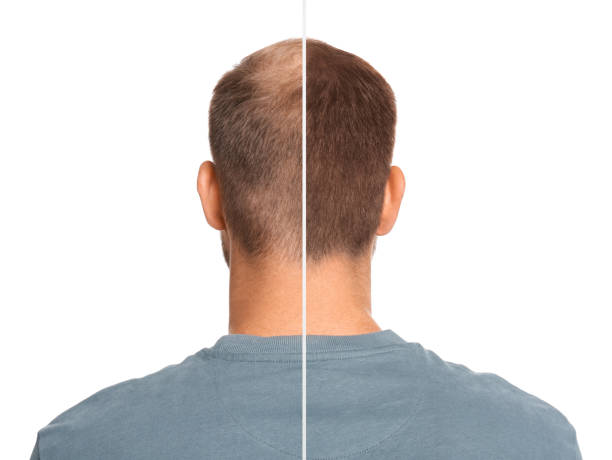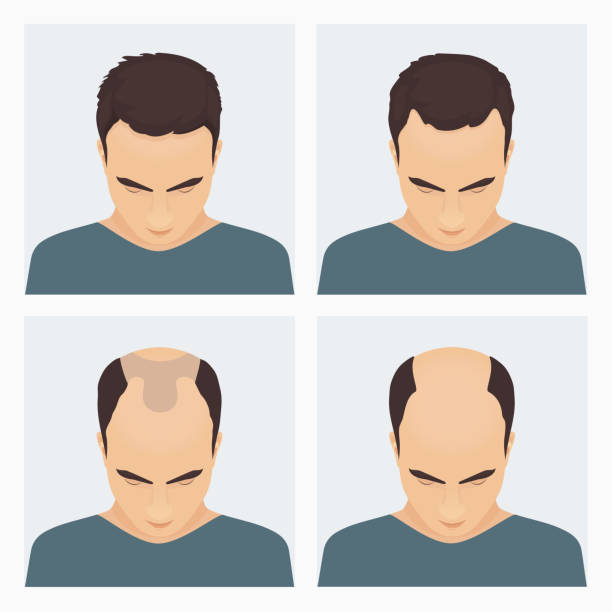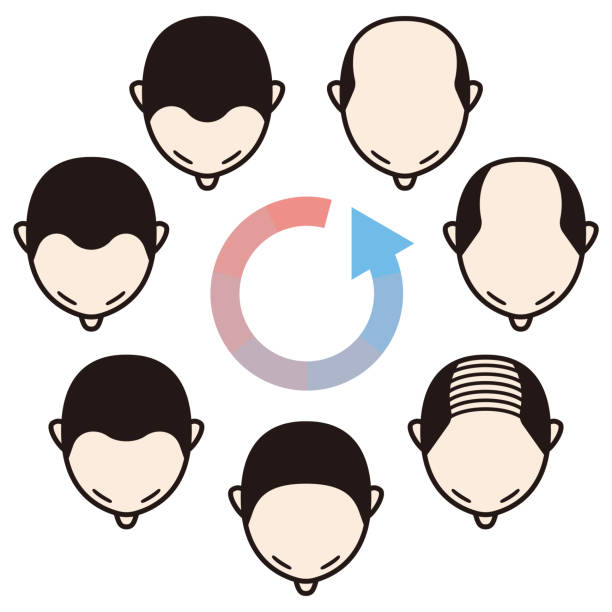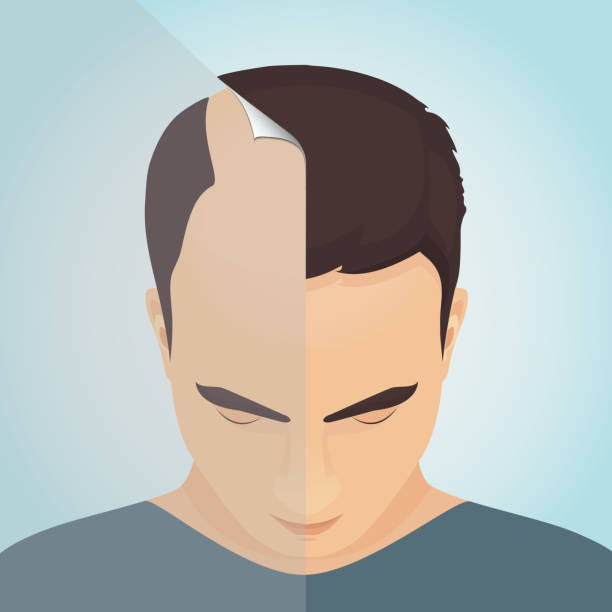
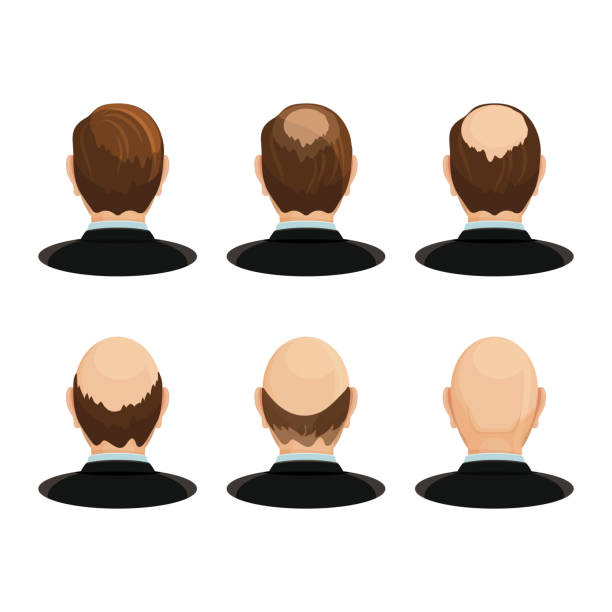
Donor area management is one of the most important parts of a successful hair transplant. The donor area is where grafts are taken from, usually the back and sides of the scalp.
The important thing is simple: your donor area is limited. That means grafts must be planned carefully, not taken aggressively.
At Turkus Hair Transplant Clinic in Spain, donor area evaluation is part of every treatment plan. The team checks how many grafts can be safely taken and which method may be best for your case.
If you want to know whether your donor area is suitable for hair transplant, the best first step is to book a free consultation at Turkus Hair Transplant Clinic.
This guide explains what donor area is, why donor area management matters, how many grafts can be safely taken, why overharvesting should be avoided, how donor area affects hairline design, and how to get a personal donor evaluation.
Quick Insights
- The donor area is limited.
- Good donor management protects future options.
- More grafts do not always mean better results.
- Safe extraction is very important.
- Donor strength affects FUE, DHI and Sapphire FUE planning.
- A weak donor area may need a different strategy.
- A consultation gives the most accurate evaluation.
- Turkus Hair Transplant Clinic creates personalized donor-based treatment plans.
What Is the Donor Area?
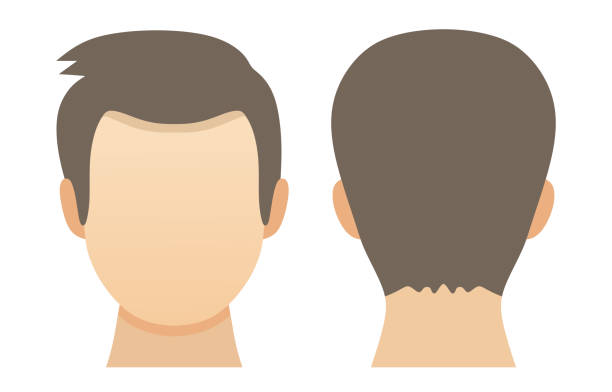
The donor area is the part of the scalp where hair grafts are taken from. It is usually located at the back and sides of the head. This area is important because these hairs are often more resistant to hair loss. In hair transplant, grafts from this area are moved to thinning or bald areas.
Why Donor Area Management Matters
A hair transplant result depends not only on the recipient area, but also on how well the donor area is managed. Good donor management helps with safe graft extraction, natural donor appearance, future treatment options, balanced density, avoiding overharvesting and long-term planning. The goal is to improve thinning areas without damaging the donor area appearance.
Why the Donor Area Is Limited
The donor area cannot provide unlimited grafts. Every patient has a different donor capacity depending on donor density, hair thickness, hair quality, scalp condition, hair loss pattern, future hair loss risk and previous procedures. This is why a personal evaluation is needed before deciding graft number.
What Is Overharvesting?
Overharvesting means taking too many grafts from the donor area. This can make the donor area look thin or uneven. A good clinic should avoid this by planning safe extraction numbers, balanced donor distribution, future hair loss needs, natural donor appearance and realistic coverage. At Turkus Hair Transplant Clinic, the focus is not the highest graft number. The focus is the safest and most natural plan.
How Donor Area Affects Graft Number
The number of grafts you can have depends strongly on donor area quality. Some patients may be suitable for 2000 grafts. Others may safely support 3000, 4000 or more. But the right number should only be decided after checking the donor area. More grafts are not always better if the donor area cannot support them safely.
How Donor Area Affects Hairline Design
Hairline design should always consider donor capacity. A very low hairline may require too many grafts and may not be ideal for long-term planning. A natural hairline should match face shape, age, forehead proportions, hair type, future hair loss risk and donor capacity. Good donor management helps create a hairline that looks natural and realistic.
Donor Area in FUE Hair Transplant
In FUE, grafts are extracted individually from the donor area. This requires careful planning to avoid taking too many grafts from one zone. FUE may be suitable for many patients, but donor area strength must be checked first.
Donor Area in DHI Hair Transplant
DHI still requires grafts to be taken from the donor area. Even though implantation is different, donor area planning remains essential. DHI may be suitable for selected cases, but only if the donor area can support the planned graft number.
Donor Area in Sapphire FUE
Sapphire FUE also depends on donor area quality. The clinic must evaluate how many grafts can be safely extracted before planning the recipient area. The method should be chosen based on the patient's donor area and goals.
Can a Weak Donor Area Still Have Hair Transplant?
Sometimes, yes. A weak donor area does not always mean hair transplant is impossible, but the plan must be realistic. The clinic may recommend smaller graft number, priority areas first, conservative hairline design, staged treatment, different density expectations or medical support if suitable. A consultation is needed to understand what is possible.
How to Protect the Donor Area
Good donor protection includes safe graft planning, balanced extraction, avoiding excessive graft numbers, realistic hairline design, proper aftercare, long-term strategy and follow-up support. This helps protect both the result and future options.
Why Consultation Is Important
A consultation helps answer whether your donor area is strong enough, how many grafts can be safely taken, which method is best for you, whether you can cover hairline and crown, whether to prioritize the front area first, what result is realistic and what the cost will be. At Turkus Hair Transplant Clinic, the team can evaluate your donor area and create a personal treatment plan.
Frequently Asked Questions
What is donor area in hair transplant?
The donor area is where grafts are taken from, usually the back and sides of the scalp.
Why is donor area important?
Because it decides how many grafts can be safely used and affects long-term results.
Can donor area run out?
The donor area is limited, so grafts must be planned carefully.
What is overharvesting?
Overharvesting means taking too many grafts, which can make the donor area look thin.
How many grafts can be taken from donor area?
It depends on donor density, hair thickness and personal hair loss pattern.
Can I have hair transplant with weak donor area?
Possibly, but the plan must be realistic and personalized.
Does Turkus Hair Transplant Clinic check donor area?
Yes. Turkus Hair Transplant Clinic evaluates donor area before recommending graft number or method.
How do I know if my donor area is good?
Book a free consultation for a personal donor area evaluation.
Final Thoughts
Donor area management is essential for a natural and safe hair transplant result.
The donor area is limited, so grafts should be used wisely. A good plan protects the donor area, supports natural hairline design and keeps future options open.
If you want to know whether your donor area is suitable, book a free consultation at Turkus Hair Transplant Clinic in Spain. The team can evaluate your donor area, explain your graft capacity and create a personalized treatment plan for natural-looking results.