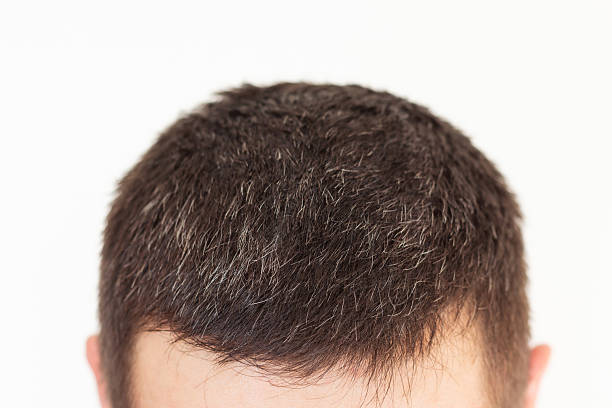
Hair transplant itching is a common part of recovery after FUE, DHI or Sapphire FUE hair restoration. Many patients feel itching in the transplanted area or donor area while the scalp is healing.
The good news is simple: mild itching after hair transplant is usually normal. It often means the scalp is healing, scabs are drying or new hair activity is beginning. That does not automatically mean an itchy scalp proves new growth.
The most important rule is: do not scratch. Scratching can irritate the scalp and disturb healing.
At Turkus Hair Transplant Clinic in Spain, patients receive clear aftercare instructions so they know how to manage itching safely during recovery.
This guide explains why itching happens, when it is normal, how long it may last, what to do, what to avoid, when to contact your clinic, and how to protect your result.
Quick Insights
- Mild itching after hair transplant is common.
- Itching can happen in the donor or transplanted area.
- Dryness, scabs and healing can cause itching.
- Do not scratch the scalp.
- Use only clinic-approved products.
- Gentle washing may help if your clinic allows it.
- Strong itching with redness, pain or discharge should be checked.
- Most itching improves as healing continues.
Why Does Itching Happen After Hair Transplant?
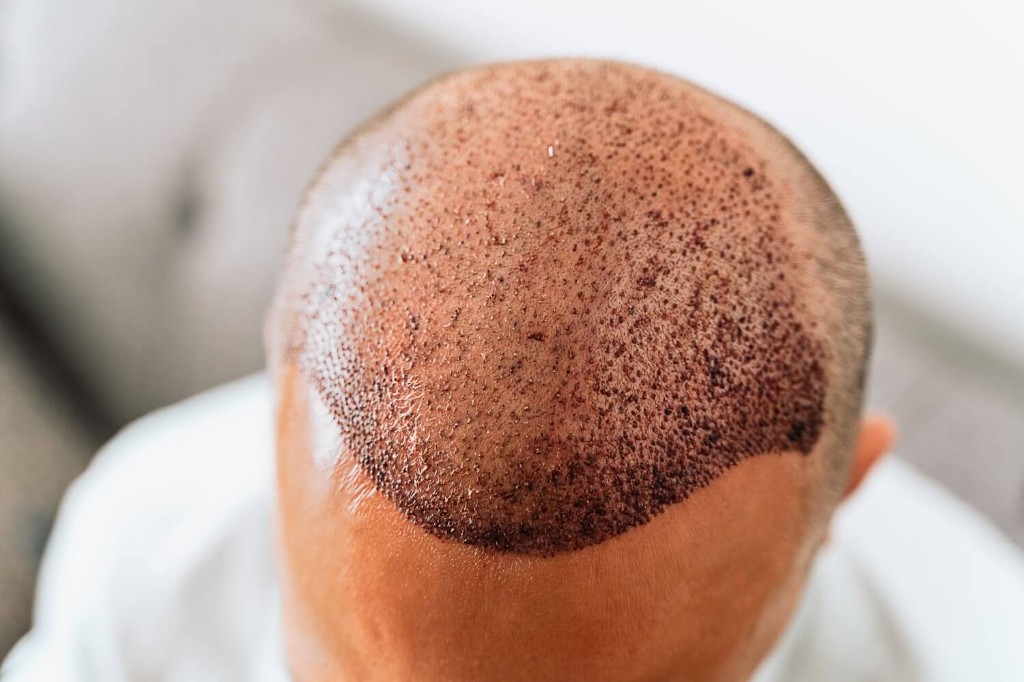
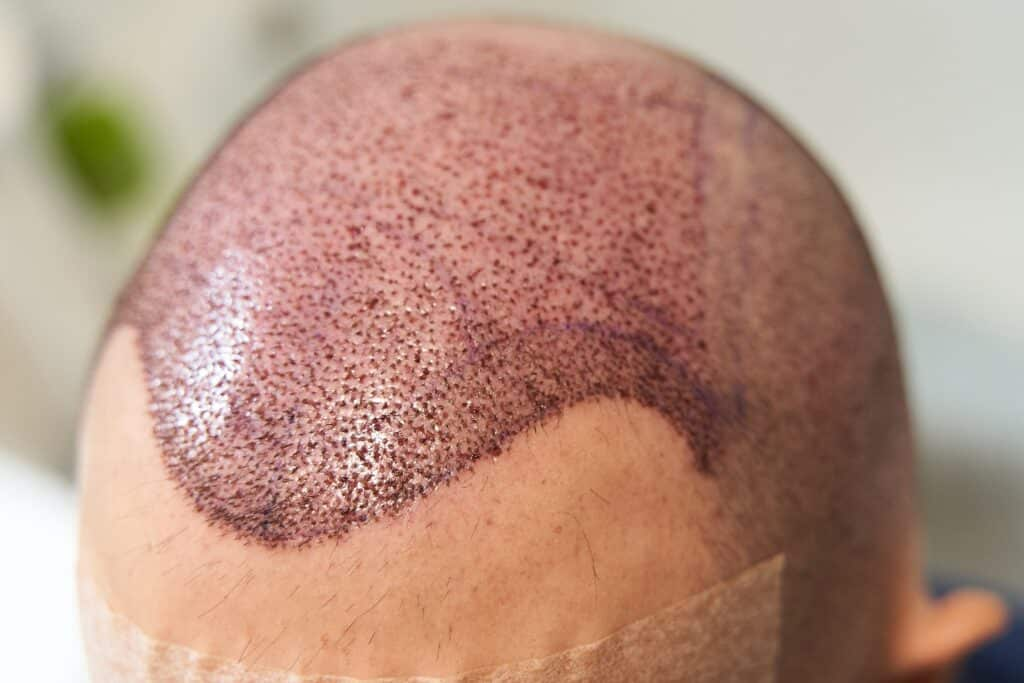
Itching may happen because the scalp is healing after surgery. During FUE, DHI or Sapphire FUE, tiny healing points are created in the donor and recipient areas. As the skin repairs itself, itching can appear.
Common reasons include scab formation, dry scalp, skin healing, donor area recovery, new hair activity, mild irritation, washing changes and temporary sensitivity. This does not usually mean something is wrong.
Is Itching Normal After Hair Transplant?
Yes, mild itching is usually normal after hair transplant.
Many patients experience itching during the first days or weeks. Some may feel it more in the donor area, while others feel it in the transplanted area. Itching should be managed gently and according to clinic instructions.
Itching After FUE Hair Transplant
After FUE hair transplant, itching may be felt in the donor area where grafts were extracted. This area may feel dry, tight or sensitive while healing. Do not scratch the donor area. If itching is uncomfortable, ask your clinic what is safe to use.
Itching After DHI Hair Transplant
After DHI hair transplant, itching may happen in the implanted area or donor area. DHI is a precise technique, but the scalp still needs time to heal. Mild itching can be part of that process.
Does Itching Mean Hair Is Growing?
Sometimes itching may happen when new hairs begin to grow, but itching does not always mean growth. It can also come from dryness, scabs or normal skin healing. The best way to track growth is through monthly progress photos and clinic follow-up.
How Long Does Itching Last After Hair Transplant?
The timeline varies between patients. For many patients, itching improves as scabs clear and the scalp becomes less sensitive. Some mild itching may continue later as new hairs grow. If itching becomes severe or unusual, contact your clinic.
Can I Scratch My Scalp After Hair Transplant?
No. You should not scratch your scalp after hair transplant. Scratching can cause irritation, redness, bleeding, scab damage, infection risk, delayed healing and unnecessary discomfort. If the itching is strong, contact your clinic for safe advice.
What Helps Itching After Hair Transplant?
Safe options depend on your clinic's instructions. Your clinic may recommend gentle washing, approved shampoo, approved spray or lotion, keeping the scalp clean, avoiding dryness, avoiding sweating, not wearing tight hats, drinking enough water and sleeping well. Do not apply random oils, creams or medication without approval.
Can Washing Help Itching?
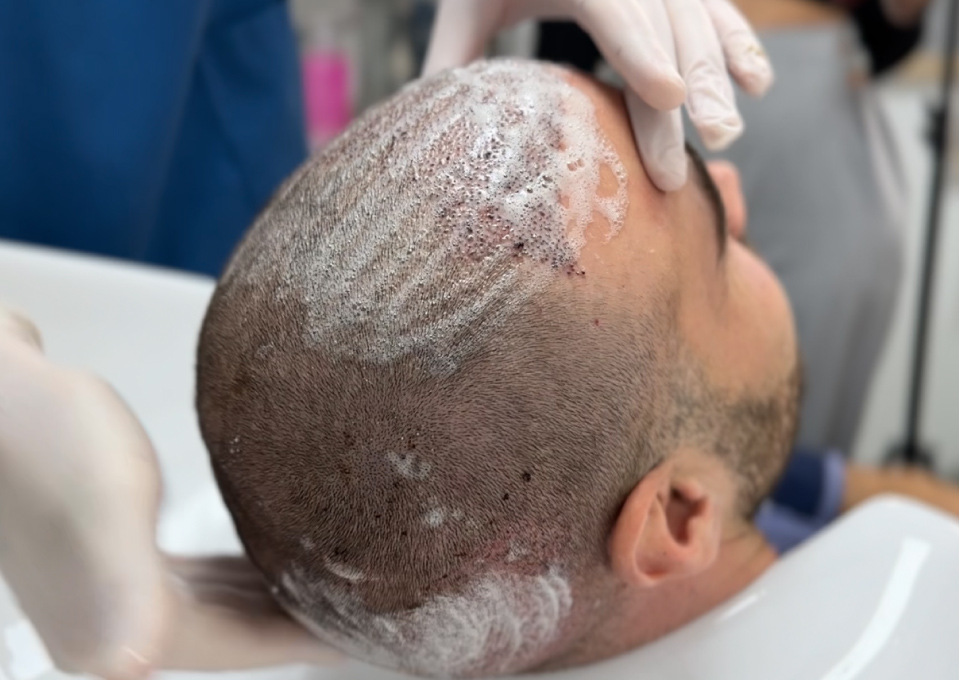
Yes, clinic-approved washing may help reduce itching by softening scabs and keeping the scalp clean. However, washing must be gentle. Avoid hot water, strong pressure, nails, aggressive rubbing, normal shampoo without approval and towel rubbing. Follow your clinic's washing protocol.
Can Dry Scalp Cause Itching?
Yes. Dry scalp is a common reason for itching after hair transplant. The scalp may feel tight, flaky or sensitive. Your clinic can recommend safe products if needed. Do not use random moisturizers or oils.
Can Sweating Make Itching Worse?
Yes. Sweating can irritate the scalp and make itching worse. This is why patients are usually advised to avoid heavy exercise, sauna and intense sweating during early recovery.
Can Hair Products Cause Itching?
Yes. Hair gel, spray, fibers, dye, oils or harsh shampoos can irritate the scalp. Use only clinic-approved products until the scalp is fully healed.
When Should You Contact the Clinic?
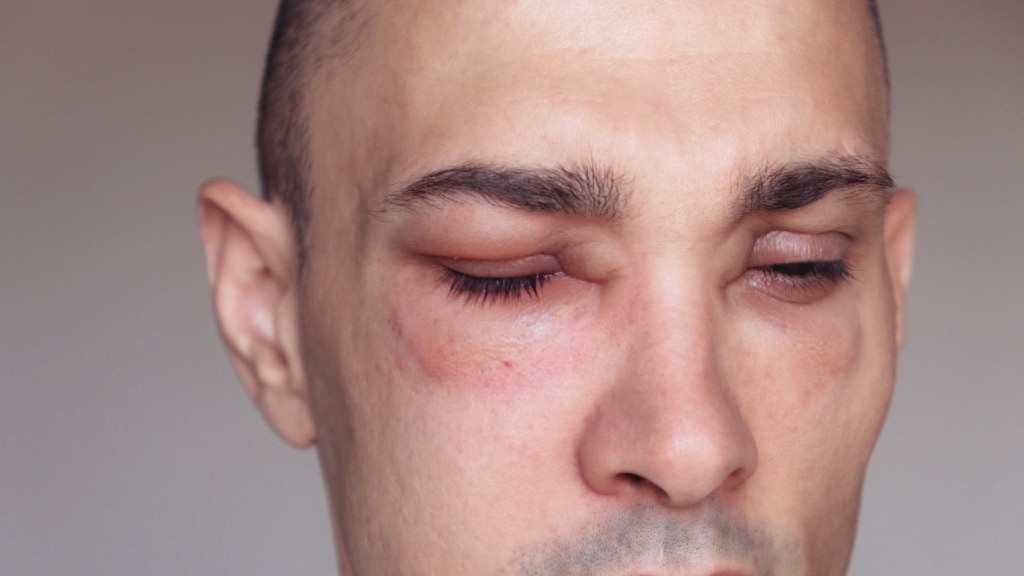
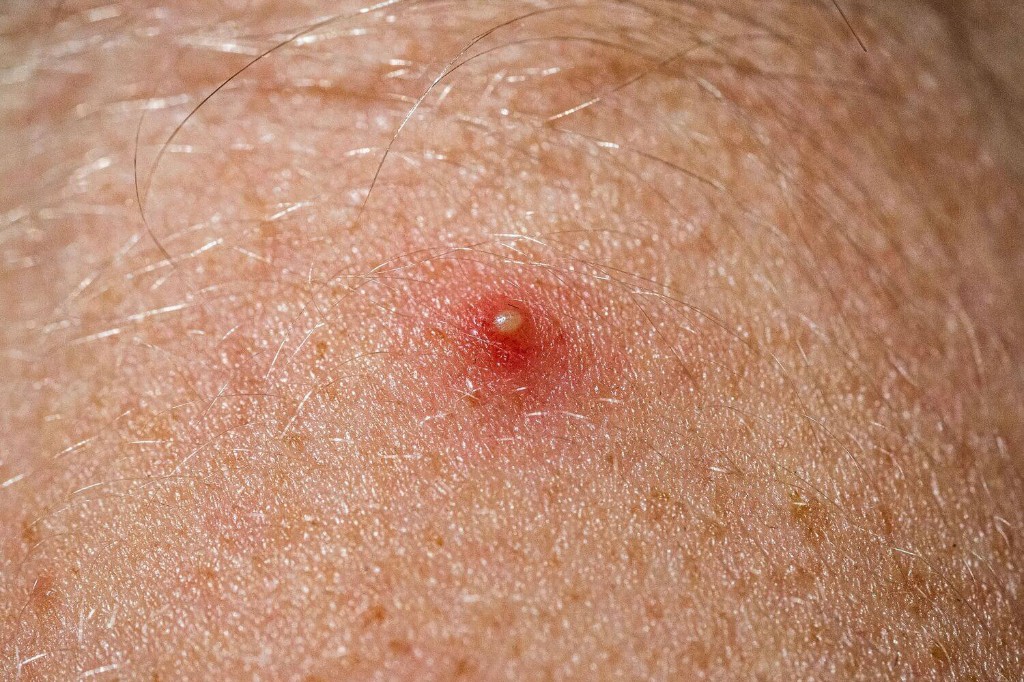
Contact your clinic if itching comes with strong redness, pain, pus, bad smell, swelling, fever, rash, open wounds, bleeding, severe discomfort or itching that gets worse instead of better. If you are unsure, send clear photos to your clinic.
What Should You Avoid?
- Scratching
- Picking scabs
- Using random oils
- Using hair dye too early
- Using hair fibers too early
- Heavy sweating
- Sauna
- Swimming too early
- Dirty hats
- Touching scalp with dirty hands
- Aggressive washing
- Ignoring severe symptoms
Gentle care is the safest approach.
Hair Transplant Itching Mistakes
- Scratching because it feels harmless
- Picking scabs
- Using strong anti-itch creams without approval
- Applying oils too early
- Washing aggressively
- Returning to gym too soon
- Wearing tight hats
- Panicking about normal itching
- Not contacting the clinic when symptoms look unusual
Most mild itching can be managed calmly.
Frequently Asked Questions About Hair Transplant Itching
Is itching normal after hair transplant?
Yes. Mild itching is common and usually part of healing.
Why does my scalp itch after hair transplant?
Itching may happen because of scabs, dryness, healing skin or new hair activity.
Can I scratch my scalp?
No. Avoid scratching because it can irritate the scalp and disturb healing.
Does itching mean new hair is growing?
Sometimes it may be related to new hair activity, but itching can also come from dryness or scabs.
How long does itching last?
It varies. It usually improves as healing continues.
Can washing reduce itching?
Yes, if your clinic allows washing and you follow the correct technique.
Can I use oil for itching?
Only if your clinic approves it. Do not apply random oils.
Can sweating make itching worse?
Yes. Sweating can irritate the scalp.
When should I worry about itching?
Contact your clinic if itching comes with pain, pus, fever, spreading redness or swelling.
What is the best thing to do?
Follow your clinic's aftercare instructions and avoid scratching.
Final Thoughts
Hair transplant itching is usually a normal part of healing.
It can happen because of scabs, dryness, skin repair or new hair activity. The key is to avoid scratching and use only clinic-approved aftercare products.
If itching feels severe or comes with redness, pain, pus or swelling, contact your clinic for guidance.
If you are planning FUE, DHI or Sapphire FUE hair transplant in Spain, book a free consultation at Turkus Hair Transplant Clinic. The team can explain recovery, itching, washing and aftercare so you know what to expect at every stage.