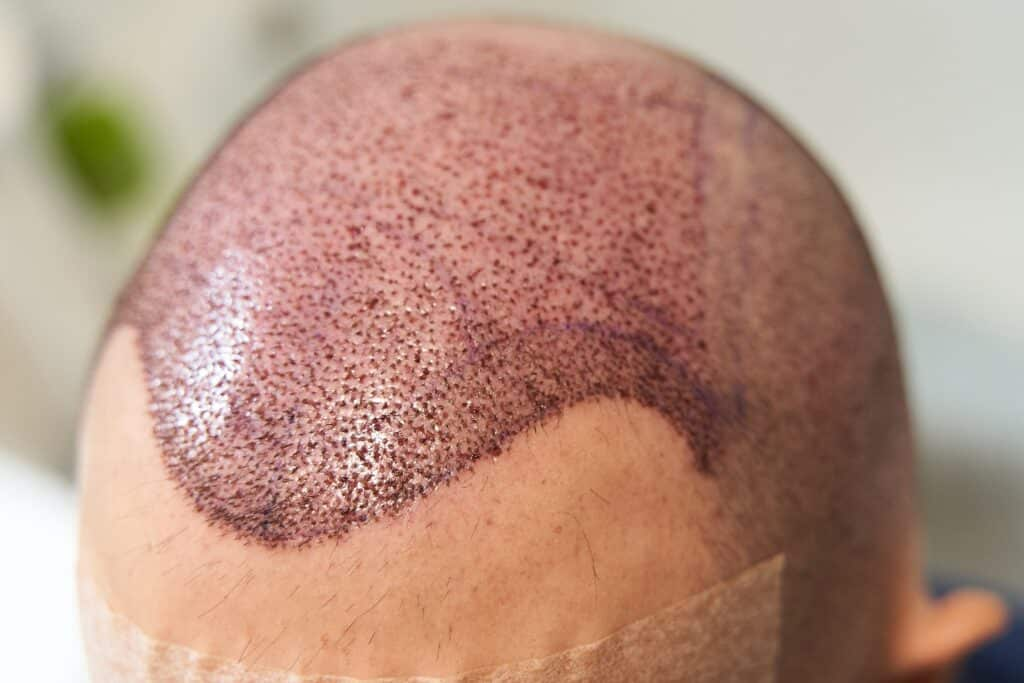
Hair transplant pain is a common question for patients considering FUE, DHI or Sapphire FUE hair restoration. Many people want to know whether the procedure hurts, how the scalp feels after surgery and when discomfort usually improves.
The good news is simple: hair transplant pain is usually manageable. During the procedure, local anesthesia is used to keep the treatment area comfortable. After surgery, patients may feel mild soreness, tightness or sensitivity, but this usually improves with proper aftercare.
At Turkus Hair Transplant Clinic in Spain, patients receive clear instructions before and after the procedure so they know what to expect and how to recover comfortably.
This guide explains whether hair transplant hurts, what pain feels like after surgery, why soreness can happen, how long discomfort may last, how to reduce it safely, what to avoid, and when to contact your clinic.
Quick Insights
- Hair transplant is usually performed under local anesthesia.
- Most patients describe recovery discomfort as manageable.
- Mild soreness, tightness or sensitivity can be normal.
- The donor area may feel more sensitive in the first days.
- Pain usually improves gradually with healing.
- Use only clinic-approved medication.
- Avoid scratching, alcohol, smoking, heavy exercise and pressure.
- Strong or worsening pain should be checked by your clinic.
Does Hair Transplant Hurt?
During the procedure, local anesthesia is used to numb the scalp.
Patients may feel some pressure or mild discomfort during anesthesia, but the main procedure is usually comfortable once the area is numb.
Pain tolerance varies from person to person, so every patient's experience can be different.
Is Pain Normal After Hair Transplant?
Yes, mild pain or discomfort can be normal after hair transplant.
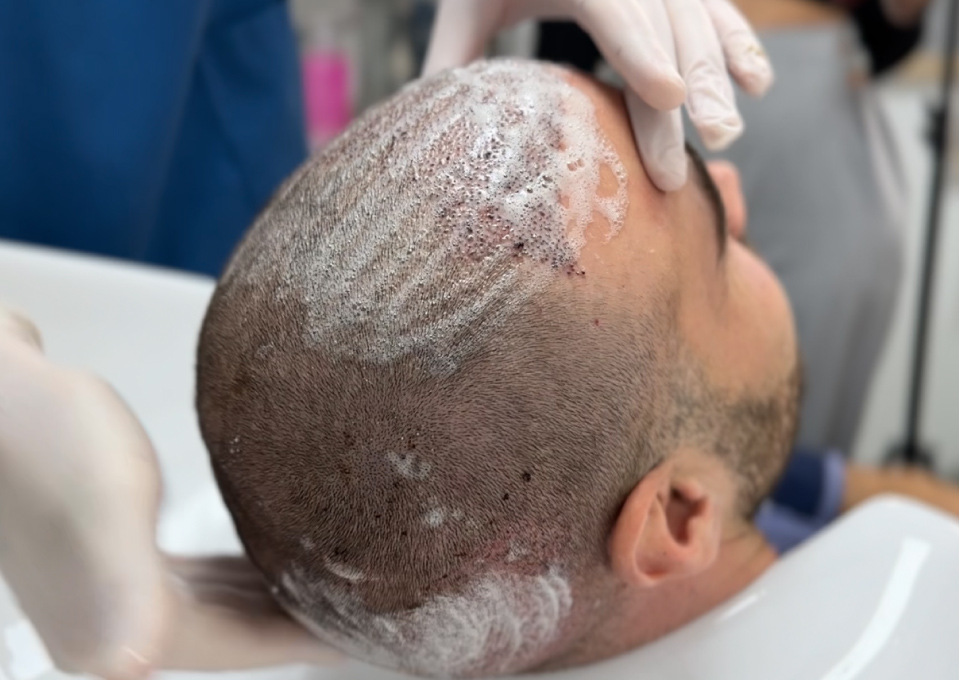
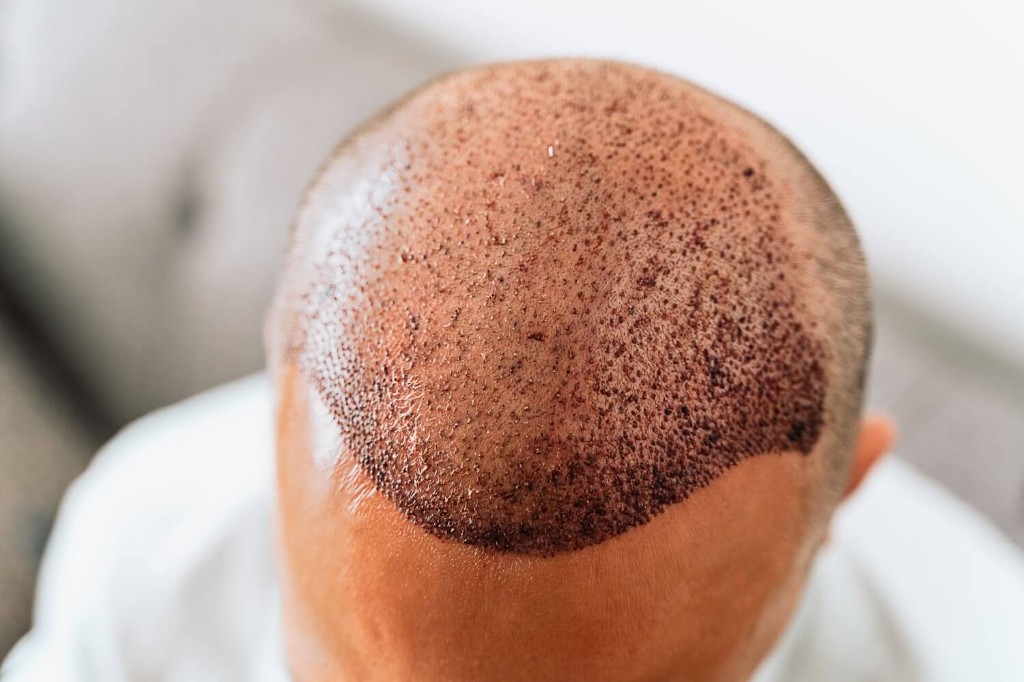
The scalp has been treated in both the donor and recipient areas, so some soreness, tightness or sensitivity may happen during early healing. This does not usually mean something is wrong.
What Does Hair Transplant Pain Feel Like?
Patients may describe the feeling as mild soreness, tightness, tenderness, sensitivity, pressure, burning sensation, donor area discomfort or sleeping discomfort. These feelings usually improve gradually.
Pain After FUE Hair Transplant
After FUE hair transplant, the donor area may feel sore or sensitive because individual grafts were extracted. The recipient area may feel tight or tender as the scalp heals.
Pain After DHI Hair Transplant
After DHI hair transplant, discomfort may also happen in the donor and implanted areas. DHI is a precise implantation method, but the scalp still needs time to recover.
How Long Does Pain Last After Hair Transplant?
The timeline varies between patients. For many people, discomfort is strongest in the early days and then improves. Some tightness or sensitivity may last longer depending on healing speed, procedure size and skin response. Your clinic can tell you what is expected for your case.
How to Reduce Pain After Hair Transplant
To stay comfortable, follow your clinic's instructions. Helpful steps may include taking clinic-approved medication, sleeping with the head elevated, avoiding pressure on the scalp, resting during early recovery, avoiding alcohol, avoiding smoking if instructed, avoiding heavy activity, keeping the scalp clean, not scratching and contacting your clinic if unsure. Do not take random painkillers without approval.
Can I Take Painkillers After Hair Transplant?
Only take painkillers approved by your clinic. Some medications may increase bleeding risk or may not be suitable for your situation. Always follow your clinic's medication plan.
Can Sleeping Position Affect Pain?
Yes. Sleeping incorrectly can increase pressure and discomfort. Your clinic may recommend sleeping on your back with your head elevated during early recovery. Avoid sleeping face down or rubbing the transplanted area.
Can Swelling Cause Pain?
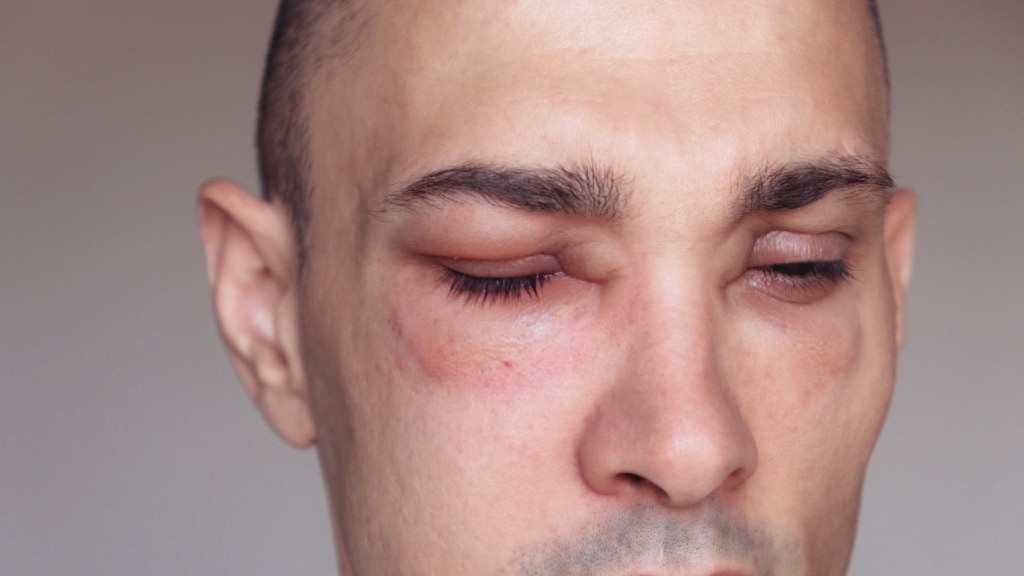
Mild swelling can create pressure or tightness. This can be normal, but severe pain with strong swelling should be checked.
Can Itching Feel Like Pain?
Sometimes itching, dryness or tightness can feel uncomfortable. Do not scratch. Scratching can irritate the scalp and make discomfort worse.
What Should You Avoid?
- Scratching
- Touching grafts
- Sleeping on the transplanted area
- Heavy exercise
- Alcohol
- Smoking if restricted
- Hot showers
- Sauna
- Swimming too early
- Tight hats
- Unapproved medication
- Hair products too early
- Bending forward too much
Gentle recovery helps reduce discomfort.
When Should You Contact the Clinic?
Contact your clinic if pain is severe, getting worse, sudden, one-sided, combined with fever, combined with pus, combined with bad smell, combined with spreading redness, combined with heavy swelling or not improving as expected. If you are unsure, send photos and describe your symptoms to your clinic.
Hair Transplant Pain Mistakes
- Taking unapproved painkillers
- Drinking alcohol too early
- Sleeping with pressure on grafts
- Scratching painful areas
- Returning to gym too soon
- Ignoring worsening pain
- Using random creams
- Panicking about mild soreness
Most mild discomfort improves with proper aftercare.
Frequently Asked Questions About Hair Transplant Pain
Does hair transplant hurt?
The procedure is usually done under local anesthesia, so most patients feel comfortable during surgery.
Is pain normal after hair transplant?
Yes. Mild soreness, tightness or sensitivity can be normal during early recovery.
Where is pain usually felt?
Pain or soreness may be felt in the donor area, recipient area or scalp in general.
How long does pain last?
It varies, but discomfort usually improves gradually after the early recovery period.
Can I take painkillers?
Only take medication approved by your clinic.
Is donor area pain normal?
Mild donor area soreness can be normal after FUE or DHI.
Can swelling cause discomfort?
Yes. Swelling may create pressure or tightness.
When should I worry about pain?
Contact your clinic if pain is severe, worsening or combined with fever, pus, bad smell or spreading redness.
Can I sleep normally if I have pain?
Follow your clinic's sleeping instructions. Head elevation may help during early recovery.
Will pain affect my final result?
Mild discomfort usually does not affect the final result if aftercare is followed properly.
Final Thoughts
Hair transplant pain is usually manageable and temporary.
During the procedure, local anesthesia helps keep the scalp comfortable. After surgery, mild soreness, tightness or sensitivity can happen as the scalp heals.
The safest approach is to follow your clinic's aftercare plan, use only approved medication and contact your clinic if pain feels unusual.
If you are planning FUE, DHI or Sapphire FUE hair transplant in Spain, book a free consultation at Turkus Hair Transplant Clinic. The team can explain comfort, anesthesia, recovery and aftercare so you know what to expect before and after surgery.