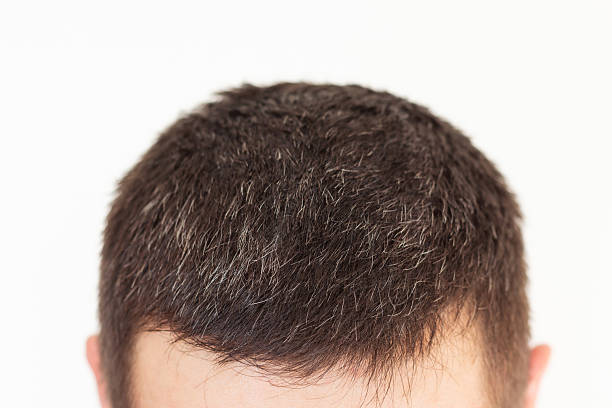
When do hair transplant scabs fall off is one of the most common questions patients ask after FUE, DHI or Sapphire FUE hair restoration.
Scabs are a normal part of the healing process, but many patients worry about when they should disappear and whether removing them too early can damage grafts.
The short answer is simple: hair transplant scabs usually fall off during the early healing period, but they should not be picked, scratched or forced off. Scabs should soften and clear gradually with the washing routine recommended by your clinic.
At Turkus Hair Transplant Clinic in Spain, patients receive personalized washing and aftercare instructions after treatment. Always follow your clinic's exact guidance instead of guessing online.
This guide explains when scabs fall off, why they form, how to wash them safely, what to do if they stay too long, and common mistakes to avoid.
Quick Insights
- Scabs are normal after hair transplant.
- They form around tiny healing points in the recipient and donor areas.
- Scabs usually clear during the early recovery period.
- Do not pick, scratch or force scabs off.
- Clinic-approved washing helps soften scabs safely.
- Some transplanted hairs may shed with scabs, and this can be normal.
- Bleeding, pain, pus or strong redness should be checked by the clinic.
- Scab removal should be gentle, gradual and clinic-guided.
Why Do Scabs Form After Hair Transplant?
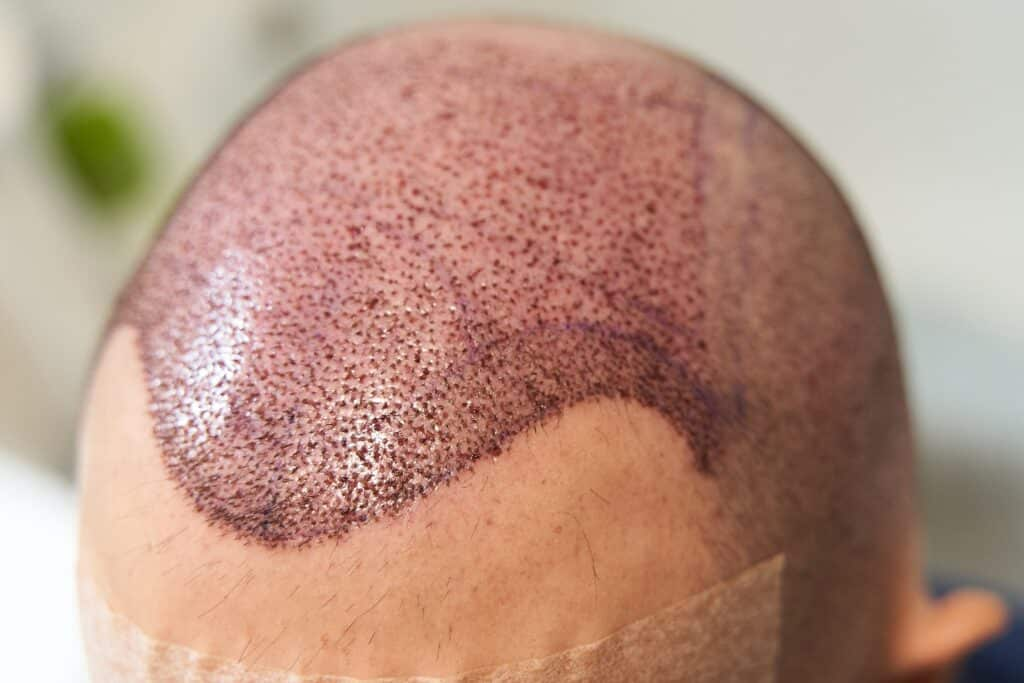
Scabs form because the scalp has many tiny healing points after surgery.
During FUE, follicles are extracted from the donor area and implanted into the recipient area. During DHI, grafts are placed directly using an implanter pen. In both methods, the skin needs time to heal.
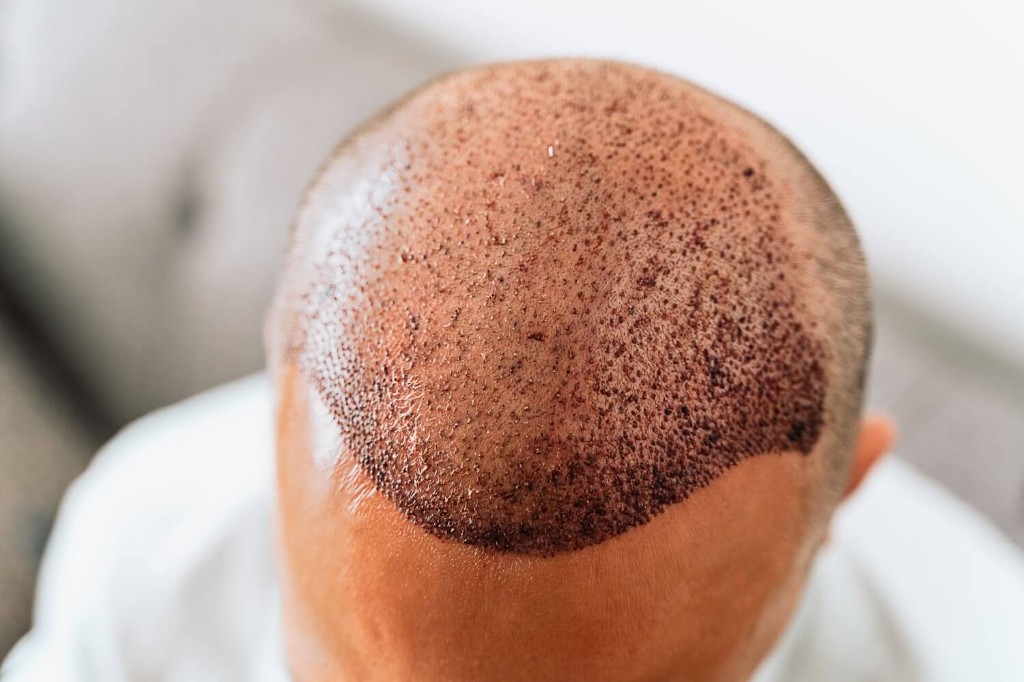
Scabs may appear in the transplanted area, donor area, around the hairline and between implanted grafts. This is normal and expected.
Are Scabs Normal After Hair Transplant?
Yes. Scabs are a normal part of recovery.
They do not mean the transplant failed. They are part of the body's natural healing response.
However, scabs must be handled carefully because the grafts are still settling during early recovery.
When Do Hair Transplant Scabs Fall Off?
The exact timing depends on your clinic's protocol and your healing progress.
For many patients, scabs begin to loosen and fall off during the first recovery phase after washing begins. Some may clear earlier, while others may take longer.
The safest answer is: scabs should fall off gradually according to your clinic's washing instructions. Do not force them off.
When Do Scabs Fall Off After FUE Hair Transplant?
After FUE hair transplant, scabs may form in both donor and recipient areas.
The donor area may heal faster, but the transplanted area needs more caution. Scabs in the recipient area should be softened gently with clinic-approved washing. Avoid rubbing the grafts too early.
When Do Scabs Fall Off After DHI Hair Transplant?
After DHI hair transplant, scabs may also form around implanted grafts.
Because DHI often focuses on precise hairline or density work, scabs around the recipient area should be treated gently. Do not scratch or pick scabs from the hairline.
How Should Scabs Be Removed After Hair Transplant?
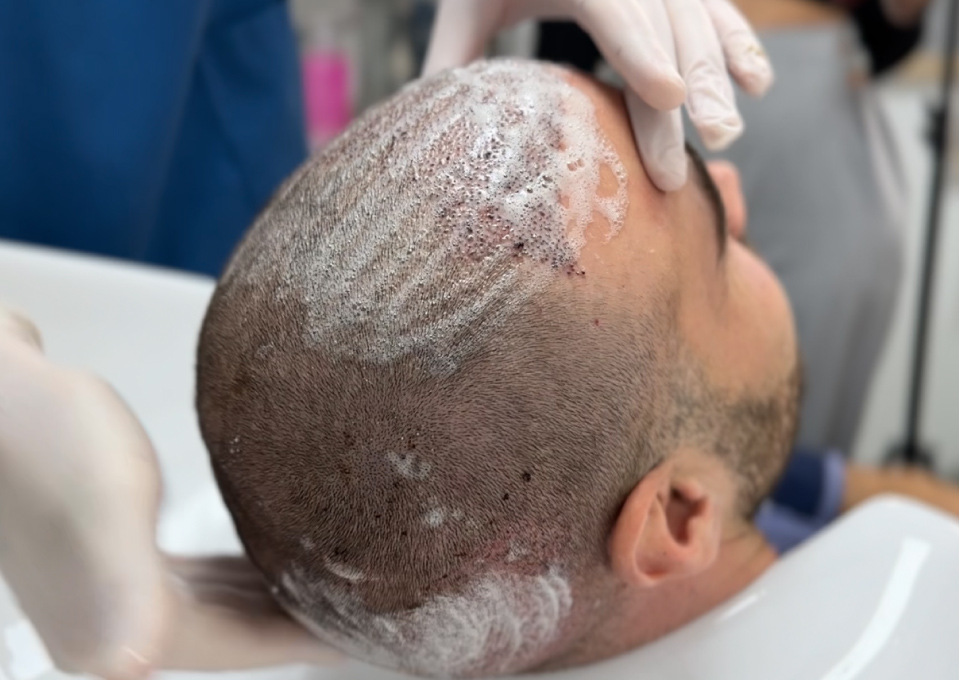
Scabs should be removed only through the washing routine recommended by your clinic. A typical routine may include:
- Applying clinic-approved lotion or foam
- Letting it soften the scabs
- Rinsing gently with lukewarm water
- Using mild shampoo if approved
- Patting dry gently
- Avoiding nails
- Avoiding aggressive rubbing
Your clinic's method should always come first.
Can I Pick Scabs After Hair Transplant?
No. You should not pick scabs after hair transplant. Picking scabs may cause bleeding, irritation, graft disturbance, redness, infection risk, delayed healing and small scars.
Even if a scab looks loose, let it come off naturally or through approved washing.
Can I Scratch Scabs After Hair Transplant?
No. Scratching should be avoided. Itching is common during healing, but scratching can damage the scalp and disturb grafts. If itching becomes intense, contact your clinic instead of scratching.
What If Scabs Fall Off With Hair?
Some patients notice tiny hairs falling with scabs. This can be normal. Often, the hair shaft sheds while the follicle remains under the skin.
Hair transplant shedding is common after surgery. Losing small hairs with scabs does not always mean losing grafts.
However, if scabs fall off with bleeding, pain or tissue-like material, contact your clinic.
How Do I Know If a Graft Came Out With a Scab?
A simple hair attached to a scab is not always a lost graft. A graft problem is more concerning if you see bleeding, pain, fresh open spot, tissue-like material, graft movement, repeated trauma or strong redness.
If you are unsure, send a photo to your clinic.
What If Scabs Stay Too Long After Hair Transplant?
If scabs stay longer than expected, do not force them off.
Scabs may remain longer if washing is too gentle, the scalp is dry or healing is slower. Contact your clinic for guidance. They may adjust your washing routine. Do not pick them with nails.
Can Scabs Block Hair Growth?
Temporary scabs do not usually block hair growth if they clear properly. However, thick scabs left too long may irritate the scalp or delay comfort. This is why proper washing is important. Follow your clinic's instructions to keep the scalp clean.
Can Scabs Cause Infection?
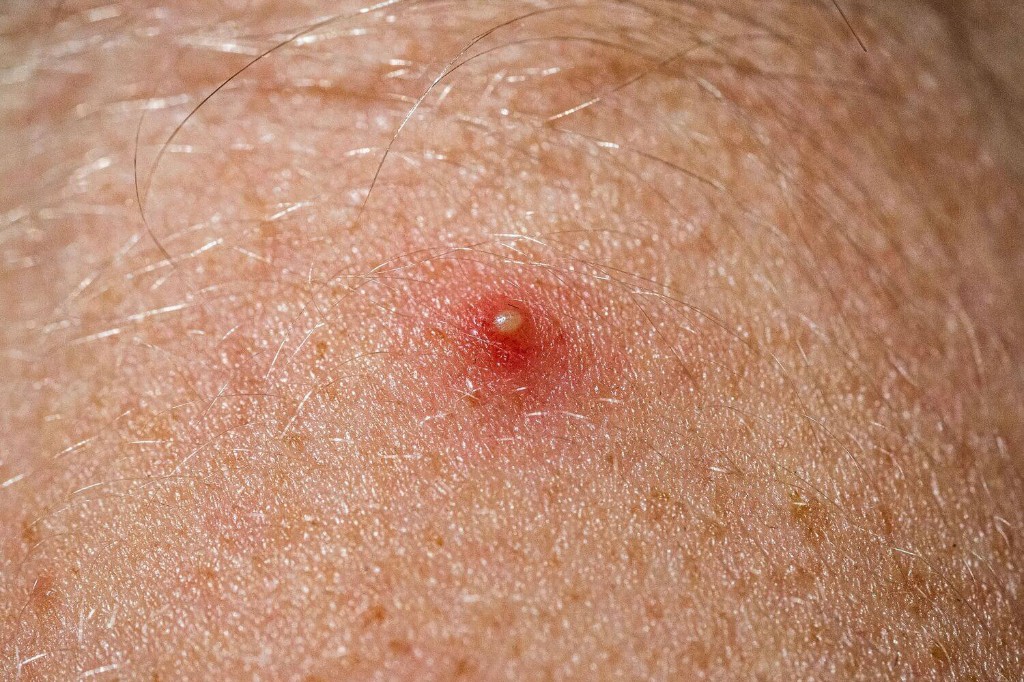
Scabs themselves are not infection. But poor hygiene, scratching, dirty hands or picking can increase infection risk.
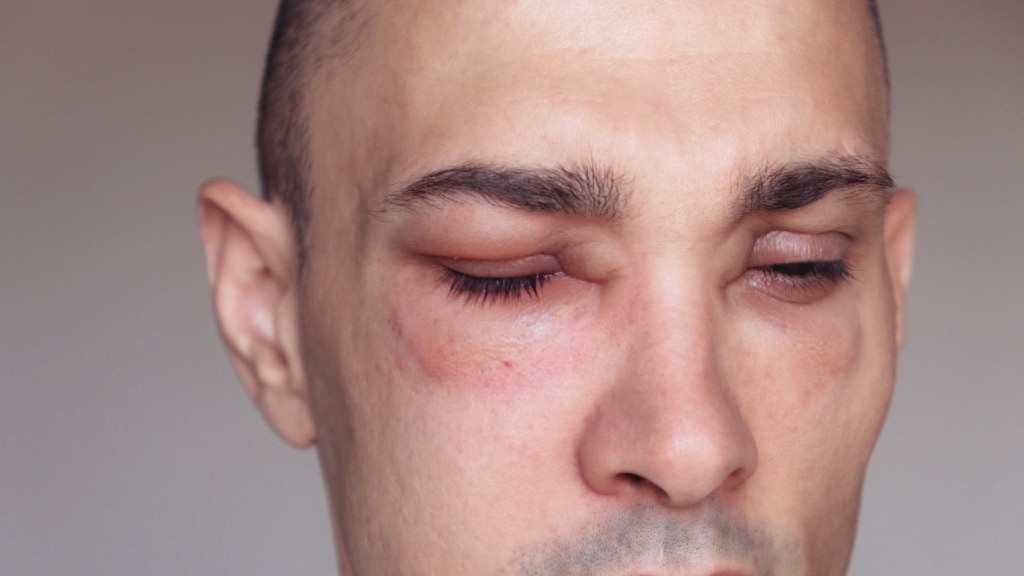
Contact your clinic if you notice pus, bad smell, increasing pain, spreading redness, fever, warm skin, swelling that worsens or yellow discharge.
Can I Wash Scabs Off Faster?
Do not try to rush scab removal. Aggressive washing can irritate the scalp or disturb healing. The goal is not speed. The goal is safe healing. Scabs should soften gradually.
Can I Use Oil to Remove Scabs?
Do not use oil unless your clinic approves it. Random oils may irritate the scalp, clog pores or interfere with aftercare products. Use only clinic-approved lotion, foam or shampoo.
Can I Use Normal Shampoo on Scabs?
Normal shampoo should not be used during early recovery unless your clinic approves it. Some shampoos contain fragrance, strong cleansing agents or active ingredients that may irritate healing skin.
Can I Rub Scabs During Washing?
Only if your clinic tells you and only at the correct stage. Early rubbing is not safe. Later, your clinic may instruct gentle circular washing to help remove softened scabs. Do not use nails.
Can Scabs Fall Off Too Early?
Scabs may loosen naturally, but forced early removal is risky. If scabs fall off with no bleeding or pain, it may be fine. If they fall off after scratching, rubbing or trauma, contact your clinic.
What Color Should Hair Transplant Scabs Be?
Scabs may appear dark red, brown or yellowish as they dry. Color can vary depending on healing, washing and skin type. However, pus, bad smell, spreading redness or increasing pain should be checked.
Scabs in the Donor Area
The donor area may have small scabs where grafts were extracted. These usually heal faster than the recipient area, but they should still be kept clean and protected. Avoid scratching the back of the head.
Scabs in the Recipient Area
The recipient area needs the most caution. This area contains implanted grafts. Do not pick, rub or scratch the scabs. Gentle washing is the safest way to clear them.
Hair Transplant Scab Removal Mistakes
- Picking scabs with nails
- Scratching because of itching
- Using strong shower pressure
- Using hot water
- Using normal shampoo too early
- Rubbing aggressively
- Using random oils
- Removing scabs dry
- Panicking when hairs shed
- Ignoring infection signs
Careful scab care protects recovery.
What Else Should You Avoid While Scabs Are Present?
- Touching grafts
- Scratching
- Heavy exercise
- Sweating
- Swimming
- Sauna
- Direct sun exposure
- Tight hats
- Hair gel
- Hair spray
- Hair fibers
- Hair dye
- Dusty environments
- Sleeping face down
The clinic's aftercare plan should always come first.
When Should You Contact the Clinic?
Contact your clinic if you notice bleeding after scab removal, pus or discharge, bad smell, increasing pain, strong swelling, spreading redness, fever, graft movement, scabs not improving or severe itching.
It is better to ask early than to guess.
Frequently Asked Questions About Hair Transplant Scabs
When do hair transplant scabs fall off?
Scabs usually fall off during the early healing period, but timing depends on your clinic's protocol and your healing.
Are scabs normal after hair transplant?
Yes. Scabs are a normal part of healing after FUE, DHI or Sapphire FUE.
Can I pick scabs after hair transplant?
No. Picking scabs can cause bleeding, irritation and graft disturbance.
What if scabs fall off with hair?
Small hairs may fall with scabs during shedding. This does not always mean the graft is lost.
How do I remove scabs safely?
Use the washing routine recommended by your clinic. Do not use nails or aggressive rubbing.
What if scabs stay too long?
Contact your clinic. Do not force them off.
Can scabs cause infection?
Scabs are normal, but scratching, poor hygiene or picking may increase infection risk.
Can I use normal shampoo on scabs?
Only if your clinic approves it.
Can I scratch if scabs itch?
No. Contact your clinic if itching is severe.
When should I worry about scabs?
Worry if you notice bleeding, pus, bad smell, increasing pain, fever or spreading redness.
Final Thoughts
Hair transplant scabs are normal and usually clear during early recovery.
The most important rule is simple: do not pick, scratch or force them off. Scabs should soften and fall away gradually with clinic-approved washing.
A hair transplant is a long-term investment. Careful scab care can help protect grafts, reduce irritation and support smoother healing.
If you are planning FUE, DHI or Sapphire FUE hair transplant in Spain, book a free consultation at Turkus Hair Transplant Clinic. The team can explain how scabs heal, how washing works and how to protect your final result.