
Hair transplant concerns are common during recovery after FUE, DHI or Sapphire FUE hair restoration. Many patients look closely at their scalp every day and wonder whether their healing, shedding or early growth is normal.
The good news is simple: most early changes after hair transplant are part of the normal recovery process. Redness, scabs, shedding, mild itching and uneven early growth can happen without meaning anything is wrong.
However, it is still important to know which signs should be checked by your clinic. Early communication gives patients confidence and helps the clinic guide recovery properly.
At Turkus Hair Transplant Clinic in Spain, patients receive aftercare instructions and follow-up support so they do not have to guess during recovery.
This guide explains what is normal, which signs should be checked, why early results should not be judged too soon, what to do if you are worried, how clinics evaluate growth, when repair may be considered, and how to protect your final result.
Quick Insights
- Many early concerns after hair transplant are normal.
- Shedding does not usually mean failure.
- Uneven early growth can be normal.
- Final results take many months.
- Pain, pus, fever or spreading redness should be checked.
- Poor growth should be evaluated at the right time, not too early.
- A second session should only be considered after full assessment.
- Good follow-up support helps patients feel safer.
Is My Hair Transplant Failing?
In most cases, it is too early to say.
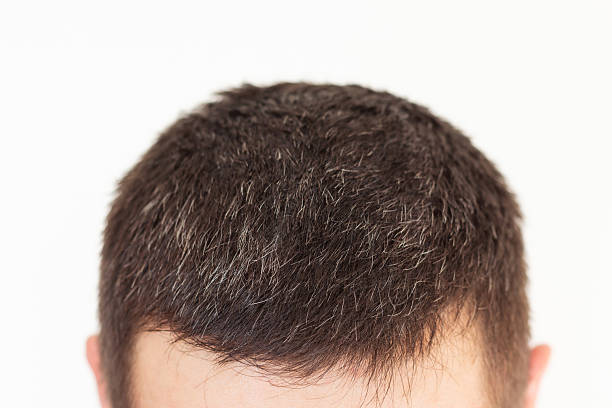
Many patients worry during the first weeks or months because the hair may shed, look thin or grow unevenly. This does not usually mean the transplant has failed.
Hair transplant recovery includes early healing, scab clearing, temporary shedding, resting phase, early growth, density improvement, hair thickening and final maturation. Because of this, results should not be judged too early.
Normal Things That Can Look Worrying
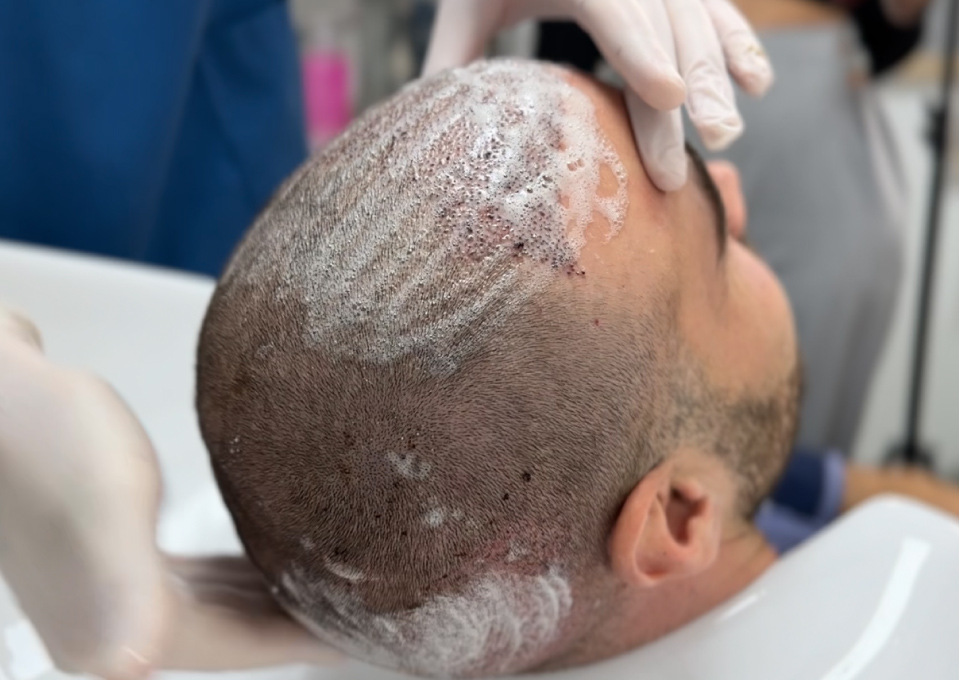
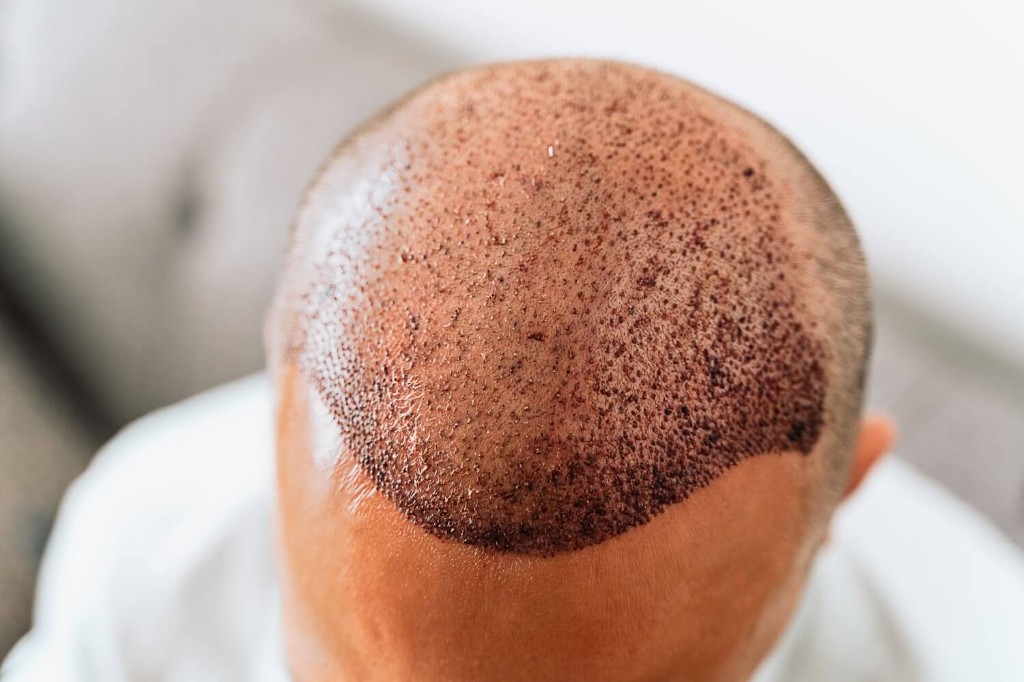
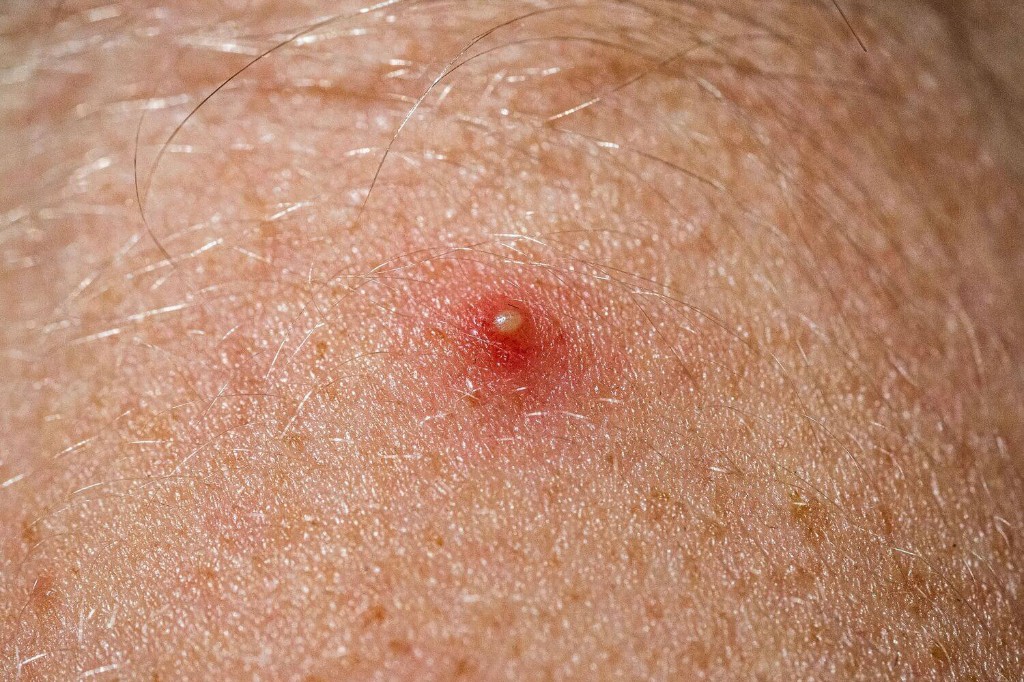
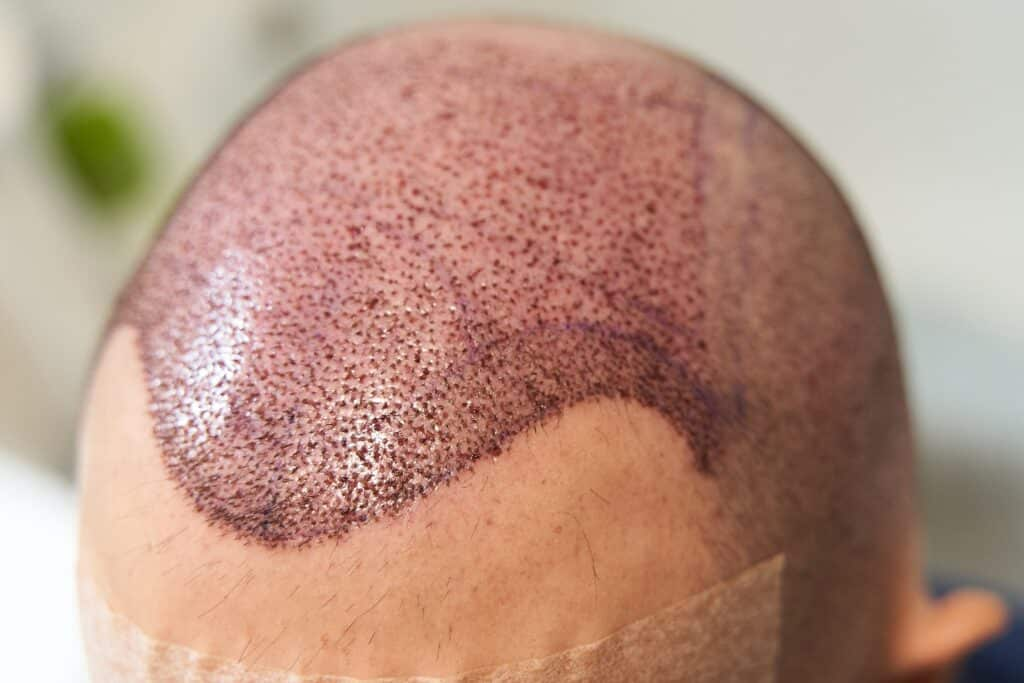
Some normal recovery signs may look concerning at first. These can include scabs, redness, mild swelling, itching, temporary shedding, small pimples, thin early growth, uneven growth, slow crown growth and hair looking worse before better. These signs do not automatically mean a bad result.
When Should You Contact the Clinic?
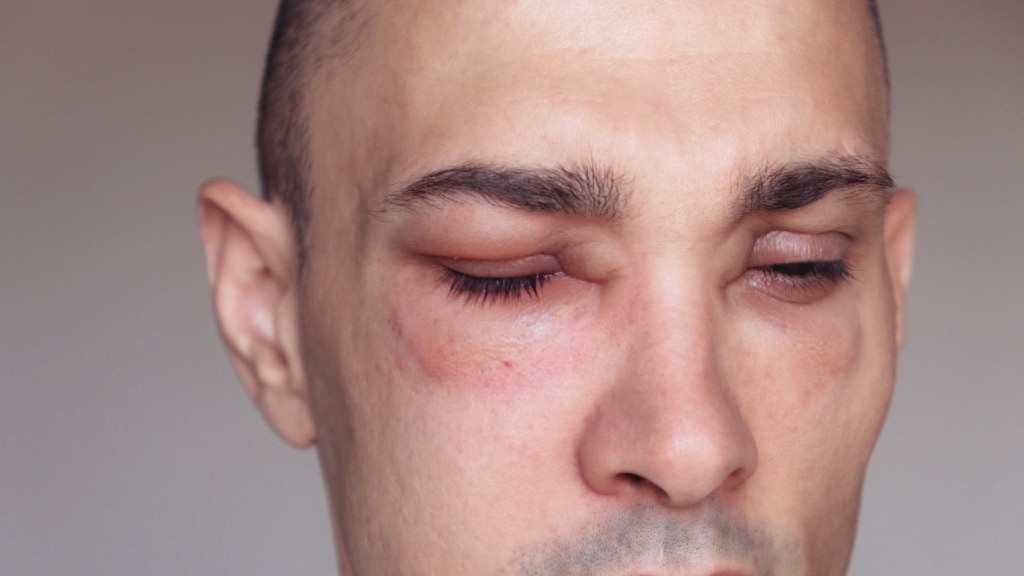
You should contact your clinic if you notice strong pain, heavy bleeding, pus or discharge, bad smell, fever, spreading redness, unusual swelling, open wounds, black skin patches, severe itching, graft movement after trauma or anything that feels abnormal. If you are unsure, send photos to your clinic. It is always better to ask than to worry alone.
Shedding Does Not Usually Mean Failure
Shedding is one of the biggest reasons patients panic. After hair transplant, the visible transplanted hairs may fall out while the follicle remains under the skin. Later, new hair can begin growing gradually. This is common after FUE, DHI and Sapphire FUE. Shedding is usually a normal step before new growth.
Uneven Growth Does Not Always Mean Failure
Uneven growth is also common. One side may grow faster than the other. The hairline may appear before the crown. Some areas may look thinner for longer. This can happen because follicles do not all grow at the same speed. Early uneven growth should be monitored, not judged immediately.
Slow Growth Does Not Always Mean Failure
Some patients grow faster, while others grow slower. Growth speed can depend on hair type, skin healing, donor quality, procedure size, aftercare, health, smoking, nutrition, stress and individual biology. Slow growth can still improve over time.
When Can Hair Transplant Results Be Judged?
Hair transplant results should be judged only after enough time has passed. Early months are not final. Even at 3 or 6 months, density may still be developing. Many patients continue improving later. Your clinic should guide you on when your result is mature enough to evaluate.
Signs That Need Professional Evaluation
Some signs should be checked by a clinic because they may need attention. These include persistent inflammation, painful pimples, infection signs, poor healing, unusual redness, donor area concerns, very low growth after the expected timeline, visible overharvesting concerns, unnatural hairline concerns and density concerns after maturation. A professional evaluation is the safest way to understand the situation.
What Causes Poor Hair Transplant Growth?
If growth is lower than expected, possible reasons may include weak donor area, large bald area, limited graft number, poor scalp healing, continued native hair loss, unrealistic density expectations, medical factors, smoking or poor aftercare, previous failed procedures or technical issues in surgery. This is why consultation and follow-up are important.
What Should You Do If You Are Worried?
If you are worried, do not panic. The best steps are to take clear photos in natural light, not scratch or pick the scalp, follow aftercare instructions, avoid random products, not start treatments without approval, contact your clinic, ask for a follow-up review and wait for the correct evaluation timeline. Most concerns can be explained better with photos and follow-up.
Should You Book Repair Surgery Immediately?
No. Repair surgery should not be rushed. Many patients worry too early, especially during shedding or early growth. A repair plan should only be discussed after the result has matured enough. A good clinic will evaluate donor area, recipient area, growth progress, hairline design, density, future hair loss, patient expectations and whether another session is safe. Repair planning should be careful and long-term.
How Turkus Hair Transplant Clinic Helps Patients
At Turkus Hair Transplant Clinic in Spain, patients are guided through the full process, not only the surgery day. Support may include pre-operative consultation, donor area assessment, realistic density planning, aftercare instructions, washing guidance, follow-up communication, growth timeline explanation, long-term planning and second-session evaluation if needed. This helps patients understand what is normal and when to ask for help.
How to Protect Your Result
To support recovery and long-term results, patients should follow clinic instructions, avoid scratching, avoid smoking if instructed, avoid alcohol early after surgery, avoid heavy exercise too soon, protect the scalp from sun, use approved products only, attend follow-ups, manage future hair loss and be patient with growth. A hair transplant is a process, not an instant result.
Frequently Asked Questions About Hair Transplant Concerns
Does shedding mean my hair transplant failed?
No. Shedding is common and does not usually mean failure.
Is uneven growth normal?
Yes. Early uneven growth can be normal because follicles grow at different speeds.
What if one side grows slower?
One side may grow slower at first. Your clinic can monitor progress with photos.
When should I worry after hair transplant?
Contact your clinic if you notice pain, pus, fever, spreading redness, heavy bleeding or unusual symptoms.
Can poor growth improve later?
Yes, some patients grow slower and improve later.
Can I judge my result after 3 months?
No. Three months is usually too early to judge final density.
Can I judge my result after 6 months?
Six months can show progress, but it may still not be final.
When is repair surgery considered?
Repair is considered only after proper evaluation and enough time for the first result to mature.
What should I do if I am worried?
Take clear photos and contact your clinic for guidance.
Can Turkus Hair Transplant Clinic help with concerns?
Yes. Turkus Hair Transplant Clinic in Spain can evaluate healing, growth progress and long-term planning.
Final Thoughts
Hair transplant concerns are normal, especially during shedding and early growth.
Most early changes do not mean failure. Shedding, uneven growth and thin early hairs can be part of the normal process. The safest approach is to follow aftercare, stay patient and contact your clinic if something feels unusual.
If you are planning FUE, DHI or Sapphire FUE hair transplant in Spain, book a free consultation at Turkus Hair Transplant Clinic. The team can explain recovery, growth timelines and what signs should be checked during the journey.