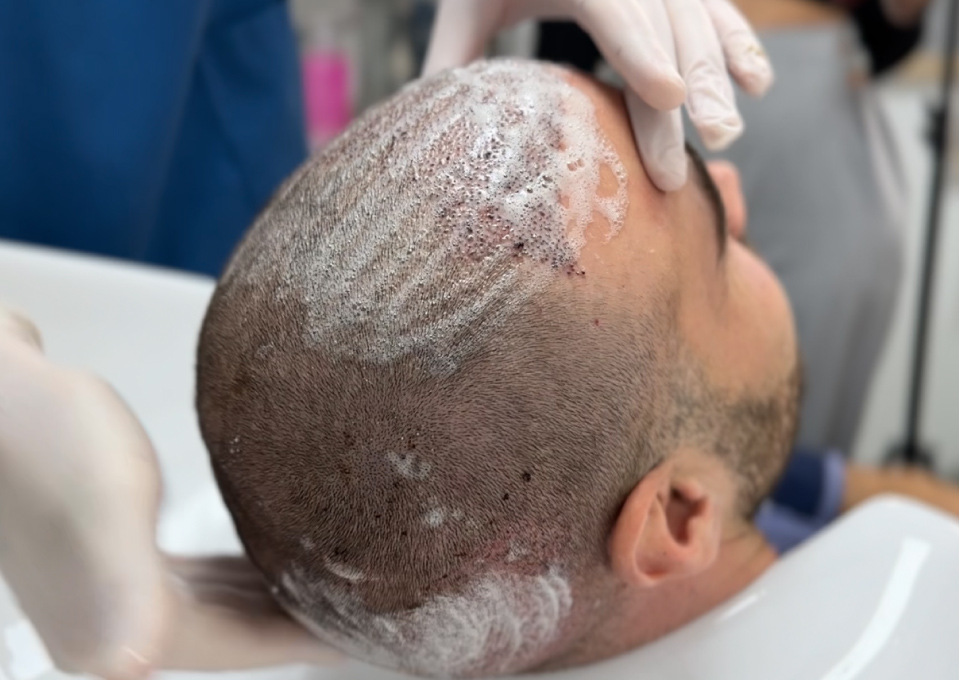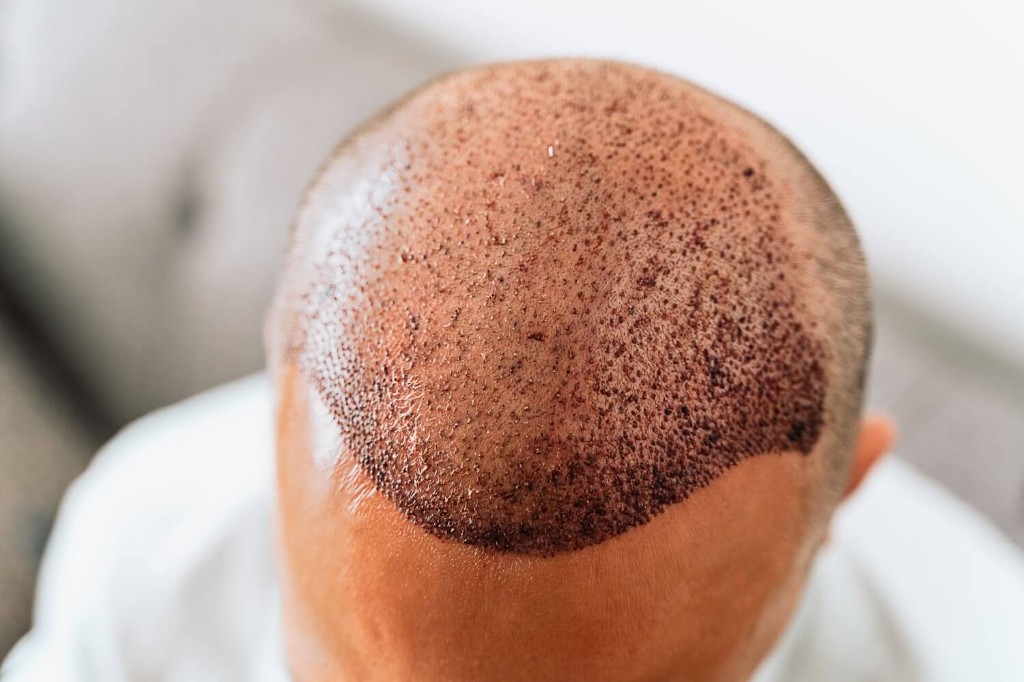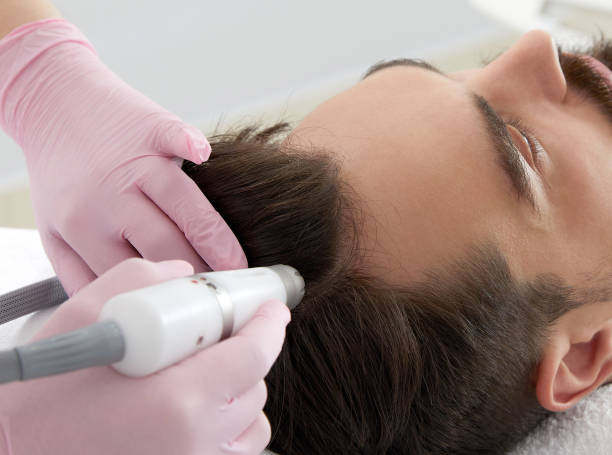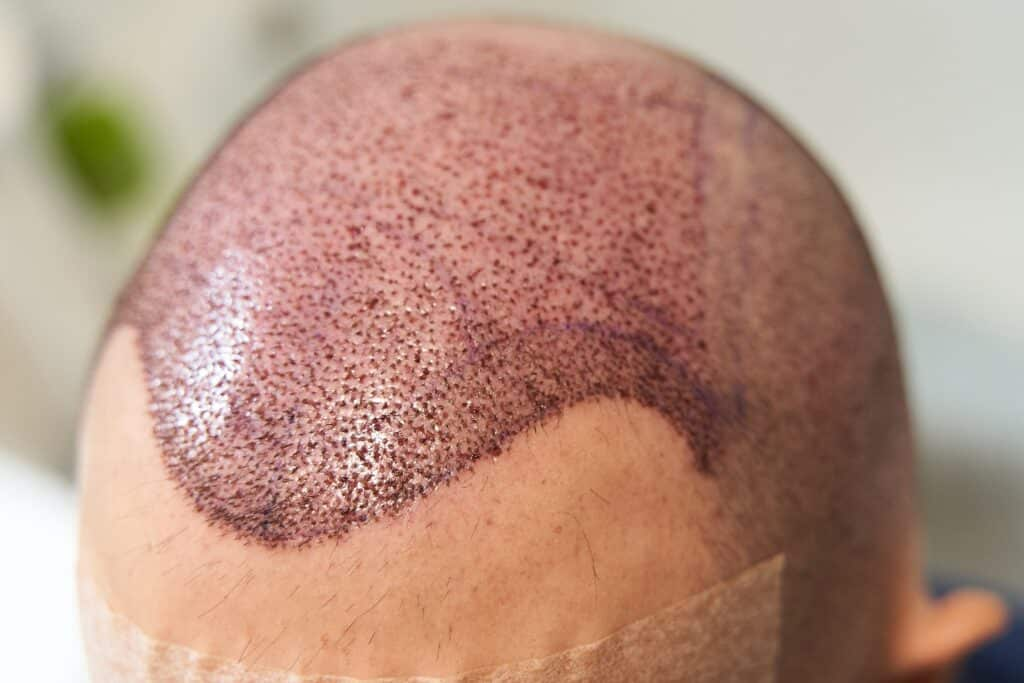
Hair transplant swelling is a common part of early recovery after FUE, DHI or Sapphire FUE hair restoration. Many patients notice swelling around the forehead, temples or sometimes near the eyes after surgery.
The good news is simple: mild swelling after hair transplant is usually normal and temporary. It often happens because the scalp is healing and fluid can move downward from the treated area.
In most cases, swelling improves gradually with proper aftercare, rest and clinic guidance.
At Turkus Hair Transplant Clinic in Spain, patients receive clear recovery instructions to help reduce swelling and understand what is normal after surgery.
This guide explains why swelling happens, when it is normal, how long it may last, how to reduce it safely, what to avoid, when to contact your clinic, and how to recover more comfortably.
Quick Insights
- Mild swelling after hair transplant is common.
- Swelling may appear around the forehead or eyes.
- It is usually temporary and improves with time.
- Sleeping with the head elevated may help.
- Avoid bending, heavy activity, alcohol and sweating early after surgery.
- Do not massage the transplanted area unless your clinic approves it.
- Strong, painful or one-sided swelling should be checked.
- Follow your clinic's aftercare plan for the safest recovery.
Why Does Swelling Happen After Hair Transplant?
Swelling can happen because the scalp goes through a healing process after surgery.
During a hair transplant, the scalp receives local anesthesia and grafts are placed into the recipient area. After the procedure, some fluid and natural healing response may cause swelling.
Swelling may move downward because of gravity, which is why some patients notice it on the forehead or around the eyes.
Is Swelling Normal After Hair Transplant?
Yes, mild swelling is usually normal after hair transplant.
It does not usually mean something is wrong. Many patients experience swelling during the first days after surgery. The amount of swelling can vary from person to person.
Swelling After FUE Hair Transplant
After FUE hair transplant, swelling may appear in the forehead or around the treated area. FUE involves extracting individual grafts and implanting them into thinning areas. The scalp needs time to calm down after this process.
Swelling After DHI Hair Transplant
Swelling can also happen after DHI hair transplant. DHI uses an implanter pen for graft placement, but the scalp still goes through healing. Mild swelling can be part of normal recovery.
When Does Swelling Start After Hair Transplant?
Swelling may appear in the first few days after surgery. Some patients notice it quickly, while others notice it later as fluid moves downward. Your clinic can explain what timing is expected for your case.
How Long Does Swelling Last?
Swelling usually improves gradually. The exact timeline depends on procedure size, skin response, aftercare, sleeping position, activity level, hydration and individual healing speed. Most swelling is temporary, but your clinic should check anything unusual.
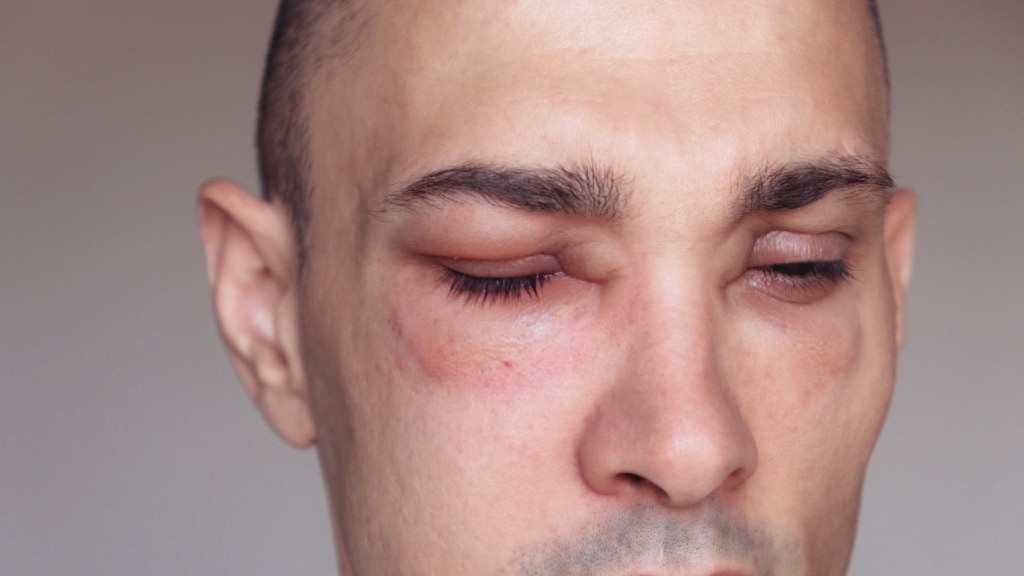
Can Swelling Move to the Eyes?
Yes, swelling can sometimes move toward the eyes. This can look surprising, but it may happen because fluid moves downward from the scalp. If swelling is severe, painful, one-sided or affects vision, contact your clinic.
How to Reduce Swelling After Hair Transplant
To help reduce swelling, patients should follow clinic instructions. Helpful steps may include sleeping with the head elevated, resting during early recovery, avoiding bending forward, avoiding heavy lifting, avoiding alcohol, avoiding intense exercise, drinking enough water, taking clinic-approved medication only, keeping follow-up communication and avoiding unnecessary scalp pressure. Always follow your clinic's specific protocol.
How Should I Sleep With Swelling?
Your clinic may recommend sleeping on your back with your head elevated. This can help reduce pressure and fluid movement. Avoid sleeping face down or rubbing the transplanted area against the pillow.
Can I Massage Swelling Away?
Do not massage the transplanted area unless your clinic tells you to. Massaging too early can irritate the scalp or disturb healing. If swelling bothers you, ask your clinic what is safe.
Can Ice Help Swelling?
Only use ice if your clinic approves it. Ice should never be placed directly on the transplanted grafts. Your clinic can explain where and how it may be used safely.
Can Exercise Make Swelling Worse?
Yes. Heavy exercise can increase blood flow, sweating and pressure, which may make swelling worse during early recovery. Avoid gym, running, heavy lifting and intense activity until your clinic approves it.
Can Alcohol Make Swelling Worse?
Yes. Alcohol may increase dehydration and swelling risk. It can also affect recovery decisions. Avoid alcohol according to your clinic's instructions.
Can Bending Forward Increase Swelling?
Yes. Bending forward can increase pressure in the head and may worsen swelling. During early recovery, move carefully and avoid positions that increase pressure.
When Should You Contact the Clinic?
Contact your clinic if swelling is severe, painful, one-sided, getting worse, combined with fever, combined with pus, combined with bad smell, affecting vision, associated with strong redness or not improving as expected. If you are unsure, send clear photos to your clinic.
What Should You Avoid?
- Bending forward
- Heavy lifting
- Gym
- Running
- Sauna
- Swimming
- Alcohol
- Smoking if restricted
- Sleeping face down
- Tight hats
- Massaging grafts
- Touching the scalp
- Unapproved medication
- Hot showers
- Direct sun exposure
Careful recovery helps swelling settle faster.
Hair Transplant Swelling Mistakes
- Panicking about mild swelling
- Sleeping flat too early
- Bending forward often
- Going back to gym too soon
- Drinking alcohol early
- Massaging the scalp
- Using ice incorrectly
- Ignoring severe swelling
- Not contacting the clinic when unsure
Most swelling improves with time and proper care.
Frequently Asked Questions About Hair Transplant Swelling
Is swelling normal after hair transplant?
Yes. Mild swelling is common and usually temporary.
Why does swelling happen?
Swelling can happen because of local anesthesia, fluid movement and normal healing response.
Can swelling reach the eyes?
Yes, swelling may move toward the eyes in some patients.
How long does swelling last?
It varies, but swelling usually improves gradually.
How can I reduce swelling?
Rest, keep your head elevated and follow your clinic's instructions.
Can I exercise with swelling?
No. Avoid heavy exercise until your clinic approves it.
Can alcohol worsen swelling?
Yes. Alcohol may increase swelling and dehydration.
Can I massage swelling?
Do not massage the transplanted area unless your clinic approves it.
When should I worry?
Contact your clinic if swelling is severe, painful, one-sided, worsening or affects vision.
Will swelling affect my final result?
Mild swelling usually does not affect the final result if aftercare is followed properly.
Final Thoughts
Hair transplant swelling is usually a normal and temporary part of early recovery.
It may appear around the forehead, temples or eyes, and it usually improves with rest, head elevation and proper aftercare. The key is to avoid bending, heavy activity, alcohol, sweating and unnecessary scalp pressure.
If swelling feels severe, painful or unusual, contact your clinic for guidance.
If you are planning FUE, DHI or Sapphire FUE hair transplant in Spain, book a free consultation at Turkus Hair Transplant Clinic. The team can explain swelling, recovery, aftercare and what to expect after surgery.