Hair transplant necrosis is a rare but important topic for patients researching FUE, DHI or Sapphire FUE hair restoration. Most patients heal normally after a hair transplant, and common recovery signs like redness, scabs, itching or mild swelling do not mean necrosis.
The good news is simple: necrosis after hair transplant is very rare when the procedure is planned carefully, performed in a proper medical environment and followed by correct aftercare.
Still, patients should know which signs are normal and which signs should be checked by the clinic quickly.
At Turkus Hair Transplant Clinic in Spain, patients receive careful planning, donor and recipient area evaluation, and clear aftercare instructions to support safe healing.
This guide explains what hair transplant necrosis means, why it is rare, what normal healing looks like, which signs should be checked, how to reduce risk, what to avoid after surgery, and when to contact your clinic.
Quick Insights
- Hair transplant necrosis is rare.
- Mild redness, scabs and swelling are usually normal.
- Necrosis is not the same as normal scabbing.
- Black skin patches, severe pain or open wounds should be checked quickly.
- Good surgical planning helps reduce risk.
- Avoid smoking, scratching, pressure and unapproved products.
- Contact your clinic if anything looks unusual.
- Early communication is the safest approach.
What Is Hair Transplant Necrosis?
Hair transplant necrosis means damage to a small area of scalp tissue due to poor blood supply.
This is not a normal part of recovery, but it is rare.
Most patients will never experience necrosis. Normal scabs, redness and dryness after hair transplant should not be confused with necrosis.
Is Necrosis Common After Hair Transplant?
No. Necrosis after hair transplant is rare.
With proper planning, correct graft placement, safe density design and good aftercare, the risk is low. This is why choosing an experienced clinic and following instructions matters.
Normal Healing vs Necrosis
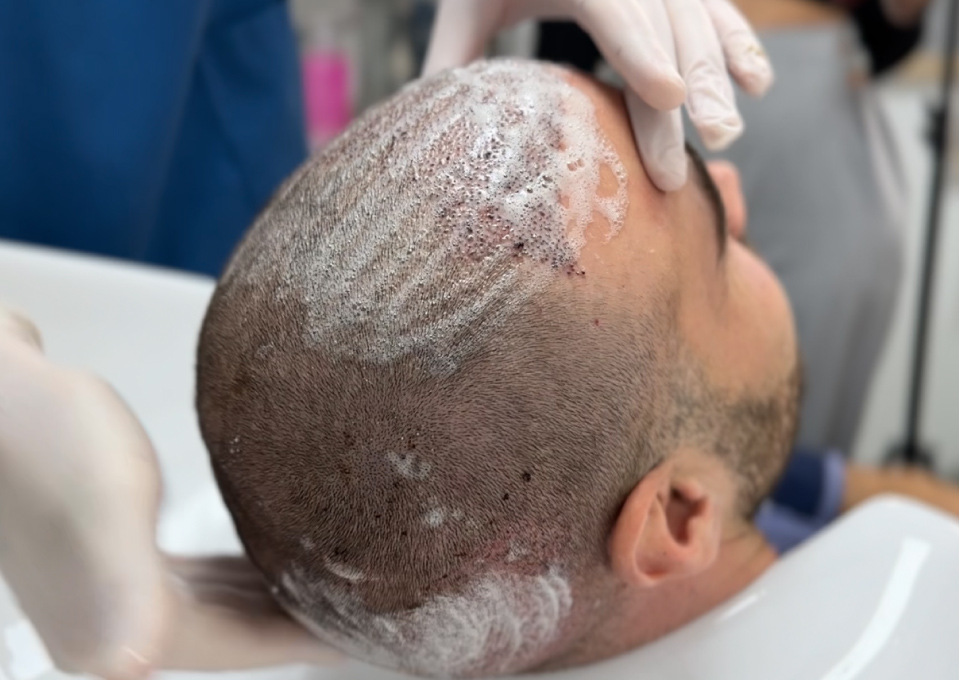
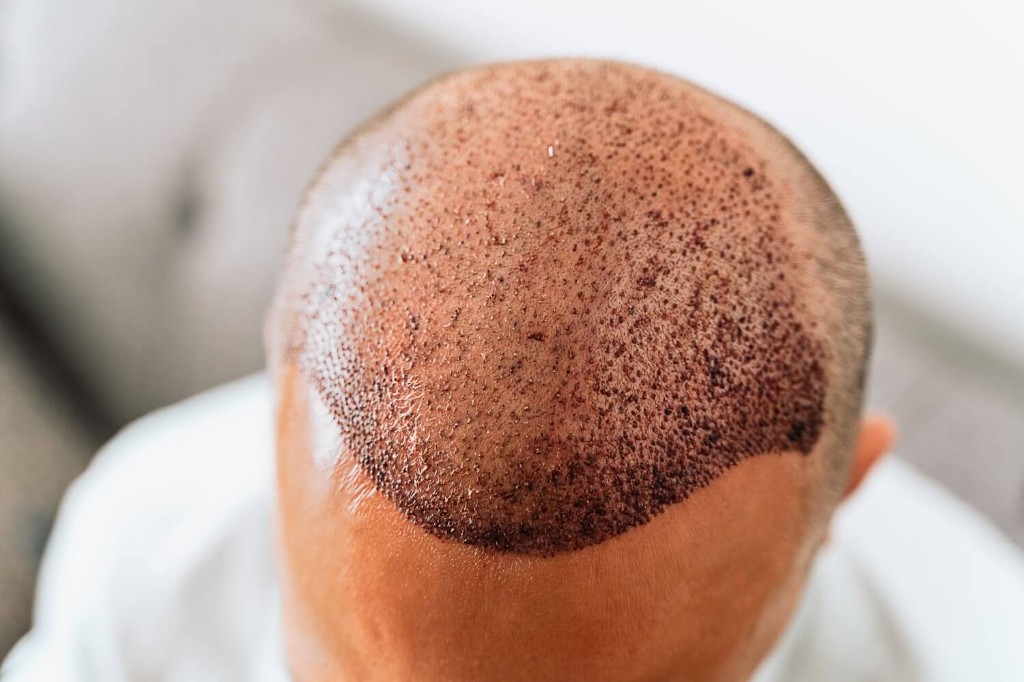
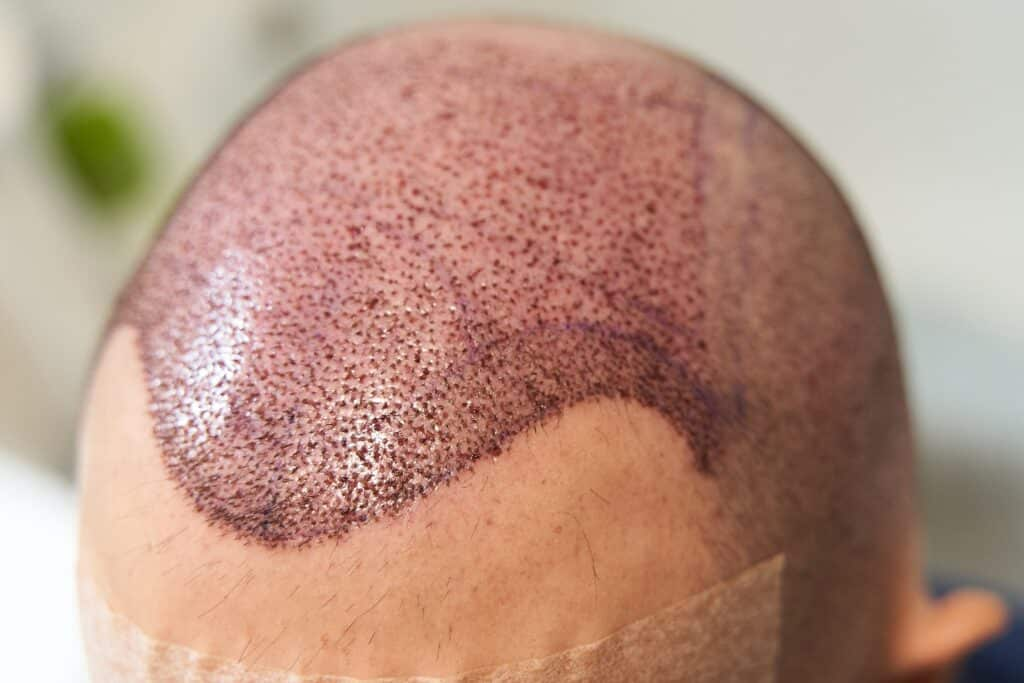
Normal healing may include small scabs, mild redness, mild swelling, itching, dryness, tightness and temporary sensitivity. These are common recovery signs.
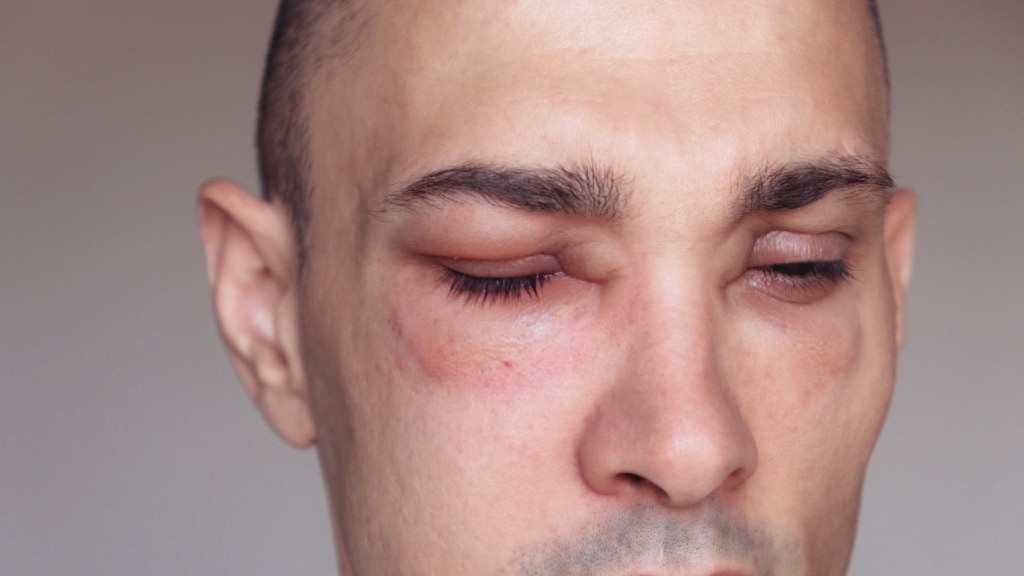
Signs that should be checked include black skin patches, open wounds, strong pain, bad smell, pus or discharge, spreading redness, fever and skin that looks damaged or worsening. If you are unsure, contact your clinic and send clear photos.
Why Can Necrosis Happen?
Necrosis may happen when blood supply to a small scalp area is affected. Possible risk factors may include too much pressure on the scalp, very aggressive dense packing, poor blood circulation, smoking, infection, trauma to the scalp, scratching or picking, uncontrolled medical issues, poor aftercare and previous scar tissue. A proper consultation helps reduce unnecessary risks.
Can Smoking Increase Risk?
Yes. Smoking can affect blood circulation and healing. Patients are usually advised to avoid smoking before and after hair transplant according to clinic instructions. Good blood flow supports healthy recovery.
Can Scratching or Picking Scabs Cause Problems?
Yes. Scratching or picking can damage healing skin. Even if itching is present, do not scratch the transplanted area. If itching is strong, ask your clinic what is safe to use.
Can Tight Hats or Pressure Cause Problems?
Pressure and friction should be avoided during early recovery. Tight hats, helmets or sleeping directly on the transplanted area may irritate the scalp and disturb healing. Follow your clinic's timeline before wearing hats or helmets.
How Clinics Reduce Risk
A careful clinic reduces risk by focusing on proper patient evaluation, safe hairline planning, realistic graft numbers, healthy donor management, correct graft placement, natural density planning, sterile medical environment, clear aftercare instructions and follow-up support. Safe planning is more important than aggressive promises.
How to Reduce Risk After Hair Transplant
Patients can support healing by following aftercare carefully. Helpful steps include avoiding smoking if instructed, avoiding alcohol early after surgery, not scratching, not picking scabs, avoiding tight hats, avoiding heavy exercise early, avoiding sauna and swimming early, protecting scalp from sun, using only approved products, taking medication only as instructed, keeping follow-up communication and contacting clinic if unsure. Good aftercare helps the scalp heal calmly.
What Should You Avoid?
- Smoking
- Scratching
- Picking scabs
- Touching grafts with dirty hands
- Tight hats
- Helmet pressure
- Heavy sweating
- Sauna
- Swimming too early
- Direct sun exposure
- Unapproved creams
- Random oils
- Aggressive washing
- Ignoring unusual symptoms
The goal is to protect the scalp during early healing.
When Should You Contact the Clinic?
Contact your clinic quickly if you notice black or dark skin patches, strong pain, open wounds, pus or discharge, bad smell, fever, spreading redness, worsening swelling, heavy bleeding, skin that looks damaged or anything that feels abnormal. Do not try to treat serious symptoms yourself.
Is Every Black Scab Necrosis?
No. Not every dark scab means necrosis. Scabs can look dark as they dry. However, if the skin itself looks black, painful, open or worsening, it should be checked by your clinic. If you are unsure, send photos.
Can Necrosis Affect Final Result?
If necrosis occurs, it may affect healing and hair growth in that area. However, because it is rare, most patients do not need to worry about it during normal recovery. The best approach is prevention, careful aftercare and early clinic communication if anything unusual appears.
Why Choosing the Right Clinic Matters
Hair transplant is not only about graft numbers. A safe clinic should focus on patient suitability, blood supply, donor area protection, natural density, safe planning, sterile procedure, aftercare and follow-up. This supports both safety and natural-looking results.
Frequently Asked Questions About Hair Transplant Necrosis
Is necrosis common after hair transplant?
No. Necrosis is rare after hair transplant.
Is normal scabbing necrosis?
No. Normal scabs are common and do not usually mean necrosis.
What are warning signs?
Black skin patches, severe pain, open wounds, pus, bad smell, fever or spreading redness should be checked.
Can smoking increase risk?
Yes. Smoking may affect circulation and healing.
Can tight hats cause problems?
Tight hats can create pressure and irritation during early recovery, so follow your clinic's instructions.
Can scratching cause damage?
Yes. Scratching can irritate or damage healing skin.
How can I reduce risk?
Follow aftercare, avoid smoking, avoid pressure, keep the scalp clean and contact your clinic if unsure.
Should I panic about redness?
No. Mild redness is common. Spreading, painful or worsening redness should be checked.
What should I do if I see something unusual?
Take clear photos and contact your clinic.
Can Turkus Hair Transplant Clinic help?
Yes. Turkus Hair Transplant Clinic in Spain can evaluate healing concerns and guide safe recovery.
Final Thoughts
Hair transplant necrosis is rare, but patients should know the difference between normal healing and signs that need clinic attention.
Mild redness, scabs, itching and swelling are usually part of normal recovery. Black skin patches, severe pain, open wounds, pus, bad smell or fever should be checked quickly.
The safest approach is careful clinic selection, realistic planning and proper aftercare.
If you are planning FUE, DHI or Sapphire FUE hair transplant in Spain, book a free consultation at Turkus Hair Transplant Clinic. The team can explain safe planning, recovery, aftercare and what to watch for during healing.