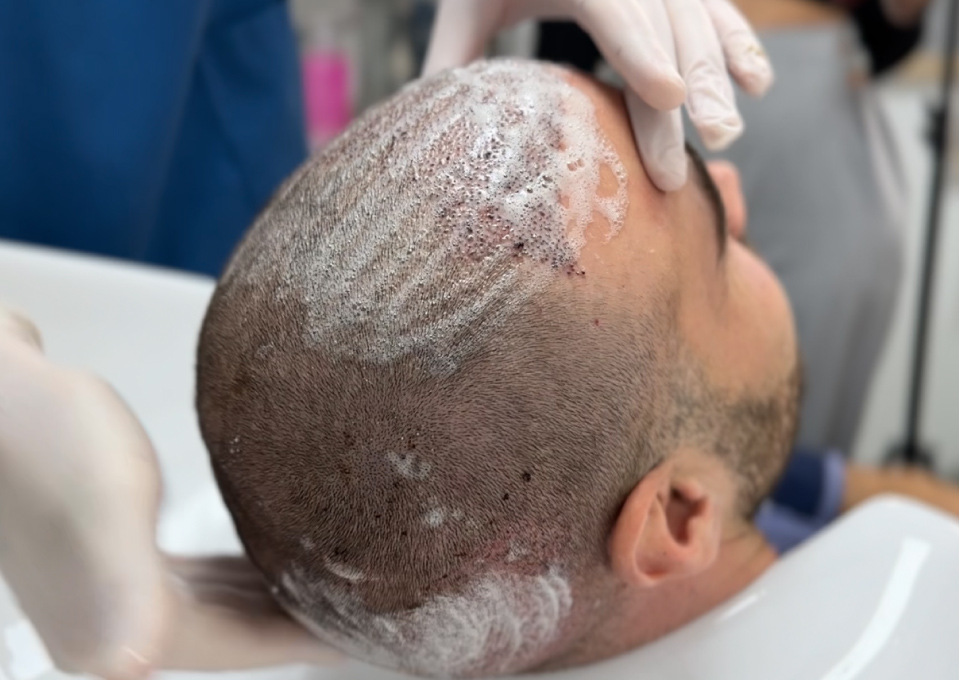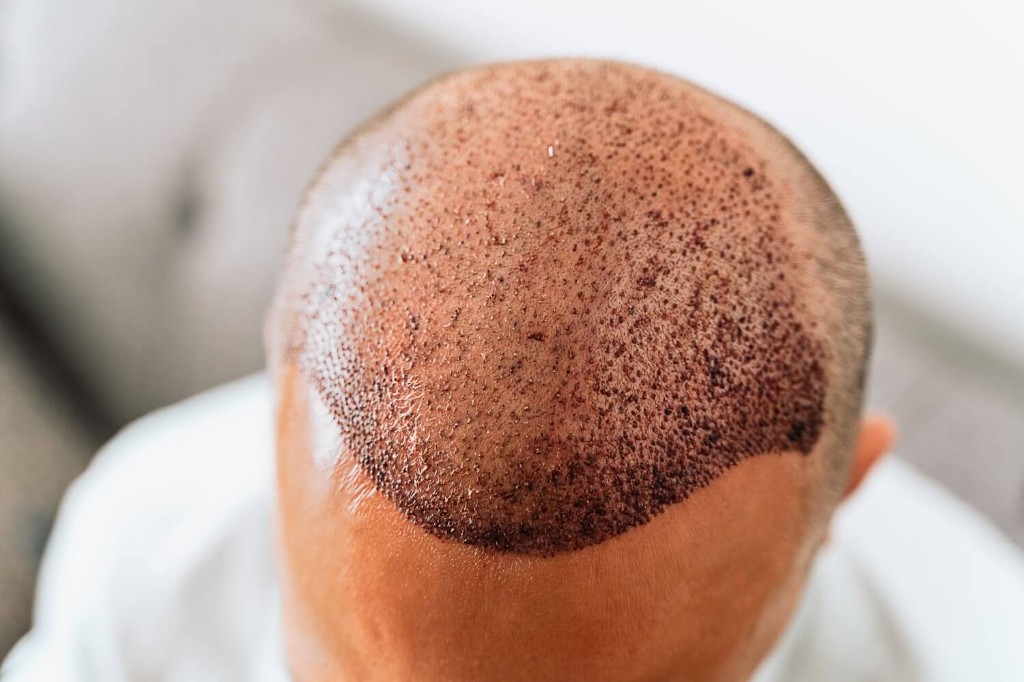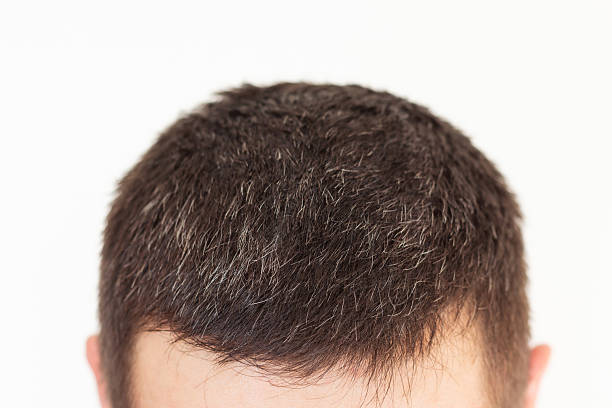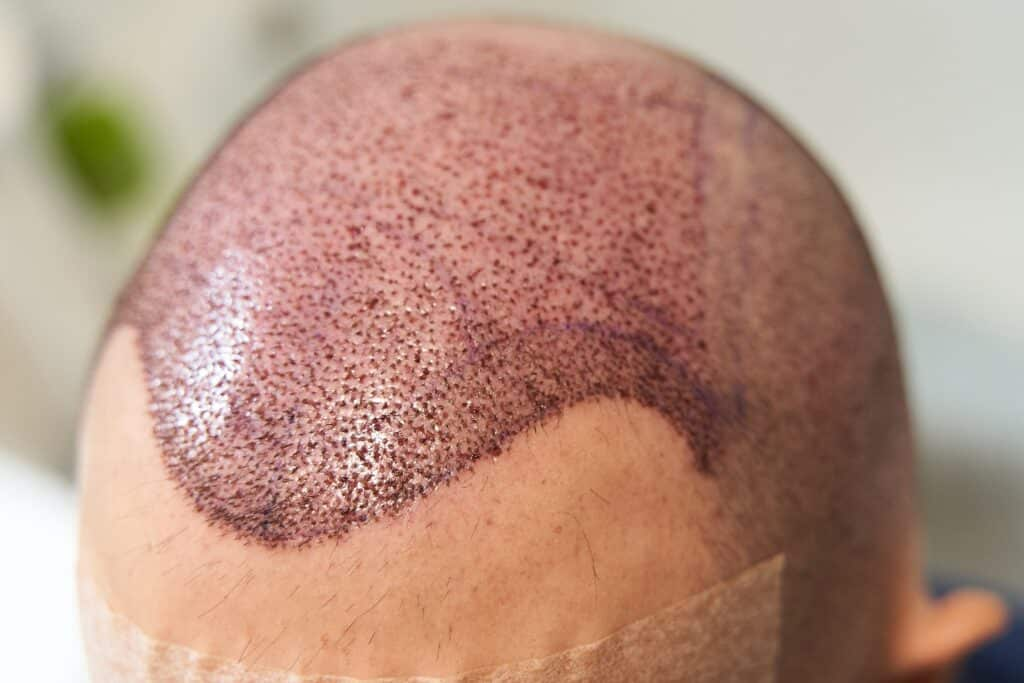
Hair transplant shock loss is a common topic after FUE, DHI or Sapphire FUE hair restoration. Many patients notice temporary shedding around the transplanted area or nearby native hair and wonder if this is normal.
The good news is simple: shock loss after hair transplant is often temporary. In many cases, the hair can recover gradually as the scalp heals and the growth cycle continues.
Shock loss does not usually mean the hair transplant failed. It is usually a temporary reaction of the scalp and hair follicles after surgery.
At Turkus Hair Transplant Clinic in Spain, patients receive clear aftercare and follow-up support so they understand what is normal during recovery.
This guide explains what shock loss is, why it happens, whether it is normal, how long it may last, the difference from shedding, what to do, when to contact your clinic, and how to support healthy growth.
Quick Insights
- Shock loss can happen after hair transplant.
- It may affect transplanted hair or nearby native hair.
- In many cases, shock loss is temporary.
- It does not usually mean permanent hair loss.
- New growth takes time and should be judged later.
- Do not panic during early shedding stages.
- Follow-up photos help track recovery.
- Clinic guidance is important if you are unsure.
What Is Hair Transplant Shock Loss?
Shock loss means temporary hair shedding after a hair transplant. It can affect transplanted hairs, nearby native hairs, hair around the recipient area and sometimes hair near the donor area. This happens because the scalp and follicles react to the stress of surgery. In many patients, shock loss improves over time.
Why Does Shock Loss Happen?
Shock loss may happen because hair follicles experience temporary stress during the procedure. Possible reasons include surgical stress, temporary inflammation, blood flow changes, implantation around native hair, scalp healing response, existing weak native hair and normal hair cycle changes. This does not automatically mean something is wrong.
Is Shock Loss Normal After Hair Transplant?
Yes, shock loss can be normal after hair transplant.
Not every patient experiences it, but it is a known part of recovery for some people. The important thing is to monitor the progress and stay in contact with your clinic.
Shock Loss After FUE Hair Transplant
After FUE hair transplant, shock loss may happen in the transplanted area or around existing native hair. This can make the hair look thinner temporarily, especially in the first months. In many cases, improvement happens gradually.
Shock Loss After DHI Hair Transplant
Shock loss can also happen after DHI hair transplant. DHI is a precise implantation technique, but the scalp still goes through healing and adjustment. Temporary shedding may still occur. DHI does not mean shock loss is impossible.
Shock Loss vs Shedding: What Is the Difference?
Shedding usually refers to transplanted hairs falling after surgery. Shock loss may also include nearby native hairs that were already present before the transplant. Both can make the hair look thinner temporarily, but both can improve with time.
Does Shock Loss Mean My Hair Transplant Failed?
No. Shock loss does not usually mean failure.
Many patients experience temporary shedding and later see new growth. Hair transplant results should not be judged too early.
Can Shock Loss Be Permanent?
In many cases, shock loss is temporary. However, if native hairs were already very weak before surgery, some may not fully return. This is why long-term hair loss planning is important. Your clinic can evaluate your situation and explain what is expected.
How Long Does Shock Loss Last?
The timeline varies between patients. Some patients recover faster, while others need more time. Growth usually improves gradually over the following months. The best way to track progress is with monthly photos, not daily mirror checks.
Why Does Hair Look Thinner After Shock Loss?
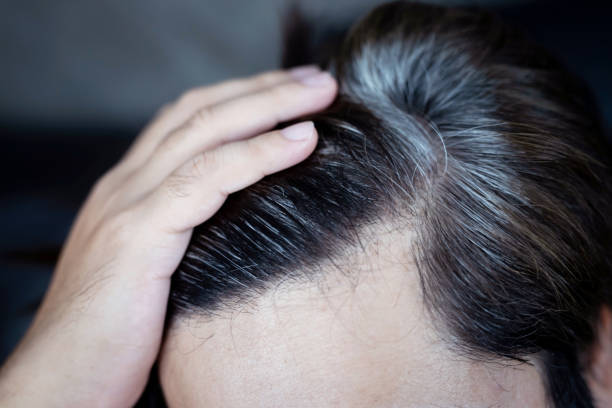
Hair may look thinner because some transplanted or native hairs have temporarily shed. This can happen before new growth becomes visible. It may feel frustrating, but it is often part of the recovery journey.
Can Shock Loss Happen in the Donor Area?
Yes, temporary thinning can sometimes happen in or near the donor area. This may improve as the donor area heals. If donor thinning looks unusual or continues, your clinic should evaluate it.
Can Minoxidil Help Shock Loss?
Minoxidil may be recommended for some patients, but only if your clinic approves it. Do not start or restart minoxidil without guidance, especially if the scalp is still sensitive.
Can Finasteride Help Shock Loss?
Finasteride may help protect native hair from future thinning in some male patients. It does not instantly stop shock loss, but it may be part of long-term hair loss management. Use only with medical guidance.
What Should You Do During Shock Loss?
During shock loss, patients should stay calm, follow clinic instructions, avoid scratching, avoid harsh products, avoid panic shaving, take monthly progress photos, keep follow-up communication, use only approved treatments, protect the scalp from irritation and focus on long-term growth. Shock loss is usually a waiting stage.
What Should You Avoid During Shock Loss?
- Panicking
- Judging the final result too early
- Pulling hairs to test them
- Scratching the scalp
- Using random oils
- Starting medication without approval
- Using hair dye too early
- Tight hats if scalp is sensitive
- Smoking against clinic advice
- Poor sleep
- Crash dieting
- Booking repair surgery too soon
Patience is important.
When Should You Contact the Clinic?
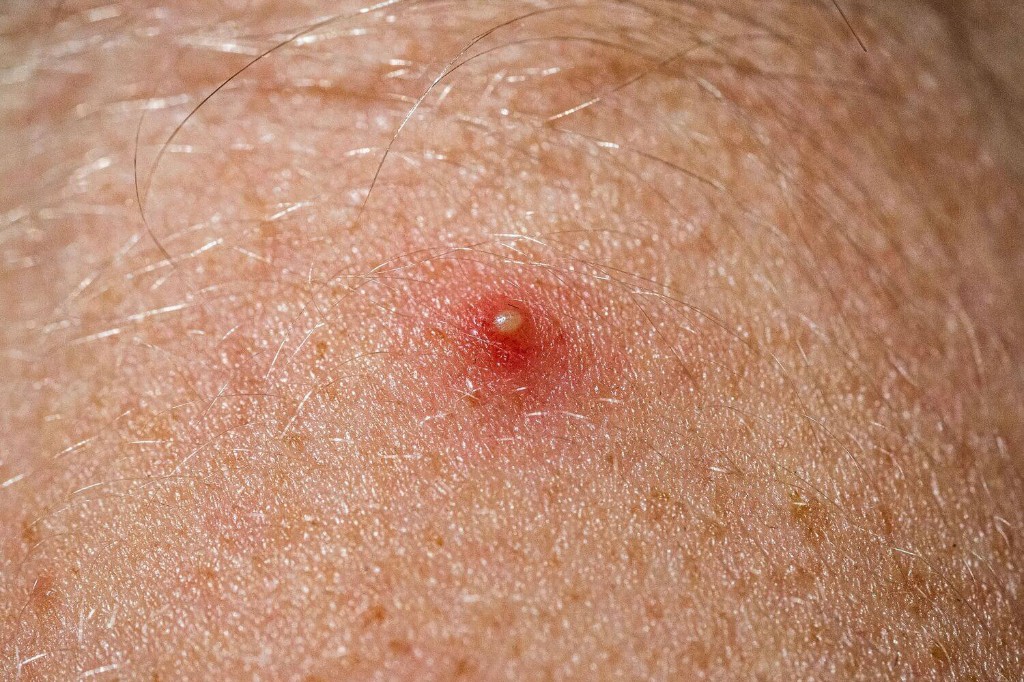
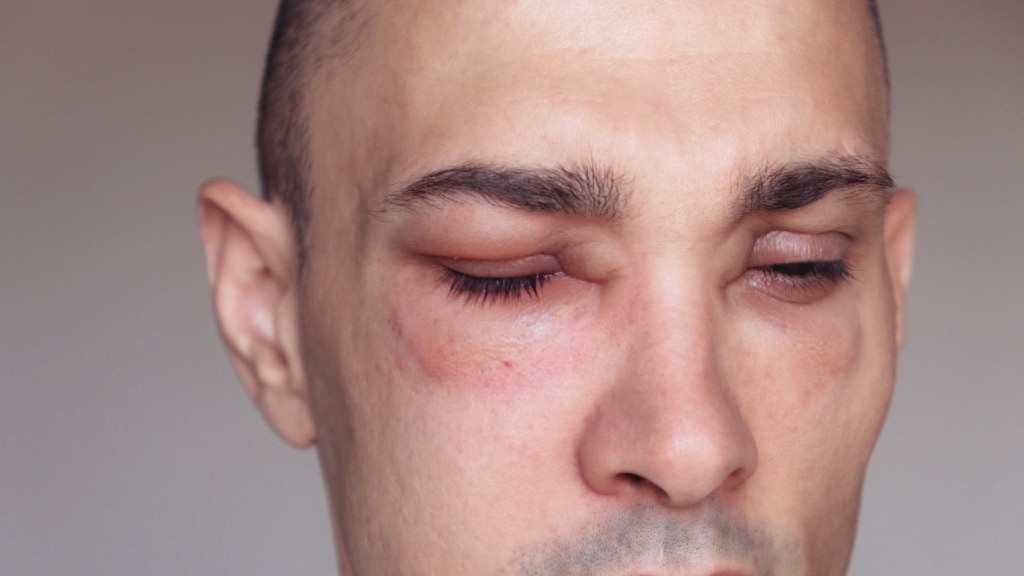
Contact your clinic if you notice strong pain, pus or discharge, bad smell, fever, spreading redness, open wounds, severe itching, unusual swelling, sudden patchy inflammation, donor area concerns or anything that feels abnormal. If you are unsure, send photos to your clinic.
How Turkus Hair Transplant Clinic Supports Patients
At Turkus Hair Transplant Clinic in Spain, patients receive guidance before and after the procedure. Support may include hair loss assessment, donor area evaluation, realistic density planning, aftercare instructions, growth timeline explanation, follow-up communication, shock loss guidance and long-term hair loss planning. This helps patients understand recovery without unnecessary panic.
Frequently Asked Questions About Hair Transplant Shock Loss
Is shock loss normal after hair transplant?
Yes, shock loss can be normal and is often temporary.
Does shock loss mean my transplant failed?
No. Shock loss does not usually mean failure.
Can native hair shed after hair transplant?
Yes, nearby native hair may temporarily shed due to surgical stress.
Can transplanted hair shed too?
Yes, transplanted hair can shed before new growth begins.
Is shock loss permanent?
In many cases, it is temporary. Weak native hairs may not always fully return.
How long does shock loss last?
The timeline varies. Growth usually improves gradually over the following months.
Can shock loss happen after DHI?
Yes. Shock loss can happen after DHI as well as FUE.
Can minoxidil help?
Possibly, but only use it if your clinic approves it.
Should I worry if my hair looks thinner?
Not immediately. Temporary thinning can happen before new growth.
When should I contact the clinic?
Contact your clinic if you notice pain, pus, fever, spreading redness or unusual symptoms.
Final Thoughts
Hair transplant shock loss can feel worrying, but it is often a temporary stage before recovery and new growth.
It may affect transplanted hairs or nearby native hairs, making the hair look thinner for a while. This does not usually mean the transplant failed.
The best approach is patience, gentle scalp care and follow-up with your clinic.
If you are planning FUE, DHI or Sapphire FUE hair transplant in Spain, book a free consultation at Turkus Hair Transplant Clinic. The team can explain shock loss, shedding, recovery timeline and how to protect your long-term result.