Hair transplant pimples after surgery are a common concern for patients after FUE, DHI or Sapphire FUE hair restoration. Many patients notice small bumps on the scalp during recovery and wonder if this is normal.
The good news is simple: small pimples after hair transplant can be a normal part of healing and new hair growth. In many cases, they happen when new hairs begin pushing through the skin or when follicles become temporarily blocked.
Most small pimples are not dangerous, but they should be handled gently. Do not squeeze, scratch or pick them.
At Turkus Hair Transplant Clinic in Spain, patients receive aftercare guidance and follow-up support so they know what is normal and when to contact the clinic.
This guide explains why pimples happen, when they are normal, what they may look like, how to care for the scalp, what not to do, when to contact your clinic, and how to support healthy recovery.
Quick Insights
- Small pimples after hair transplant can be normal.
- They may appear when new hairs start growing.
- Blocked follicles can also cause small bumps.
- Do not squeeze or scratch pimples.
- Keep the scalp clean according to clinic instructions.
- Use only clinic-approved products.
- Painful, spreading or pus-filled pimples should be checked.
- Most mild pimples can be managed with proper guidance.
Why Do Pimples Appear After Hair Transplant?
Pimples can appear after hair transplant because the scalp is healing and follicles are becoming active again. Common reasons include new hairs growing under the skin, blocked follicles, dry scalp, sweating too early, product buildup, touching the scalp, irritation from scratching, healing response and sensitive skin. This does not automatically mean something is wrong.
Are Pimples Normal After Hair Transplant?
Yes, small pimples can be normal after hair transplant.
They may appear in the transplanted area or donor area. Some patients get only a few, while others may notice more. Mild pimples are usually manageable with clinic guidance.
When Do Pimples Appear After Hair Transplant?
Timing varies from patient to patient. Some pimples may appear during early healing, while others may appear later when new hairs begin growing. This can happen because new hair shafts push through the skin and temporarily irritate follicles.
What Do Hair Transplant Pimples Look Like?
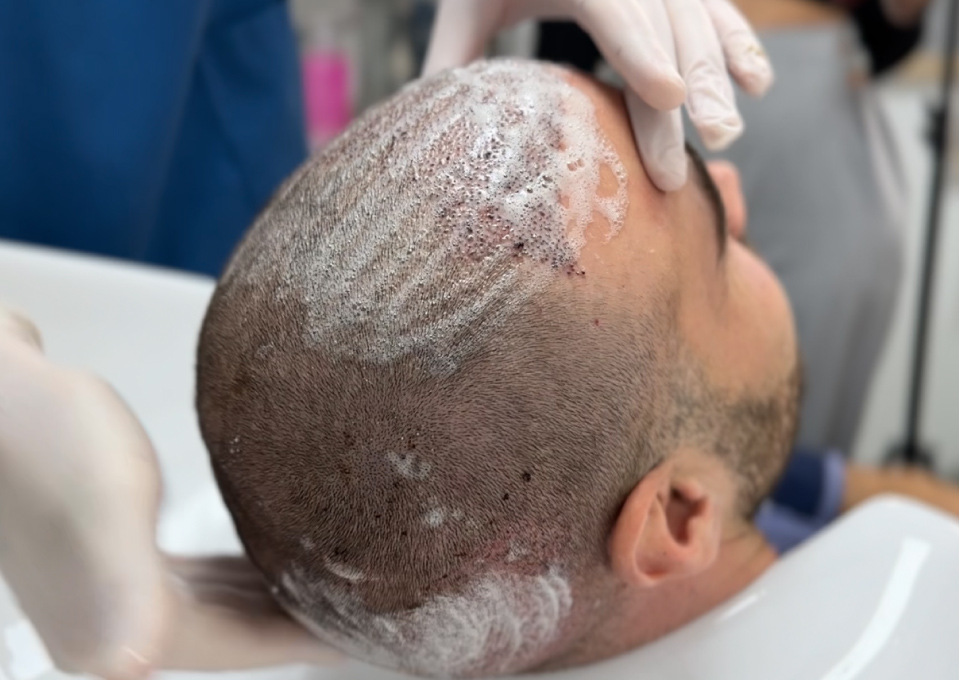
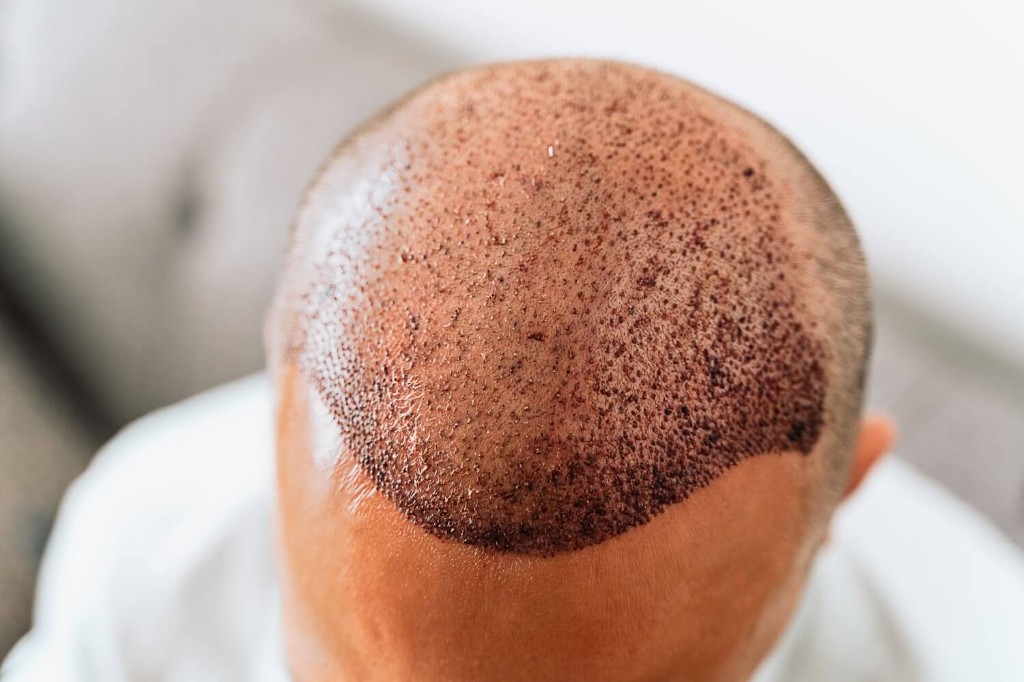
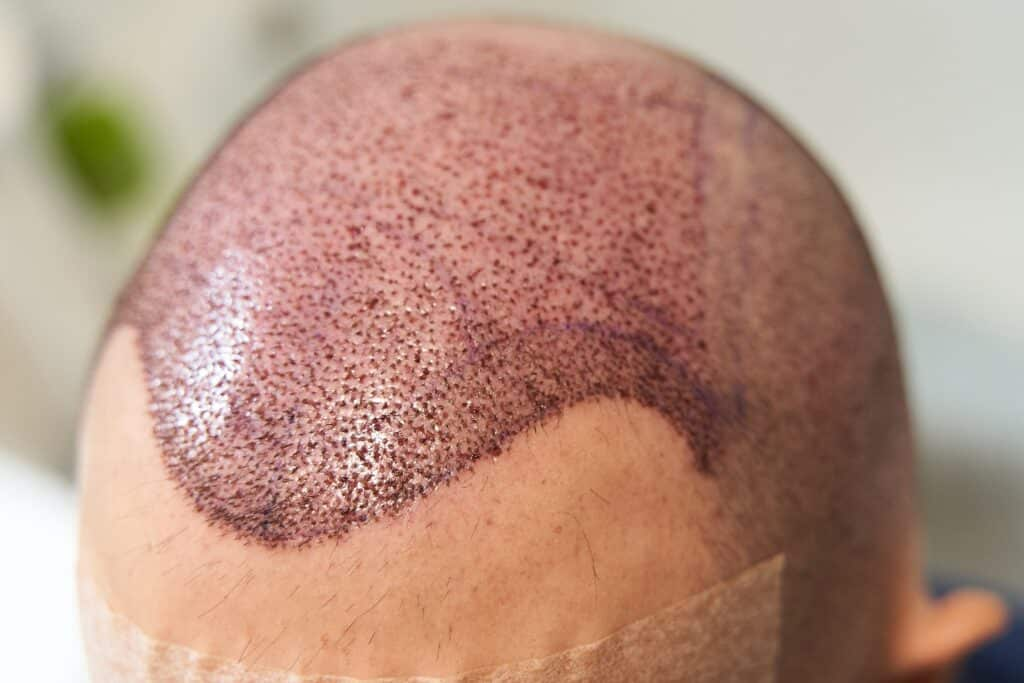
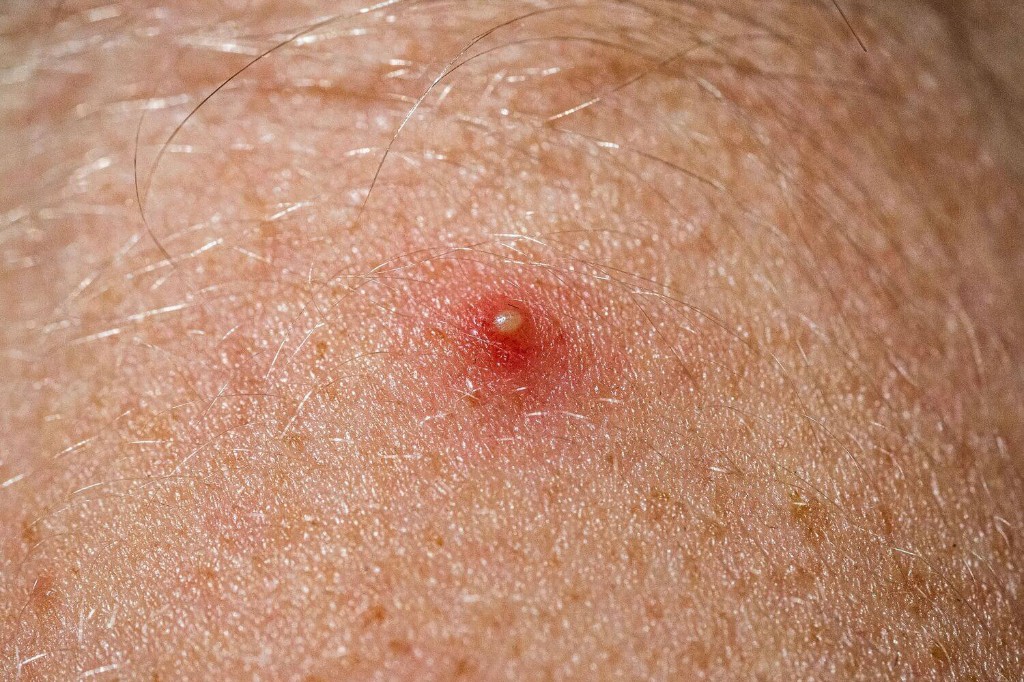
Hair transplant pimples may look like small red bumps, tiny whiteheads, small raised spots, mild follicle bumps, sensitive bumps or small pimples around grafts. Mild bumps are often part of recovery, but painful or spreading bumps should be checked.
Should I Squeeze Pimples After Hair Transplant?
No. Do not squeeze pimples after hair transplant. Squeezing can cause irritation, redness, bleeding, infection risk, scalp trauma, delayed healing and unnecessary discomfort. If a pimple bothers you, contact your clinic for safe instructions.
Can Pimples Damage Hair Grafts?
Small pimples usually do not damage grafts if handled correctly. The bigger risk comes from squeezing, scratching or picking. Trauma to the scalp can irritate healing skin. Gentle care is the safest approach.
Pimples After FUE Hair Transplant
After FUE hair transplant, pimples may appear in the recipient area or donor area. In the donor area, bumps may be related to healing extraction points or blocked follicles. In the recipient area, they may appear as new hairs begin growing.
Pimples After DHI Hair Transplant
After DHI hair transplant, pimples can also happen. DHI uses an implanter pen to place grafts, but the scalp still goes through healing, shedding and new growth stages. Small pimples do not usually mean the DHI result is bad.
Are Pimples a Sign of New Hair Growth?
Sometimes, yes. Pimples may appear when new hairs are trying to grow through the skin. This can cause small bumps or temporary irritation. However, not every pimple means new growth. Some are simply blocked follicles or scalp irritation.
How to Care for Pimples After Hair Transplant
The best care is gentle and clinic-approved. Patients should follow washing instructions, keep the scalp clean, avoid scratching, avoid squeezing, avoid harsh products, avoid sweating too early, use only approved shampoo, send photos to the clinic if unsure and attend follow-up if needed. Do not apply random creams or oils.
Can I Use Acne Cream on Hair Transplant Pimples?
Do not use acne creams unless your clinic approves them. Many acne products contain strong ingredients that may irritate the scalp. Always ask before applying anything.
Can I Use Antibiotic Cream?
Only if your clinic or doctor recommends it. Do not self-treat with medication. Your clinic should decide if any treatment is needed.
Can Shampoo Cause Pimples?
Sometimes, unsuitable shampoo or product buildup may irritate the scalp. Use only clinic-approved shampoo during recovery. Avoid heavy styling products until your clinic allows them.
Can Sweating Cause Pimples?
Sweating may irritate the scalp and contribute to blocked follicles. This is why patients are usually advised to avoid heavy exercise, sauna and intense sweating during early recovery.
Can Hair Products Cause Pimples?
Yes. Hair gel, spray, fibers, oils or styling products may clog follicles or irritate healing skin. Avoid them until your clinic approves.
When Should You Contact the Clinic?
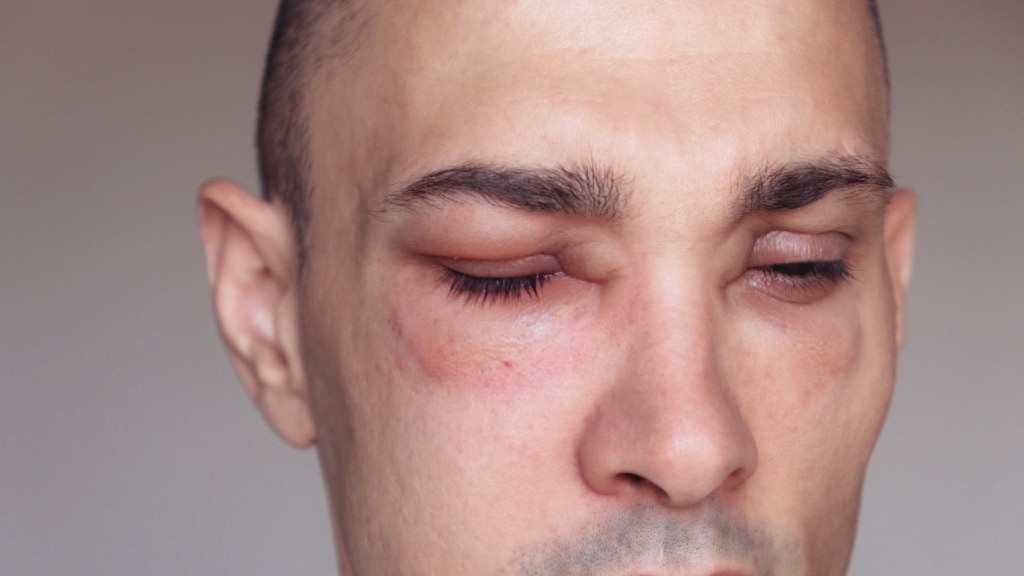
Contact your clinic if pimples are painful, spreading, very red, filled with pus, warm to touch, increasing quickly, combined with fever, causing strong swelling, not improving or appearing with bad smell or discharge. If you are unsure, send clear photos to your clinic.
What Should You Avoid?
- Squeezing pimples
- Scratching bumps
- Picking scabs
- Using random creams
- Using oils
- Using hair fibers too early
- Heavy sweating
- Dirty hats
- Touching scalp with dirty hands
- Aggressive washing
- Ignoring painful bumps
Gentle care protects recovery.
Hair Transplant Pimples Mistakes
- Thinking every pimple is dangerous
- Squeezing bumps
- Using acne products without approval
- Scratching because of itching
- Returning to gym too early
- Using styling products too soon
- Not sending photos to the clinic
- Panicking instead of asking for guidance
Most mild pimples can be handled calmly.
Frequently Asked Questions About Hair Transplant Pimples
Are pimples normal after hair transplant?
Yes, small pimples can be normal after hair transplant.
Why do pimples appear after hair transplant?
They may appear because of new hair growth, blocked follicles, healing or scalp irritation.
Do pimples mean new hair is growing?
Sometimes they can be related to new hairs pushing through the skin.
Should I squeeze pimples after hair transplant?
No. Do not squeeze, scratch or pick pimples.
Can pimples damage grafts?
Small pimples usually do not damage grafts if left alone and managed properly.
Can I use acne cream?
Only if your clinic approves it.
Can sweating cause pimples?
Sweating may irritate the scalp and contribute to bumps.
When should I worry about pimples?
Contact your clinic if they are painful, spreading, pus-filled or combined with fever.
Can pimples happen in the donor area?
Yes, pimples can appear in both donor and recipient areas.
What should I do if I have pimples?
Keep the scalp clean, avoid squeezing and contact your clinic if unsure.
Final Thoughts
Hair transplant pimples after surgery are usually manageable and often part of the healing or new growth process.
Small bumps do not usually mean something is wrong. The most important rule is to avoid squeezing, scratching or applying random products.
If pimples are painful, spreading and unusual, contact your clinic for guidance.
If you are planning FUE, DHI or Sapphire FUE hair transplant in Spain, book a free consultation at Turkus Hair Transplant Clinic. The team can explain recovery, pimples, new growth and aftercare so you know what to expect at every stage.