How to get rid of crusts after a hair transplant is one of the most common recovery questions. Crusts are a normal part of healing, and in most patients they gradually soften and fall off with proper washing.
The important thing is simple: do not pick or scratch the crusts. They should be removed gently with the washing routine recommended by your clinic.
At Turkus Hair Transplant Clinic in Spain, patients receive clear aftercare instructions so the scalp can heal safely and comfortably.
If you are not sure whether your crusts are healing normally, the best first step is to contact Turkus Hair Transplant Clinic for guidance.
This guide explains:
- what crusts are
- when crusts usually fall off
- how to wash your scalp
- what to avoid
- when to contact the clinic
- how to support smooth recovery
Quick Insights
- Crusts are normal after hair transplant.
- They usually start loosening during the first week.
- Many patients remove most crusts around day 7 to day 10.
- Do not pick, scratch or force crusts off.
- Gentle washing helps soften them.
- Follow your clinic's aftercare instructions.
- Turkus Hair Transplant Clinic can guide you if you are unsure.
What Are Crusts After Hair Transplant?
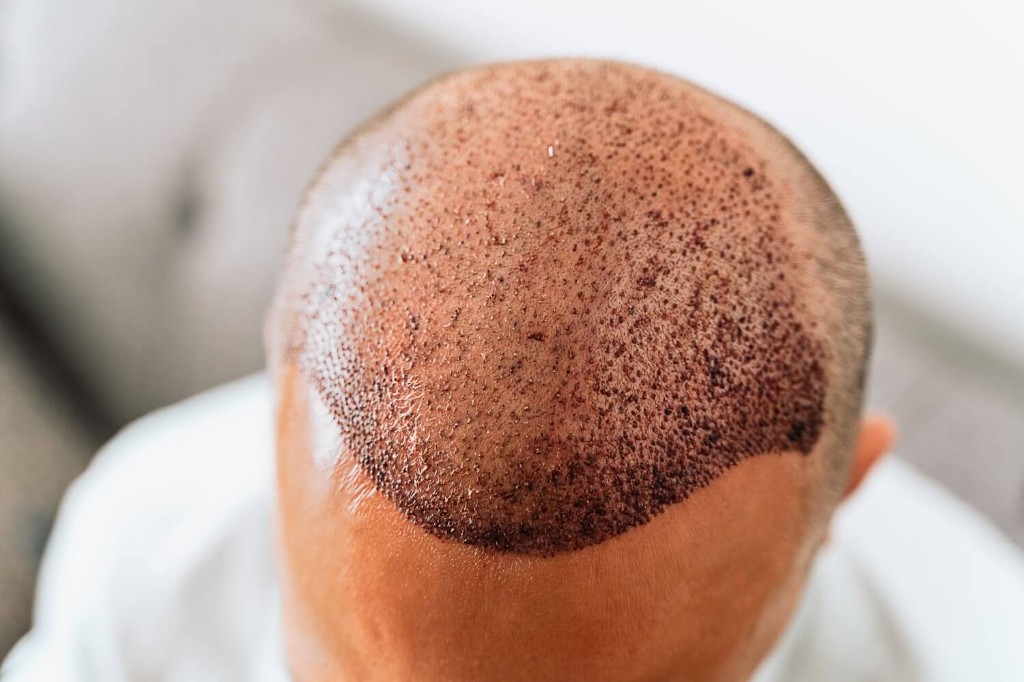
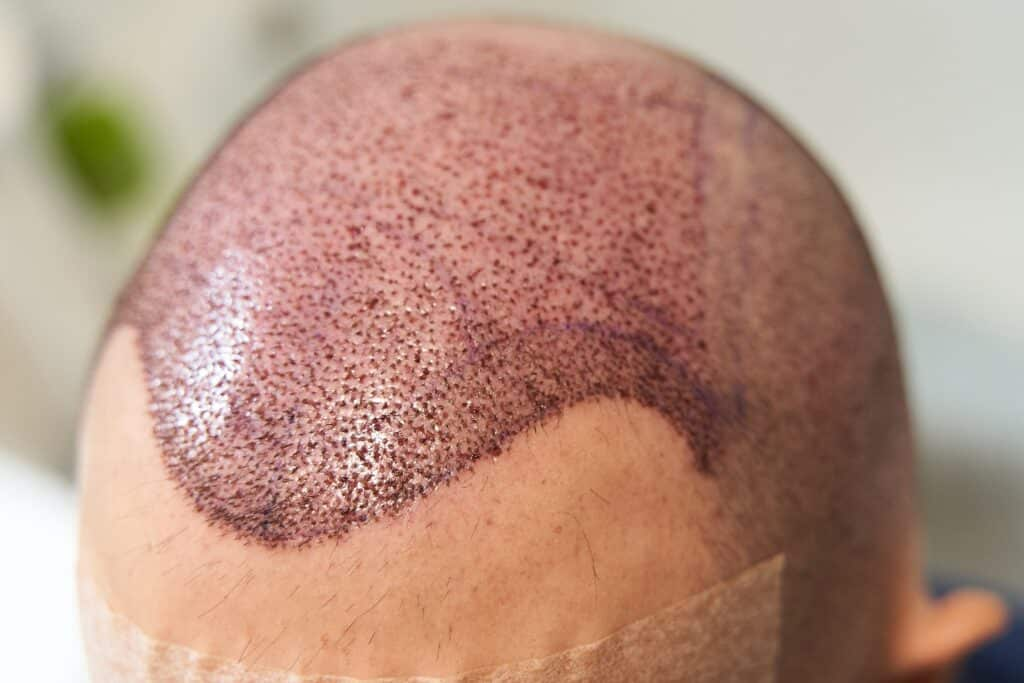
Crusts are small dried healing spots that form around the transplanted grafts.
They are part of the normal healing process.
They may appear around the recipient area during the first days after surgery.
When Do Crusts Fall Off?
Crusts usually begin to loosen after several days of washing.
For many patients, most crusts are gone around day 7 to day 10.
Some patients may need a little longer depending on skin type, healing speed and aftercare routine.
How to Get Rid of Crusts Step by Step
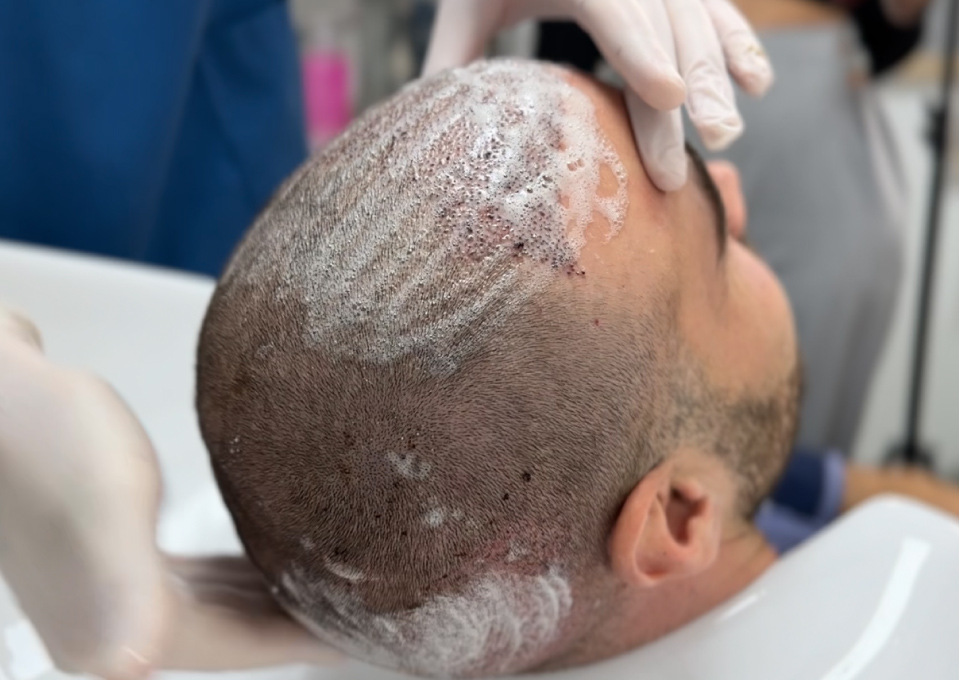
Step 1: Follow the clinic's washing plan
Start only with the schedule and products your clinic approves.
Step 2: Apply the recommended lotion or foam
If your clinic provides one, use it exactly as instructed.
Step 3: Let it soften the crusts
Leave it on for the recommended time so crusts can soften.
Step 4: Wash gently with lukewarm water
Use lukewarm water and avoid strong shower pressure.
Step 5: Use soft movements, not nails
Do not scratch. Use fingertips with gentle movements.
Step 6: Pat dry gently
Pat dry with a clean towel or let the scalp air dry.
Step 7: Repeat only as instructed
Follow the washing frequency your clinic gives you.
What You Should Avoid
Avoid:
- picking crusts
- scratching the scalp
- using nails
- hot water
- strong shower pressure
- rubbing aggressively
- using random hair products
- wearing tight hats too early
Gentle care gives the best recovery experience.
What If Crusts Do Not Fall Off?
If crusts remain after the expected period, do not force them.
It may simply mean they need more softening and washing.
If you are unsure, contact Turkus Hair Transplant Clinic and the team can guide you based on your healing stage.
Can Removing Crusts Damage Grafts?
If crusts are picked or forced too early, it may irritate the scalp.
That is why gentle washing is important.
By following the correct aftercare plan, crusts can usually be removed safely and comfortably.
When to Contact the Clinic
Contact the clinic if you notice:
- increasing discomfort
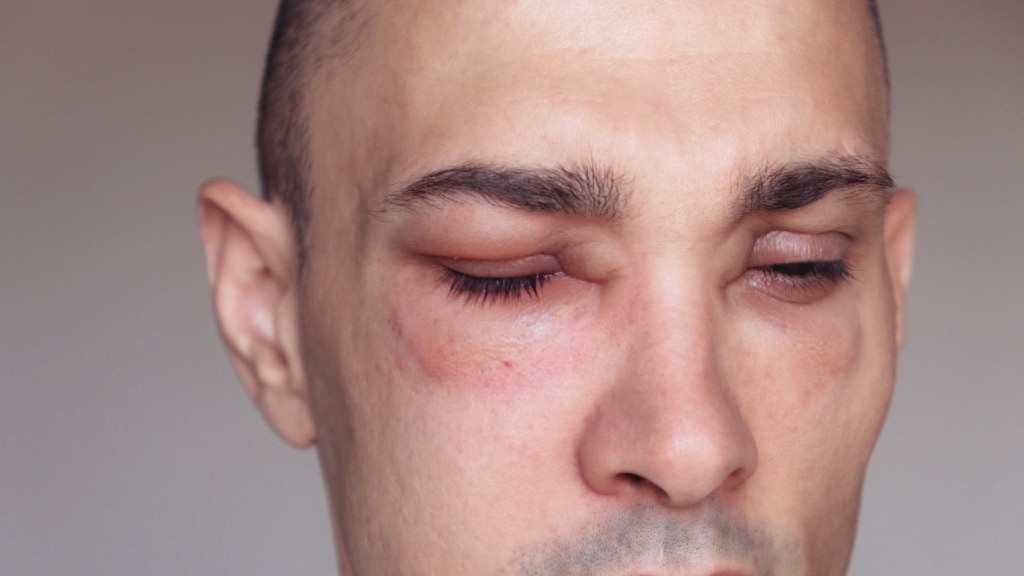
- unusual swelling
- strong redness
- bad smell
- discharge
- crusts that do not soften
- anything that feels unusual
Most healing is normal, but asking the clinic gives peace of mind.
Frequently Asked Questions
Are crusts normal after hair transplant?
Yes. Crusts are a normal part of healing.
When do crusts fall off?
Usually around day 7 to day 10 for many patients.
Can I pick the crusts?
No. Do not pick or scratch them.
How should I remove crusts?
Use the washing routine recommended by your clinic.
What if crusts stay longer?
Do not force them. Contact Turkus Hair Transplant Clinic for guidance.
Final Thoughts
Crusts after a hair transplant are normal and usually temporary.
The best way to remove them is gentle washing, softening and following your clinic's aftercare instructions.
If you want safe recovery guidance, contact Turkus Hair Transplant Clinic in Spain. The team can explain what is normal, how to wash correctly and when your scalp should be ready for the next stage of healing.