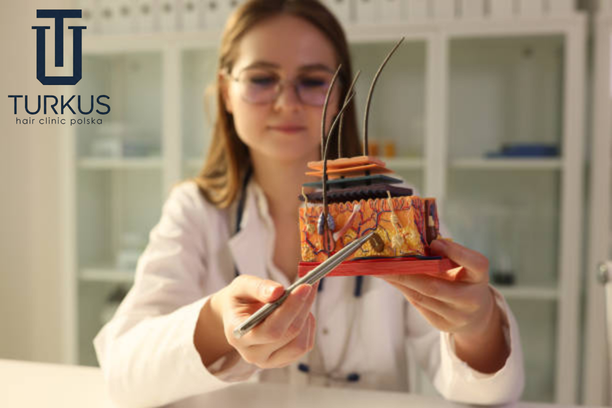
Female hair transplant is a personalized hair restoration option for women who have thinning hair, receding hairline, weak frontal density or selected areas of hair loss. Female temple hair loss and female receding hairline patterns need density and stability review before surgery.
Hair loss in women can feel very personal, so the treatment plan should be careful, natural and realistic. The goal is not only to add hair. The goal is to improve density in a way that looks soft, feminine and natural.
At Turkus Hair Transplant Clinic in Spain, female hair transplant planning starts with a personal consultation. The team evaluates your hair loss pattern, donor area, scalp condition and goals before recommending FUE, DHI or Sapphire FUE.
If you are a woman considering hair transplant, the best first step is to book a free consultation at Turkus Hair Transplant Clinic.
This guide explains what female hair transplant is, who may be suitable, which areas can be treated, why diagnosis and planning matter, which method may be suitable, and how to get a personal treatment plan.
Quick Insights
- Female hair transplant can help selected women with suitable donor area.
- It may improve hairline, temples, frontal density or selected thinning areas.
- Not every type of female hair loss is suitable for transplant.
- A consultation is important before choosing treatment.
- Natural design and density planning are essential.
- FUE, DHI or Sapphire FUE may be suitable depending on the case.
- Turkus Hair Transplant Clinic creates personalized plans for women in Spain.
What Is Female Hair Transplant?
Female hair transplant is a procedure where healthy grafts are taken from the donor area and placed into thinning or weak areas. It may be used for female hairline restoration, temple thinning, frontal density improvement, parting line thinning, selected crown thinning, scar coverage and eyebrow restoration in selected cases. The treatment must be planned according to the woman's hair loss type and donor area.
Who May Be Suitable for Female Hair Transplant?
A woman may be suitable if she has stable hair loss, good donor area, localized thinning, hairline recession, temple thinning, realistic expectations, healthy scalp condition and clear treatment goals. The best way to know is through consultation.
Why Female Hair Loss Needs Careful Planning
Female hair loss can have different causes, including hormonal changes, genetics, stress, nutrition, medical conditions or scalp problems. This is why the clinic should first understand the pattern before recommending transplant. At Turkus Hair Transplant Clinic, the team evaluates whether hair transplant is suitable or whether another approach may be needed first.
Female Hairline Restoration
Some women want to improve a naturally high hairline or restore recession around the front. A female hairline should look soft and natural. The design should match face shape, forehead proportions, hair direction, temple shape, hair density and donor capacity. The goal is a feminine, natural-looking frame for the face.
Frontal Density Improvement
Many women are concerned about thinning in the front or parting area. Hair transplant may help selected patients improve density, but the plan must be realistic. The clinic should check existing hair, donor strength and safe graft placement before treatment.
Which Method Is Best for Women?
FUE, DHI or Sapphire FUE may be suitable depending on the case. FUE may help with wider areas. DHI may be useful for selected precise placement cases. Sapphire FUE may help with controlled channel planning. The best method should be chosen after consultation, not only by technique name.
Why Donor Area Matters
The donor area is limited and must be protected. Before treatment, the clinic should check donor density, hair thickness, safe graft number, future hair loss risk, scalp condition and expected coverage. This helps create a safe and natural plan.
How to Get a Personal Female Hair Transplant Plan
The easiest way is to book a free consultation at Turkus Hair Transplant Clinic in Spain. During consultation, the team can evaluate your hair loss pattern, your donor area, your hairline goals, your scalp condition, your graft needs, your suitable method, your expected result and your treatment cost. This gives you a clear personal recommendation.
Frequently Asked Questions
Can women have hair transplant?
Yes, women can have hair transplant if they are suitable candidates.
Is female hair transplant different from male hair transplant?
Yes. Female hair loss patterns and design goals are often different, so planning must be personalized.
Can hair transplant lower a female hairline?
Yes, in suitable patients, hairline lowering or hairline restoration may be possible.
Can hair transplant improve thinning hair in women?
It may help selected women with localized thinning and suitable donor area.
Which method is best for women?
FUE, DHI or Sapphire FUE may be suitable depending on the case.
Does Turkus Hair Transplant Clinic treat women?
Yes. Turkus Hair Transplant Clinic offers personalized hair transplant consultation for women in Spain.
Final Thoughts
Female hair transplant can be a good option for women who want natural-looking improvement in the hairline, temples or selected thinning areas.
The most important step is proper evaluation. Not every type of female hair loss should be treated the same way.
If you want to know whether female hair transplant is suitable for you, book a free consultation at Turkus Hair Transplant Clinic in Spain. The team can evaluate your donor area, explain your options and create a personalized plan for natural-looking results.