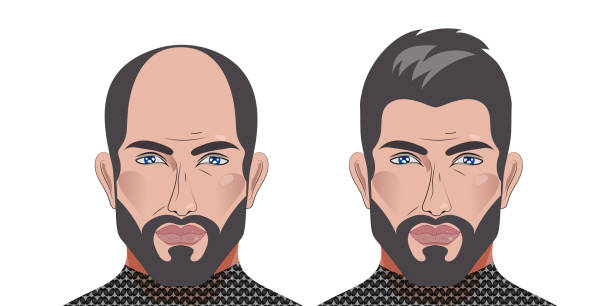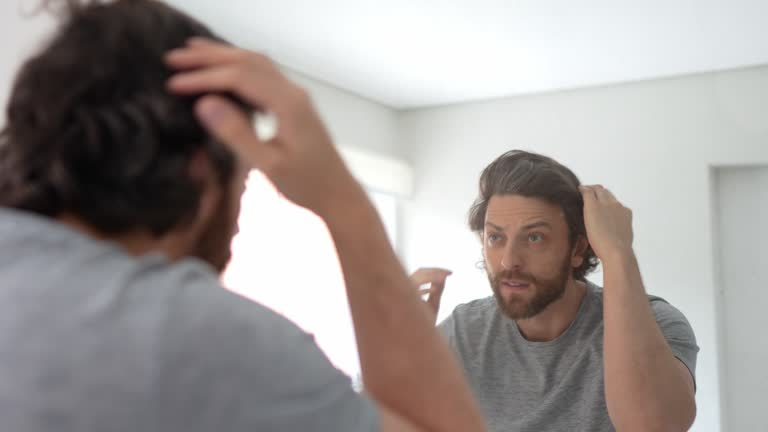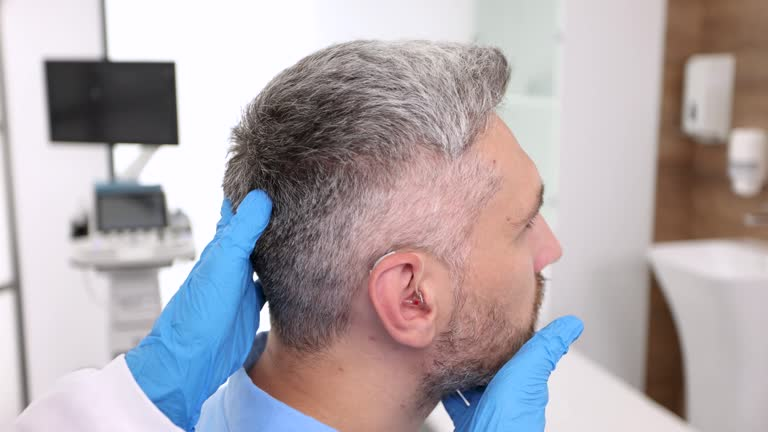
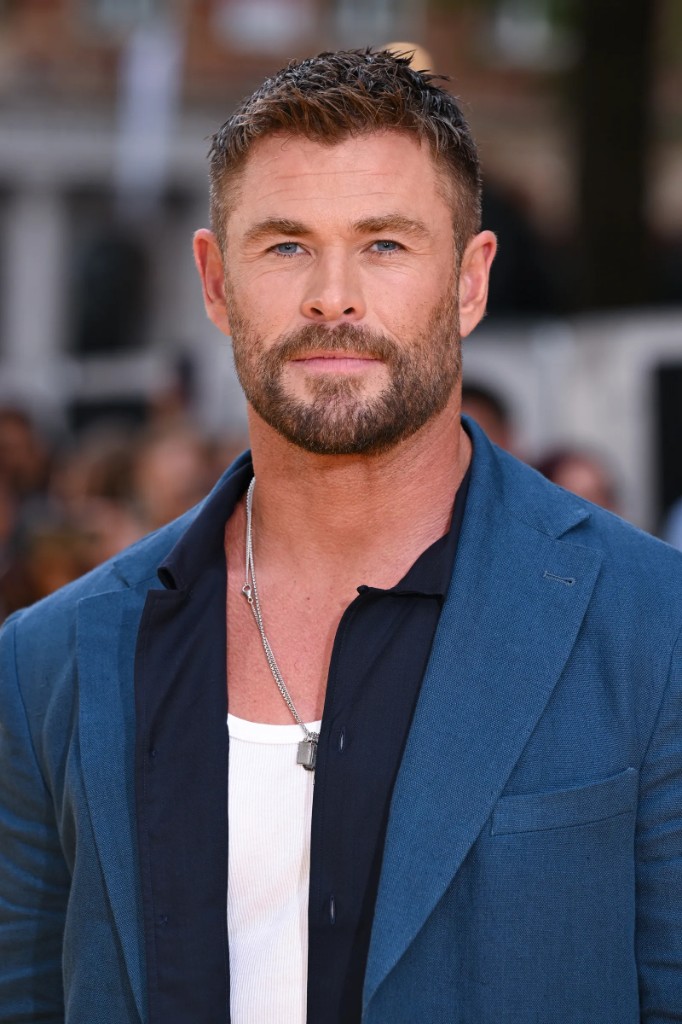
Beard transplant is a treatment option for men who want a fuller, denser or more defined beard. It may help with patchy beard growth, weak cheek density, gaps, scars or an uneven beard line.
At Turkus Hair Transplant Clinic in Spain, beard transplant is planned individually based on your face shape, beard goals, donor area and natural hair direction.
If you want to know whether beard transplant is suitable for you, the best first step is to book a free consultation at Turkus Hair Transplant Clinic.
This guide explains what beard transplant is, who may be suitable, which beard areas can be treated, why natural direction matters, how many grafts may be needed, and how to get a personal treatment plan.
Quick Insights
- Beard transplant can improve beard density and shape.
- It may help with patchy beard, gaps or weak cheek growth.
- Natural angle and direction are very important.
- Donor hair is usually taken from the scalp.
- The graft number depends on beard goals and current density.
- FUE, DHI or Sapphire FUE may be suitable depending on the case.
- Turkus Hair Transplant Clinic offers personalized beard transplant planning in Spain.
What Is Beard Transplant?
Beard transplant is a procedure where hair grafts are taken from the donor area and placed into the beard area. It may be used to improve patchy beard, weak cheek density, beard gaps, jawline definition, moustache density, goatee area, scar-related beard loss and uneven beard shape. The goal is to create a beard that looks natural and fits the face.
Who May Be Suitable for Beard Transplant?
Beard transplant may be suitable for men with patchy beard growth, thin beard density, missing beard areas, stable beard loss, good donor area, realistic expectations, clear beard goals and healthy skin in the treatment area. The best way to know is through consultation.
Why Beard Design Matters
A natural beard should match the patient's face. Good beard design considers face shape, jawline, cheek line, moustache connection, goatee shape, desired density, natural beard direction and donor capacity. The goal is not just more hair. The goal is a beard that looks natural on your face.
Natural Direction and Angle
Beard hairs grow in different directions depending on the area. Cheeks, jawline, moustache and chin all need careful angle planning. For natural-looking results, the clinic should plan hair angle, hair direction, density, shape, symmetry and soft transitions. Small details make a big difference in beard transplant.
Where Is Donor Hair Taken From?
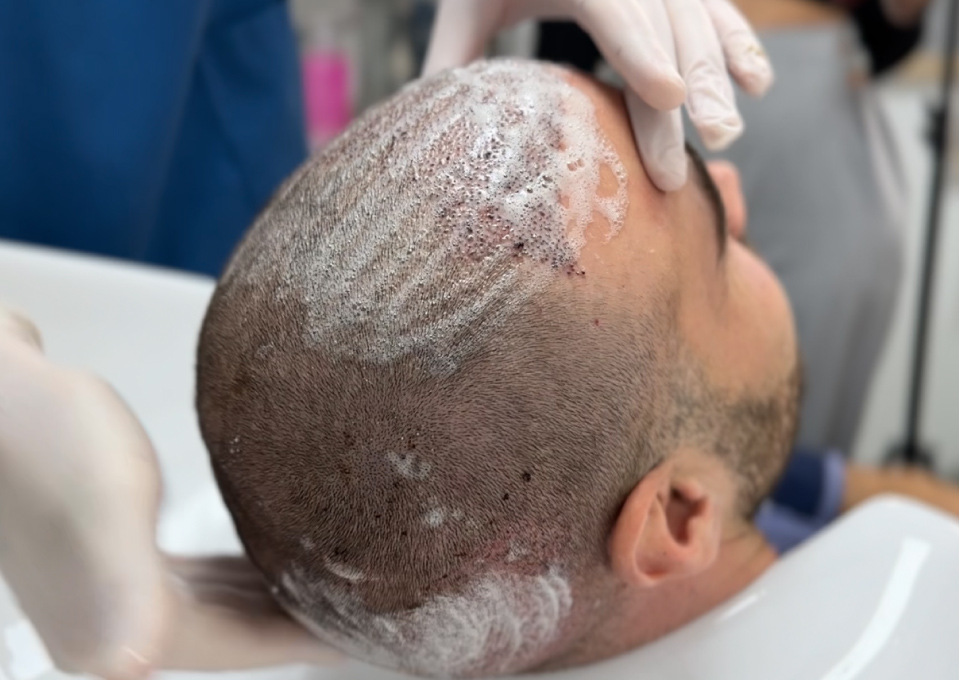
Donor hair is usually taken from the scalp, often from the back of the head. The clinic chooses suitable grafts and places them into the beard area. Donor area evaluation is important because the number of grafts depends on what can be safely taken.
How Many Grafts Are Needed for Beard Transplant?
The number of grafts depends on current beard density, desired beard thickness, patch size, cheek coverage, moustache needs, goatee area, jawline design and donor area quality. A small correction may need fewer grafts, while a fuller beard transformation may need more. A consultation gives the most accurate estimate.
Beard Transplant with FUE, DHI or Sapphire FUE
Different methods may be suitable depending on the case. FUE may be used for beard density and wider coverage. DHI may be useful for selected precise placement cases. Sapphire FUE may help with controlled channel planning. At Turkus Hair Transplant Clinic, the method is chosen based on your beard goals, donor area and treatment plan.
How to Get a Personal Beard Transplant Plan
The easiest way is to book a free consultation at Turkus Hair Transplant Clinic in Spain. During consultation, the team can evaluate your beard pattern, your density goals, your donor area, your graft needs, your suitable method, your expected result and your treatment cost. This gives you a clear plan based on your face and goals.
Frequently Asked Questions
Can beard transplant look natural?
Yes, when beard shape, angle, direction and density are planned correctly.
Who is suitable for beard transplant?
Men with patchy, thin or missing beard areas may be suitable after consultation.
How many grafts are needed?
It depends on beard goals, current density and treatment area size.
Does beard transplant use scalp hair?
Usually yes. Donor hair is often taken from the scalp.
Can beard transplant fill patches?
Yes, it may help fill patchy beard areas in suitable patients.
Does Turkus Hair Transplant Clinic offer beard transplant?
Yes. Turkus Hair Transplant Clinic offers beard transplant consultation in Spain.
Final Thoughts
Beard transplant can help improve beard density, shape and facial balance when planned carefully.
The key to a natural result is personal design, correct angle, proper direction and realistic graft planning.
If you want a fuller or more defined beard, book a free consultation at Turkus Hair Transplant Clinic in Spain. The team can evaluate your donor area, explain your options and create a personalized beard transplant plan for natural-looking results.