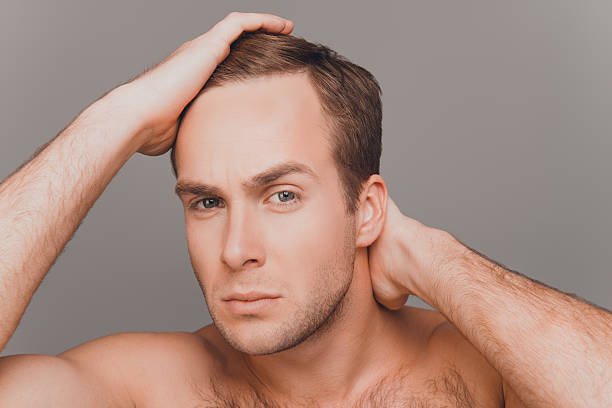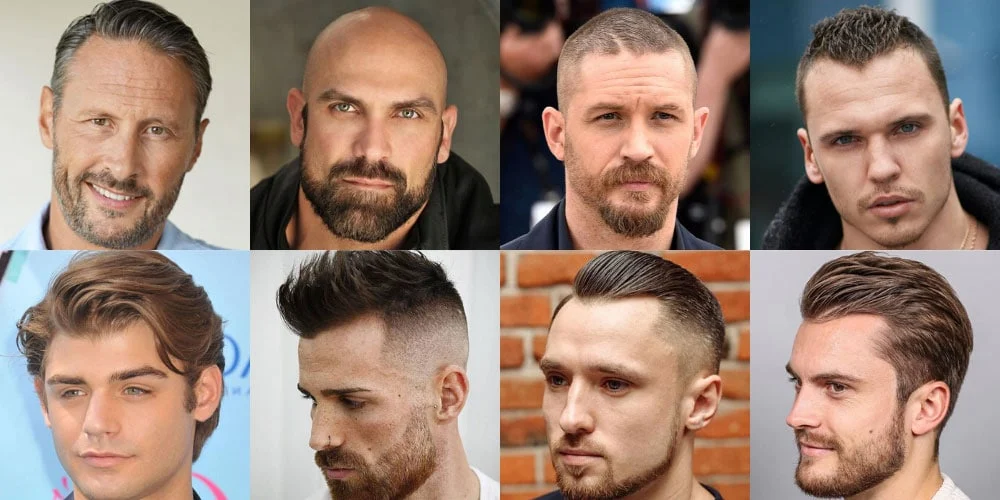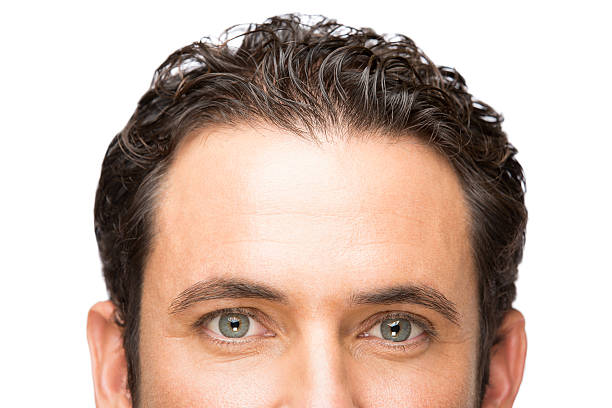
Hairline design is one of the most important parts of a hair transplant. A good hairline can make the result look natural, balanced and suitable for the patient's face.
The goal is not only to lower the hairline. The goal is to create a hairline that fits your face shape, age, donor area and long-term hair loss plan.
At Turkus Hair Transplant Clinic in Spain, hairline design is planned individually for each patient before the procedure.
If you want to know what hairline would suit your face, the best first step is to book a free consultation at Turkus Hair Transplant Clinic.
This guide explains what hairline design is, why natural hairline planning matters, what affects hairline position, why donor area capacity is important, how FUE, DHI and Sapphire FUE can be used, and how to get a personal hairline plan.
Quick Insights
- Hairline design affects the whole result.
- A natural hairline should fit your face, age and hair type.
- A hairline that is too low can look unnatural.
- Donor area capacity must be considered.
- Single grafts are usually important in the front hairline.
- FUE, DHI or Sapphire FUE may be used depending on your case.
- A consultation gives the most accurate plan.
- Turkus Hair Transplant Clinic creates personalized hairline designs in Spain.
What Is Hairline Design?
Hairline design is the planning of where the new hairline should be placed and how it should look. It includes hairline height, temple connection, front shape, density planning, natural irregularity, graft direction, graft angle and future hair loss planning. A good hairline should look natural, not artificial.
Why Hairline Design Matters
The hairline frames the face. Even if many grafts are transplanted, the result may not look natural if the hairline design is wrong. Good hairline design can help create better facial balance, natural appearance, younger but realistic look, improved confidence, better styling options and long-term harmony. This is why hairline design should be personalized.
What Makes a Hairline Look Natural?
A natural hairline usually has soft irregularity, proper density, single-hair grafts in the front, correct angle, correct direction, age-appropriate position, natural temple transition and balanced shape. The hairline should not look like a straight line. It should look like it belongs to the patient.
Hairline Height
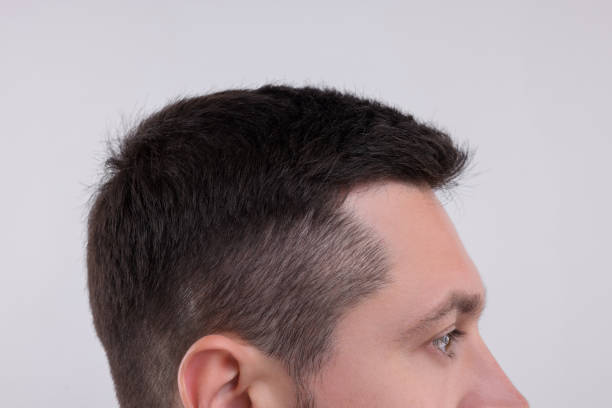
Hairline height should be planned carefully. A very low hairline may look attractive at first, but it can look unnatural later, especially if future hair loss continues. The clinic should consider forehead proportions, face shape, age, donor area strength, future hair loss risk, desired style and long-term naturalness. Sideburn styles and the temple transition belong to the same frame. At Turkus Hair Transplant Clinic, the goal is a natural and realistic hairline.
Hairline Shape
Hairline shape should match the patient's face. Some patients need a softer curve. Others need more temple connection or frontal framing. The design should not be copied from another patient. Every face needs a personal plan.
Temple Design
Temples are important for facial balance. Temple design should be conservative and natural because aggressive temple work can look artificial if not planned well. The clinic should evaluate whether temple restoration is suitable for your donor area and hair loss pattern.
Single Grafts in the Front Hairline
The front hairline usually needs single-hair grafts. This helps create a soft and natural transition. Behind the front line, multi-hair grafts may be used to create density. This combination helps the result look natural and fuller.
Donor Area and Hairline Design
The donor area is limited. A good hairline design should not waste grafts or use too many grafts in one area. The clinic should consider how many grafts are safely available, whether future sessions may be needed, how much density is realistic, how to protect the donor area and which areas should be prioritized. This is why donor area evaluation is essential before final hairline planning.
FUE, DHI or Sapphire FUE for Hairline Design
Different methods may be suitable depending on the case. FUE may be used for hairline restoration and wider coverage. DHI may be useful for selected precise hairline cases. Sapphire FUE may be useful for controlled channel creation and natural angle planning. The best method should be chosen after consultation.
Common Hairline Design Mistakes
- Choosing a hairline that is too low
- Copying another person's hairline
- Focusing only on graft number
- Ignoring donor area limits
- Ignoring future hair loss
- Choosing only by price
- Not asking about aftercare
- Expecting instant final results
A natural result starts with realistic planning.
How to Get Your Personal Hairline Plan
The easiest way is to book a free consultation at Turkus Hair Transplant Clinic in Spain. During consultation, the team can evaluate your face shape, your current hairline, your donor area, your hair loss pattern, your graft needs, your suitable method, your expected result and your treatment cost. This gives you a personal plan instead of a generic design.
Frequently Asked Questions
What is hairline design?
Hairline design is the planning of the new hairline position, shape, density and natural direction.
Why is hairline design important?
Because the hairline frames the face and strongly affects how natural the result looks.
Can I choose my own hairline?
Your preference matters, but the final design should also consider donor area, age, face shape and future hair loss.
Should the hairline be low?
Not always. A very low hairline can look unnatural and may use too many grafts.
Which method is best for hairline design?
FUE, DHI or Sapphire FUE may be suitable depending on your case.
How many grafts are needed for hairline?
It depends on recession level, hairline shape, donor area and desired density.
Can Turkus Hair Transplant Clinic design my hairline?
Yes. Turkus Hair Transplant Clinic offers personalized hairline planning in Spain.
How do I know what hairline suits me?
A consultation is the best way to evaluate your face shape, donor area and hair loss pattern.
Final Thoughts
Hairline design is one of the most important parts of a successful hair transplant.
A natural hairline should fit your face, age, hair type, donor area and long-term plan. The best result is not always the lowest hairline or the highest graft number. It is the most natural and balanced design.
If you want a personal hairline plan, book a free consultation at Turkus Hair Transplant Clinic in Spain. The team can evaluate your donor area, explain your options and design a natural-looking hairline that suits your face.