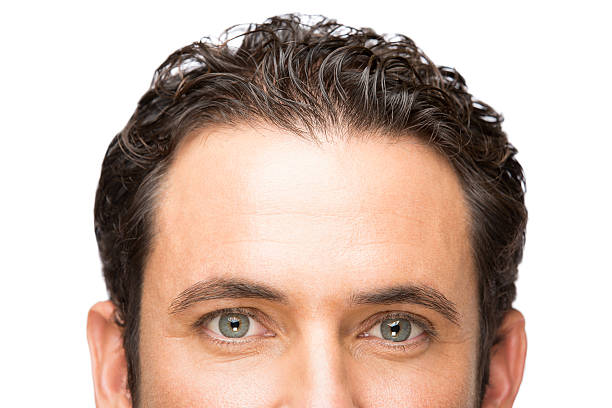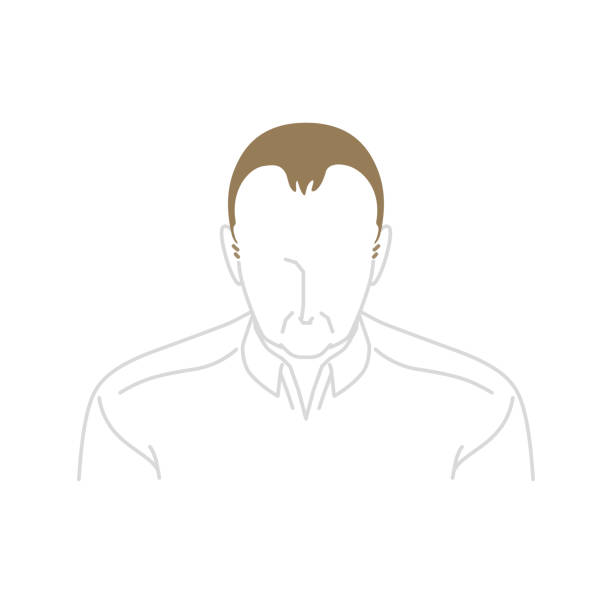
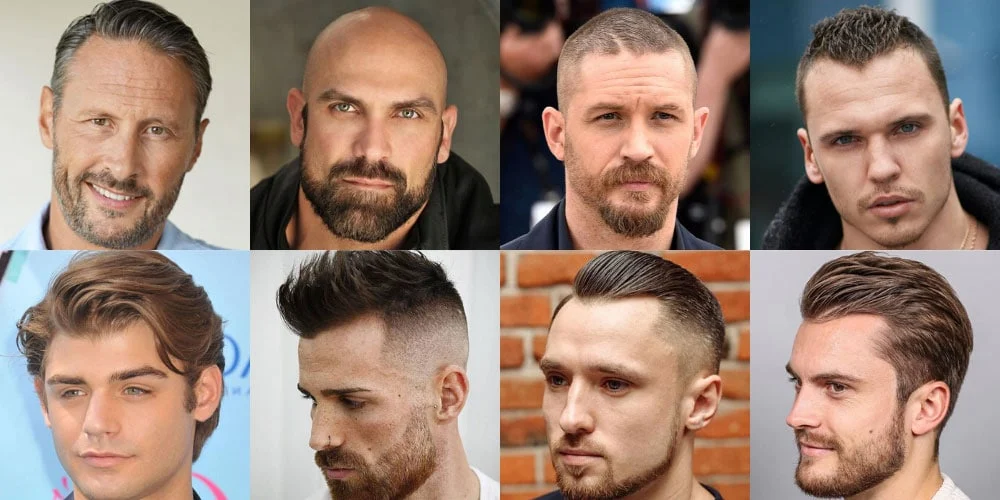
Understanding types of hairlines is one of the first steps in figuring out what is happening with your hair. Most men notice small changes and immediately assume the worst. That is not always the case.
Hairlines vary naturally. Some are straight. Others have a widow's peak. Some sit higher on the forehead without indicating hair loss. The challenge is knowing the difference between a normal variation and early recession.
According to the American Academy of Dermatology, hairline shape is influenced by genetics, age, and hormonal factors. Your hairline is not static. It evolves over time.
This guide covers common male hairline types, how to identify yours, mature vs receding patterns, what your hairline may indicate, and when styling, medical care, or hair transplant design makes sense.
Specialists at Turkus Hair Transplant Clinic, Spain note: "Many patients come in worried about their hairline, but what they are seeing is often a natural transition. The key is understanding whether it is stable or progressing."
Quick Insights
- Hairlines vary naturally. Straight, rounded, or widow's peak shapes are all normal variations.
- A mature hairline is not hair loss. It stabilizes after a slight shift.
- A receding hairline continues to move, especially at the temples.
- Progression matters more than appearance. Tracking changes over time gives the clearest answer.
- Hair type and density affect how your hairline looks day to day.
- Styling can improve balance, but it does not change the hairline itself.
- Early evaluation provides more options, especially in progressive cases.
What Is a Hairline and Why It Matters
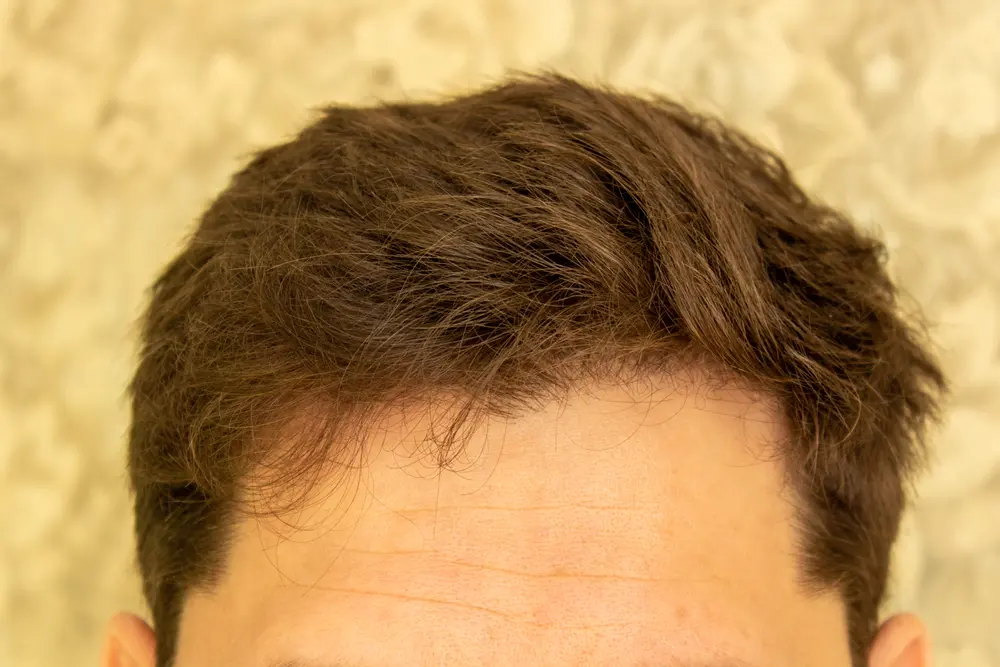
Role in facial balance
The hairline creates the upper boundary of the face. It works with forehead size, eyebrow position, and overall face shape.
When the hairline sits higher or changes shape, it can alter how balanced the face appears. A slightly different contour can make the face look longer, sharper, more symmetrical, or slightly off-balance.
Why hairlines change over time
Most men experience some degree of change as they age. This is often called a mature hairline. According to the National Institute of Arthritis and Musculoskeletal and Skin Diseases, these changes are influenced by hormonal sensitivity and genetic factors.
Why this distinction matters
Specialists at Turkus Hair Transplant Clinic, Spain note: "A mature hairline is not hair loss. It is a natural adjustment. The concern begins when the movement continues beyond that stage."
What to focus on
- Has it changed recently?
- Is it still moving?
- Is density decreasing?
Main Types of Hairlines in Men

Straight Hairline
A straight hairline runs evenly across the forehead. It is often seen in younger men and tends to sit lower. It is one of the most stable types, especially in early adulthood.
Rounded Hairline
A rounded hairline follows a soft curve instead of a straight line. It blends smoothly into the temples without sharp angles.
Widow's Peak
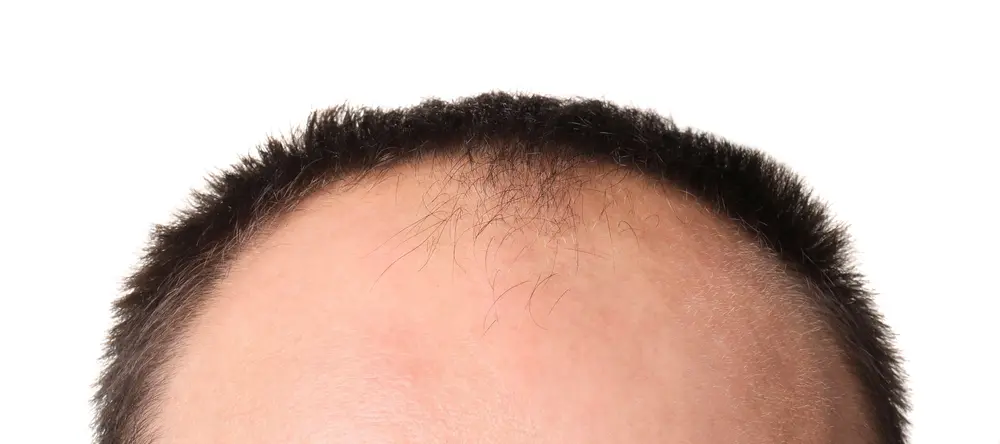
A widow's peak forms a V-shape in the center of the forehead. The middle sits lower while the sides rise slightly. It is a genetic trait, not a sign of hair loss unless it keeps changing.
Uneven Hairline
An uneven hairline does not follow a symmetrical pattern. One side may sit higher or recede slightly more. Small asymmetries are normal. Significant changes should be monitored.
Receding Hairline
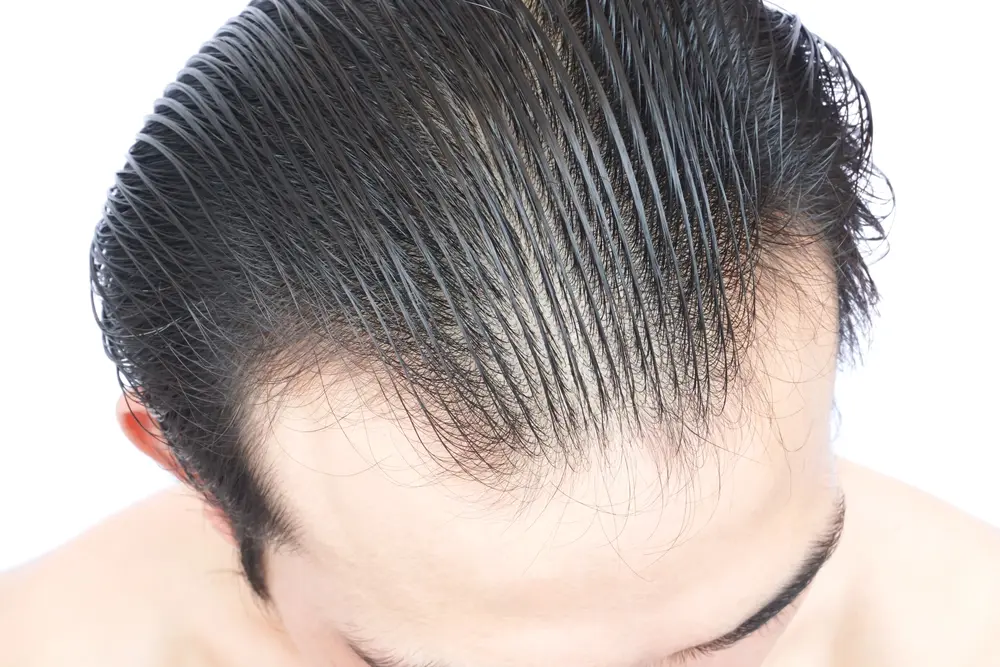
A receding hairline typically starts at the temples, creating an M shape. According to the American Academy of Dermatology, this pattern is commonly linked to androgenetic hair loss.
Specialists at Turkus Hair Transplant Clinic, Spain note: "The shape itself is not the issue. The direction of change is what tells us whether we are dealing with normal variation or hair loss."
What to look for
- changes over time
- movement at the temples
- reduction in density
Mature Hairline vs Receding Hairline
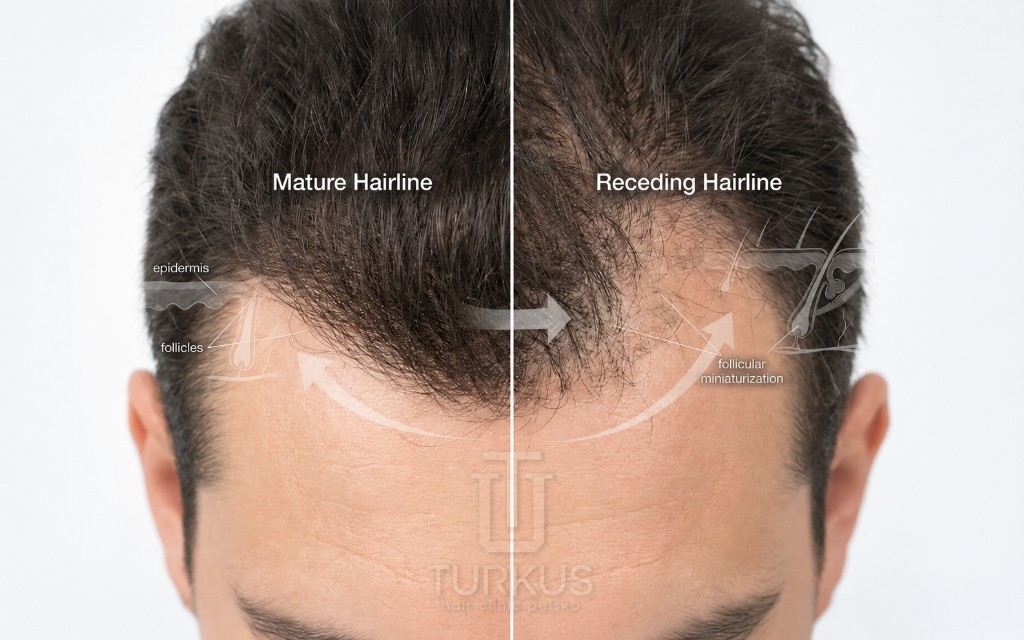
What is a mature hairline?
- slight elevation of the hairline
- subtle temple definition
- stable position over time
A mature hairline usually develops between the late teens and early 30s. It is not hair loss.
What is a receding hairline?
- noticeable temple recession
- widening forehead over time
- thinning or reduced density
Key differences that matter
A mature hairline stabilizes. A receding hairline continues to move. No change for years suggests mature. Gradual backward movement suggests possible recession.
Specialists at Turkus Hair Transplant Clinic, Spain note: "The mistake is focusing on shape instead of change. A mature hairline may look different, but it does not keep moving. That is the key difference."
What you should track
- timeline of changes
- temple movement
- density around the hairline
Hairline Stages (Norwood Scale Simplified)
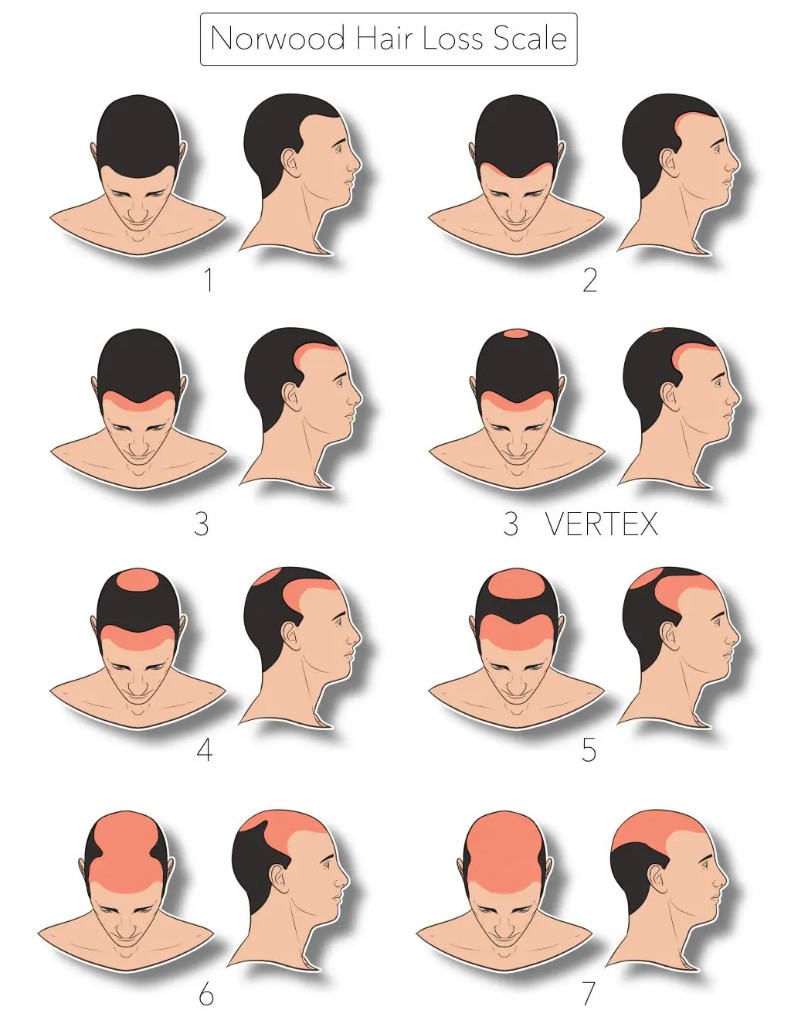
Stage 1–2: Early or Normal Range
Stage 1: minimal or no recession. Stage 2: slight temple movement, often mistaken for a mature hairline.
Stage 3–4: Noticeable Recession
Stage 3: deeper temple recession forming an M shape. Stage 4: further temple loss with thinning at the crown.
Stage 5–7: Advanced Hair Loss
These stages involve larger separation between front and crown, merging areas, and significant loss across the top.
Specialists at Turkus Hair Transplant Clinic, Spain note: "The earlier we identify progression, the more options we have. Waiting until advanced stages limits what we can achieve."
How to Identify Your Hairline Type

Mirror test
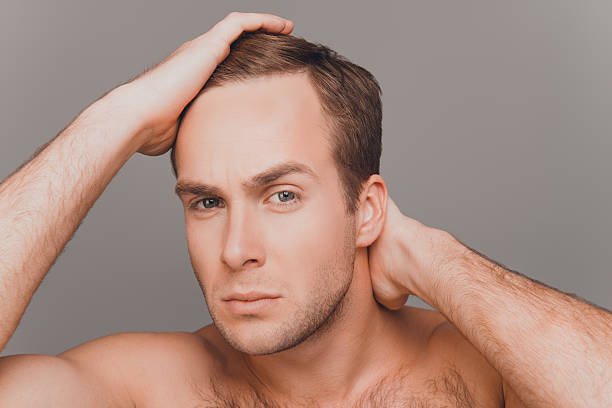
Stand in front of a mirror with hair pulled back. Note whether the shape is straight, rounded, or V-shaped and whether both sides are symmetrical.
Temple analysis
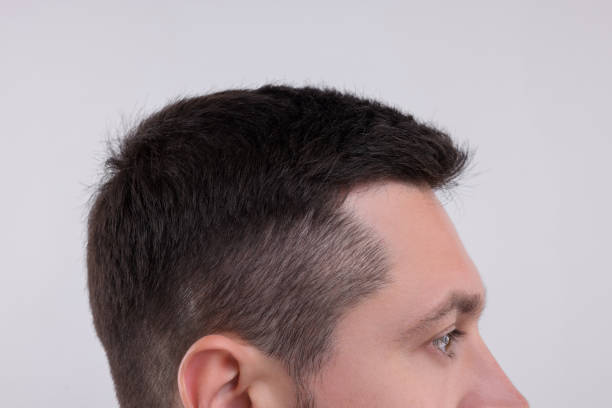
Focus on the corners: are they stable or moving backward? Do they form a sharp M pattern? Is one side more recessed?
Timeline tracking
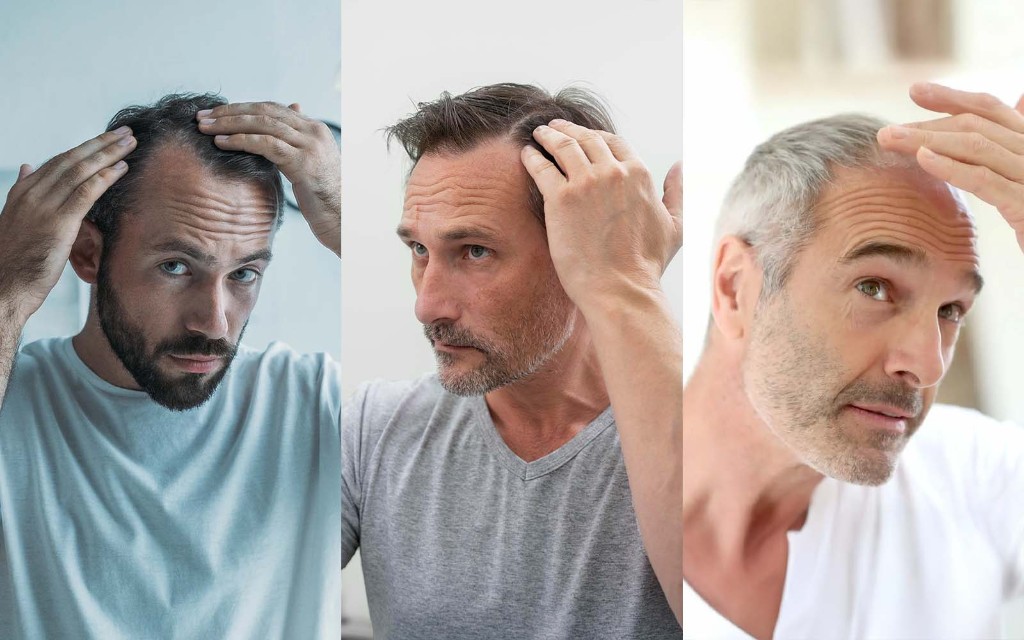
Compare current photos with photos from 1 to 2 years ago. Progression over time is a key indicator of androgenetic hair loss.
Density check
Look closely at the hairline. Thick consistent hair differs from thinning, even when the shape looks stable.
Specialists at Turkus Hair Transplant Clinic, Spain note: "We rarely diagnose based on shape alone. We look at progression, density, and pattern together."
What Your Hairline Says About Hair Loss

Genetics play the biggest role
If male pattern hair loss runs in your family, similar progression is more likely, though speed and extent vary.
Hormones and sensitivity
Follicle sensitivity to DHT influences how quickly hair thins and how the hairline changes.
Lifestyle and external factors
Stress, nutrition, and scalp health can affect density and shedding, especially in early stages.
What your current hairline might indicate
- stable shape over years: likely natural or mature
- gradual temple recession: possible androgenetic progression
- uneven thinning: may require closer evaluation
Specialists at Turkus Hair Transplant Clinic, Spain note: "Hair loss is progressive. The earlier we understand the pattern, the more control we have over the outcome."
Can You Change Your Hairline?
Styling vs structural change
Styling can soften the hairline, adjust proportions, and reduce contrast. It does not increase density or move the hairline forward.
Medical and non-surgical options

For early changes, medications targeting hormonal sensitivity and supportive therapies like PRP may slow progression when started early.
Hair transplant and hairline design
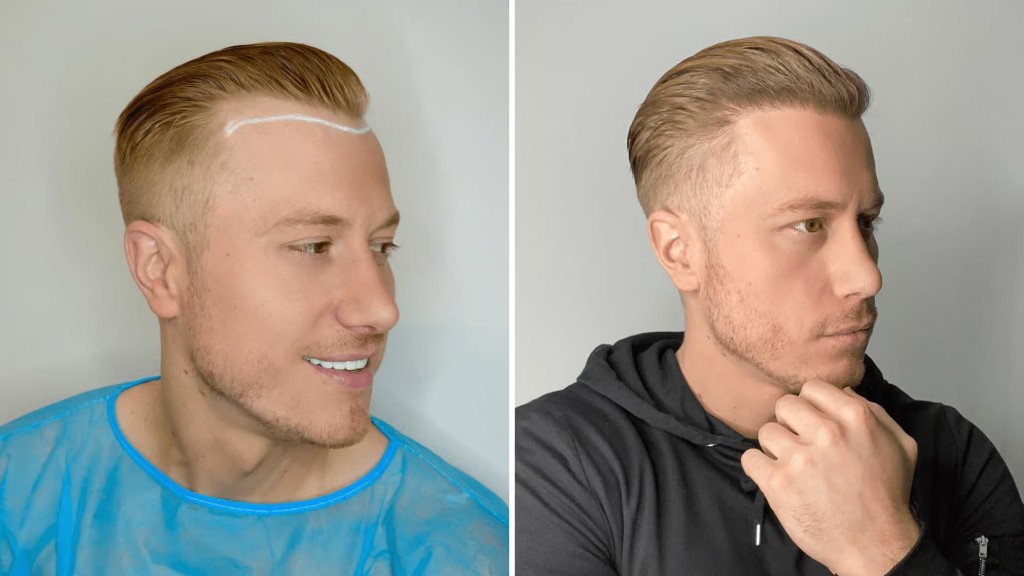
Modern techniques allow the hairline to be redesigned naturally. At Turkus Hair Transplant Clinic, Spain, planning includes face proportions, graft distribution, and age-appropriate density.
FUE, DHI, and Sapphire FUE may allow precise placement after consultation. Results vary between patients.
Specialists at Turkus Hair Transplant Clinic, Spain note: "A natural hairline is not straight or artificial. It must match age, density, and facial structure."
When to consider change
- the hairline continues to move
- density decreases
- styling no longer gives the desired result
Why Choose Turkus Hair Transplant Clinic?
Turkus Hair Transplant Clinic is a Turkish-led hair transplant clinic in Spain. Turkish surgical expertise is part of our team; your consultation, procedure planning, and aftercare stay local in Spain.
We focus on natural-looking results, clear communication, and personalized follow-up in Spain. We do not recommend traveling to Turkey instead of local care.
Options such as FUE, DHI, and Sapphire FUE may be suitable after evaluation. Results vary between patients; graft estimates require a consultation, not online guesses.
Specialists at Turkus Hair Transplant Clinic, Spain note: "The goal is an honest plan based on your pattern and goals, not promises that apply to every patient."
Frequently Asked Questions About Hairline Types
What is considered a normal hairline in men?
It can be straight, slightly rounded, or include a widow's peak. Stability and intact density matter more than shape.
How can I tell what type of hairline I have?
Look at shape, symmetry, and changes over time. Mirror checks plus older photos help.
Is a widow's peak a sign of balding?
No. It is genetic unless it keeps changing or receding at the temples.
What age does a hairline usually mature?
Typically between the late teens and early 30s, with a slight upward shift that then stabilizes.
How do I know if my hairline is receding?
Gradual backward movement at the temples, an M shape, or reduced density over time are key signs.
Will a receding hairline grow back naturally?
Androgenetic recession usually does not reverse on its own. Treatment may slow progression or improve density depending on stage.
What is the difference between a mature and receding hairline?
A mature hairline stabilizes after a slight shift. A receding hairline keeps moving backward.
How do genetics affect hairline shape?
Genetics determine initial shape and likelihood of hair loss, though speed and extent vary.
Can hairstyles change how my hairline looks?
Yes. Texture and volume can make the hairline appear lower or more balanced, but styling does not change its actual position.
When should I consider treatment for my hairline?
If you notice consistent changes, reduced density, or difficulty maintaining your style, evaluation is worthwhile.
Take the Next Step with a Clear Plan
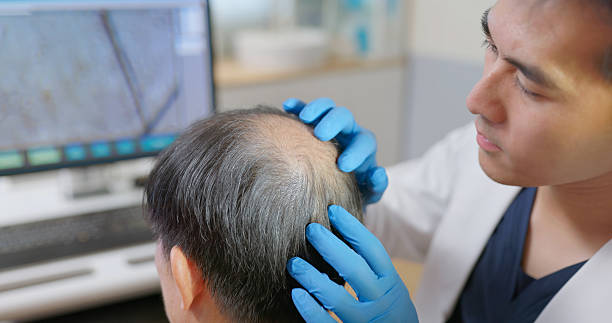
If you have been researching hairline types, you now have a clearer framework. Stable patterns need different decisions than progressive ones.
Specialists at Turkus Hair Transplant Clinic, Spain note: "The goal is not to chase a perfect hairline. It is to create a natural, balanced result that fits the patient."
At Turkus Hair Transplant Clinic, Spain, every case starts with detailed evaluation and personalized hairline design when appropriate.
Read our hair transplant FAQ and hairline design guide. Request your free hair analysis and speak directly with a specialist today.