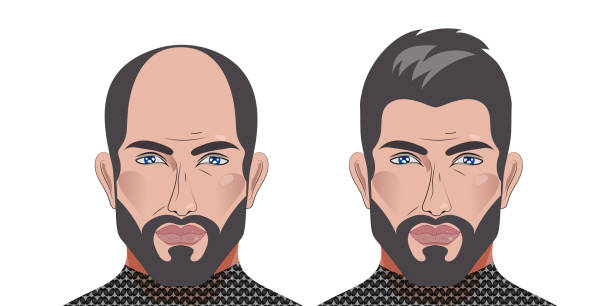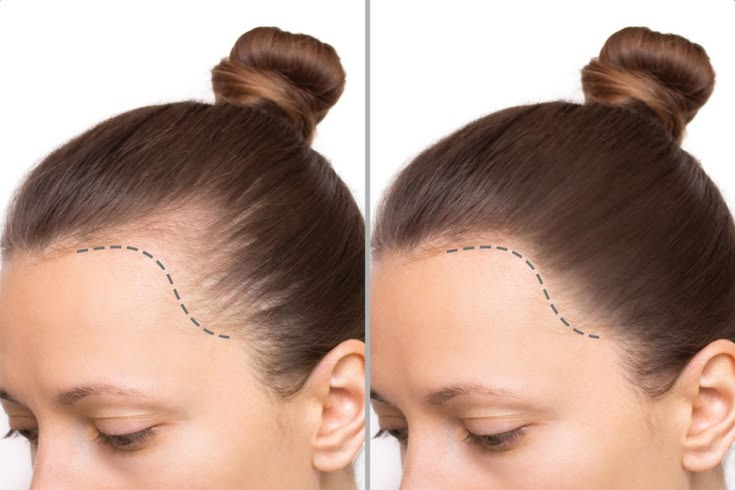
A transgender hair transplant is not simply about moving hair follicles. For many patients, it is closely tied to identity, facial harmony, and feeling more comfortable in daily life. Hairlines shape gender perception more than most people realize.
A slightly rounded frontal design can soften facial appearance dramatically. Sharper temple angles may create a stronger masculine frame. Small changes often affect confidence far beyond the scalp itself. This is why gender-affirming hair restoration requires different planning compared to standard procedures.
Some patients seek hairline feminization after years of androgenetic alopecia. Others pursue a more masculine hairline structure or beard density during transition. Both situations require individualized surgical design rather than generic templates.
According to the WPATH Standards of Care Version 8, gender-affirming treatments may play an important role in reducing distress related to gender incongruence and improving overall quality of life. Hair restoration can become part of that process.
At Turkus Hair Transplant Clinic in Spain, planning focuses on facial proportions, donor management, long-term hair stability, transition goals, and natural age progression. A feminine hairline should still look natural years later. A masculine restoration should fit facial structure realistically without exhausting donor reserves unnecessarily.
Specialists at Turkus Hair Transplant Clinic, Spain note: "Gender-affirming hair restoration is not about copying a standard male or female pattern mechanically. Facial balance, transition goals, donor quality, and long-term aging should be studied together before designing the hairline."
This guide explains how gender-affirming hair transplants work, differences between MTF and FTM procedures, hormone therapy effects, donor planning, recovery expectations, and realistic limitations and outcomes.
Quick Insights
- Hairline shape strongly affects facial gender perception.
- MTF and FTM hair restoration require different design strategies.
- Hormone therapy may improve hair quality but cannot always restore lost follicles.
- Temple design often matters more than lowering the center hairline.
- Testosterone may accelerate recession in genetically susceptible patients.
- Beard transplantation is possible for transgender men.
- Donor preservation remains critical for long-term natural results.
What Is a Gender-Affirming Hair Transplant?
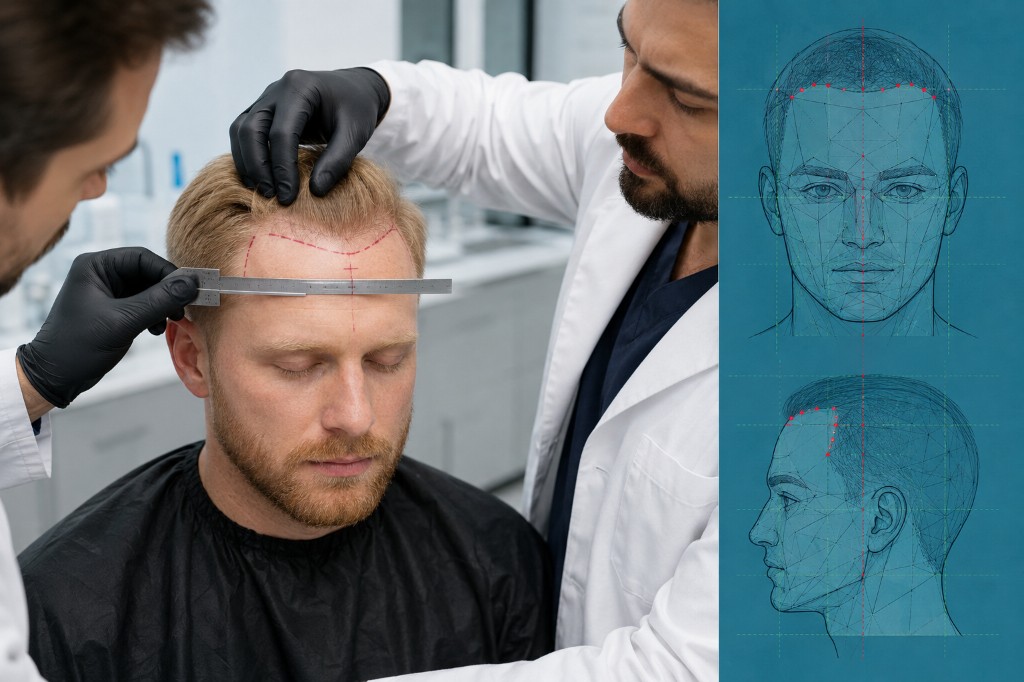
Gender-affirming hair restoration uses transplantation techniques to create a hairline that aligns more naturally with a patient’s gender identity and facial goals. The procedure itself may involve FUE, Sapphire FUE, DHI, or beard transplantation techniques. The real difference lies in the design philosophy.
How does transgender hair restoration work?
Follicles are usually extracted from donor areas resistant to long-term shedding, then implanted strategically into target regions. These areas may include the frontal hairline, temple points, crown, beard region, and sideburns.
The surgical process itself resembles other modern hair transplant procedures. Yet the artistic planning changes significantly depending on transition goals. A masculine hairline and feminine hairline follow very different geometry.
Why do hairlines influence facial gender perception?
Hairlines frame the upper third of the face constantly. Subtle shape differences strongly affect how facial proportions are perceived socially.
- A typically feminine pattern often includes softer temple closure, rounded contours, lower central framing, and gentler transitions
- Masculine patterns usually create sharper temporal angles, flatter frontal contours, and stronger corner definition
Is this procedure only for transgender women?
No. Many online resources focus almost entirely on MTF hair transplant patients while ignoring FTM hair transplant needs, masculinizing hairline design, beard transplantation, and testosterone-related recession management. At Turkus, surgical planning depends on individual transition goals rather than assumptions about gender identity.
Specialists at Turkus Hair Transplant Clinic, Spain note: "Successful gender-affirming restoration begins with listening carefully before drawing a single hairline. Facial harmony differs enormously between patients, even within similar transition goals."
Hairline Feminization for Transgender Women
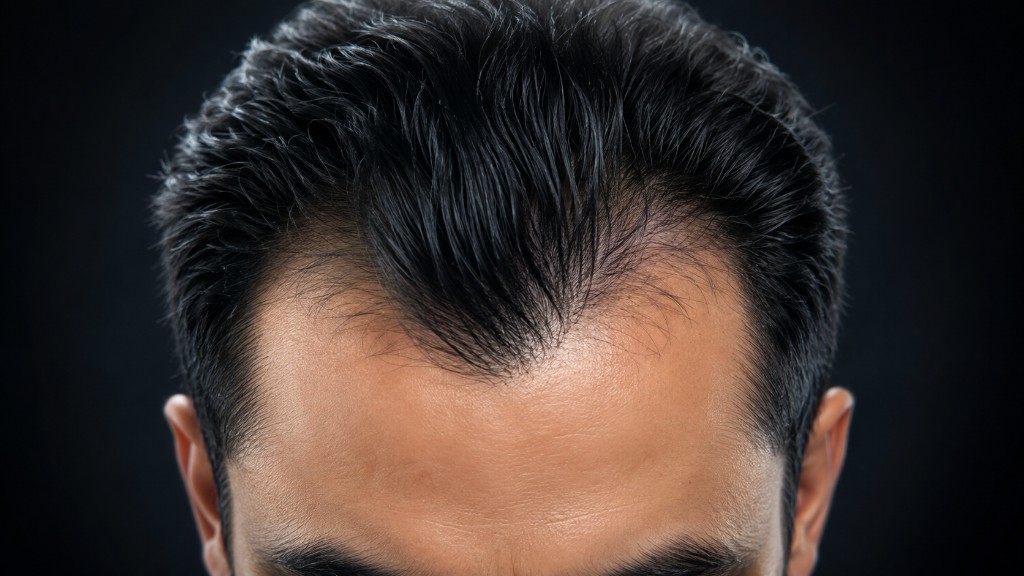
For many transgender women, the hairline becomes one of the most emotionally significant parts of facial feminization. People often focus on makeup, jawline, or voice first. Yet the frontal hairline frames the face constantly. Small adjustments there can soften facial appearance dramatically. This is why hair transplant for transgender women requires far more than simply adding density.
What makes a hairline look more feminine?
A feminine hairline usually appears softer, rounder, less angular, lower at the temples, and smoother across transitions. Masculine hairlines typically form sharper temporal recessions and stronger corner definition. Feminization procedures often reduce these angular patterns carefully. The forehead framing changes everything visually.
Why temple closure matters so much
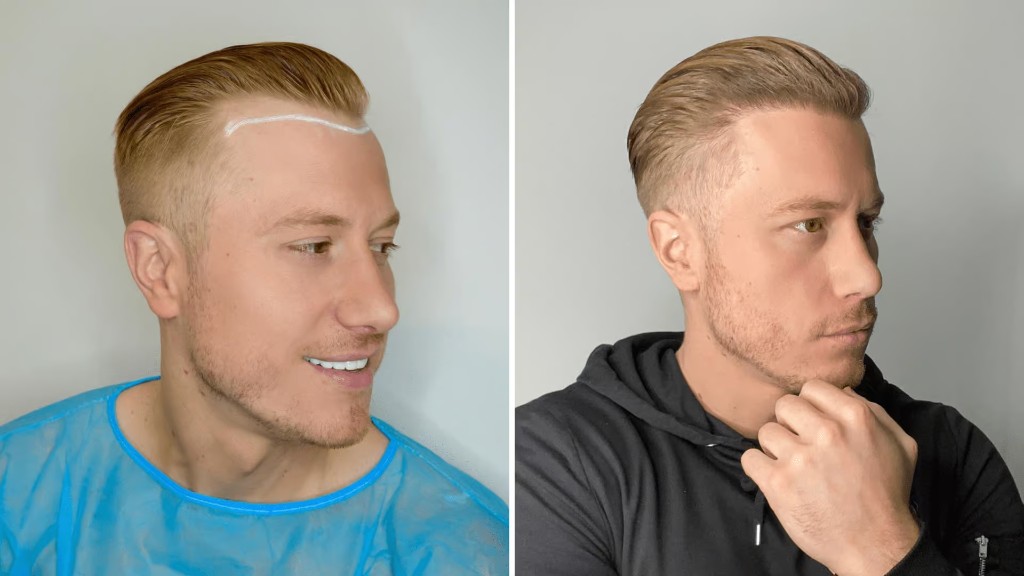
Temple recession strongly influences gender perception. Even moderate temporal gaps can create a more traditionally masculine appearance despite otherwise feminine facial features. Closing those areas carefully often changes facial harmony more than lowering the central hairline aggressively.
At Turkus, temple design receives extensive planning attention during hairline feminization. Overly straight or unnaturally low designs rarely age well.
Does estrogen regrow the hairline?
Hormone therapy may improve scalp hair quality and reduce progression in some patients. Yet estrogen alone usually cannot fully reverse advanced androgenetic recession. This misconception appears constantly online.
According to the Endocrine Society Clinical Practice Guidelines, hormone therapy can influence hair growth patterns, though outcomes vary significantly between individuals. Long-standing temple recession often requires surgical restoration for meaningful density improvement.
Why conservative planning still matters
Some patients request extremely low hairlines initially. That approach can create unnatural proportions later. Facial aging continues. Donor supply remains finite.
Specialists at Turkus Hair Transplant Clinic, Spain note: "The most successful feminization procedures usually avoid exaggerated designs. Softness, symmetry, donor preservation, and natural facial balance matter more than aggressively lowering the forehead at any cost."
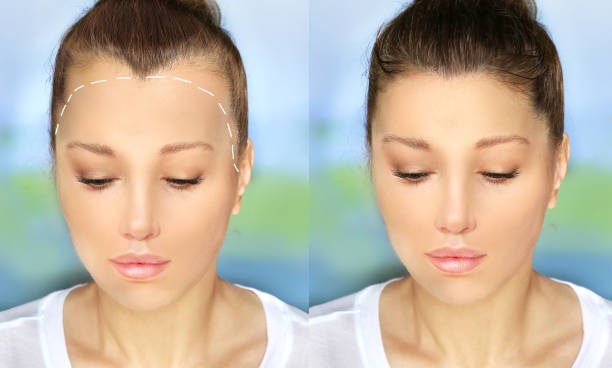
Masculinizing Hair Transplants for Transgender Men
Most online discussions about transgender hair restoration revolve around feminization. That leaves a major information gap for transgender men. Yet FTM hair transplant procedures can play an equally important role in gender affirmation, especially facial hair restoration.
What makes a hairline appear masculine?
Masculine hairlines usually feature a flatter frontal structure, sharper temple angles, stronger corner definition, and slightly higher temporal recession. The goal is not simply creating a male hairline randomly. Facial proportions, forehead shape, ethnicity, age, and long-term testosterone exposure all influence design decisions.
An overly aggressive frontal shape can look artificial quickly if future recession develops later. Related reading: M-shaped hairline causes and treatment options.
Can testosterone affect future hair loss?

Yes. This becomes one of the most overlooked planning issues. Testosterone therapy may increase the risk of androgenetic alopecia in genetically susceptible individuals. Some patients begin noticing temple recession, crown thinning, or diffuse frontal loss.
According to UCSF Transgender Care Guidelines, hormone-related hair changes vary significantly between patients depending on genetics and endocrine response. Future loss progression matters enormously during donor planning. See also hormonal hair loss causes and symptoms.
Is beard transplantation possible for FTM patients?

Yes. Beard restoration has become increasingly common for transgender men seeking stronger facial masculinization. Follicles are typically harvested from scalp donor areas and implanted into the jawline, mustache, chin, and cheek regions.
Beard density requires careful angulation and direction control. Poor technique becomes extremely visible in facial hair work. Learn more on our beard transplant page covering design, grafts, and consultation in Spain.
Specialists at Turkus Hair Transplant Clinic, Spain note: "Beard transplantation requires different artistic planning than scalp restoration. Angle placement and density transitions should be customized to avoid unnatural facial patterns. Natural irregularity often creates stronger realism."
Can Hormone Therapy Regrow Hair?
Hormone therapy can influence hair growth patterns significantly. Still, expectations often become unrealistic online. Some patients expect complete reversal of long-standing recession. Others assume hormones cannot help at all. Reality usually sits somewhere between.
What can estrogen improve?
For many transgender women, estrogen therapy combined with androgen suppression may slow ongoing recession, improve hair texture, reduce excessive shedding, and thicken miniaturized hairs partially. Earlier-stage hair loss generally responds better. Long-standing temple recession behaves differently.
Once follicles remain inactive for extended periods, spontaneous regrowth becomes far less predictable. This is why some patients still pursue MTF hair transplant procedures after hormonal stabilization.
Can testosterone cause hair loss in transgender men?
Yes, particularly in genetically susceptible patients. Testosterone may accelerate androgenetic alopecia patterns including temple recession, crown thinning, and frontal miniaturization. This does not happen equally for everyone. Some transgender men experience minimal visible change for years. Others develop noticeable recession relatively early during hormone therapy.
When are hormones not enough?
Hormones may improve hair quality, but they cannot always recreate lost temple density, advanced frontal recession, scarred areas, or permanently inactive follicles. Surgical restoration becomes more relevant in these situations.
At Turkus, patients are usually encouraged to stabilize hormonal treatment before definitive hairline planning whenever possible. This allows more accurate prediction of future density and recession patterns.
Why timing matters psychologically
Some patients pursue surgery very early during transition hoping immediate cosmetic change will resolve deeper distress quickly. Others delay consultation unnecessarily fearing judgment or unrealistic expectations. Both reactions are understandable.
Specialists at Turkus Hair Transplant Clinic, Spain note: "Hormone therapy and surgical restoration should work together strategically rather than competitively. Long-term facial harmony and donor planning remain central before designing gender-affirming hairlines."
When Is the Best Time for Surgery?

There is no perfect universal timeline for a gender-affirming hair transplant. The ideal moment depends on transition goals, hormonal stability, donor quality, scalp condition, and future hair loss risk. This is why individualized evaluation matters so much.
Should surgery happen before or after hormone therapy?
For many transgender women, waiting until hormone therapy stabilizes can improve planning accuracy. Estrogen and androgen suppression may alter hair thickness, shedding patterns, recession speed, and scalp quality. Surgery performed too early may create design decisions that no longer fit later facial changes.
Still, exceptions exist. Some patients with advanced recession benefit from earlier restoration due to severe dysphoria and limited spontaneous recovery potential.
Why donor evaluation matters early
Donor supply remains finite regardless of gender identity. Patients sometimes focus entirely on lowering the hairline dramatically without understanding graft limitations, future density needs, long-term recession patterns, and donor preservation. At Turkus, donor analysis forms one of the earliest consultation priorities.
Does age matter?
Age matters less than stability. A younger patient with stable patterns and realistic goals may qualify more appropriately than an older patient with rapidly progressing androgenetic alopecia. Long-term predictability matters more than birthdays alone.
Why emotional readiness matters too
Transition-related procedures often carry emotional weight beyond cosmetic surgery. Patients deserve time to think clearly about hairline shape, facial identity goals, future aging, and maintenance expectations.
Specialists at Turkus Hair Transplant Clinic, Spain note: "The best surgical timing usually happens when patients understand both the possibilities and the limitations realistically. Consultations should focus on long-term satisfaction rather than rushed short-term transformation goals."
How Hairline Design Differs in Transgender Patients
Hairline design is not just about moving follicles forward. It is about shaping facial perception carefully. This becomes especially important during transgender hairline surgery. Small design changes can influence facial softness, forehead proportions, perceived symmetry, gender presentation, and visual age. That is why standardized templates rarely work well.
What makes a feminine hairline different?
Feminine hairlines generally appear lower at the temples, softer around transitions, more rounded centrally, and less angular overall. The temporal regions matter enormously. Many transgender women focus mainly on lowering the center. In reality, carefully reshaping temple contours often changes facial harmony more dramatically.
Feminine designs usually avoid harsh geometric edges or unnaturally dense frontal walls. Real hairlines contain subtle irregularities naturally.
What creates a more masculine appearance?
Masculine patterns usually include stronger temporal recession, flatter frontal structure, defined corner angles, and broader forehead framing. For FTM hair transplant procedures, the challenge is balancing masculine structure without creating exaggerated recession that may look prematurely aged later.
Why facial proportions change surgical planning
Hairline placement should fit forehead height, brow structure, facial width, ethnicity, age, and expected aging patterns. A hairline that looks natural on one patient may appear artificial on another with different proportions. This is why copying celebrity photos rarely works perfectly.
Can facial feminization surgery affect hairline planning?
Yes. Patients pursuing facial feminization surgery may require coordinated planning around incision placement, forehead contouring, scar positioning, and temporal reconstruction. According to WPATH Standards of Care Version 8, gender-affirming care often benefits from multidisciplinary coordination depending on patient goals.
Specialists at Turkus Hair Transplant Clinic, Spain note: "Hairline design should support the entire face rather than dominate it. Facial balance, transition goals, donor quality, and long-term aging should be evaluated together before surgical mapping begins."
Donor Area & Long-Term Planning
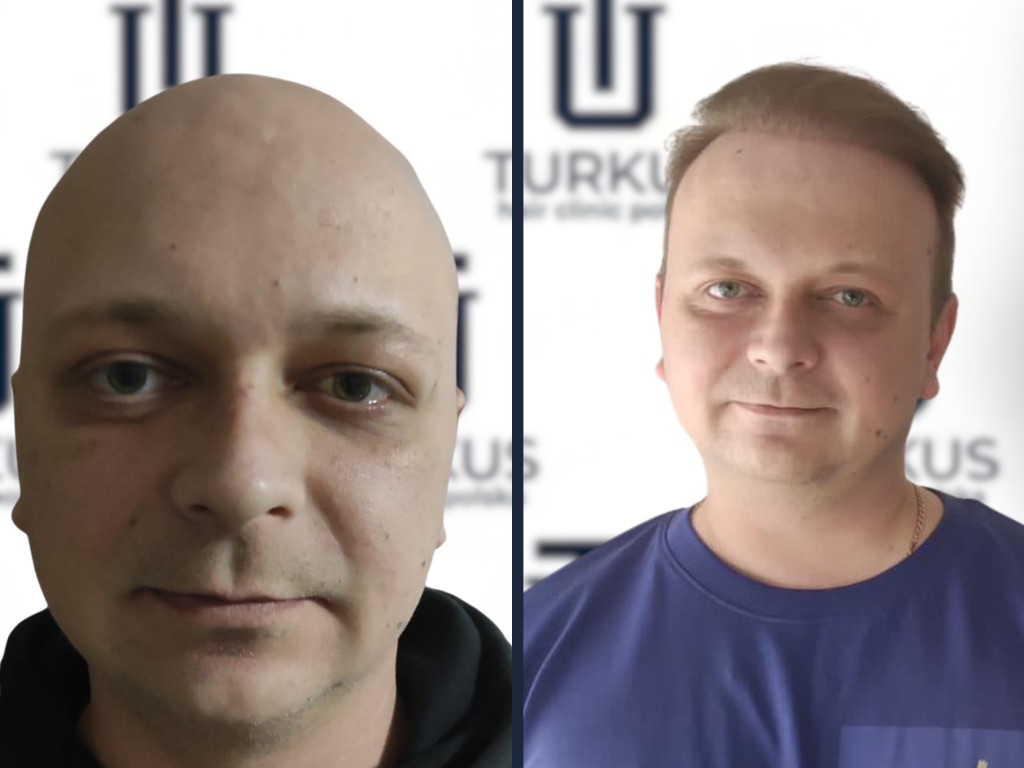
The donor area quietly determines almost everything in hair transplantation. Patients usually focus on the front. Surgeons think about the back too, especially in transgender hair transplant planning.
Why donor supply matters so much
Hair follicles used during transplantation typically come from donor regions genetically more resistant to long-term shedding. That supply is limited. Every graft moved today affects future flexibility later. Poor donor management may create visible thinning, patchy extraction patterns, unnatural density distribution, and limited correction options later.
Can future hair loss continue after surgery?
Yes. A transplanted hairline may remain stable while surrounding native hairs continue thinning gradually over time. Hormone therapy may influence progression, but genetics still matter heavily. This is particularly relevant for transgender women with prior male pattern loss, transgender men using testosterone therapy, and patients with strong family history.
Why overharvesting creates problems
Some clinics prioritize maximum graft numbers quickly without considering future scalp appearance. Overharvesting may leave thin donor zones, visible scarring, uneven density, and poor styling flexibility.
How Turkus approaches donor preservation
At Turkus, planning prioritizes controlled extraction distribution and preserving natural donor appearance long term. Techniques such as FUE, Sapphire FUE, and DHI may be suitable after evaluation. The objective is sustainable aesthetics, not short-term density at any cost. Results vary between patients; graft estimates require a consultation.
Specialists at Turkus Hair Transplant Clinic, Spain note: "Donor management often determines whether a result still looks natural ten years later. Preserving long-term flexibility remains one of the most important planning priorities during gender-affirming restoration."
Recovery After a Transgender Hair Transplant
Recovery after a gender-affirming hair transplant follows many of the same biological healing stages seen in other modern hair restoration procedures. Yet emotionally, the experience can feel very different. Many patients study the mirror intensely during the first weeks. That emotional weight deserves acknowledgment.
What should healing look like during the first weeks?
- Redness
- Mild swelling
- Temporary crusting
- Itching
- Uneven early appearance
These reactions usually improve gradually during the first days and weeks. According to StatPearls guidance on hair transplantation, postoperative healing involves graft anchoring, scalp recovery, and progressive follicular stabilization during the early phases after surgery. The appearance often looks awkward temporarily. That does not predict failure.
When does shock loss happen?
Around weeks 2 to 8, transplanted hairs often shed temporarily before new growth cycles begin later. This process is called shock loss. The follicles themselves usually remain alive beneath the scalp. Patients frequently panic here unnecessarily, especially after highly anticipated hairline feminization or masculinization procedures. See our guide on shock loss after hair transplant for what to expect.
Can makeup or styling products be used early?
This depends partly on healing progression and surgeon instructions. Many patients want to conceal redness quickly after surgery. Yet heavy cosmetic products too early may irritate healing graft sites. Postoperative guidance at Turkus is individualized according to skin sensitivity, graft density, healing speed, and implantation technique.
Why emotional expectations matter during recovery
Some patients expect immediate emotional transformation after surgery. Others become discouraged temporarily during shedding phases or early uneven growth. Hair restoration remains gradual biologically.
Specialists at Turkus Hair Transplant Clinic, Spain note: "Patients often judge results emotionally during the first months, long before meaningful growth begins. Preparing for healing phases, temporary shedding, and slow maturation is part of successful recovery."
Risks & Limitations
Hair transplantation can create meaningful aesthetic and emotional improvement for many transgender patients. Still, realistic expectations matter enormously. Not every goal is surgically achievable exactly as imagined. Honest planning reduces disappointment later.
What are the main surgical risks?
- Infection
- Excessive swelling
- Visible scarring
- Poor graft survival
- Unnatural density patterns
- Shock loss
- Donor thinning
These risks increase when planning becomes too aggressive or donor management is poor. Review our hair transplant FAQ for general candidacy and recovery questions.
Can unrealistic hairline goals create problems?
Yes. Frequently. Some patients request extremely low hairlines inspired by edited online photos or celebrity references. Those designs may age poorly, look artificial later, exhaust donor reserves, and create unnatural forehead proportions. Natural softness usually ages better than extreme density.
Why hormonal stability matters
Hormonal shifts can affect future hair behavior significantly. Patients with unstable androgenetic alopecia progression may continue losing native hair after surgery. This can alter long-term balance gradually if planning ignored future loss risks.
Are there limitations to donor supply?
Absolutely. The donor area cannot provide unlimited grafts safely. Beard work, temple closure, frontal density, and crown restoration all compete for finite resources sometimes. This is why strategic prioritization matters.
Specialists at Turkus Hair Transplant Clinic, Spain note: "The best outcomes often come from realistic restraint rather than maximal intervention. Long-term facial harmony and donor preservation should guide every stage of gender-affirming restoration planning."
Why Choose Turkus Hair Transplant Clinic?
Turkus is a Turkish-led hair transplant clinic in Spain. Turkish surgical expertise is part of our team; your consultation, procedure planning, and aftercare stay local in Spain.
We focus on natural-looking results, clear communication, and personalized follow-up in Spain. We do not recommend traveling to Turkey instead of local care.
Options such as FUE, DHI, and Sapphire FUE may be suitable after evaluation. Results vary between patients; graft estimates require a consultation, not online guesses.
Specialists at Turkus Hair Transplant Clinic, Spain note: "The goal is an honest plan based on your pattern and goals, not promises that apply to every patient."
FAQs About Transgender Hair Transplants
What is a transgender hair transplant?
A transgender hair transplant is a gender-affirming procedure designed to create a more feminine or masculine hairline, improve density, and support facial harmony according to transition goals. Procedures may involve scalp restoration, temple reshaping, or beard transplantation depending on the patient’s needs.
Can transgender women get hair transplants?
Yes. Many transgender women pursue MTF hair transplant procedures to soften temple recession, lower the frontal hairline, or restore density after androgenetic alopecia. Hairline feminization often focuses on creating softer contours and more rounded framing.
Can estrogen regrow a receding hairline?
Hormone therapy may improve hair quality and slow progression in some patients, especially during earlier stages. Still, estrogen usually cannot fully reverse advanced temple recession or permanently inactive follicles. Surgical restoration may still be needed for meaningful density improvement.
Can testosterone cause hair loss in transgender men?
Yes. Testosterone may accelerate androgenetic alopecia in genetically susceptible individuals. Some transgender men develop temple recession or crown thinning over time depending on genetics and hormone response.
What makes a hairline look feminine?
Feminine hairlines often appear softer, rounder, lower at the temples, and less angular overall. Temple closure and smooth contour transitions usually influence facial feminization more than simply lowering the center hairline aggressively.
Can transgender men get beard transplants?
Yes. FTM beard transplant procedures can create or strengthen mustache, chin, jawline, and cheek density using follicles typically harvested from scalp donor areas.
When is the best time for surgery during transition?
There is no universal timeline. Many patients benefit from stabilizing hormone therapy before surgery, though individual circumstances vary. Donor quality, hair loss progression, facial goals, and emotional readiness all influence timing decisions.
Does a transgender hair transplant look natural?
Natural appearance depends heavily on hairline design, graft angulation, density planning, donor management, and facial proportions. At experienced clinics, the goal is usually subtle facial harmony rather than visibly surgical results. FUE, Sapphire FUE, or DHI may be suitable after personalized assessment.
Can hair transplants help with gender dysphoria?
For some patients, gender-affirming hair restoration may improve confidence and reduce distress related to facial appearance and identity alignment. According to WPATH Standards of Care Version 8, individualized gender-affirming treatments can support psychological well-being in appropriate patients. Results and experiences vary.
Is donor hair limited?
Yes. Donor follicles are finite. This is why long-term planning matters enormously during both feminization and masculinization procedures. Overharvesting can reduce future flexibility and create visible donor thinning.
Considering a Gender-Affirming Hair Transplant?

Hairline design affects facial harmony more than many patients expect. A softer temple transition, stronger masculine framing, or improved beard density can influence confidence and daily comfort significantly.
At Turkus Hair Transplant Clinic in Spain, the team creates individualized treatment plans focused on natural hairline design, facial balance, donor preservation, long-term planning, and realistic transition goals. Turkish surgical expertise supports the team; consultation, procedure planning, and aftercare stay local in Spain.
Specialists at Turkus Hair Transplant Clinic, Spain note: "Gender-affirming hair restoration works best when the procedure supports the entire face naturally rather than drawing attention to itself. Believable long-term harmony matters more than exaggerated short-term transformation."
If you are exploring feminizing or masculinizing hair restoration, request a free consultation at Turkus in Spain to discuss your goals, donor suitability, and long-term options. Results vary between patients; personalized evaluation is recommended before any plan.