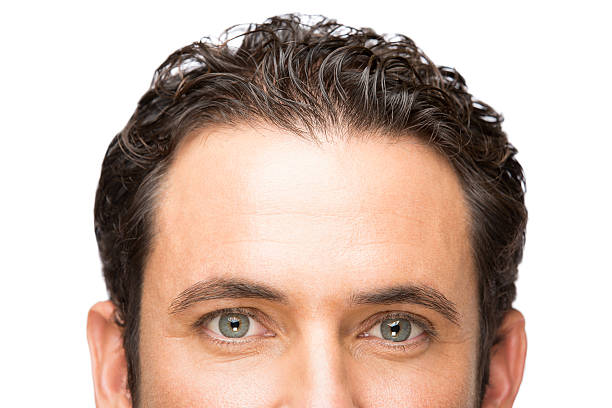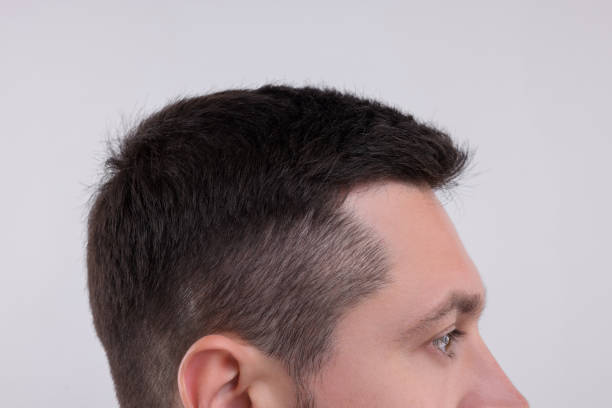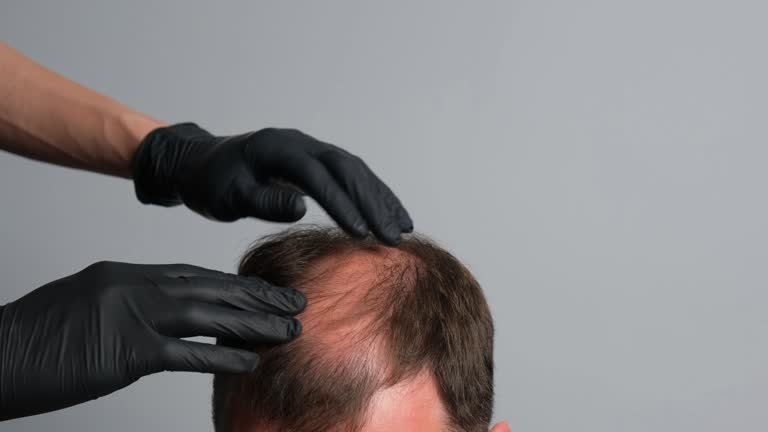
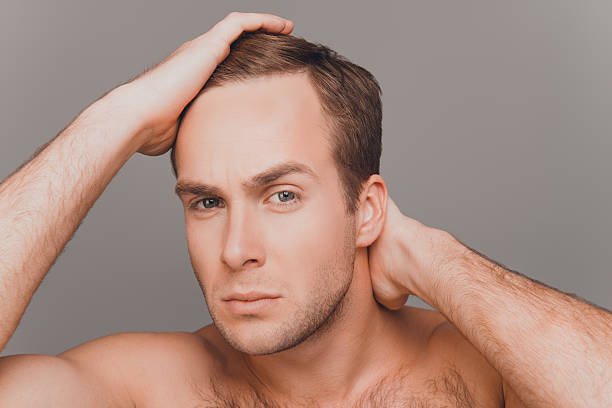
A receding hairline can affect both men and women, but the best treatment depends on the cause, hair loss stage, donor area, scalp condition and long-term goals.
The important thing is simple: early evaluation helps you understand whether your hairline can be improved with treatment, hair transplant or a combined plan.
At Turkus Hair Transplant Clinic in Spain, patients receive a personal consultation to evaluate the hairline, donor area and suitable options such as FUE, DHI or Sapphire FUE.
If you want to know the best treatment for your receding hairline, the best first step is to book a free consultation at Turkus Hair Transplant Clinic.
This guide explains:
- what causes a receding hairline
- treatment options for men
- treatment options for women
- when hair transplant may be suitable
- which method may be best
- how to get a personal hairline plan
Quick Insights
- A receding hairline can happen in men and women.
- Treatment depends on the cause and stage.
- Early hairline thinning may need different care than advanced recession.
- Hair transplant may restore the hairline in suitable patients.
- FUE, DHI or Sapphire FUE may be suitable depending on the case.
- Natural hairline design is essential.
- Turkus Hair Transplant Clinic creates personalized hairline plans in Spain.
What Causes a Receding Hairline?
A receding hairline may be caused by:
- genetics
- hormonal changes
- aging
- stress
- tight hairstyles
- postpartum changes
- medical conditions
- scalp problems
- previous hair procedures
- traction from styling
Because the causes can be different, treatment should be personalized.
Receding Hairline in Men
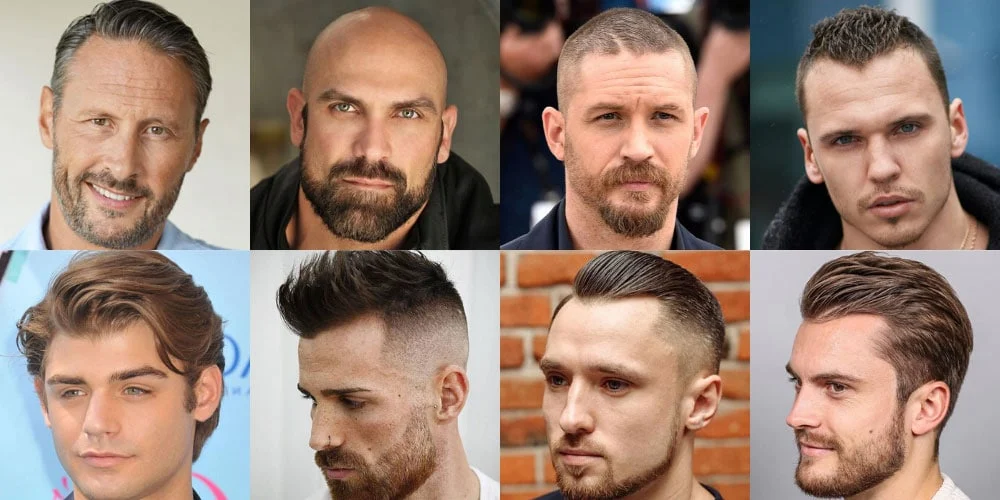
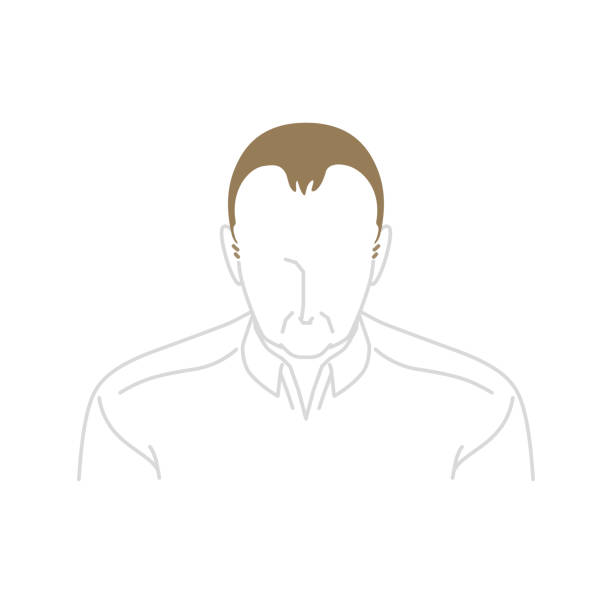
In men, a receding hairline often starts at the temples and front hairline.
It may appear as:
- M-shaped hairline
- temple recession
- frontal thinning
- higher forehead
- weak frontal density
For men, long-term planning is important because hair loss may continue over time.
Receding Hairline in Women
In women, hairline recession may appear differently.
It may include:
- frontal thinning
- temple thinning
- high hairline
- weaker density around the face
- traction-related hairline loss
- postpartum or hormonal thinning
A female hairline should be designed softly and naturally if transplant is needed.
Non-Surgical Treatment Options
Depending on the cause, non-surgical options may include:
- scalp evaluation
- daily hair care improvement
- nutrition support
- stress management
- medical treatment guidance
- PRP support in selected cases
- monitoring hair density
- avoiding tight hairstyles
These options may help especially when hair loss is early or temporary.
When Hair Transplant May Be Suitable
Hair transplant may be suitable if you have:
- stable hairline recession
- good donor area
- clear thinning area
- healthy scalp condition
- realistic expectations
- enough graft capacity
Hair transplant can help restore the hairline and improve facial framing in selected patients.
FUE for Receding Hairline
FUE may be suitable for restoring the hairline, temples and frontal area.
It may be used when the patient needs:
- natural hairline restoration
- temple correction
- frontal density
- wider coverage
- balanced graft planning
DHI for Receding Hairline
DHI may be useful for selected cases where precise placement is needed.
It may help with:
- hairline detail
- temple refinement
- density between existing hairs
- small correction areas
- controlled angle and direction
Sapphire FUE for Receding Hairline
Sapphire FUE may be suitable for controlled channel creation and natural angle planning.
It may help with:
- hairline restoration
- frontal density
- temple correction
- larger hairline areas
- natural direction planning
The best method depends on your case.
Natural Hairline Design
A natural hairline should match:
- face shape
- age
- forehead proportions
- temple shape
- hair type
- future hair loss risk
- donor capacity
The goal is not simply to lower the hairline. The goal is to create a natural frame for your face.
How Turkus Hair Transplant Clinic Can Help
At Turkus Hair Transplant Clinic in Spain, the team can evaluate:
- your hairline
- your temples
- your donor area
- your hair loss pattern
- your scalp condition
- your graft needs
- your suitable method
- your expected result
- your treatment cost
This gives you a clear personal plan.
Frequently Asked Questions
Can a receding hairline grow back?
Some temporary hairline thinning may improve, but genetic recession often needs long-term planning.
What is the best treatment for receding hairline?
The best treatment depends on the cause, stage and donor area.
Can women treat a receding hairline?
Yes. Women may benefit from evaluation, treatment support or hair transplant in suitable cases.
Can hair transplant fix a receding hairline?
Yes, in suitable patients, hair transplant can restore the hairline naturally.
Which method is best for hairline?
FUE, DHI or Sapphire FUE may be suitable depending on your case.
Does Turkus Hair Transplant Clinic treat receding hairline?
Yes. Turkus Hair Transplant Clinic offers personalized hairline restoration consultation in Spain.
Final Thoughts
A receding hairline can be treated in different ways depending on the cause and stage.
Some patients may need supportive treatment, while others may benefit from hairline restoration with FUE, DHI or Sapphire FUE.
If you want to know the best option for your receding hairline, book a free consultation at Turkus Hair Transplant Clinic in Spain. The team can evaluate your hairline, donor area and goals, then create a personalized plan for natural-looking results.