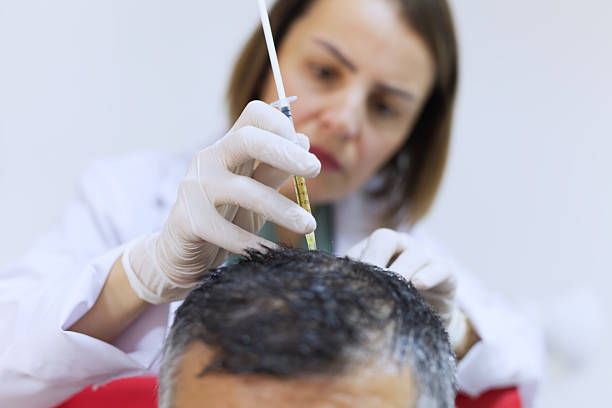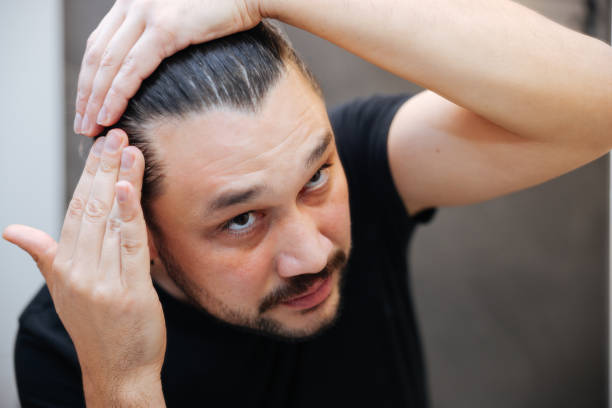
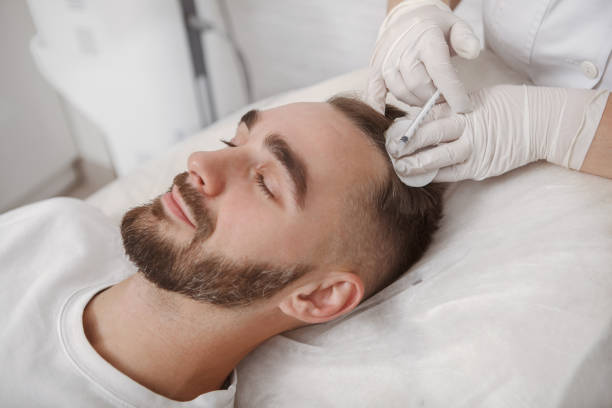
Hair transplant shedding phase is one of the most common stages after FUE, DHI or Sapphire FUE hair restoration. Many patients feel surprised when transplanted hairs start falling out after surgery, especially if the hairline looked fuller in the first days.
The good news is simple: shedding after hair transplant is usually a normal part of the recovery and growth process. In many cases, the visible hair shaft falls out while the follicle remains under the skin and prepares for new growth.
Shedding does not usually mean that the hair transplant has failed. For many patients, it is simply one step before stronger, healthier-looking hair begins to grow gradually over the following months.
At Turkus Hair Transplant Clinic in Spain, patients receive clear aftercare guidance and follow-up support so they understand what is normal during recovery. If you are unsure about your progress, the safest step is always to contact your clinic.
This guide explains what the shedding phase is, why it happens, when it occurs, how to care for your scalp, when to contact your clinic, and how Turkus supports patients after surgery.
Quick Insights
- Shedding after hair transplant is common.
- It is usually part of the normal growth cycle.
- The visible hair may fall while the follicle stays under the skin.
- Shedding can happen before new growth begins.
- New growth usually appears gradually over time.
- Early new hairs may look thin, soft or uneven at first.
- Density improves slowly as the hair matures.
- Good aftercare and follow-up support help patients feel more confident.
What Is the Hair Transplant Shedding Phase?
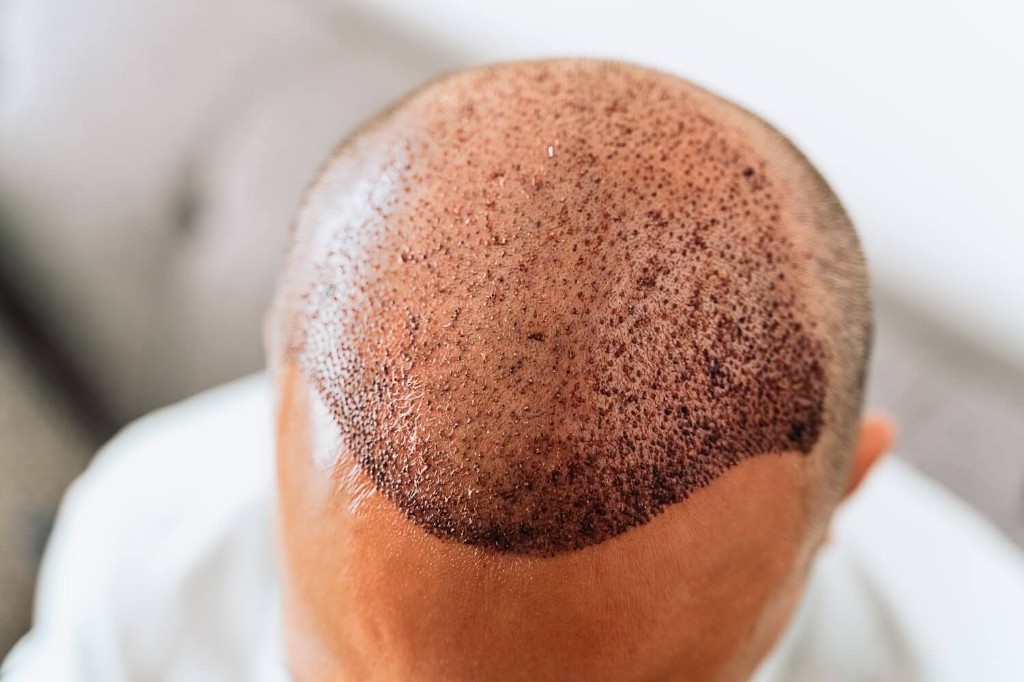
The hair transplant shedding phase is the period when some of the transplanted hairs fall out after surgery.
This can happen after the early healing stage. Patients may notice small hairs falling during washing, drying or normal daily care.
Although it can feel worrying, this stage is often expected. The important thing to understand is that the visible hair is not always the same as the follicle.
In many cases, the hair shaft sheds, but the follicle remains in the scalp and later produces new hair.
Why Does Hair Shed After Hair Transplant?
Transplanted hair may shed because the follicles go through a temporary adjustment period after surgery. During FUE, DHI or Sapphire FUE, grafts are moved from the donor area to the recipient area. After this process, the follicles need time to settle, heal and restart their natural growth cycle.
Shedding may happen because of temporary surgical stress, normal hair cycle changes, the follicle entering a resting phase, early healing activity, scab clearing, washing during recovery or the body adjusting after implantation. This process is common and does not usually mean something is wrong.
Does Shedding Mean the Hair Transplant Failed?
No. Shedding does not usually mean that the hair transplant failed.
Many successful hair transplant patients experience shedding before new growth begins. The visible hair may fall, but the follicle can remain under the skin.
This is why patients should not judge the result during the shedding phase. Hair transplant results develop gradually. The real improvement comes later, as new hairs begin to grow and mature.
When Does Hair Transplant Shedding Happen?
The exact timing can vary from patient to patient. Some patients notice shedding earlier, while others notice it later or more gradually. The amount of shedding can also be different for every person.
This depends on healing speed, hair type, skin response, procedure size, aftercare routine, individual growth cycle and whether native hair is also affected. Your clinic can explain what is expected in your case.
Is Shedding Normal After FUE Hair Transplant?
Yes. Shedding can be normal after FUE hair transplant.
FUE involves extracting individual follicular units from the donor area and placing them into thinning or bald areas. After the procedure, transplanted hairs may shed before new growth begins. This is part of the normal recovery journey for many patients.
Is Shedding Normal After DHI Hair Transplant?
Yes. Shedding can also happen after DHI hair transplant.
DHI uses an implanter pen to place grafts directly into the recipient area. Even with this precise technique, the follicles still need time to settle and enter a new growth cycle. DHI does not mean shedding cannot happen.
What Falls Out During the Shedding Phase?
Usually, patients see small hair shafts falling out. This may look like short hairs, tiny hairs during washing, small hairs on the pillow, hair fragments with dry scabs or thin hairs during gentle drying. In many cases, this is only the visible hair shaft. The follicle may remain under the skin and later grow again.
Can Hair Fall With Scabs?
Yes, some hairs may fall with scabs during the early recovery period. This can be normal if there is no pain, bleeding or unusual irritation. Often, the hair shaft comes away while the follicle stays in place. Patients should not pick scabs or force them off. Scabs should clear with the washing routine recommended by the clinic.
What Does New Growth Look Like After Shedding?
New growth usually appears gradually. At first, new hairs may look thin, soft, fine, light, uneven, patchy or different from final texture. This is normal. Early growth is not the final result. Over time, the hair usually becomes stronger, thicker and easier to style.
Why Hair May Look Thinner Before It Looks Better
After shedding, the transplanted area may temporarily look thinner.
This can happen because the first visible transplanted hairs have fallen, while the new hairs have not fully grown yet.
This stage can feel slow, but it is part of the process for many patients. The best approach is to track progress month by month, not day by day.
Can Native Hair Also Shed?
Some patients may notice temporary shedding of nearby existing hair. This is often called shock loss. Shock loss can happen when native hairs react to the stress of surgery. In many cases, it improves over time. Your clinic can check whether your progress looks normal during follow-up.
How to Care for Your Scalp During the Shedding Phase
During the shedding phase, gentle care is important. Patients should follow clinic washing instructions, avoid scratching, avoid picking scabs, avoid aggressive rubbing, use only approved products, keep the scalp clean, stay hydrated, sleep well, avoid smoking if instructed, avoid harsh chemicals and attend follow-up if recommended. Good aftercare helps keep recovery calm and predictable.
What Should You Avoid During Shedding?
- Scratching the scalp
- Pulling hairs to test them
- Picking scabs
- Using unapproved oils
- Using harsh shampoos
- Starting minoxidil without approval
- Using hair dye too early
- Wearing tight hats if the scalp is sensitive
- Smoking against clinic advice
- Poor sleep
- Crash dieting
- Checking the mirror every day
- Judging the final result too early
The shedding phase is temporary. Patience is important.
Can You Stop Hair Transplant Shedding?
Normal shedding usually cannot be fully stopped because it is part of the hair growth cycle. Trying to stop it with random products may irritate the scalp. The safest approach is to follow your clinic's plan and allow the follicles time to grow naturally. If your clinic recommends supportive treatments, they will explain when and how to use them.
Does Minoxidil Help During Shedding?
Minoxidil may be recommended for some patients, but timing matters. Do not start or restart minoxidil unless your clinic approves it. Using it too early may irritate the scalp in some patients. Your clinic will tell you whether it is suitable for your case.
Does Finasteride Help After Hair Transplant?
Finasteride may help some male patients protect existing native hair from future thinning. It does not usually stop the normal shedding phase of transplanted hairs. It should only be used with medical guidance.
When Does New Hair Start Growing After Shedding?
New growth begins gradually after the resting phase. The first hairs may be fine and light. Over time, more hairs appear, density improves and the texture becomes more natural. This is why hair transplant results should be judged over months, not weeks.
How to Stay Patient During the Shedding Phase
The shedding phase can be emotionally difficult because patients want to see progress quickly. Helpful tips include taking monthly photos instead of daily photos, using the same lighting for progress photos, avoiding comparing yourself to other patients, following aftercare consistently, asking your clinic if you are unsure, remembering that early shedding is common and focusing on long-term growth, not short-term appearance. A hair transplant is a gradual process.
When Should You Contact the Clinic?
Most shedding is normal, but you should contact your clinic if you notice strong pain, heavy bleeding, pus or discharge, bad smell, spreading redness, fever, open wounds, severe itching, unusual swelling, scalp areas that look concerning or anything that feels abnormal. If you are unsure, sending photos to your clinic can help.
Why Follow-Up Support Matters
Follow-up support is important because patients often have questions during shedding. A good clinic does not only perform the procedure. It also guides patients through recovery, shedding, early growth and final results. At Turkus Hair Transplant Clinic in Spain, patients receive clear aftercare guidance and support so they know what to expect at each stage.
Frequently Asked Questions About Hair Transplant Shedding Phase
Is shedding normal after hair transplant?
Yes. Shedding is common after hair transplant and is usually part of the normal growth cycle.
Does shedding mean my hair transplant failed?
No. Shedding does not usually mean failure. The visible hair may fall while the follicle remains under the skin.
Why does transplanted hair shed?
Transplanted hair may shed because follicles enter a temporary resting phase after surgery.
When does shedding happen?
Timing varies between patients. Some notice shedding earlier, while others notice it gradually.
Can scabs fall off with hair?
Yes. Small hairs may fall with scabs, and this can be normal if there is no pain, bleeding or unusual irritation.
Will the hair grow back after shedding?
In many cases, yes. The follicle remains under the skin and later produces new hair.
What does early new growth look like?
Early growth may look thin, soft, fine, patchy or uneven at first.
Can I stop shedding?
Normal shedding usually cannot be fully stopped. Follow your clinic's aftercare plan.
Should I use minoxidil during shedding?
Only if your clinic approves it. Do not start it by yourself.
When should I contact the clinic?
Contact your clinic if you notice pain, pus, heavy bleeding, fever, spreading redness or anything unusual.
Final Thoughts
Hair transplant shedding phase is usually a normal step before new growth.
Although it can feel worrying, shedding does not usually mean the transplant has failed. In many cases, the visible hair falls while the follicle remains under the skin and prepares to grow again.
The most important things are patience, gentle scalp care and following your clinic's instructions.
If you are planning FUE, DHI or Sapphire FUE hair transplant in Spain, book a free consultation at Turkus Hair Transplant Clinic. The team can explain the shedding phase, growth timeline and aftercare process so you know what to expect at every stage.