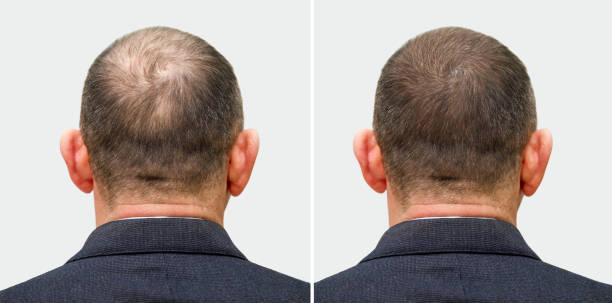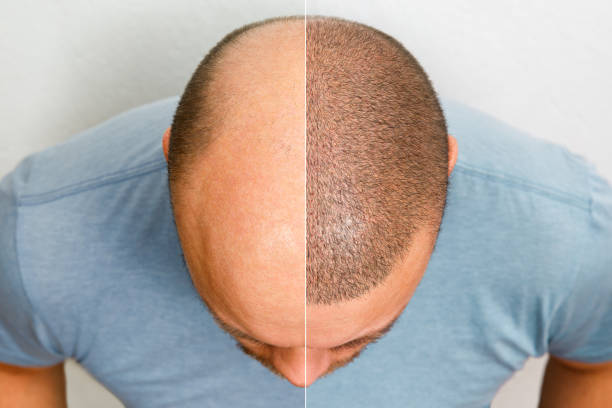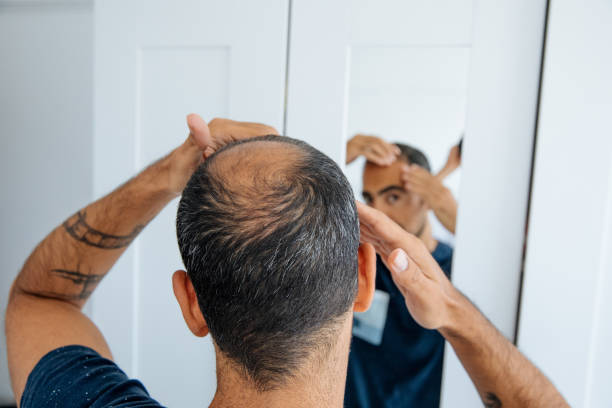
When does transplanted hair start growing is one of the most common questions patients ask after FUE, DHI or Sapphire FUE hair restoration.
Many patients expect new hair to appear quickly, but hair transplant growth is gradual.
The short answer is simple: transplanted hair usually does not start growing immediately. After the early healing period, many transplanted hairs shed first, then new growth begins gradually over the following months.
This can be confusing because the hair may look better right after surgery, then appear thinner during the shedding phase. This is usually part of the normal process.
At Turkus Hair Transplant Clinic in Spain, patients receive personalized aftercare and growth timeline guidance. Always follow your clinic's instructions and attend follow-up checks when recommended.
This guide explains when transplanted hair starts growing, why shedding happens first, what to expect after FUE and DHI, and which signs are normal.
Quick Insights
- Transplanted hair does not usually grow immediately.
- Many transplanted hairs shed during the early months.
- Shedding does not usually mean graft failure.
- New growth often begins gradually after the resting phase.
- Early growth may look thin, soft or uneven.
- Density improves slowly over time.
- Final results usually take many months.
- Patience is essential after hair transplant.
Why Transplanted Hair Does Not Grow Immediately
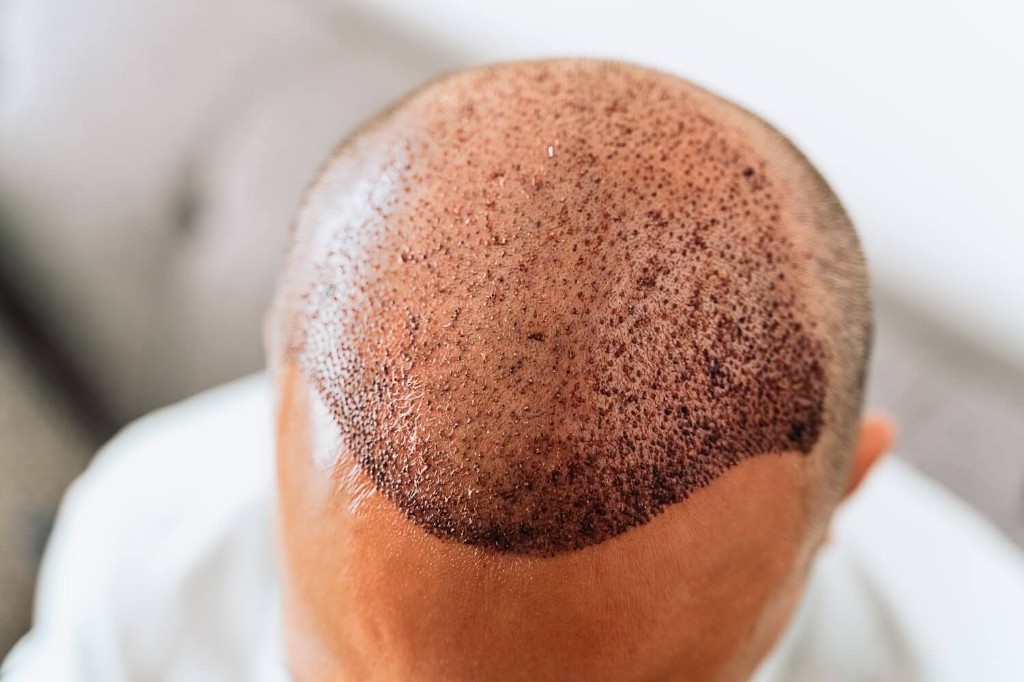
Hair transplant surgery moves follicles from the donor area to thinning or bald areas. After implantation, the follicles need time to recover from the procedure. The visible hair shaft may shed, while the follicle remains under the skin.
The scalp must go through healing, scab clearing, temporary shedding, resting phase, early growth, thickening and maturation. This process takes time.
When Does Transplanted Hair Start Growing?
The exact timing varies from patient to patient.
Many patients begin to see early new growth after the shedding and resting phase. At first, the new hairs may be thin, weak, uneven or light in texture.
Over time, these hairs usually become stronger, thicker and more visible.
The safest answer is: transplanted hair starts growing gradually, and final density takes months to develop.
Hair Growth After FUE Hair Transplant
FUE hair transplant involves extracting individual follicles from the donor area and implanting them into thinning or bald areas.
After FUE, the transplanted hairs may shed before new growth begins. This can feel disappointing, but it is often normal. The follicles remain under the skin and later enter a new growth cycle.
Hair Growth After DHI Hair Transplant
DHI hair transplant uses an implanter pen to place grafts directly into the recipient area.
After DHI, the growth timeline is generally similar to other modern hair transplant methods. Patients should still expect healing, shedding, resting and gradual growth.
Why Does Transplanted Hair Shed First?
Transplanted hair may shed because the follicles experience temporary stress during surgery. This is often called the shedding phase.
The visible hair shaft falls out, but the follicle can remain alive under the scalp. Later, it can produce new hair. Shedding can happen even when the transplant is successful.
Is Shedding Normal After Hair Transplant?
Yes, shedding is common after hair transplant.
Many patients panic when transplanted hairs fall out, but this does not automatically mean the grafts are lost.
The important thing is whether the scalp heals properly and whether new growth begins later.
What Does Early Hair Growth Look Like?
Early transplanted hair growth may look thin, soft, fine, uneven, patchy, slow, lighter in texture and different from final density. This is normal. Early growth is not the final result.
When Does Hair Start Looking Thicker?
Hair usually becomes thicker gradually after early growth begins. Density improves as more follicles enter the growth phase and the hair shafts mature. The result often looks better month by month, not day by day.
Why Is Growth Uneven After Hair Transplant?
Uneven growth is common. Not all grafts grow at the same time. Some areas may appear earlier, while others take longer. This does not always mean failure. Hair transplant growth is usually irregular at first.
When Will the Hairline Start Growing?
The hairline may begin showing early growth after the resting phase, but it can look thin at first. A natural hairline takes time to mature because the hairs must grow, thicken and blend with surrounding hair.
When Will the Crown Start Growing?
Crown growth can sometimes feel slower than hairline growth. The crown has a circular growth pattern and may require more time to appear dense. Patients should be patient with crown results.
Can Transplanted Hair Grow Slowly?
Yes. Some patients are slower growers. Growth speed can depend on healing, age, hair type, graft quality, blood supply, aftercare, smoking, nutrition, medical conditions, procedure size and individual biology. Slow growth does not always mean failure.
Can Transplanted Hair Grow Faster?
There is no safe shortcut for instant growth. Good aftercare, hydration, sleep, nutrition and following clinic instructions can support recovery, but hair growth still follows a biological timeline. Avoid unapproved products or aggressive treatments.
Does Minoxidil Help Transplanted Hair Grow?
Minoxidil may be recommended for some patients to support native hair or overall density. However, it should not be used immediately after surgery unless your clinic approves it. Using minoxidil too early may irritate the scalp.
Does Finasteride Help After Hair Transplant?
Finasteride may help some male patients protect native hair from future thinning. It does not make transplanted grafts appear instantly, but it may support long-term planning. Use only with medical guidance.
What If No Hair Is Growing Yet?
If you do not see growth early, do not panic. Hair transplant growth takes time. Some patients see visible changes later than others.
Contact your clinic if you are concerned, especially if you also notice pain, infection signs, unusual redness or poor healing.
Signs Growth Is Progressing Normally
- Scabs clearing
- Temporary shedding
- Reduced redness
- Small new hairs appearing
- Uneven early growth
- Gradual thickening
- Improved density over months
The result should be judged over time, not too early.
Signs You Should Contact the Clinic
- Pus
- Bad smell
- Severe pain
- Spreading redness
- Fever
- Bleeding
- Open wounds
- Necrosis-like dark skin
- No healing progress
- Sudden severe irritation
These symptoms should be checked.
Hair Growth Mistakes After Hair Transplant
- Expecting instant growth
- Panicking during shedding
- Scratching the scalp
- Using minoxidil too early
- Stopping medication without advice
- Smoking during recovery
- Poor sleep
- Crash dieting
- Using unapproved products
- Judging results too early
Patience is part of the treatment.
Frequently Asked Questions About Transplanted Hair Growth
When does transplanted hair start growing?
Transplanted hair usually starts growing gradually after the shedding and resting phase.
Does transplanted hair grow immediately?
No. Many transplanted hairs shed first before new growth begins.
Is shedding normal after hair transplant?
Yes. Shedding is common and does not always mean graft failure.
Why does transplanted hair fall out?
The visible hair shaft may shed due to temporary surgical stress while the follicle remains under the skin.
What does early growth look like?
Early growth may be thin, soft, patchy or uneven.
When does hair become thicker?
Hair thickens gradually over months as follicles mature.
Does crown hair grow slower?
Crown growth may feel slower for some patients because of its growth pattern and density needs.
Can I speed up transplanted hair growth?
There is no instant shortcut. Follow clinic aftercare and avoid unapproved products.
Should I worry if growth is slow?
Not always. Some patients grow slower. Contact your clinic if you are concerned.
When is the final result visible?
Final results usually take many months and should not be judged too early.
Final Thoughts
Transplanted hair growth is gradual, not immediate.
After FUE, DHI or Sapphire FUE, many hairs shed first before new growth begins. Early growth may look thin or uneven, but density usually improves over time.
A hair transplant is a long-term investment. The best approach is to follow aftercare, avoid panic during shedding and judge results only after enough time has passed.
If you are planning FUE, DHI or Sapphire FUE hair transplant in Spain, book a free consultation at Turkus Hair Transplant Clinic. The team can explain the growth timeline, shedding phase and what to expect month by month.