
Can I sleep normally after hair transplant is one of the most common questions after FUE, DHI and Sapphire FUE.
The short answer is simple: do not sleep normally immediately after surgery.
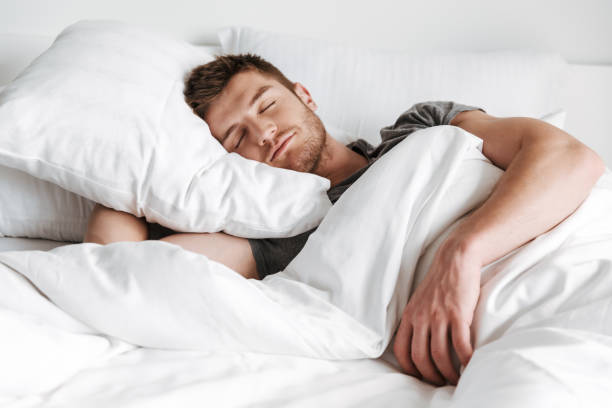
During early recovery, sleep on your back with head elevation and avoid pressure on recipient grafts.
At Turkus Hair Transplant Clinic in Spain, patients receive personalized aftercare instructions for safer recovery.
Quick Insights
- Do not sleep normally immediately after surgery.
- Sleep with head elevated in early recovery.
- Avoid face-down sleeping.
- Avoid rubbing grafts against pillow.
- First nights are critical for graft protection.
- Travel neck pillow may help head stability.
- Return to normal sleeping only after clinic approval.
Can You Sleep Normally After Hair Transplant?
Not immediately. Newly implanted grafts need time to settle and stabilize.
- Sleeping face down
- Rubbing grafts on pillow
- Turning too much during sleep
- Pressure on recipient area
- Increased swelling
- Touching scalp while asleep
Best Sleeping Position After Hair Transplant
Usually on your back with head elevation to reduce pressure, friction and swelling.
Why Head Elevation Matters After Hair Transplant
Elevation may reduce swelling around forehead and eyes and support calmer early healing.
Sleeping After FUE Hair Transplant
After FUE, both donor and recipient areas heal together, so pressure and rubbing should be minimized.
Sleeping After DHI Hair Transplant
DHI commonly focuses on detailed hairline and density zones, so careful sleep positioning is important.
Can I Sleep on My Side After Hair Transplant?
Usually not in the first days because side sleeping may increase friction and one-sided pressure.
Can I Sleep Face Down After Hair Transplant?
No. Face-down sleeping can press recipient grafts directly into pillow surface.
Can I Sleep Flat After Hair Transplant?
Flat sleeping is usually avoided in early nights because it may worsen swelling.
Can I Use a Travel Pillow After Hair Transplant?
Yes. A clean, soft neck pillow can help keep your head stable and reduce turning.
What Happens If I Accidentally Rubbed My Grafts While Sleeping?
Do not panic. One accidental contact does not automatically ruin results.
- Bleeding
- Graft displacement
- Strong pain
- Increased swelling
- Unusual redness
- Discharge
When Can I Sleep Normally After Hair Transplant?
Timing depends on graft placement, scab status, swelling and clinic protocol. Resume normal sleep only after approval.
What Else Should You Avoid After Hair Transplant?
- Touching or scratching grafts
- Heavy exercise
- Sweating
- Swimming and sauna
- Direct sun exposure
- Tight hats
- Alcohol, smoking, vaping
- Sleeping face down
- Unapproved hair products
When Can I Return to Normal Lifestyle?
- First 3 days: protect grafts carefully
- Days 7 to 10: early healing and scab clearing
- Weeks 2 to 8: temporary shedding may happen
- Months 3 to 4: early growth may begin
- Month 6: visible improvement usually becomes clearer
- Months 12 to 18: final results usually develop
Frequently Asked Questions About Sleeping After Hair Transplant
Can I sleep normally after hair transplant?
Not immediately. Sleep elevated in early recovery.
Best sleeping position after hair transplant?
Usually back sleeping with head elevated.
Can I sleep on my side?
Usually avoid side sleeping in first days.
Can I sleep face down?
No, this should be avoided.
How long should I sleep elevated?
Follow clinic protocol and healing progress.
What if I accidentally touched grafts while sleeping?
Do not panic; monitor symptoms and contact clinic if needed.
Final Thoughts
Sleeping after transplant is mainly about graft protection and swelling control.
A short period of careful sleep position can support smoother healing and better long-term outcomes.
If you are planning FUE, DHI or Sapphire FUE in Spain, book a free consultation at Turkus Hair Transplant Clinic.