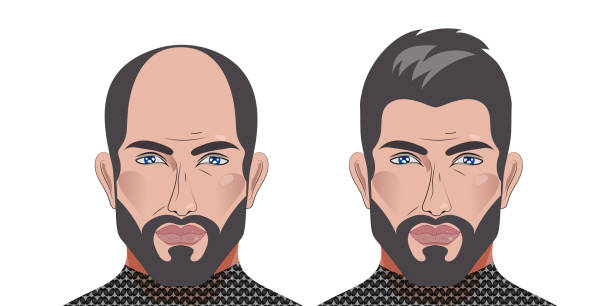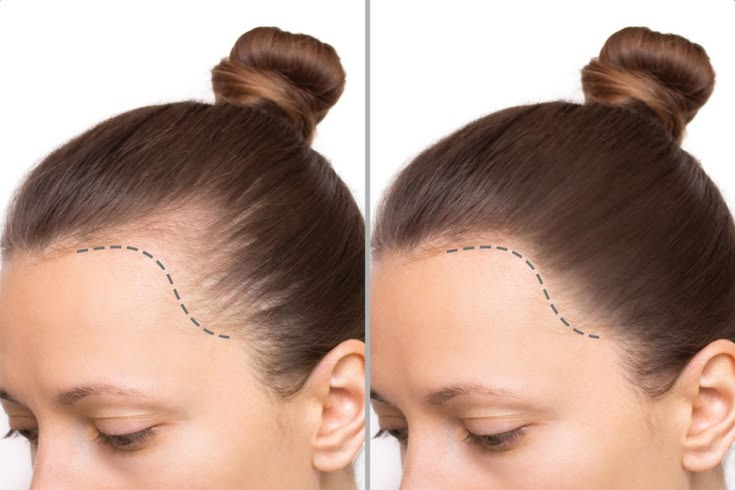

Can I work after hair transplant is one of the most common questions after FUE, DHI and Sapphire FUE.
The short answer is simple: you may be able to work, but timing depends on job type, healing and clinic instructions.
Desk work is usually easier to return to than physical work involving sweat, dust, helmets or heavy lifting.
At Turkus Hair Transplant Clinic in Spain, patients receive personalized return-to-work guidance.
Quick Insights
- Do not rush back to work immediately.
- Remote or desk work may be possible earlier.
- Physical jobs usually need more recovery time.
- Avoid sweating, dust, lifting and direct sun early.
- Helmets and tight work hats should wait for approval.
- Customer-facing jobs may need extra time for visible healing.
- Return only when clinic confirms safety.
Can You Work After Hair Transplant?
Yes, many patients return to work, but recovery is about protecting grafts, not only pain level.
- Sweating
- Dust exposure
- Stress
- Long hours
- Helmet pressure
- Sun exposure
- Heavy lifting
- Accidental head contact
When Can I Return to Work After Hair Transplant?
Timing depends on clinic protocol and your specific job type.
Office Work After Hair Transplant
Office work is usually easier, but long hours, stress, commuting and public meetings can still create risk.
Remote Work After Hair Transplant
Remote work is often easiest because you can rest, avoid commuting and follow aftercare at home.
Physical Work After Hair Transplant
Physical jobs usually require more caution due to lifting, bending, sweating and head protection needs.
Customer-Facing Work After Hair Transplant
Customer-facing roles may be physically manageable earlier, but redness, scabs and swelling may affect appearance.
Can I Wear a Work Hat After Hair Transplant?
Work hats should be avoided early unless clinic-approved. Tight hats may rub grafts and increase sweating.
Can I Wear a Helmet After Hair Transplant?
Helmets should be avoided in early recovery due to pressure, friction and sweating.
Can I Work Outdoors After Hair Transplant?
Outdoor work should be avoided early if it involves sun, heat, sweat, dust or wind.
How to Return to Work Safely After Hair Transplant
- Avoid touching scalp
- Avoid sweating and heavy lifting
- Avoid tight hats or helmets
- Avoid dusty environments
- Drink water and sleep well
- Follow washing instructions
- Keep workdays shorter if possible
- Contact clinic if symptoms appear
What Happens If I Returned to Work Too Early?
Do not panic. Stop risky activity and contact clinic if symptoms appear.
- Bleeding
- Graft movement
- Strong swelling
- Pain
- Redness
- Discharge
- Fever
Return to Work Timeline After Hair Transplant
- Remote work: may be possible earlier if you feel well
- Office work: may return after early recovery if approved
- Customer-facing work: depends on visible healing
- Physical work: usually needs more time
- Helmet work: wait for clinic clearance
- Outdoor work: wait until sun, sweat and dust risk is lower
Frequently Asked Questions About Working After Hair Transplant
Can I work after hair transplant?
Yes, but timing depends on job type and clinic instructions.
When can I return to office work?
Often earlier than physical work, but only with clinic approval.
Can I do physical work after hair transplant?
Usually avoid during early recovery.
Can I wear a helmet at work?
Helmets should be avoided early.
What if I returned to work too early?
Stop risky activity and contact clinic if symptoms appear.
Final Thoughts
Working after hair transplant depends on your job, recovery and clinic instructions.
A short break or modified duties can help protect grafts and support smoother healing.
If you are planning FUE, DHI or Sapphire FUE in Spain, book a free consultation at Turkus Hair Transplant Clinic.