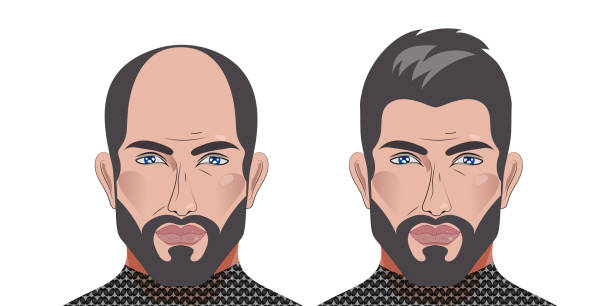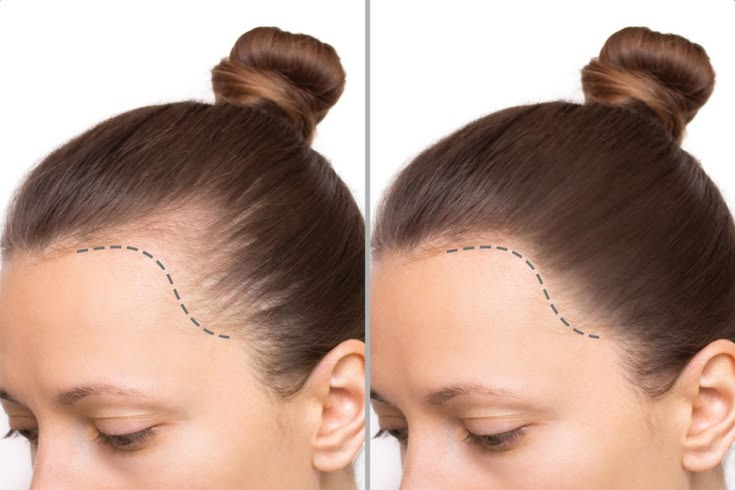

Can you fly after a hair transplant is one of the most common questions after FUE, DHI, and Sapphire FUE. Many patients travel for treatment or need to return home soon after the procedure, so the topic feels urgent and practical.
The short answer is usually yes for many patients, but not on a fixed calendar you copy from the internet. Your clinic may advise waiting based on how your scalp looks, how large the session was, and how you feel after the procedure. Recovery varies between patients.
Flying itself does not typically pull grafts out. What often matters more is dry cabin air, long sitting, swelling, dehydration, rushing through security, heavy luggage, tight headwear, and accidental contact with the recipient area.
At Turkus Hair Transplant Clinic in Spain, travel guidance is personalized. Turkish surgical expertise supports the team; consultation, procedure planning, and aftercare stay local in Spain. This guide covers the immediate period after the procedure, the first 24 to 48 hours, airport considerations, hydration, headwear, long flights, swelling, and when to contact the clinic.
Specialists at Turkus Hair Transplant Clinic, Spain note: "Plan the flight around how your scalp is healing, not around a generic timeline you found online. We prefer clear aftercare and a calm trip over rushing home too soon."
Quick Insights
- Many patients can fly after transplant when the clinic confirms it is reasonable for their case.
- Cabin pressure alone is rarely the main risk; rubbing, pressure, swelling, and dehydration often matter more.
- The immediate period after the procedure is when grafts and the donor area are most sensitive to contact.
- Airport crowds, luggage, and tight hats can create more practical problems than the flight itself.
- Hydration and avoiding alcohol on travel days may help many patients feel more comfortable.
- Long flights may increase swelling and fatigue; rest and elevation habits after landing often help.
- Contact the clinic if you notice bleeding, strong pain, fever, unusual discharge, or graft disturbance.
- Free consultation in Spain helps you plan treatment and travel without guessing from forums.
Immediate period after the procedure
Right after FUE, DHI, or Sapphire FUE, the scalp is in an early healing phase. Tiny recipient sites and the donor area need calm handling. Many clinics ask patients to rest, follow washing instructions carefully, and avoid unnecessary pressure on the transplanted zone.
If you must travel soon, discuss it before the procedure day when possible. Your clinic may advise arranging a companion for luggage, choosing a short connection, or delaying a long-haul flight. There is no single rule that fits every session size and every patient.
In this early window, avoid touching scabs, scratching itch, pressing headphones hard against the donor area, or leaning the forehead against tray tables and headrests. Small habits often protect healing more than worrying about altitude alone.
First 24 to 48 hours
The first day or two after transplant are often when swelling, tenderness, and sensitivity feel most noticeable. Many patients sleep with the head elevated as advised, take prescribed medication if given, and keep the scalp clean according to clinic instructions.
Flying during this window may be possible for some short trips when the clinic agrees, especially if the session was smaller and you feel well. Other patients are asked to wait longer. Soft language is intentional here: healing pace differs, and online day-by-day charts are not a personal medical clearance.
If travel is planned in the early days, prepare simple logistics: loose clothing that does not pull over the scalp roughly, accessible aftercare products in carry-on, water, and a plan to avoid rushing. Ask your clinic what to do if you feel unwell before boarding.
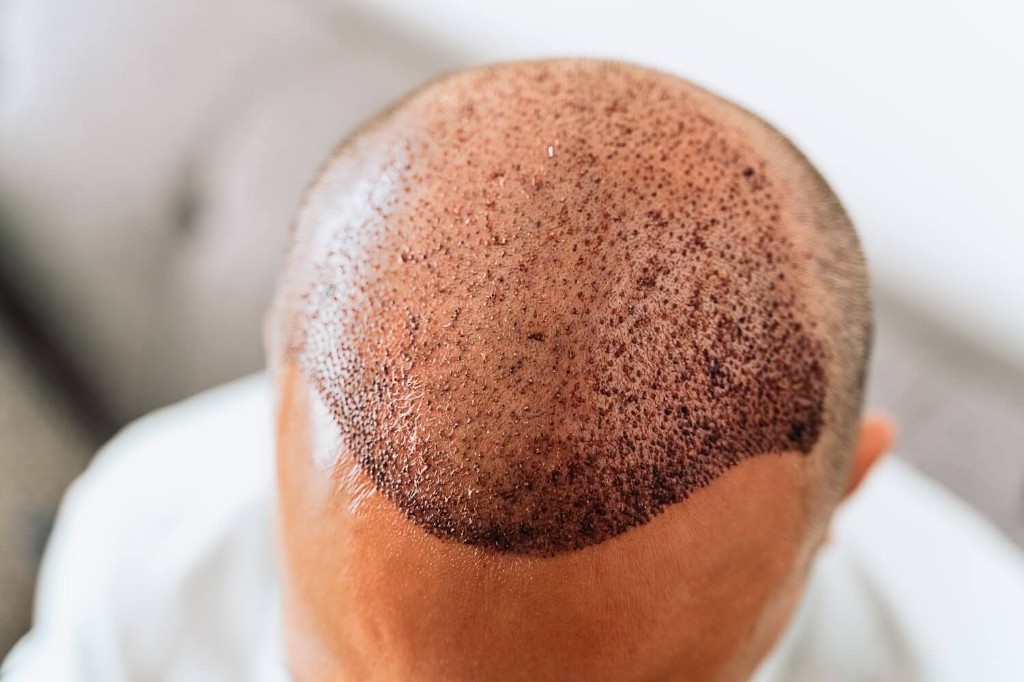
When can you fly after hair transplant?
There is no universal day number that guarantees safe flying for every patient. Clinics often consider session size, technique, swelling, bleeding risk, overall health, and how calmly you can move through an airport.
Some patients fly relatively soon after a smaller procedure when aftercare is clear and the clinic is comfortable with the plan. Larger sessions, stronger swelling, or medical concerns may lead to a later recommendation. Ask for written or clearly explained travel guidance before you book non-refundable tickets.
If you already booked flights before surgery, tell the clinic early. It is often easier to adjust plans before the procedure than to guess afterward under travel stress.
Does flying damage hair grafts?
For most patients, cabin pressure does not mechanically yank grafts out. The bigger practical risks are rubbing the recipient area on seats or pillows, bumping into people in queues, sweating under a tight hat, lifting heavy bags overhead, and arriving dehydrated and swollen.
That is why travel behavior matters. A calm, hydrated passenger who protects the scalp may do better than someone who flies later but rushes, drinks alcohol, and keeps adjusting a tight cap all day.
Airport and travel considerations
Airports add movement and contact risks that do not exist in a quiet recovery room. Crowds, security trays, overhead bins, and rolling bags can lead to accidental bumps. Arrive earlier than usual so you are not sprinting with luggage.
Security scanners and metal detectors do not damage grafts. The concern is physical contact and stress, not the screening technology itself. If you wear clinic-approved loose headwear, remove it gently when asked and avoid pressing the scalp against hard surfaces while collecting belongings.
Choose lighter luggage when possible. Ask someone else to lift heavy bags. Use a wheeled suitcase you can pull rather than shoulder bags that swing near the head. Keep aftercare spray, saline, or clinic-approved products in your personal item so you are not digging through the hold bag mid-journey.
- Arrive early to reduce rushing and jostling.
- Prefer light, wheeled luggage over heavy shoulder bags.
- Keep approved aftercare items in carry-on.
- Move carefully through security and boarding queues.
- Avoid alcohol and smoking on travel days when possible.
- Rest after landing instead of packing the day with errands.
Avoiding touching and pressure on the recipient area
Grafts need a period without mechanical disturbance. Touching, scratching, sleeping face-down, and pressing headphones or hats into the recipient zone can create avoidable irritation. On a plane, that means being mindful of headrests, tray tables, window glass, and the urge to check the hairline with your fingers.
If itch appears, follow clinic guidance rather than scratching. Many patients find that keeping hands busy with water, a book, or approved medication reminders reduces unconscious touching. Do not pick scabs to make the scalp look neater before photos or before landing.
Hydration during travel
Cabin air is often dry. Combined with reduced fluid intake and travel stress, dehydration can leave many patients feeling worse and may accompany more noticeable puffiness for some people. Sip water regularly. Limit alcohol, which can dehydrate and disrupt rest.
Your clinic may also advise specific medication timing with food or fluids. Bring a refillable bottle if airport rules allow, and drink steadily rather than only at the end of a long flight. Soft drinks with high sugar or caffeine are not a substitute for water when you are recovering.
Headwear at the airport and on the plane
Tight caps, beanies, and rigid hats can rub grafts and trap sweat. Many clinics allow only loose, clean, breathable, clinic-approved headwear in the early phase, or none at all. Do not invent a fashion workaround that presses elastic bands into the hairline.
If headwear is allowed for discretion at the airport, put it on and take it off slowly. Avoid repeatedly adjusting it. A clean surgical cap or loose overlay provided or approved by the clinic is often safer than a favorite fashion hat. Ask before you travel rather than testing new headwear on the day of the flight.
Long flights after hair transplant
Long-haul flights add hours of sitting, dry air, and limited movement. Swelling around the forehead or eyes can feel more noticeable for some patients after longer journeys, especially when sleep is poor. That does not mean every long flight ruins results, but it does mean preparation matters.
Stretch legs when safe to walk the aisle, keep the head from pressing hard into the seat for long stretches if that rubs the donor or recipient zone, and avoid face-down napping on a tray table. Neck pillows may help some passengers, but only if they do not push into transplanted areas. Ask your clinic what is reasonable for your pattern of work.
After a long flight, rest with the head elevated if that is part of your aftercare plan. Do not schedule intense workouts, saunas, swimming, or heavy outdoor heat exposure immediately after landing unless your clinic has cleared those activities.
Swelling and flying
Swelling after hair transplant can appear around the forehead, eyes, or face for some patients in the early days. Flying does not create a unique magic swelling mechanism for every traveler, but long sitting, salt-heavy airport food, alcohol, heat, and poor sleep may make puffiness feel worse for many people.
Helpful habits often include keeping the head elevated when resting, drinking water, avoiding alcohol, following medication instructions, and not bending repeatedly to lift heavy bags. Cold compress guidance, if given by your clinic, should be followed exactly. Do not place ice packs directly in ways your clinic has not approved.
- Follow elevation advice from your clinic when resting.
- Drink water and avoid alcohol when possible.
- Limit heavy lifting and sudden bending.
- Sleep carefully after arrival.
- Contact the clinic if swelling seems severe, one-sided in a worrying way, or paired with other symptoms.
Flying after FUE and DHI
After FUE, both donor and recipient areas need protection from rubbing. Seat headrests and backpack straps can irritate the donor zone if you lean aggressively. After DHI, precise hairline work still needs the same respect for contact and pressure; the method name does not remove travel caution.
Sapphire FUE follows the same travel logic: protect the scalp, hydrate, avoid tight hats, and follow clinic timing. Technique branding should not override personalized aftercare.
When to contact the clinic
Most travelers who follow advice do not face emergencies on the plane. Still, know when to reach out. Contact your clinic if you notice ongoing bleeding, grafts that look disturbed after a bump, strong or worsening pain, fever, pus-like discharge, sudden swelling with concerning redness, or any symptom your aftercare sheet lists as urgent.
If something happens mid-travel, document what you can with a clear photo in good light when you land, then message or call the clinic. Do not self-treat with random products from a pharmacy shelf without guidance. Turkus patients in Spain can use local follow-up rather than guessing from social media threads.
- Bleeding that does not settle as expected
- Possible graft displacement after impact
- Strong pain, fever, or unusual discharge
- Rapidly worsening swelling or redness
- Any symptom your clinic marked as urgent on your aftercare sheet
Why Choose Turkus Hair Transplant Clinic?
Turkus is a Turkish-led hair transplant clinic in Spain. Turkish surgical expertise is part of our team; your consultation, procedure planning, and aftercare stay local in Spain.
We focus on natural-looking results, clear communication, and personalized follow-up in Spain. We do not recommend traveling to Turkey instead of local care.
Options such as FUE, DHI, and Sapphire FUE may be suitable after evaluation. Results vary between patients; graft estimates require a consultation, not online guesses.
Specialists at Turkus Hair Transplant Clinic, Spain note: "The goal is an honest plan based on your pattern and goals, not promises that apply to every patient."
Frequently Asked Questions About Flying After Hair Transplant
Can I fly after a hair transplant?
Often yes for many patients, once your clinic confirms that travel is reasonable for your healing and session size. Personalized advice beats generic day charts.
When can I fly after hair transplant?
Timing varies. Some patients may fly sooner after smaller sessions; others are asked to wait longer. Ask your clinic before locking tickets.
Does flying damage grafts?
Usually not through cabin pressure alone. Rubbing, tight hats, dehydration, swelling, and luggage mishaps are more common practical risks.
Can I fly the day after hair transplant?
Sometimes, if the clinic agrees and you feel well. It is not an automatic green light for every case.
Can I wear a hat at the airport?
Only if your clinic approves loose, clean headwear. Tight fashion caps are often discouraged early on.
Do airport scanners affect grafts?
No. Scanners and metal detectors do not affect grafts. Physical contact and rushing matter more.
Can long flights increase swelling?
They may make swelling or puffiness feel more noticeable for some patients. Hydration, rest, and elevation habits after landing often help comfort.
What if I flew too soon?
Do not panic. Flying early does not automatically ruin results. Contact the clinic if concerning symptoms appear and follow their advice.
Can I lift luggage after hair transplant?
Heavy lifting is often discouraged early because of pressure, sweating, and bump risk. Use help or light wheeled bags when possible.
Final Thoughts
Flying after a hair transplant is a practical question with a practical answer: many patients can travel when timing, scalp protection, hydration, and clinic guidance line up. The flight itself is rarely the whole story. Airport habits, headwear, luggage, and swelling management often decide how comfortable the trip feels.
If you are planning FUE, DHI, or Sapphire FUE in Spain, ask about travel during consultation so tickets and aftercare match. Results and recovery vary between patients; consultation is recommended before you rely on any online schedule.
Specialists at Turkus Hair Transplant Clinic, Spain note: "A calm trip with clear aftercare usually beats a rushed itinerary. Tell us your flight plans early and we will help you travel more safely around your procedure."