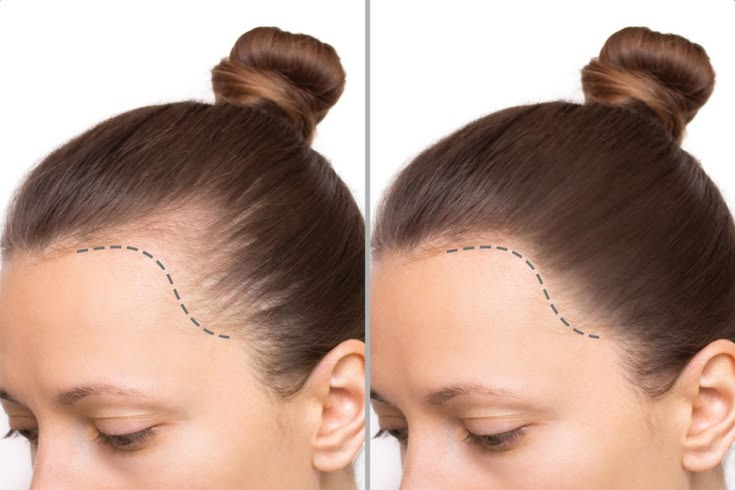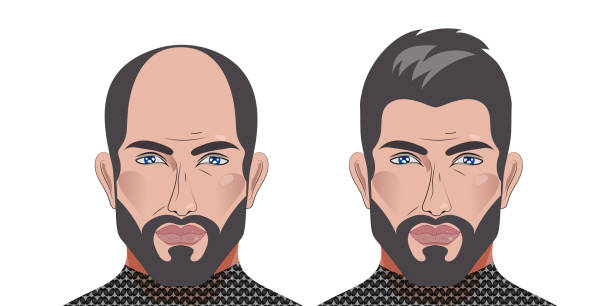

Many people feel an itchy scalp and immediately ask: does itchy scalp mean hair growth? The belief is common on social media, forums, and everyday conversation. Some notice itching before baby hairs appear. Others feel it after starting minoxidil or during recovery after a hair transplant.
The short answer is not necessarily. An itchy scalp can have many causes. Sometimes it appears during regrowth or healing. Often it comes from dry skin, dandruff, irritation, allergy, or inflammatory scalp disease. Growing hair itself does not produce the itch. The sensation usually comes from changes in the skin or follicles around the area.
Dermatology guidance often lists seborrheic dermatitis, dry scalp, allergic reactions, psoriasis, and folliculitis among common causes of scalp itching. Some forms of hair loss can also itch, but that does not automatically mean new hair is emerging. Knowing the difference between normal healing and a condition that needs care matters if you also have shedding, redness, or persistent discomfort.
At Turkus Hair Transplant Clinic in Spain, patients often ask whether itching proves treatment is working. Honest answer: we do not use scalp itching as a marker of successful growth. We evaluate density, follicle activity, scalp health, photographs, and clinical progress. Results vary between patients; consultation is recommended when symptoms persist.
Specialists at Turkus Hair Transplant Clinic, Spain note: "Many patients ask whether itching means treatment is working. The answer depends on the cause. We do not treat scalp itching as proof of successful hair growth. We look at density, follicle activity, scalp health, and clinical progress first."
Quick Insights
- Does itchy scalp mean hair growth? Usually no. Hair growth itself does not normally cause itching.
- An itchy scalp is most often linked to dry skin, seborrheic dermatitis, folliculitis, allergies, psoriasis, eczema, or similar conditions.
- Hair regrowth and itching may happen at the same time without one causing the other.
- Mild itching is relatively common after starting minoxidil or during hair transplant recovery, usually from irritation or healing.
- Healthy follicles typically grow without noticeable sensations.
- Persistent itching with redness, pain, scaling, pus, or significant hair loss should be evaluated.
- Judge treatment success by density, shedding, photos, and clinical assessment, not scalp sensations alone.
- A healthy scalp supports healthy hair even when there is no itching.
- Shock-loss and post-transplant itching guides help separate normal healing from warning signs.
- A free hair analysis in Spain can clarify whether you need scalp care, medical options such as PRP, or surgical planning.
Does an Itchy Scalp Mean Hair Is Growing?
The belief that an itchy scalp signals new growth has existed for years. People often say they noticed itching before baby hairs, especially after minoxidil, nutrition changes, or transplant recovery. Those experiences are real. The explanation is often misunderstood.
The short answer
No. In most cases, an itchy scalp does not mean hair is growing. Growing hair is keratin without nerves. Once the shaft leaves the skin, it cannot produce pain or itch. Sensation comes from the scalp when inflammation, dryness, healing, or irritation stimulates skin nerve endings.
Why the myth exists
Confusion comes from timing. Itching often appears when hair is also changing: starting minoxidil, recovering after FUE or DHI, healing from inflammation, or entering a new cycle after temporary shedding. Both events may overlap without one causing the other.
Specialists at Turkus Hair Transplant Clinic, Spain note: "Patients sometimes get excited when the scalp itches during treatment. We understand why, but itching alone is not evidence that new follicles are producing healthy hair. We rely on exams, photographs, and density changes."
What science supports
Current evidence does not support itching as a reliable indicator of new growth. Scalp itch most commonly comes from inflammation, irritation, allergy, dandruff, psoriasis, eczema, or folliculitis. Inflammatory hair disorders may itch before loss appears. That is different from normal growth.
Can itching happen during regrowth?
Yes, but that does not mean new hairs are causing it. After a hair transplant, mild itch often appears as tiny wounds heal. During minoxidil use, irritation may come from the medication or its ingredients. Improving scalp conditions can also itch temporarily as skin recovers.
Focus on visible progress, not sensations
- Reduced shedding.
- Increased hair density.
- New visible hairs.
- Better coverage over time.
- Clinical assessment by a specialist.
These objective changes are far more reliable than itching alone and help separate genuine progress from temporary irritation.
Why Your Scalp May Itch
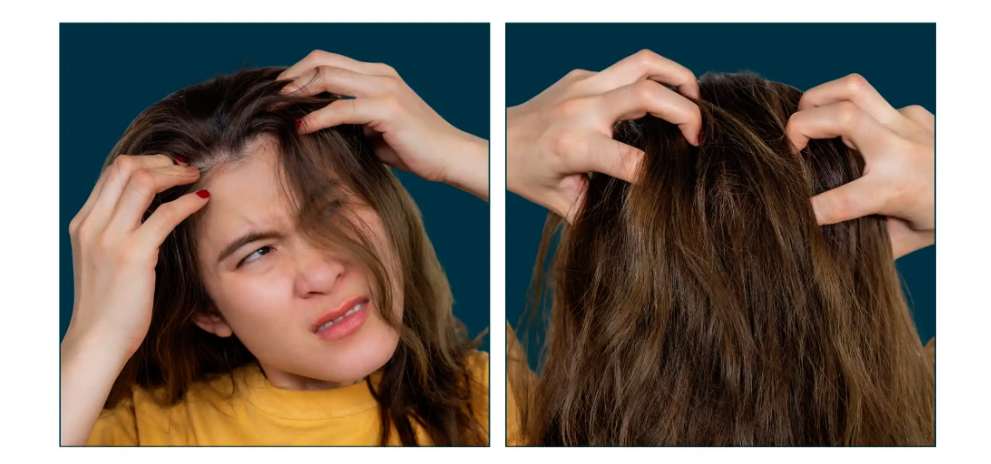
Most itchy scalp cases have nothing to do with growth. The scalp has thousands of nerve endings that react to irritation, inflammation, dryness, and allergy. Identifying the cause is the first step toward the right care.
Seborrheic dermatitis and dandruff
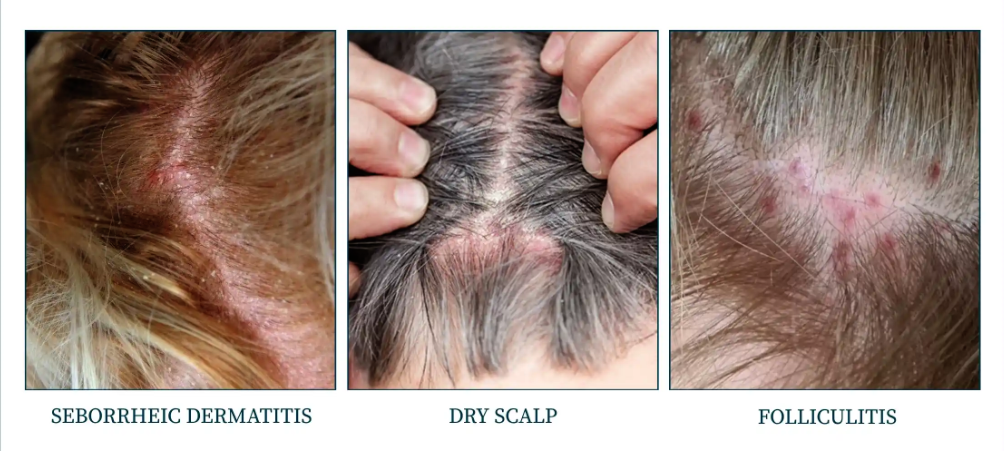
Seborrheic dermatitis is a common cause of persistent itching. It relates to yeast overgrowth on the scalp and often brings flaking, redness, oily scales, and ongoing itch. Medicated shampoos aimed at the inflammation often relieve both itch and flakes when used correctly.
Dry scalp
Dry skin can feel tight, irritated, and itchy. Cold weather, excessive washing, harsh products, and dehydration may contribute. Unlike dandruff, dry scalp usually shows smaller, drier flakes with less redness. Restoring moisture often improves symptoms quickly.
Folliculitis
Folliculitis inflames individual follicles, often from bacteria, fungi, or irritation. People notice small red bumps, tender follicles, localized itching, and mild discomfort. Because follicles are inflamed, the itch may be mistaken for regrowth even though the two are unrelated.
Specialists at Turkus Hair Transplant Clinic, Spain note: "When patients describe persistent itching, we examine the scalp first. Healthy follicles rarely produce symptoms alone. The itch often comes from inflammation, irritation, or an underlying scalp condition."
Allergic reactions
Hair dyes, shampoos, styling products, and some topical hair-loss treatments can trigger allergic contact dermatitis: intense itching, burning, redness, swelling, or rash. If itching starts soon after a new product, the product may be responsible rather than growth.
Psoriasis and eczema
Chronic inflammatory disorders such as psoriasis and eczema frequently affect the scalp and can itch severely enough to disturb sleep. Medical treatment helps reduce inflammation and protects skin from scratching injury.
Stress can make it worse
Stress does not directly cause most scalp diseases, but it can increase itch sensitivity and worsen existing conditions. It may also contribute to shedding through telogen effluvium, creating the impression that itching and hair loss are tightly linked. Stress and hair loss evaluation helps separate temporary shedding from progressive patterns.
Can Hair Growth Cause Itching?
Online articles often imply itchy scalp and hair growth go together without explaining the biology. Follicles are living structures under the skin. The hair shaft itself cannot produce itching.
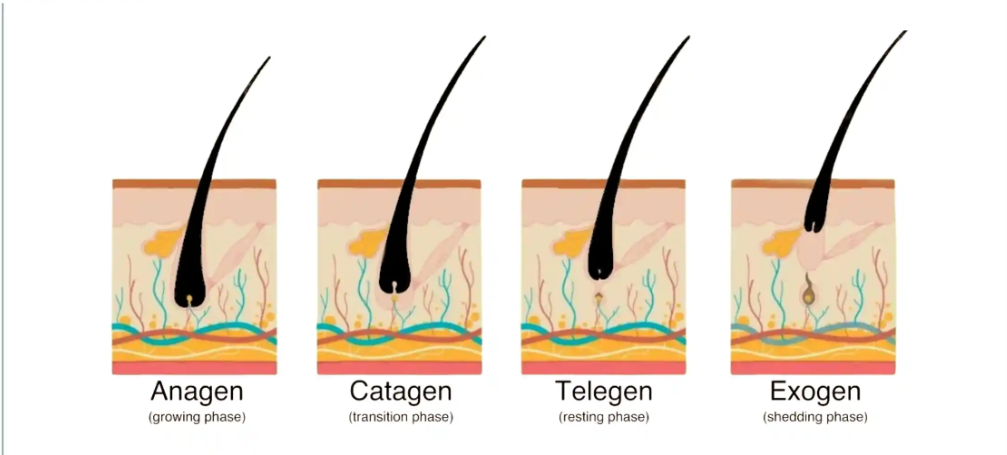
Understanding the hair growth cycle
- Anagen: active growth.
- Catagen: short transition.
- Telogen: resting.
- Exogen: shedding.
Healthy follicles repeat this cycle throughout life, with each hair growing independently. During anagen, cells divide rapidly to build a new shaft beneath the skin. That process is not normally felt.
Why follicles do not normally itch
Growing hair does not stimulate itch receptors. Itching develops when nearby skin becomes irritated or inflamed from dryness, mild inflammation, healing tissue, product irritation, or barrier changes. The growing hair is simply present at the same time.
Specialists at Turkus Hair Transplant Clinic, Spain note: "Patients often assume they can feel new hairs emerging. Healthy follicles grow silently. If itching occurs, we investigate scalp condition rather than assuming the sensation comes from the hair itself."
When regrowth and itching occur together
Both events may happen in the same period. A patient starts minoxidil, the scalp becomes mildly irritated, and new hairs gradually enter anagen. The itch relates to irritation; visible improvement comes from follicle changes. They overlap without one causing the other.
Healing can produce temporary itching
After a hair transplant, tiny recipient and donor sites heal and often itch. Transplanted follicles also establish blood supply before producing hair later. The itch reflects skin healing rather than active growth. Follow aftercare and avoid scratching while grafts settle.
Look for measurable signs of progress
- Increased density.
- New visible hairs.
- Reduced daily shedding.
- Before-and-after photographs.
- Professional scalp examinations.
Itchy Scalp During Hair Loss
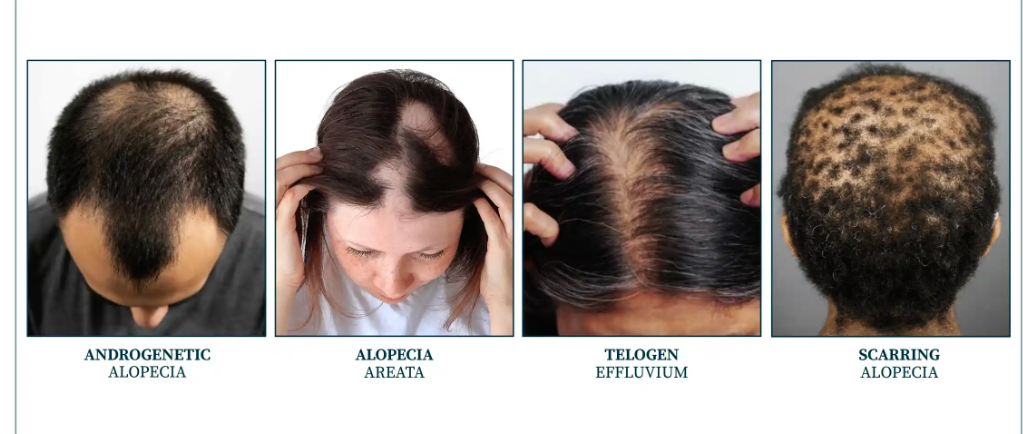
Itching can also appear during certain hair-loss patterns. Sometimes inflammation around follicles causes both symptoms. Sometimes loss develops without discomfort. Pattern matters for diagnosis.
Androgenetic alopecia
Male and female pattern hair loss usually thins gradually without pain or itch. Some people report mild sensitivity when dandruff, seborrheic dermatitis, or irritation is also present. The itch usually links to the scalp condition, not the pattern loss itself. A hair loss diagnosis visit clarifies whether thinning and itch share one cause.
Alopecia areata
In alopecia areata, the immune system attacks follicles. Some patients notice tingling, burning, mild itching, or sensitivity before smooth patches appear. Not everyone has these sensations, but they can occur during active inflammation.
Specialists at Turkus Hair Transplant Clinic, Spain note: "When itching occurs with sudden hair loss, we study the shedding pattern and scalp condition. The combination may point to an inflammatory disorder that benefits from early diagnosis rather than waiting to see if hair returns."
Telogen effluvium
Telogen effluvium often follows stress, illness, surgery, childbirth, or nutritional gaps. The main symptom is increased shedding. Mild itch or tenderness may appear from temporary sensitivity rather than the shedding process itself. As the trigger resolves, growth often returns gradually.
Scarring alopecia
Conditions such as lichen planopilaris or frontal fibrosing alopecia deserve special attention. Unlike hereditary thinning, they may bring persistent itching, burning, tenderness, progressive loss, and permanent follicle damage if untreated. Early care helps preserve remaining follicles.
Not every itchy scalp means hair loss
Most people with an itchy scalp never develop significant loss, and many with pattern baldness never itch. If itching comes with sudden shedding, redness, pain, or expanding thinning, a professional evaluation can identify the cause before more hair is lost.
Does Minoxidil Cause an Itchy Scalp?
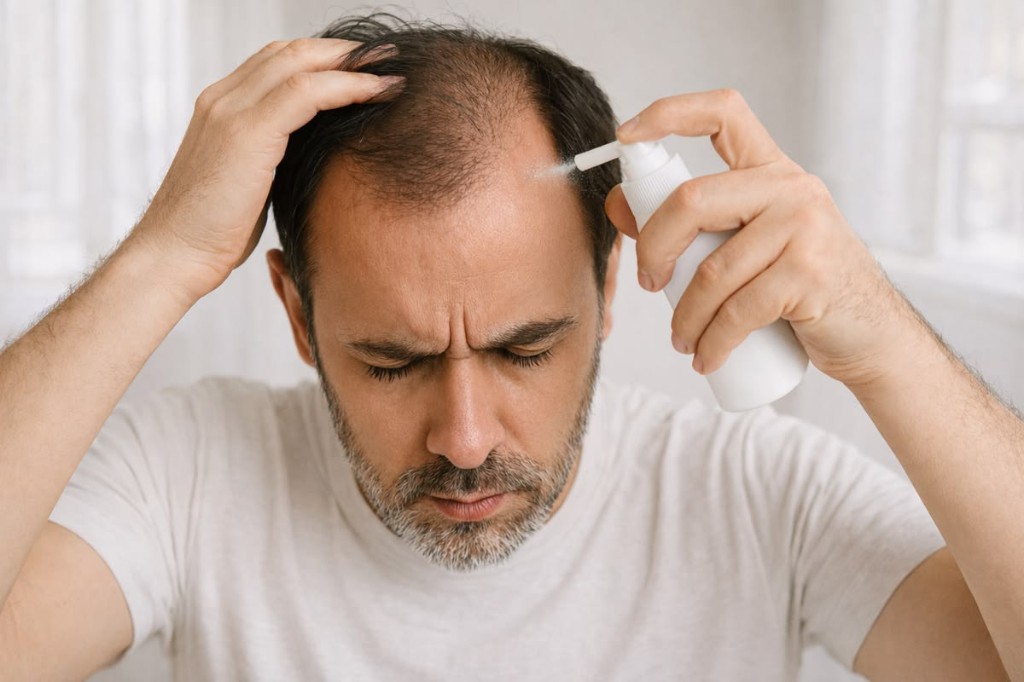
Many people search does itchy scalp mean hair growth shortly after starting minoxidil. Timing creates the impression that itching proves the medicine works. Reality is more nuanced. An itchy scalp is a relatively common side effect of topical minoxidil, but it is not a reliable sign of regrowth.
Why minoxidil can itch
Topical solution contacts the scalp directly. It can irritate skin or disrupt the barrier temporarily through mild irritation, dryness, alcohol sensitivity, or reaction to propylene glycol in many liquid formulas. Sensation often appears in the first weeks. Irritation may cause dryness, scaling, itching, or redness.
Is itching a sign minoxidil is working?
Not necessarily. Some people grow hair without any itch. Others itch with little improvement because irritation comes from the scalp, not follicle change. Judge success by reduced shedding, increased density, new terminal hairs, and photographic comparison over time.
Specialists at Turkus Hair Transplant Clinic, Spain note: "We encourage patients to judge progress with photographs and follow-up exams instead of temporary scalp sensations. Some strong responders never itch. Others feel irritation without significant regrowth."
When itching is usually normal
Mild itching that eases after the first weeks is often temporary as the scalp adapts. Keeping the scalp clean and using products recommended by your clinician may reduce irritation.
When it could be an allergy
Stop and contact a clinician for intense burning, significant redness, swelling, blistering, or widespread rash. These may indicate allergic contact dermatitis rather than ordinary irritation.
Foam vs liquid
Some patients who itch with liquid minoxidil tolerate foam better because many foams omit propylene glycol. Discuss formulation changes with your clinician so treatment still fits your pattern of loss. Questions about minoxidil after a transplant also belong in aftercare planning, not online guesswork.
Is Itching Normal After Hair Transplant?
Yes. Mild itching is one of the most common sensations after a hair transplant. Many patients worry something is wrong. In most cases it is part of normal healing. Know what is expected and what needs attention. A dedicated guide on itching after hair transplant complements clinic aftercare instructions.
The first week after surgery
In the first days, the scalp repairs thousands of tiny recipient and donor sites created during FUE. Mild itching, tightness, dryness, and temporary sensitivity are common. Avoid scratching while grafts are still anchoring.
Weeks 2 to 6
Itching often becomes intermittent as small scabs finish shedding, the barrier repairs, dryness resolves, and transplanted follicles establish blood supply. This stage may overlap with shock loss, when transplanted hairs shed temporarily before a new growth cycle.
Specialists at Turkus Hair Transplant Clinic, Spain note: "One of the questions we hear most often is whether itching means grafts are growing. Mild itching usually reflects normal skin healing rather than new hair emerging. We monitor recovery through exams and graft condition, not itching alone."
What helps relieve itching?
- Use the recommended post-operative shampoo.
- Moisturize only if your team advises it.
- Avoid direct sun exposure.
- Follow the prescribed washing routine.
- Resist scratching, even gently, early on.
When itching is not normal
Contact your surgical team if itching comes with increasing redness, significant swelling, pus or drainage, fever, severe pain, or a foul odor. These may indicate infection or another complication.
Healing takes time
The sensation comes from healing skin, temporary inflammation, and barrier restoration, not from transplanted hairs themselves. At Turkus Hair Transplant Clinic in Spain, aftercare instructions, follow-up, and local support help distinguish normal healing from warning signs. Turkish surgical expertise supports trust; recovery stays local in Spain.
When an Itchy Scalp Is a Warning Sign
Most itchy scalp episodes are harmless and improve with better care. Persistent itch can still signal a condition that needs evaluation.
Infection
Bacterial or fungal infections may cause persistent itching, redness, swelling, tenderness, pus-filled bumps, or crusting. Early treatment reduces spread and follicle risk.
Psoriasis and eczema flares
Chronic disease may bring thick scales, dry patches, cracked skin, and recurrent flares. Prescription management is often needed.
Specialists at Turkus Hair Transplant Clinic, Spain note: "Persistent itching should not simply be covered by switching shampoos. When symptoms continue despite good care, identify the underlying cause rather than repeatedly changing products."
Ringworm of the scalp
Tinea capitis can cause itching, round patches of loss, broken hairs, scaling, and sometimes swollen lymph nodes. Ordinary dandruff shampoo is usually ineffective. Prescription antifungal care is required.
Severe inflammation
Some inflammatory disorders can permanently damage follicles. Persistent itching, burning, tenderness, and progressive loss need early diagnosis to preserve remaining hair.
When should you see a doctor?
- Itching lasts longer than two weeks.
- Symptoms keep getting worse.
- Significant hair loss appears with the itch.
- Bleeding or open sores develop.
- Fever or severe pain is present.
- Appropriate scalp care does not help.
Waiting to see whether itching leads to growth can delay care when the real problem is inflammation or infection. Healthy follicles rarely produce persistent itching alone.
How to Relieve an Itchy Scalp Safely
Treat the cause, not only the sensation. A moisturizing shampoo may help dry skin but will not fix folliculitis. Scratching gives brief relief and often worsens injury risk.
Use the right shampoo
Depending on diagnosis, clinicians may recommend ketoconazole, zinc pyrithione, selenium sulfide, or salicylic acid. Medicated shampoos can reduce inflammation and itch from dandruff and seborrheic dermatitis when used consistently. Stronger products without a diagnosis may irritate further.
Keep the scalp moisturized
If dryness is responsible, gentle scalp moisturizers may restore the barrier. Avoid harsh shampoos, excessive washing, and very hot water that strip oils.
Specialists at Turkus Hair Transplant Clinic, Spain note: "Healthy hair begins with a healthy scalp. Before focusing only on growth, we make sure the scalp environment supports normal follicle function. Treating irritation early often prevents longer problems."
Resist scratching
Repeated scratching raises risk of skin injury, secondary infection, bleeding, and delayed healing after transplant. Massage gently around the area or use recommended treatments instead.
Review your hair products
If itching started after a new shampoo, conditioner, dye, styling product, or topical treatment, discuss the reaction before continuing use.
Treat the cause, not just the symptom
Trying many anti-itch products without identifying the cause often leads to frustration. Dry skin, inflammation, allergy, and infection each need different care. Long-term scalp health creates a better environment for follicles.
Common Myths About Itchy Scalp and Hair Growth
Myth: an itchy scalp always means new hair
Fact: healthy follicles do not itch simply because new hair is growing. You may have itchy scalp and hair growth in the same period because of healing, dryness, inflammation, or product irritation.
Myth: more itch means better treatment
Fact: mild irritation is a recognized side effect of some topical treatments. Excellent regrowth can occur with no itch. Significant itch can occur with little response.
Specialists at Turkus Hair Transplant Clinic, Spain note: "We never judge treatment success by how the scalp feels. Visible density improvement, healthy follicle activity, and photographic progress are more reliable than temporary itching."
Myth: scratching helps hair grow
Fact: there is no scientific evidence that scratching promotes healthy growth. It can injure skin, increase inflammation, and raise infection risk.
Myth: every itchy scalp is dandruff
Fact: itch may come from dry skin, seborrheic dermatitis, allergy, folliculitis, psoriasis, eczema, fungal infection, or inflammatory hair disorders. Treating dandruff will not help if another condition is responsible.
Myth: no itching means hair is not growing
Fact: most healthy growth is silent. Follicles do not need to itch to produce new hair. Many transplant patients and minoxidil users improve without noticeable irritation.
Why Choose Turkus Hair Transplant Clinic?
Turkus is a Turkish-led hair transplant clinic in Spain. Turkish surgical expertise is part of our team; your consultation, procedure planning, and aftercare stay local in Spain.
We focus on natural-looking results, clear communication, and personalized follow-up in Spain. We do not recommend traveling to Turkey instead of local care.
Options such as FUE, DHI, and Sapphire FUE may be suitable after evaluation. Results vary between patients; graft estimates require a consultation, not online guesses.
Specialists at Turkus Hair Transplant Clinic, Spain note: "The goal is an honest plan based on your pattern and goals, not promises that apply to every patient."
Frequently Asked Questions
Does itchy scalp mean hair is growing?
Usually not. Follicles normally produce new hairs without itching. Sensation usually comes from dryness, inflammation, healing, or irritation.
Is an itchy scalp a good sign after starting minoxidil?
Not necessarily. Mild itching can come from temporary irritation or dryness. Judge success by visible changes, not sensations.
Can new hair follicles itch?
Healthy follicles generally do not itch while producing hair. Surrounding skin changes are the more likely source.
Is itching normal after a hair transplant?
Yes. Mild itching is common as the scalp heals in the first weeks after FUE. Severe itch with redness, swelling, pus, or fever needs urgent contact with your team.
Should I scratch my itchy scalp?
No. Scratching can damage skin, increase inflammation, and raise infection risk, especially after transplant.
Can dandruff cause hair loss?
Dandruff itself does not usually cause permanent loss. Persistent inflammation and scratching from seborrheic dermatitis may contribute to temporary shedding in some people.
Can stress cause an itchy scalp?
Yes. Stress may increase sensitivity and worsen seborrheic dermatitis, psoriasis, eczema, and telogen effluvium. Managing stress helps, but the scalp condition may still need treatment.
Is an itchy scalp always a bad sign?
No. Mild temporary itch can come from dryness, healing, seasons, or minor irritation. Persistent or worsening itch with visible changes deserves evaluation.
When should I see a dermatologist or hair specialist?
If itching lasts more than two weeks, becomes severe, keeps returning, or comes with redness, swelling, pus, thick scaling, bleeding, or noticeable hair loss.
Does an itchy scalp mean thicker hair is growing?
No. There is no evidence that itching indicates thicker hair. Thickness depends on follicle health, genetics, hormones, nutrition, and appropriate treatment when loss is present.
Find the Real Cause of Your Itchy Scalp
If you have been wondering whether an itchy scalp means hair growth, the answer is more nuanced than online myths suggest. Itching can occur during healing or alongside treatments, but it is not a dependable sign that new hair is growing.
At Turkus Hair Transplant Clinic in Spain, scalp and hair evaluations help identify whether itching relates to a temporary condition, inflammation, hair loss, treatment side effects, or another cause. Options such as FUE, DHI, PRP, or medical care may be suitable after assessment. Results vary; personalized consultation is recommended.
Specialists at Turkus Hair Transplant Clinic, Spain note: "Bring clear photos in normal bathroom light and a list of products you recently changed. We plan from real scalp findings, not from myths about itching."
Book a free consultation in Spain to clarify the cause of itching, discuss aftercare if you had a transplant, and review growth options when appropriate.