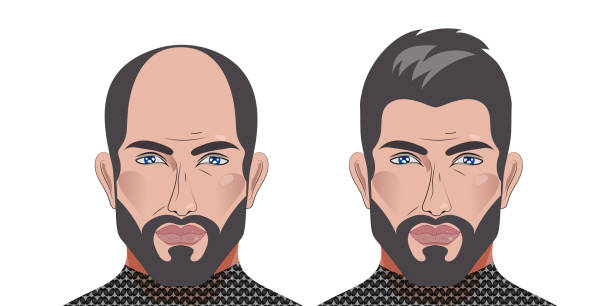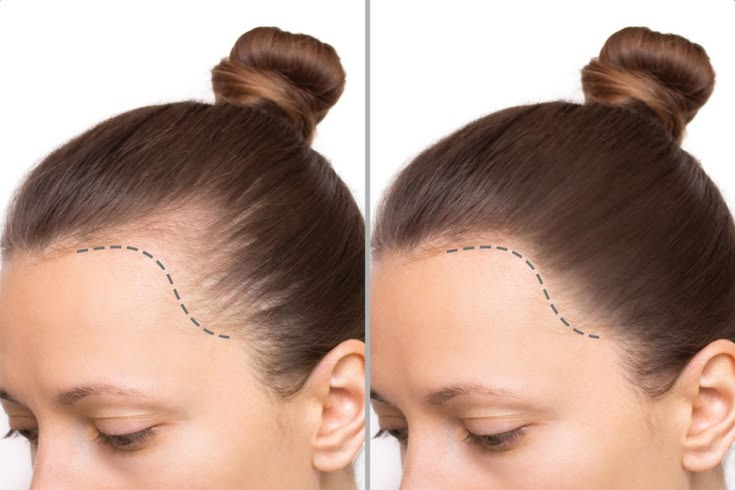

Many people start antidepressant therapy and feel relief from mood symptoms, only to notice more hair in the brush or shower weeks or months later. That timing can feel frightening, especially when mental health finally feels more stable. The good news is that antidepressant-related shedding is often telogen effluvium, a temporary shift in the hair growth cycle rather than destroyed follicles.
Dermatology resources such as DermNet describe drug-related telogen effluvium with a typical delay of two to four months after a trigger begins. Shedding may start even later in some cases. The delay makes it easy to miss the connection between medication and hair loss, or to blame the wrong factor.
If you notice increased shedding on sertraline, fluoxetine, escitalopram, venlafaxine, or another antidepressant, do not panic and do not stop medication on your own. Mental health treatment matters. Medication changes belong only with your prescribing doctor. Hair concerns deserve evaluation too, but both priorities can be managed thoughtfully.
At Turkus Hair Transplant Clinic in Spain, patients often ask whether antidepressants caused their thinning, whether regrowth is possible, and what to do next without risking relapse. This guide explains how common SSRI and SNRI shedding may be, which medications appear more often in reports, how telogen effluvium differs from pattern baldness, what labs may help, and when local hair evaluation in Spain makes sense.
Specialists at Turkus Hair Transplant Clinic, Spain note: "Sudden shedding on antidepressants is distressing, but stopping medication alone is rarely the right first step. Diagnosis, mental health stability, and a clear timeline usually matter more than guessing."
You will also find practical guidance on buspirone reports, nutritional gaps that mimic medication shedding, blood tests to discuss with your clinician, and when PRP, FUE, or DHI may help if separate androgenetic alopecia is present. Results vary between patients; no guide can promise full recovery for everyone.
Quick Insights
- Antidepressants can trigger hair shedding in some patients, but the effect is often uncommon and frequently reversible.
- Telogen effluvium is the most typical pattern: diffuse shedding across the scalp, not sudden bald patches.
- Shedding often begins two to four months after starting or changing dose, sometimes later.
- SSRIs, SNRIs, atypical antidepressants, and bupropion appear in patient reports; bupropion may have higher reported risk in some databases.
- Never stop antidepressants without your prescribing doctor; mental health stability comes first.
- Iron, thyroid, stress, and nutrition can cause similar shedding and are often missed.
- Pattern recession at temples or crown may indicate androgenetic alopecia separate from medication.
- Blood tests such as CBC, ferritin, and thyroid panels help before blaming the antidepressant alone.
- A trichologist or diagnosing hair loss evaluation clarifies timing, pattern, and next steps.
- PRP or transplant techniques such as FUE and DHI may help selected patients with progressive pattern loss, not as a direct fix for antidepressant telogen effluvium.
Can Antidepressants Cause Hair Loss?
Yes, antidepressants can cause hair loss in some people, though it is not universal and often underreported in daily practice. Hair loss is listed as an infrequent or rare adverse event for several antidepressants in official labeling and post-marketing safety data. Because shedding is delayed and diffuse, patients and clinicians may attribute it to stress alone.
Antidepressant hair loss is usually easy to miss. You feel better emotionally while hair density quietly drops. Family may notice thinning before you connect it to a prescription started months earlier. That is one reason careful history matters.
How common is antidepressant-related shedding?
Large controlled trials rarely focus on hair as a primary endpoint, so exact percentages are hard to pin down. Clinical experience and pharmacovigilance reports suggest the problem is real but uncommon. Many patients take antidepressants for years without noticeable hair change.
When shedding occurs, it is often telogen effluvium rather than scarring loss. That distinction matters for prognosis. Follicles usually remain alive even when daily shedding feels dramatic.
Which medications are most often reported?

Selective serotonin reuptake inhibitors (SSRIs) such as sertraline, fluoxetine, paroxetine, citalopram, and escitalopram appear in case reports and patient forums. Serotonin-norepinephrine reuptake inhibitors (SNRIs) including venlafaxine and duloxetine are also mentioned. Atypical agents such as mirtazapine and trazodone show up less often but still appear in literature.
Bupropion, which has a different mechanism from classic SSRIs, is among the antidepressants with relatively higher reported hair loss signals in some post-marketing summaries. That does not mean every patient on bupropion will shed. Individual metabolism, dose, co-medications, and baseline hair health all influence outcomes.
Why the link is easy to overlook
Depression and anxiety themselves correlate with stress and hair loss. Life events that led to prescribing may also trigger telogen effluvium independently. Sorting medication effect from stress and hair loss, illness, or weight change requires timeline review, not assumption.
Specialists at Turkus Hair Transplant Clinic, Spain note: "We ask when the antidepressant started, when shedding began, and what else changed in those months. That sequence often tells us more than the drug name alone."
What Type of Hair Loss Do Antidepressants Cause?
When antidepressants contribute to shedding, the typical pattern is telogen effluvium. Hairs shift prematurely into the resting phase, then shed together after a delay. Patients notice more hair on pillows, in drains, and on brushes, often with a sense that the ponytail is thinner.
Telogen effluvium and the timing delay
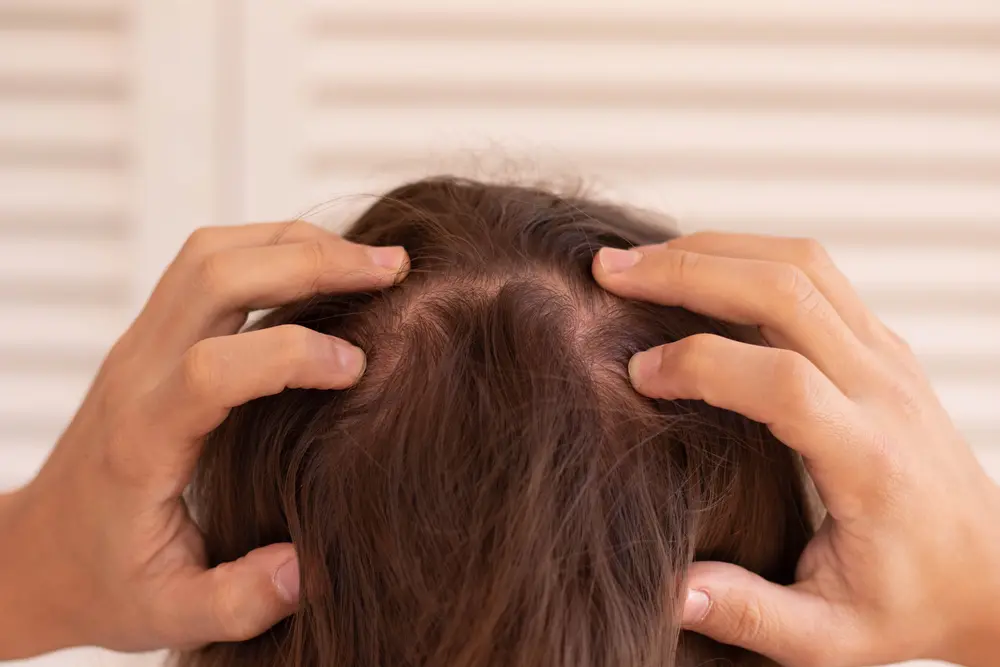
According to DermNet-style descriptions used in dermatology education, telogen effluvium often begins two to four months after a trigger such as medication, illness, surgery, or major stress. Some patients report onset up to six months later. Immediate shedding within days of the first pill is less typical for telogen effluvium and should prompt review of other causes.
Chronic telogen effluvium can persist if multiple triggers overlap, for example antidepressant initiation plus iron deficiency plus ongoing anxiety. That is why pattern and labs matter, not only the prescription label.
Why pattern differentiation matters
Telogen effluvium usually reduces density evenly across the scalp. Androgenetic alopecia tends to miniaturize hairs at temples, crown, or frontal hairline. Alopecia areata produces distinct patches. Scarring alopecia may show redness, scale, or loss of follicular openings.
Mislabeling early pattern baldness as purely antidepressant-related can delay useful treatment. Mislabeling telogen effluvium as permanent genetic loss can cause unnecessary fear. A trichologist can examine the scalp, review pull tests when appropriate, and discuss dermoscopy findings.
Telogen effluvium vs androgenetic alopecia vs areata
- Telogen effluvium: diffuse shedding, often temporary, follicles typically remain.
- Androgenetic alopecia: progressive miniaturization, family history common, temples or crown first.
- Alopecia areata: patchy, sometimes rapid, may need dermatology beyond hair clinic scope.
- Mixed picture: medication shedding plus underlying hormonal hair loss can coexist.
Specialists at Turkus Hair Transplant Clinic, Spain note: "Two processes can run at once. A patient may have telogen effluvium from medication and early androgenetic alopecia that would have progressed anyway. Diagnosis separates what is reversible from what needs long-term plan."
Is SSRI Hair Loss Reversible?
In many cases, SSRI-related telogen effluvium is reversible because follicles are not destroyed. Shedding may slow over weeks to months once the trigger resolves or the body adapts. Visible regrowth takes longer because hair grows roughly one centimeter per month.
Reversibility is not guaranteed for everyone. Chronic telogen effluvium, untreated thyroid disease, low ferritin, or concurrent androgenetic alopecia can limit how much density returns without targeted care.
What evidence and experience suggest
Case reports and clinical follow-up often describe improvement after dose adjustment, switching agents with physician guidance, or simply continuing therapy while supporting nutrition and stress recovery. Randomized trials rarely track hair endpoints, so much knowledge comes from dermatology practice and patient monitoring.
If shedding persists beyond six months without stabilization, clinicians may reassess for chronic telogen effluvium, pattern loss, or secondary triggers rather than assuming the SSRI is the only factor.
When it may not be just the SSRI
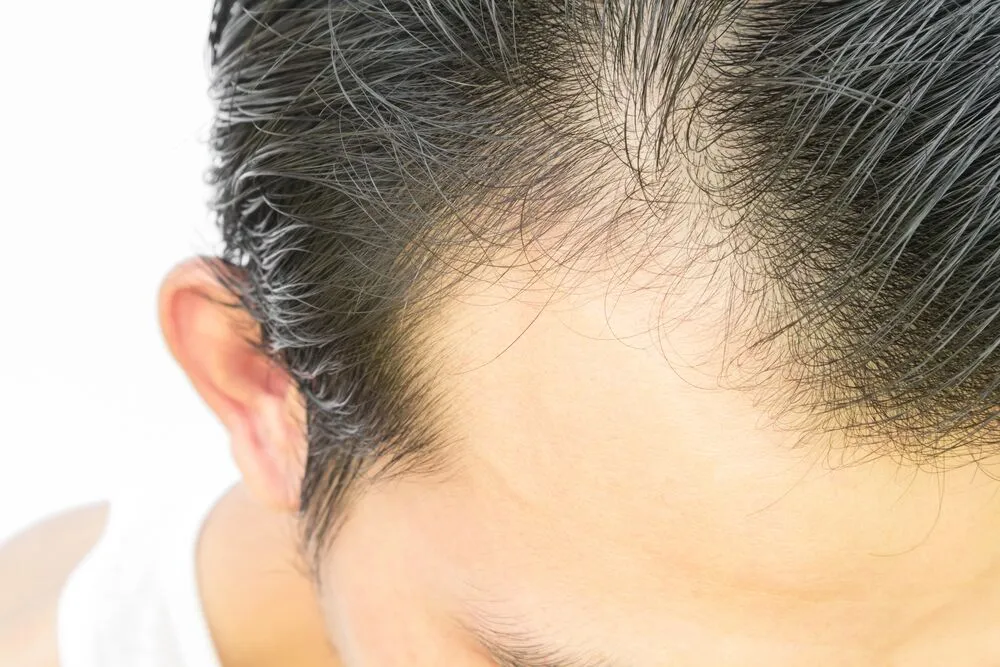
Iron and ferritin deficiency, hypothyroidism or hyperthyroidism, recent infection, crash dieting, postpartum shifts, and high psychological stress can all cause similar shedding. Some patients start antidepressants during exactly the kind of life period that already triggers telogen effluvium.
Diagnosing hair loss properly before changing psychiatric medication protects both mental health and hair outcomes. Your prescribing clinician and a hair specialist can coordinate without contradicting priorities.
Regrowth timeline expectations
Once shedding slows, short new hairs may appear at the hairline within two to three months. Cosmetic fullness often takes six to twelve months. Patients hoping for thicker hair should focus on consistent nutrition, gentle scalp care, and realistic timelines rather than overnight fixes.
Specialists at Turkus Hair Transplant Clinic, Spain note: "Hair recovery follows biology, not willpower. Patience after stabilization is normal; visible improvement often lags behind reduced shedding."
Can Buspirone Cause Hair Loss?
Buspirone is an anxiolytic sometimes used for generalized anxiety rather than as a first-line antidepressant. FDA labeling lists hair loss as an infrequent adverse reaction, meaning it is reported but not common. Case reports exist, yet strong population-level proof remains limited.
Because buspirone is often added to SSRI therapy or used when anxiety persists, shedding may be attributed to the wrong drug. Review all medications, doses, and start dates with your clinician.
Why buspirone-related shedding is harder to recognize
Anxiety itself links to stress and hair loss. Patients may start buspirone during stressful periods when telogen effluvium would have appeared anyway. Without labs and timeline review, causation stays uncertain.
What to discuss with your doctor
If you suspect buspirone plays a role, bring photos, a shedding diary, and approximate hair counts from washing days. Ask whether dose adjustment, timing changes, or alternative anxiety strategies are appropriate. Do not stop buspirone abruptly without medical guidance.
Specialists at Turkus Hair Transplant Clinic, Spain note: "Infrequent side effects are still real for the patients who experience them. The answer is structured evaluation, not silent discontinuation."
What Is My Body Lacking When Hair Sheds on Antidepressants?
Medication may be one trigger while nutritional gaps amplify shedding. Antidepressants can affect appetite, sleep, and self-care routines. Depression itself may reduce dietary quality. Any of these can lower the nutrients hair needs.
Iron and ferritin
Low ferritin is a frequent overlooked cause of persistent shedding, especially in women. Levels that look normal on a generic panel may still be suboptimal for hair. Ferritin should be interpreted with symptoms, diet, and menstrual history.
Thyroid function
Hypothyroidism and hyperthyroidism both disturb the hair cycle. Thyroid imbalance sometimes appears around the same life period that prompts antidepressant prescribing. Treating thyroid disease may improve shedding even if the antidepressant continues.
Protein, zinc, and B vitamins
Hair is built from protein. Inadequate intake during low appetite phases can push follicles into rest. Zinc, vitamin D, and B12 deficiencies appear in diffuse shedding workups. Supplements help when deficiency is confirmed, not as a blanket substitute for balanced meals.
Why deficiencies are often missed
Standard annual labs may not include ferritin or full thyroid panels. Patients assume the antidepressant explains everything because it started near the same season as shedding. Correcting deficiencies can reduce shedding while mental health treatment continues.
Specialists at Turkus Hair Transplant Clinic, Spain note: "We often see medication blamed while ferritin or thyroid results would have explained half the story. Labs are cheap clarity compared with months of guessing."
What Blood Test Is Done for Hair Loss on Antidepressants?
Before changing psychiatric medication solely because of hair, many clinicians order baseline labs to exclude common mimics. Results guide whether dermatology, endocrinology, or nutrition support is needed alongside mental health care.
Core tests most often recommended

- Complete blood count (CBC) to screen anemia and general health markers.
- Ferritin and iron studies for storage iron linked to telogen effluvium.
- Thyroid stimulating hormone (TSH) with free T4 when symptoms suggest thyroid disease.
- Optional vitamin D, zinc, and B12 when diet is limited or deficiency is suspected.
Why testing should precede medication changes
Stopping an effective antidepressant without addressing iron or thyroid may worsen mood while hair shedding continues. A coordinated plan respects psychiatric stability and treats reversible hair triggers.
What results do not tell you alone
Normal labs do not rule out telogen effluvium from medication or stress. They reduce the guesswork. Scalp examination still matters for pattern baldness, dermoscopy signs, and mixed diagnoses.
Specialists at Turkus Hair Transplant Clinic, Spain note: "Blood work narrows the differential. It rarely replaces looking at the scalp and taking a careful history."
How to Stop Hair Loss From Antidepressants
The phrase how to stop hair loss from antidepressants assumes a single switch will fix everything. In practice, the safest path starts with diagnosis, preserves mental health treatment, corrects deficiencies, and supports the hair cycle while you and your doctors decide whether medication adjustment is truly needed.
Diagnosis first, not panic

Document when shedding began, photograph part width monthly, and note other symptoms such as fatigue, cold intolerance, or nail brittleness. Share this with your psychiatrist or GP and with a hair specialist if referred.
Never stop antidepressants on your own. Withdrawal symptoms and relapse risk are real. If hair concerns are significant, ask whether dose adjustment, switching to another agent, or adding supportive labs is appropriate while monitoring mood closely.
Correct deficiencies and reduce overlapping triggers
Treat iron or thyroid issues if found. Improve protein intake if appetite is low. Address sleep and stress where possible. Stress and hair loss can continue even when mood improves on medication, especially if life stressors remain.
Support the hair cycle gently

Use mild shampoo, avoid tight hairstyles that traction the follicle, and limit harsh chemical processing while shedding is active. Scalp massage should be gentle, not aggressive. Some patients ask about peppermint oil for comfort; it is not a proven antidepressant-related shedding treatment and can irritate if undiluted.
When medical hair restoration may help
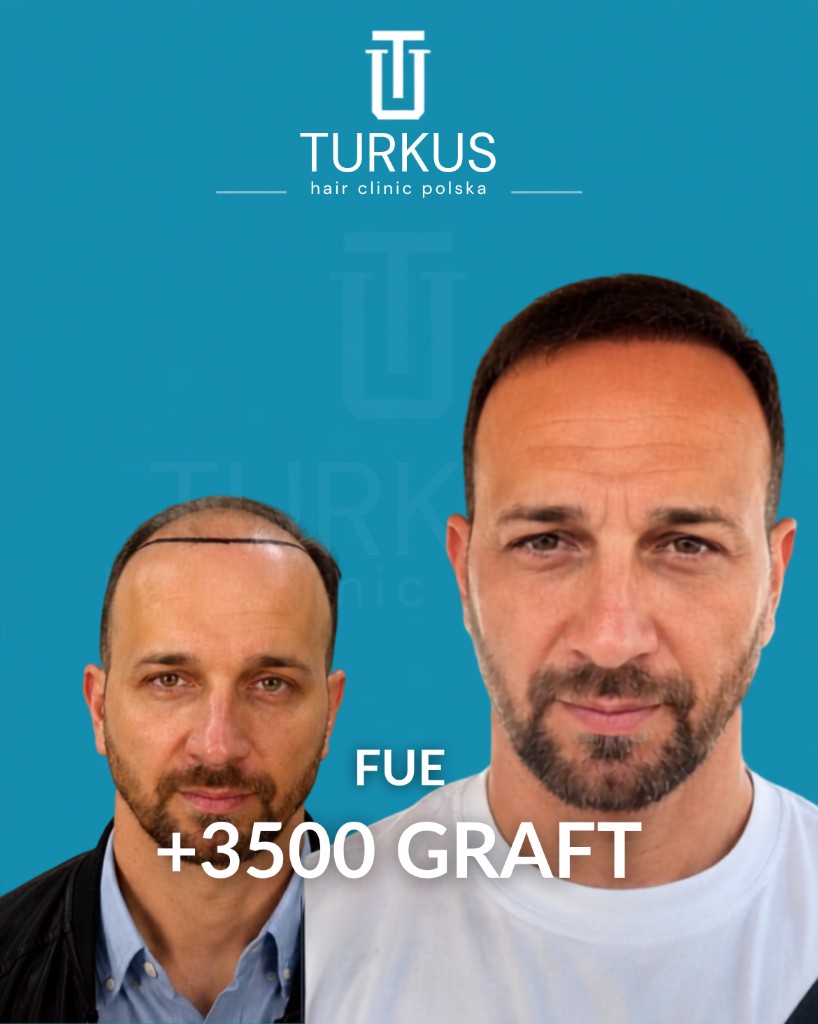
If examination shows androgenetic alopecia separate from telogen effluvium, options such as PRP treatment may be discussed after individualized assessment. Techniques like FUE and DHI may suit selected patients when medical stabilization and donor quality align with goals. These address pattern loss, not as a direct cure for antidepressant telogen effluvium alone.
Patients comparing mood-related medication topics may read about finasteride depression separately; that is a different drug class and indication. Do not mix finasteride decisions with antidepressant management without specialist input.

Specialists at Turkus Hair Transplant Clinic, Spain note: "The goal is a stable mood and an honest hair plan. Sometimes that means no medication change at all, only time and nutrition. Sometimes it means treating pattern loss that appeared alongside telogen effluvium."
Why Choose Turkus Hair Transplant Clinic?
Turkus is a Turkish-led hair transplant clinic in Spain. Turkish surgical expertise is part of our team; your consultation, procedure planning, and aftercare stay local in Spain.
We focus on natural-looking results, clear communication, and personalized follow-up in Spain. We do not recommend traveling to Turkey instead of local care.
Options such as FUE, DHI, and Sapphire FUE may be suitable after evaluation. Results vary between patients; graft estimates require a consultation, not online guesses.
Specialists at Turkus Hair Transplant Clinic, Spain note: "The goal is an honest plan based on your pattern and goals, not promises that apply to every patient."
FAQs About Antidepressants and Hair Loss
Can antidepressants cause hair loss?
Yes, they can in some patients. The effect is often uncommon and usually presents as telogen effluvium rather than permanent scarring loss.
How common is hair loss on SSRIs?
Exact rates are unclear because trials rarely track hair endpoints. Clinical reports suggest it is infrequent, though likely underrecognized because of delayed onset.
Which antidepressant causes the most hair loss?
No drug is proven worst for everyone. Bupropion shows relatively higher reporting in some databases. SSRIs and SNRIs also appear in case reports. Individual response varies.
How long after starting an antidepressant does shedding begin?
Telogen effluvium often starts two to four months after initiation or dose change, sometimes later. Immediate shedding is less typical and warrants broader evaluation.
Should I stop my antidepressant if my hair is falling out?
No, not on your own. Speak with your prescribing doctor first. Mental health stability is the priority. Sudden discontinuation can cause withdrawal and relapse.
Is antidepressant hair loss permanent?
Often it is temporary when true telogen effluvium is the cause. Permanent density loss is more likely when androgenetic alopecia, scarring conditions, or untreated deficiencies coexist.
Can buspirone cause hair loss?
FDA labeling lists hair loss as infrequent. Case reports exist. Anxiety and co-medications complicate attribution, so timeline and labs matter.
What blood tests should I ask for?
Many clinicians start with CBC, ferritin, iron studies, and TSH. Vitamin D, zinc, or B12 may be added based on diet and symptoms.
Will hair grow back if I switch antidepressants?
It may, especially if medication was the main trigger, but switching is a psychiatric decision with your doctor, not a cosmetic shortcut. Regrowth takes months.
When should I see a trichologist or hair clinic?
Book evaluation if shedding persists beyond three months, part lines widen, temples recede, or you need help distinguishing telogen effluvium from pattern loss.
Take the Next Step With Clarity
Antidepressant-related hair shedding is frightening, yet often manageable once the pattern is understood. Telogen effluvium frequently improves with time, nutrition, and coordinated medical care. Pattern baldness may need separate treatment. Neither outcome should push you to stop mental health medication without guidance.
At Turkus Hair Transplant Clinic in Spain, the team offers free hair analysis and honest conversation about what shedding may mean for you. Turkish surgical expertise supports trust; consultation, planning, and aftercare stay local in Spain.
Specialists at Turkus Hair Transplant Clinic, Spain note: "Bring your medication timeline, lab results if available, and your questions. Clarity reduces anxiety for both hair and mood."
Request a consultation for diagnosing hair loss and exploring options from monitoring to PRP, FUE, or DHI when appropriate. Medication changes remain with your prescribing clinician. Results vary between patients; personalized evaluation is recommended before any plan.