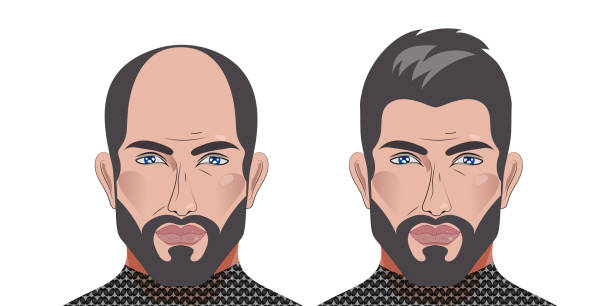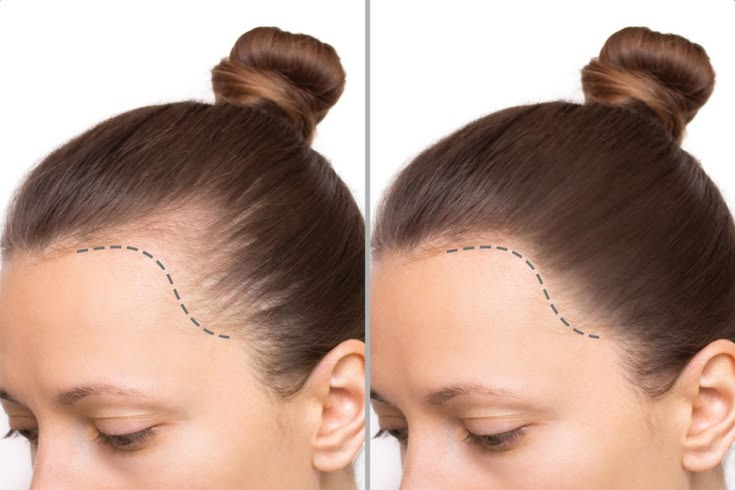
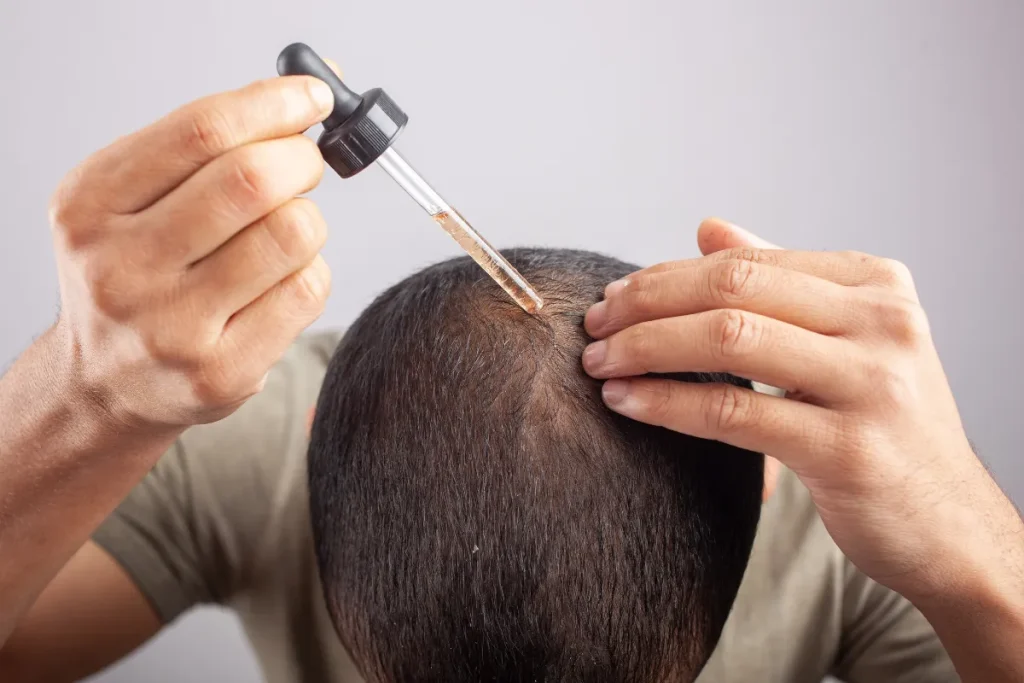
Does finasteride regrow hair? The honest answer is nuanced. Finasteride can help some patients recover visible density, but its primary strength is slowing androgenetic hair loss and stabilizing follicles that are still active. Crown and mid-scalp areas often respond better than deep temple recession or long-standing bald patches.
If you search before-and-after photos online, you may see dramatic improvements. Social media rarely shows non-responders, patients who stopped early, or people who continued thinning despite treatment. Results vary between patients; no medication works for everyone.
Finasteride lowers dihydrotestosterone (DHT), the hormone that miniaturizes genetically sensitive follicles in hormonal hair loss. That can mean thicker existing hairs, less shedding, and sometimes short new growth in areas where follicles were dormant but not destroyed. It does not recreate hair where follicles have been gone for years.
At Turkus Hair Transplant Clinic in Spain, patients often ask whether pills alone can reverse thinning, how long to wait before judging results, and when FUE or DHI may be more appropriate for bald areas. This guide explains what regrowth realistically means, oral versus topical options, timelines, limits, combination therapy, and when local evaluation in Spain makes sense.
Specialists at Turkus Hair Transplant Clinic, Spain note: "Finasteride is often described as a regrowth drug, but clinically it is first a preservation drug. Stabilization is a success even when full density does not return."
You will also find guidance on women and pregnancy risk, side effects including mood concerns linked to finasteride depression discussions, combining with minoxidil for thicker hair goals, and surgical planning when medication is not enough. Consultation is recommended before starting or changing any prescription.
Quick Insights
- Finasteride may regrow hair in some responders, but preservation and slowing loss are the most consistent benefits.
- Crown and mid-scalp thinning often respond better than advanced temple recession or completely bald areas.
- Most patients need three to six months to notice reduced shedding; visible density changes often take six to twelve months.
- Oral finasteride (typically 1 mg daily) is the most studied form; topical formulations may reduce systemic exposure but evidence is still evolving.
- Finasteride is not approved for routine use in premenopausal women because of pregnancy risk; medical supervision is essential when considered off-label.
- You can still progress on finasteride if follicles were already severely miniaturized or if other triggers such as stress or telogen effluvium overlap.
- Side effects may include sexual function changes and, in some reports, mood symptoms; discuss finasteride depression concerns with your prescriber.
- Combining finasteride with minoxidil is common in practice and may improve cosmetic outcomes for selected patients.
- Dead or scarred follicles do not regrow with pills alone; FUE, DHI, or crown hair transplant planning may be needed for bald zones.
- Diagnosing hair loss before treatment clarifies whether DHT-driven pattern loss is present versus reversible shedding from other causes.
- Free hair analysis at a local clinic helps set realistic expectations before committing to long-term medication.
How Finasteride Works
Finasteride belongs to the 5-alpha reductase inhibitor class. It blocks conversion of testosterone into DHT. In androgenetic alopecia, DHT binds to receptors on susceptible follicles and gradually shrinks them. Hairs become finer, shorter, and lighter until they stop appearing above the skin.
By lowering scalp and serum DHT, finasteride reduces that miniaturization signal. Active follicles may produce thicker terminal hairs again. Shedding often slows within months. That stabilization is why many dermatologists prescribe it early in pattern loss.
DHT and follicle miniaturization
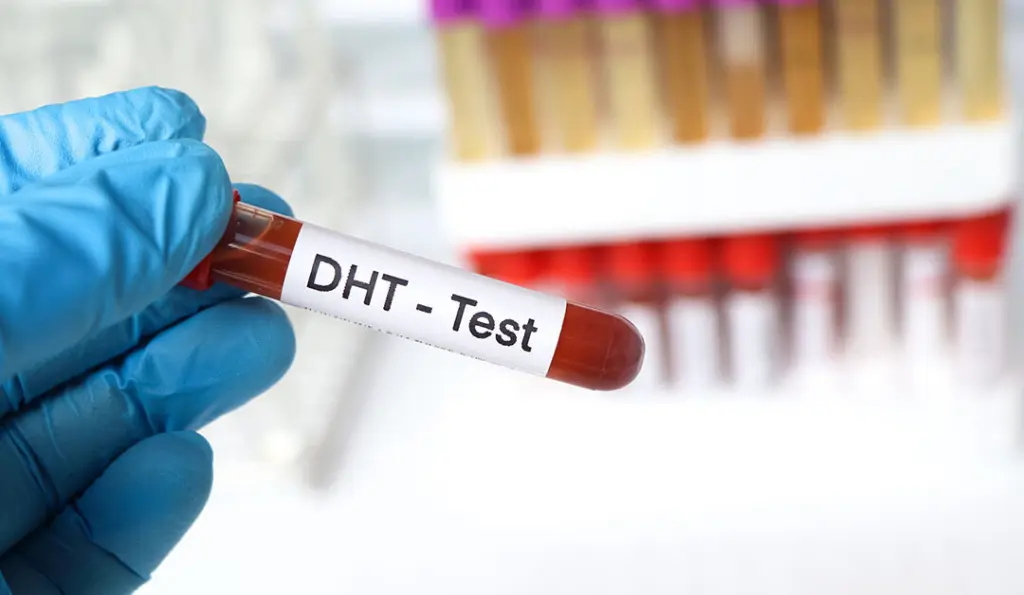
Miniaturization is reversible only while the follicle remains alive. A follicle producing vellus-like hair may recover caliber on finasteride. A smooth bald patch with no visible follicular openings for years is a different situation.
Blood tests for DHT are not required for every patient, but diagnosing hair loss with history, examination, and sometimes trichoscopy helps confirm that pattern loss, not telogen effluvium alone, is the target.
Stabilization versus regrowth
Clinicians often describe two layers of success: stopping further loss and recovering visible density. Many patients achieve the first without dramatic photos. Regrowth, when it happens, usually means conversion of miniaturized hairs back toward terminal caliber rather than sprouting entirely new follicles.
Timing matters. Starting finasteride while plenty of miniaturized hairs remain offers more room for improvement than starting after years of untreated progression.
Why consistency and patience matter
DHT suppression is continuous. Missing doses frequently may allow hormone levels to fluctuate and miniaturization to resume. Patients who stop after six weeks because they see no mirror change often quit before the typical response window.
Hair grows slowly, roughly one centimeter per month. Even when finasteride works, cosmetic change lags behind biochemical improvement.
Specialists at Turkus Hair Transplant Clinic, Spain note: "We tell patients to judge finasteride at six months minimum, with a fuller picture at twelve months. Daily consistency beats perfect timing anxiety."
Does Finasteride Actually Regrow Hair?
Yes, finasteride can regrow hair in some patients, but the word regrow oversimplifies what studies show. Clinical trials in men with androgenetic alopecia report increased hair counts and improved investigator assessments compared with placebo. Not every participant qualifies as a dramatic before-and-after responder.
Regrowth in research usually means more visible terminal hairs in a measured area, not a full adolescent hairline. Some patients notice less scalp show-through. Others mainly see reduced shedding without obvious new fringe hair.
What studies suggest about responders
Long-term finasteride data show that a meaningful subset maintains or improves hair density over years. Non-responders exist. Genetics, baseline severity, adherence, and concurrent health factors all influence outcome.
Responders often have diffuse thinning or crown thinning with intact but miniaturized follicles. Non-responders may have advanced recession, long-standing bald skin, or a diagnosis other than androgenetic alopecia.
What regrowth really looks like
Expect short, fine new hairs along the part line or crown before they lengthen and thicken. Temple points and an M-shaped hairline may stabilize without full restoration. That pattern is common and does not automatically mean treatment failed.
Photographs under consistent lighting every three months help more than daily mirror checks. Patients comparing themselves to influencers should remember selection bias.
Can you still go bald on finasteride?
Finasteride reduces DHT; it does not remove genetic susceptibility entirely. Progressive loss can continue at a slower pace, especially if treatment starts late or if follicle reserve was already low.
Some patients also have overlapping triggers, for example stress shedding or medication-related loss. Antidepressant hair loss follows different timing and may need separate evaluation even when finasteride is used for pattern stabilization.
Specialists at Turkus Hair Transplant Clinic, Spain note: "Finasteride often changes the slope of the graph, not the diagnosis. Slower loss can still feel like loss if expectations start at full reversal."
Does Oral Finasteride Regrow Hair?
Oral finasteride at the standard 1 mg daily dose for hair loss is the best-documented formulation. Most published regrowth statistics and long-term safety databases refer to the tablet form taken by mouth.
Systemic DHT reduction explains both efficacy and potential side effects. Sexual side effects such as reduced libido or erectile changes are reported in a minority of users and may resolve after stopping, though persistent cases are debated in literature. Mood changes are less common but important; patients should know about finasteride depression discussions and report symptoms promptly.
Typical dosing and expectations
Prescribers usually recommend daily use with or without food. Splitting tablets or alternating days without medical advice can reduce consistency. Lower doses may still help some patients, but evidence for custom micro-dosing is limited outside specialist protocols.
Who oral finasteride suits best
Men with early to moderate androgenetic alopecia who want a once-daily option often start here. Patients with significant temple recession may still benefit from stabilization even if regrowth photos focus on crown improvement.
Anyone with mood disorders, prior sexual dysfunction concerns, or plans for pregnancy in the household should discuss risks carefully with a clinician before starting.
Specialists at Turkus Hair Transplant Clinic, Spain note: "Oral finasteride is convenient, but convenience does not mean casual use. Informed consent includes possible sexual and mood side effects, not just hair gains."
Does Topical Finasteride Regrow Hair?
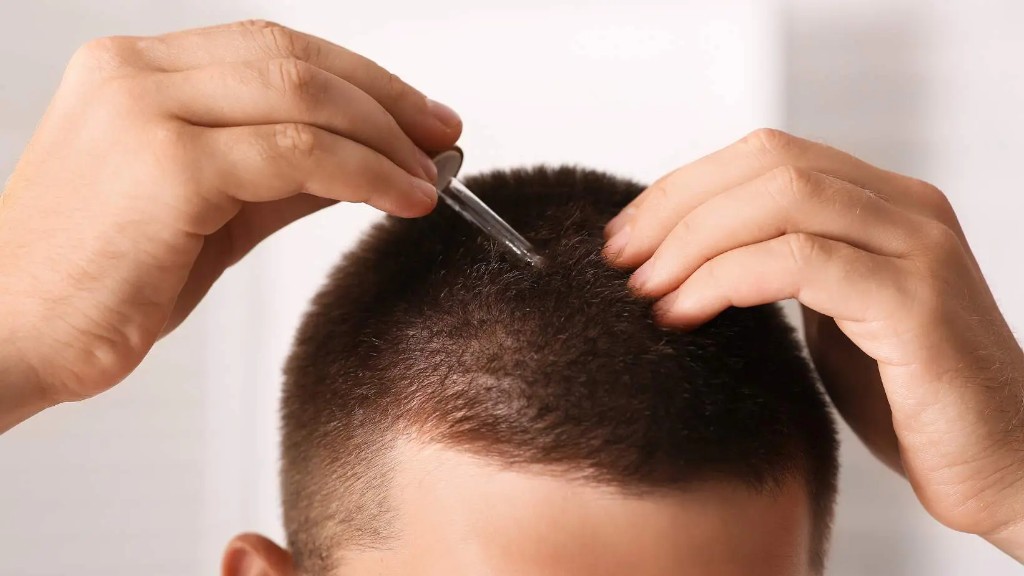
Topical finasteride applies the active ingredient directly to the scalp, often in solutions or sprays compounded at lower concentrations than oral tablets. The goal is local DHT reduction with less systemic drug exposure.
Early studies and clinic experience suggest topical finasteride may regrow hair in some patients, particularly on crown and mid-scalp zones where application is straightforward. Evidence is growing but less extensive than for oral tablets.
Potential advantages and limits
Patients worried about systemic side effects sometimes prefer topical routes under medical supervision. Absorption varies with formulation, scalp condition, and application technique. Topical finasteride is not a guarantee of zero systemic exposure.
Temples and hairline corners are harder to treat evenly with liquids alone. Combining topical finasteride with minoxidil is common, but layering products should follow prescriber instructions to avoid irritation.
Regulatory and compounding notes
Availability differs by country and pharmacy rules. In Spain, options depend on prescription pathways and compounding standards. Do not import unverified products without medical guidance.
Specialists at Turkus Hair Transplant Clinic, Spain note: "Topical finasteride can be a thoughtful alternative for selected patients, but it still requires monitoring, realistic timelines, and honest discussion of pregnancy exposure if a partner could become pregnant."
Does Finasteride Regrow Hair in Women?
Finasteride is not routinely recommended for premenopausal women because of teratogenic risk. Pregnant women must not handle crushed or broken tablets, and exposure during pregnancy may harm a developing male fetus.
Postmenopausal women with androgenetic pattern loss are sometimes treated off-label under specialist supervision. Female hair transplant and medical therapy decisions should be individualized; finasteride is not for everyone.
When specialists may consider it
Endocrinology or dermatology input helps when hyperandrogenic signs, polycystic ovary syndrome, or resistant pattern thinning is present. Hormonal hair loss workups may include labs before any anti-androgen strategy.
Alternatives such as minoxidil, spironolactone in selected cases, PRP, and low-level laser therapy are often discussed before finasteride in women.
Pregnancy and household safety
Women who are pregnant, planning pregnancy, or breastfeeding should avoid finasteride exposure. Partners using oral finasteride should follow prescriber advice about semen exposure during conception planning.
Specialists at Turkus Hair Transplant Clinic, Spain note: "For women, the conversation starts with safety and diagnosis, not with copying a men's hair forum protocol."
How Long Does It Take?
Hair restoration timelines test patience. Finasteride works at the follicle level before the mirror reflects change.
First three months
Many patients notice reduced shedding between months two and four. Some experience a temporary shed early on as follicles shift cycles. That can alarm new users but often stabilizes.
Six months
Six months is a common first checkpoint. Dermatology guidelines often assess response around this point. Compare photos, not daily feelings. If shedding remains unchecked, revisit diagnosis and adherence.
Twelve months and beyond
Maximum cosmetic benefit for finasteride alone may take twelve months or longer. Continued use maintains results in many responders; stopping often allows DHT-driven miniaturization to resume over time.
Patients hoping for thicker hair overall may add minoxidil or discuss PRP after appropriate evaluation.
Specialists at Turkus Hair Transplant Clinic, Spain note: "Three months is too early to quit. Twelve months is a fair trial for judging finasteride regrowth potential in most men with pattern loss."
Is Crown Regrowth Better Than Temples?
Clinical experience and patient reports consistently suggest crown and vertex thinning respond more reliably to finasteride than deep temporal recession. Blood supply, follicle density, and genetic sensitivity differ by zone.
An M-shaped hairline may stabilize without full re-creation of juvenile temples. That outcome can still be valuable if overall progression slows.
Completely bald areas
Smooth bald skin with no visible follicles for years is unlikely to regrow with finasteride alone. Those areas may be better candidates for surgical restoration such as FUE or DHI, sometimes combined with a crown hair transplant plan when the priority is vertex coverage.
Medication before surgery can still matter. Stabilizing ongoing loss protects transplant results long term.
Setting zone-specific goals
Photos during consultation should label crown, mid-scalp, and hairline separately. A successful crown response alongside persistent temple recession is not failure; it informs combined medical and surgical planning.
Specialists at Turkus Hair Transplant Clinic, Spain note: "We map zones before promising anything. Crown improvement with a stable but mature hairline is a realistic win for many finasteride users."
What Finasteride Cannot Do
Understanding limits prevents disappointment and unsafe DIY decisions.
Dead follicles and advanced baldness
Finasteride cannot revive follicles that no longer exist. Advanced Norwood patterns with shiny bald scalp need different tools. Techniques like FUE and DHI redistribute permanent donor hairs; they do not create new follicles either, but they can restore appearance in bald zones.
Social media before-and-after hype
Algorithms reward extreme transformations. Lighting, angle, wet versus dry hair, and simultaneous minoxidil or transplant procedures are often omitted. Finasteride may help regrow hair modestly in real life while feeds show cinematic density.
Is finasteride worth the risk?
Only you and your prescriber can weigh benefits against possible sexual or mood side effects. Finasteride depression reports are part of informed consent, not a reason to panic every user. Many take the drug without mental health changes. Others prefer topical options, minoxidil, PRP, or surgery.
If mood symptoms appear, contact your clinician promptly. Do not adjust psychiatric medications on your own because of hair pills.
Elon Musk and celebrity curiosity
Public figures such as Elon Musk spark curiosity about how wealthy entrepreneurs address hair loss. Speculation about their treatments is common online. Without verified medical records, celebrity stories are entertainment, not evidence. Your pattern, donor area, and health history differ from any public figure.
Specialists at Turkus Hair Transplant Clinic, Spain note: "Medication decisions should come from your scalp exam and labs, not from a tech CEO's old photos."
Should You Combine Finasteride With Minoxidil?
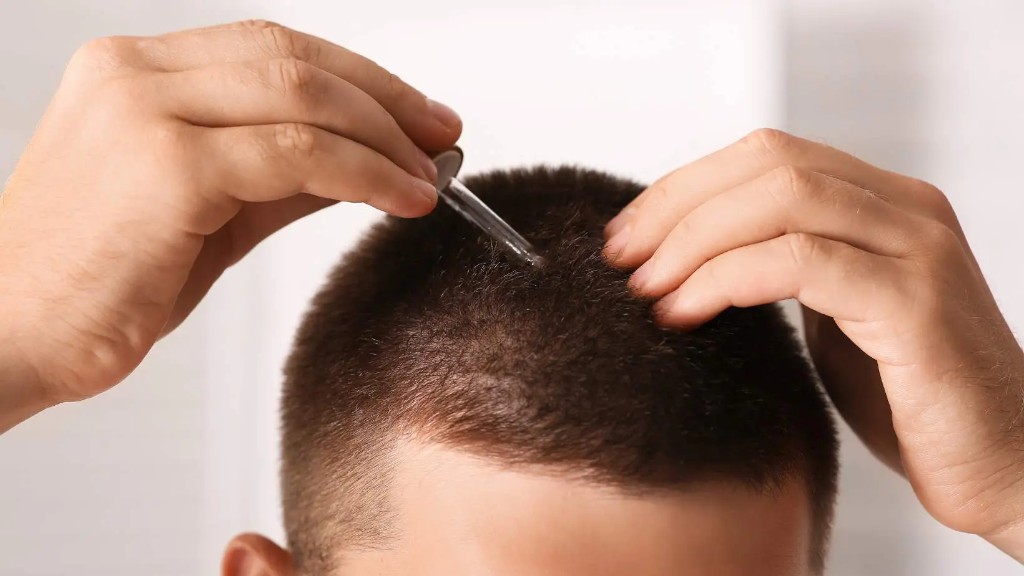
Combination therapy is widely used because finasteride and minoxidil work through different pathways. Finasteride lowers DHT-driven miniaturization. Minoxidil is a vasodilator that may prolong the growth phase and increase hair shaft diameter in some users.
Together they may produce thicker hair appearance in selected patients compared with either drug alone. Results still vary; consultation recommended before stacking prescriptions and over-the-counter products.
Typical combination routines
Many prescribers continue daily oral finasteride while adding topical minoxidil once or twice daily. Application order and timing depend on product type. Scalp irritation should be reported early.
When combination is not enough
If bald areas remain after a fair medical trial, discuss PRP, low-level laser options, or surgical planning. A free hair analysis helps separate zones that may still respond to medication from zones that need grafts.

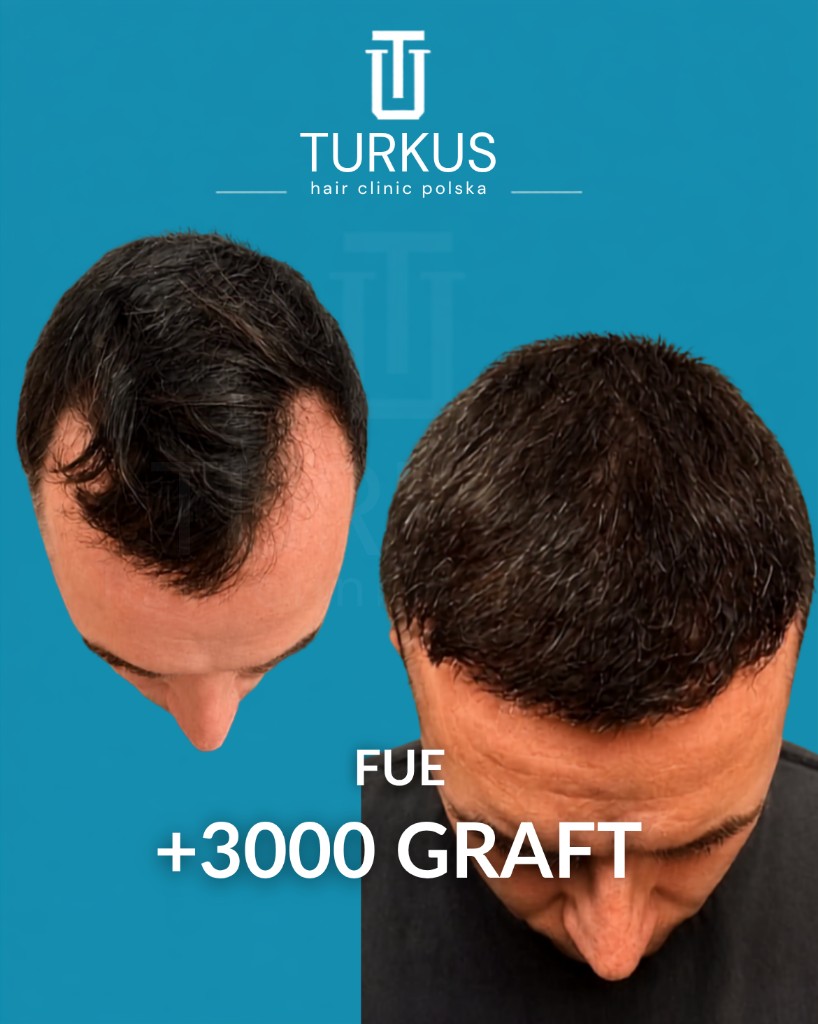
Specialists at Turkus Hair Transplant Clinic, Spain note: "Combination therapy raises the ceiling for some patients, but it does not remove the ceiling. Surgery enters the conversation when follicles are gone, not when pills are merely slow."
Why Choose Turkus Hair Transplant Clinic?
Turkus is a Turkish-led hair transplant clinic in Spain. Turkish surgical expertise is part of our team; your consultation, procedure planning, and aftercare stay local in Spain.
We focus on natural-looking results, clear communication, and personalized follow-up in Spain. We do not recommend traveling to Turkey instead of local care.
Options such as FUE, DHI, and Sapphire FUE may be suitable after evaluation. Results vary between patients; graft estimates require a consultation, not online guesses.
Specialists at Turkus Hair Transplant Clinic, Spain note: "The goal is an honest plan based on your pattern and goals, not promises that apply to every patient."
FAQs About Finasteride and Regrowth
Does finasteride regrow hair?
It can in some patients, mainly by reversing miniaturization and reducing shed. Preservation is often the most reliable outcome. Results vary; not everyone responds visibly.
How long before finasteride regrowth is visible?
Shedding may slow within two to four months. Visible density changes often take six to twelve months of consistent use.
Does finasteride work on temples and hairline?
Temple response is often limited compared with crown and mid-scalp. Stabilization may occur without full hairline restoration.
Can finasteride regrow a completely bald spot?
Unlikely if the area has been smooth and follicle-free for years. Surgical options such as FUE or DHI may be more appropriate for bald zones.
Is topical finasteride as effective as oral?
Oral finasteride has stronger long-term evidence. Topical forms may help selected patients with potentially lower systemic exposure, but data are less extensive.
Can women use finasteride for hair loss?
Not routinely in premenopausal women due to pregnancy risk. Postmenopausal use requires specialist supervision and is not suitable for everyone.
Should I combine finasteride with minoxidil?
Many clinicians recommend combination therapy for androgenetic alopecia because the drugs act differently. Discuss dosing, side effects, and monitoring with your prescriber.
What side effects should I know about?
Possible sexual side effects and, less commonly, mood changes are reported. Read about finasteride depression concerns and contact your doctor if symptoms appear.
Can I still go bald while taking finasteride?
Yes, progression may continue at a slower rate, especially with late start or advanced baseline loss. Finasteride reduces DHT; it does not erase genetic risk entirely.
When should I consider FUE or DHI instead?
When bald areas lack viable follicles after medical trial, or when cosmetic goals exceed what medication can restore. Evaluation includes donor quality and long-term planning.
Final Take: Your Next Step
Finasteride can regrow hair in some patients, but honest expectations focus on stabilization first, modest density recovery second, and surgical planning for bald areas when needed. Crown and mid-scalp zones often respond better than long-standing temple loss. Women, pregnancy risk, and mood or sexual side effects belong in the conversation before the first dose.
At Turkus Hair Transplant Clinic in Spain, the team offers free hair analysis and clear guidance on medical versus surgical paths. Turkish surgical expertise supports trust; consultation, follow-up, and aftercare stay local in Spain.
Specialists at Turkus Hair Transplant Clinic, Spain note: "Bring your timeline, current medications, and photos. A structured plan beats guessing whether pills alone will restore your hairline."
Request a consultation for diagnosing hair loss and exploring finasteride, minoxidil, PRP, FUE, or DHI when appropriate. Prescription decisions remain with your medical provider. Results vary between patients; personalized evaluation is recommended before any treatment plan.