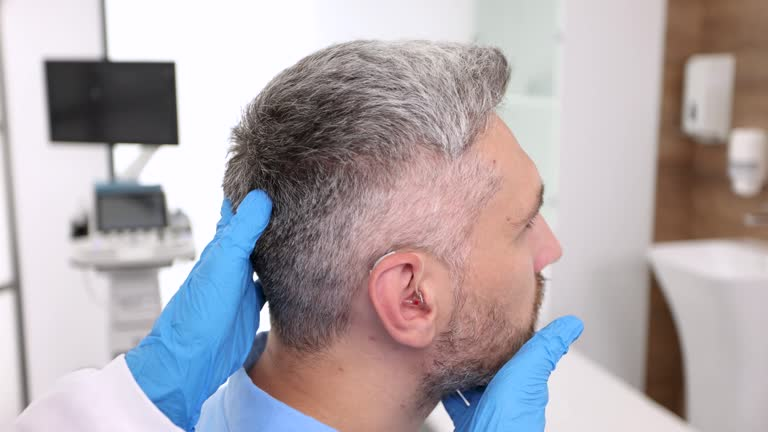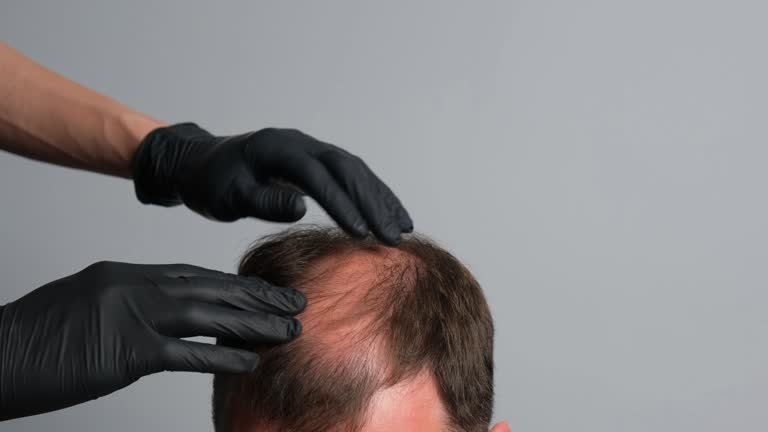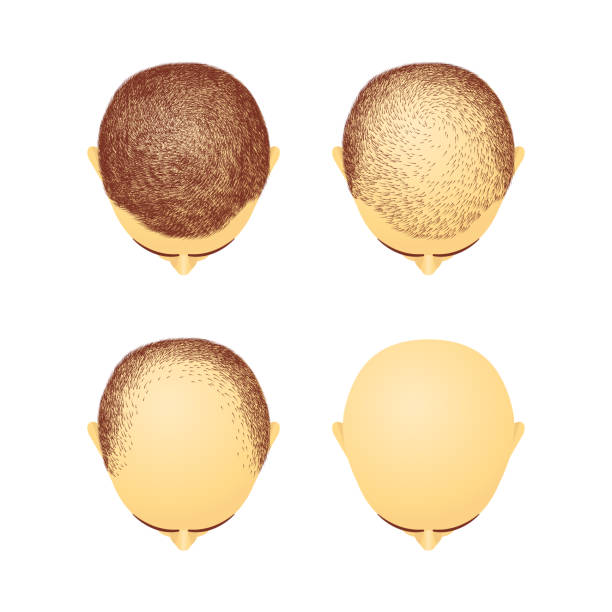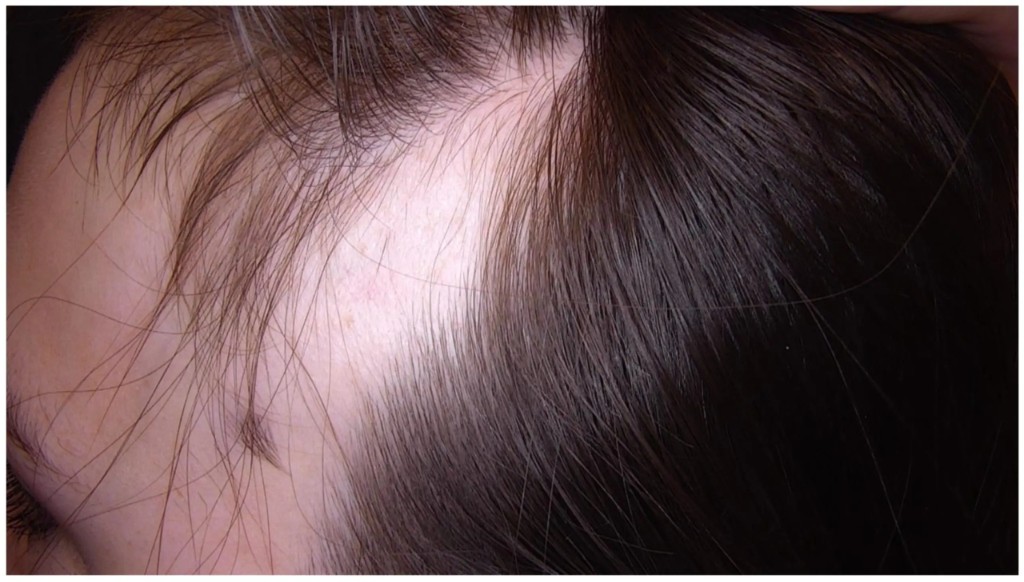
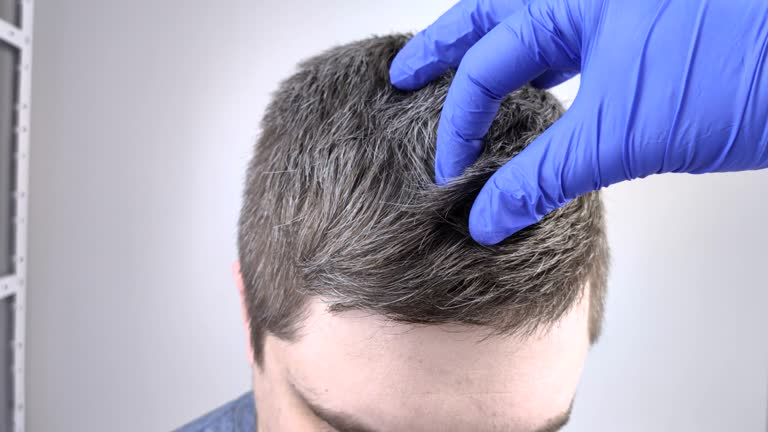
Hair loss treatment starts with understanding why hair fall is happening. Some hair shedding can be temporary, while other types of hair loss may need long-term planning or medical support.
The important thing is simple: the right treatment depends on the cause of hair loss, your scalp condition, hair density, donor area and goals.
At Turkus Hair Transplant Clinic in Spain, patients can receive a personal consultation to understand whether they need hair loss treatment, hair transplant planning or a combined approach.
If you are worried about hair fall, the best first step is to book a free consultation at Turkus Hair Transplant Clinic.
This guide explains what causes hair loss, how to reduce hair fall naturally, when treatment may be needed, when hair transplant may be suitable, why diagnosis matters, and how to get a personal plan.
Quick Insights
- Hair fall can happen for many reasons.
- Stress, nutrition, hormones, genetics and scalp health may affect hair loss.
- Natural support may help some temporary shedding cases.
- Long-term hair loss may need professional evaluation.
- Hair transplant may be suitable for selected patients with stable hair loss.
- FUE, DHI or Sapphire FUE may be options depending on the case.
- Turkus Hair Transplant Clinic can help create a personal treatment plan.
What Causes Hair Loss?
Hair loss can be caused by:
- genetics
- stress
- hormonal changes
- poor nutrition
- low iron or vitamin levels
- scalp problems
- medical conditions
- certain medications
- aging
- lifestyle factors
Because there are many possible causes, the best treatment is not the same for everyone.
Can Hair Fall Be Stopped Naturally?
Some types of hair fall may improve with better daily habits.
Natural support may include:
- balanced nutrition
- better sleep
- stress management
- gentle hair care
- avoiding harsh styling
- protecting scalp health
- staying hydrated
- checking vitamin and mineral levels
These steps may support healthier hair, especially if shedding is temporary.
Viral remedies such as peppermint oil may improve scalp comfort for some people, but they are not proven to reverse androgenetic alopecia on their own. Read realistic evidence before relying on any single oil.
If shedding started after a mood medication, antidepressant hair loss may also be part of the picture. Do not stop antidepressants on your own; discuss timing and testing with your prescribing doctor while a hair evaluation clarifies the pattern.
When Natural Methods May Not Be Enough
Natural methods may not be enough if hair loss is genetic, advanced or continuing for a long time.
If the hairline is receding, temples are thinning or crown density is decreasing, a professional evaluation can help you understand what is realistic.
The earlier you understand the cause, the easier it is to create the right plan.
Hair Loss Treatment Options
Depending on the case, treatment may include:
- scalp and hair evaluation
- lifestyle support
- medical treatment guidance
- density monitoring
- PRP support in selected cases
- hair transplant planning
- aftercare and follow-up
At Turkus Hair Transplant Clinic, the goal is to recommend the right option based on your situation.
When Is Hair Transplant Suitable?
Hair transplant may be suitable if you have:
- stable hair loss
- good donor area
- receding hairline
- temple recession
- frontal thinning
- crown thinning
- realistic expectations
A consultation is needed to decide whether FUE, DHI or Sapphire FUE is suitable.
Why Diagnosis Matters
Hair loss treatment should not be based on guessing.
A personal evaluation helps understand:
- hair loss type
- donor area strength
- scalp condition
- future hair loss risk
- possible treatment options
- whether transplant is needed
- what result is realistic
This helps avoid wasting time on the wrong solution.
How Turkus Hair Transplant Clinic Can Help
At Turkus Hair Transplant Clinic in Spain, the team can evaluate:
- your hair loss pattern
- your scalp condition
- your donor area
- your hairline
- your crown area
- your treatment options
- your suitable method
- your expected result
This gives you a clear plan instead of confusion.
Frequently Asked Questions
Can hair loss stop naturally?
Some temporary shedding may improve with better nutrition, sleep, stress control and scalp care.
What is the best hair loss treatment?
The best treatment depends on the cause of hair loss.
Can vitamins stop hair loss?
Vitamins may help if there is a deficiency, but they may not solve genetic hair loss.
When should I consider hair transplant?
If hair loss is stable and donor area is suitable, hair transplant may be an option.
Which method is best?
FUE, DHI or Sapphire FUE may be suitable depending on your case.
Can Turkus Hair Transplant Clinic help with hair loss?
Yes. Turkus Hair Transplant Clinic can evaluate your hair loss and create a personal plan.
Final Thoughts
Hair loss treatment should start with understanding the cause.
Natural habits may help some types of shedding, but long-term or genetic hair loss often needs professional evaluation.
If you want to understand your hair fall and treatment options, book a free consultation at Turkus Hair Transplant Clinic in Spain. The team can evaluate your hair loss pattern, explain your options and create a personalized plan for natural-looking results.